
California, the Golden State, is a vast and geographically diverse region that spans a significant portion of the West Coast of the United States. When planning a trip to this popular travel destination, understanding its time zone is crucial for coordinating flights, booking accommodations, and scheduling activities. This guide will delve into the specifics of California’s time zone, helping travelers navigate their journeys with ease and ensuring they make the most of their experiences.
Understanding Pacific Time
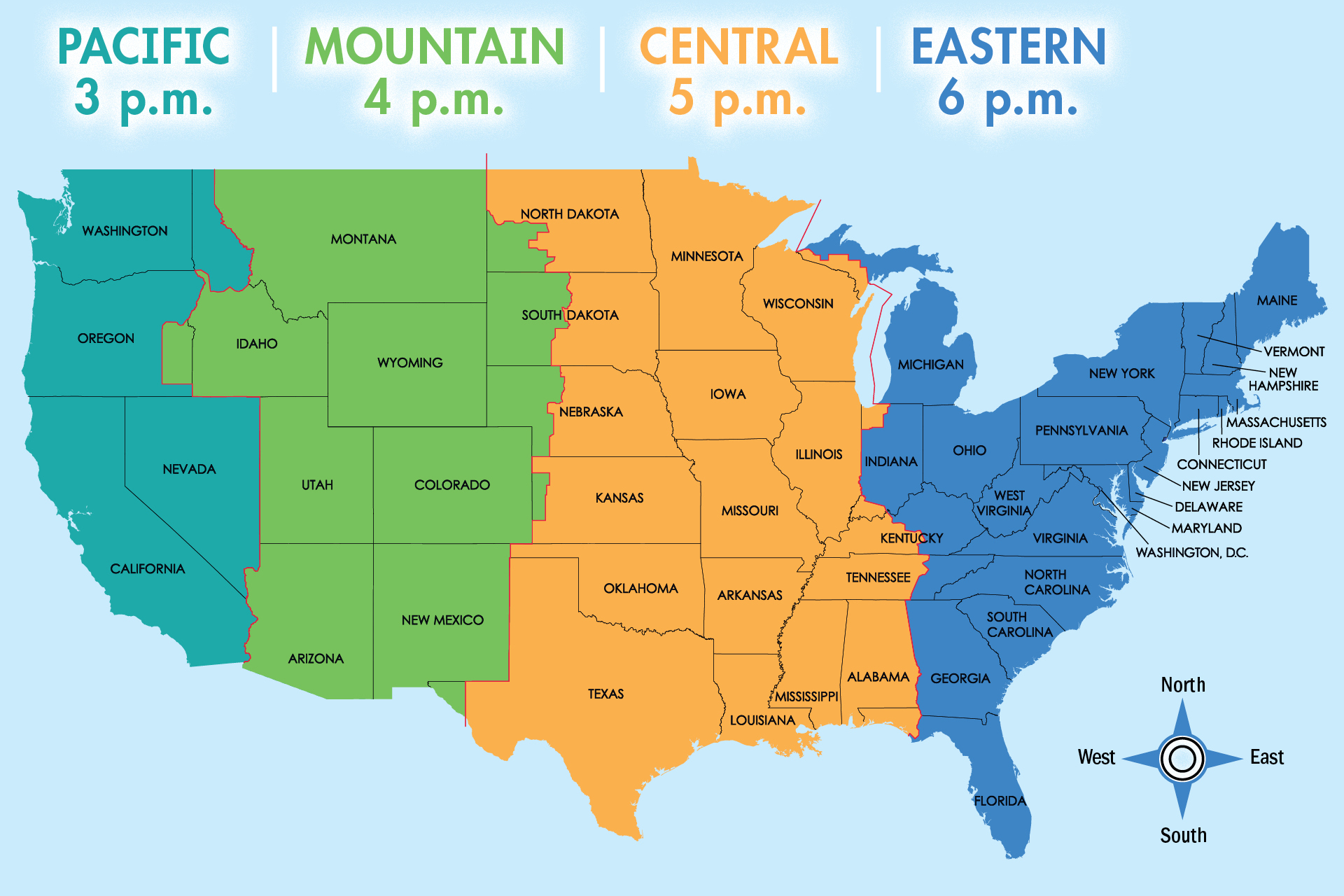
California officially observes the Pacific Time Zone (PT). This time zone is one of nine standard time zones in the contiguous United States and is based on Pacific Standard Time (PST) during the winter months and Pacific Daylight Time (PDT) during the warmer months.
Pacific Standard Time (PST)
During PST, the time in California is UTC-8. This means it is 8 hours behind Coordinated Universal Time (UTC). When PST is in effect, it is also 3 hours behind Eastern Standard Time (EST), which is observed by states on the East Coast like New York and Florida. For instance, if it’s noon EST, it’s 9 AM PST in California. This time difference is a significant factor for travelers flying from the East Coast to California, as it can impact arrival times and the feeling of jet lag.
Pacific Daylight Time (PDT)
California, like most of the United States, observes Daylight Saving Time. From the second Sunday in March to the first Sunday in November, the state switches to Pacific Daylight Time (PDT), which is UTC-7. This means the clocks are advanced by one hour. So, during PDT, California is 7 hours behind UTC. The difference between PST and PDT is particularly important when making international calls or coordinating with time zones that do not observe Daylight Saving Time. For example, when it’s 3 PM PDT in California, it would be 10 PM UTC.
When Does Daylight Saving Time Occur?
The switch to and from Daylight Saving Time in California follows the national schedule.
- Beginning of PDT: The second Sunday in March, at 2:00 AM local time, clocks are moved forward by one hour.
- End of PDT: The first Sunday in November, at 2:00 AM local time, clocks are moved back by one hour, returning to PST.
This annual adjustment is a key element to consider when booking travel, especially for flights that cross the time change. Travelers should always confirm the local time of their destination upon arrival.
Navigating California’s Vastness
California is the third-largest state by area in the contiguous United States, stretching from the Mexican border to the Oregon border. While the entire state falls within the Pacific Time Zone, its sheer size means that there can be a perceived difference in local time, especially when considering the extreme western and eastern points of the state. However, for all practical purposes for travelers, the entire state operates on Pacific Time.
Driving Across California
If you are driving across California, for example, from Los Angeles to San Francisco, you do not need to adjust your watch. The entire stretch of major highways and cities within California are on Pacific Time. However, if your road trip extends beyond California, for instance, into Arizona (which primarily observes Mountain Standard Time year-round, effectively making it UTC-7), you will need to adjust.
Coastal Versus Inland
The time zone does not differentiate between the coast and inland regions of California. Whether you are enjoying the beaches of San Diego, exploring the deserts near Palm Springs, or visiting the mountains of Lake Tahoe, you will be in the same time zone. This simplifies travel planning immensely, as there’s no need to account for internal time zone shifts within the state.
Planning Your California Itinerary

Understanding California’s time zone is fundamental to a seamless travel experience. It affects everything from flight schedules and booking restaurant reservations to planning excursions and enjoying the local nightlife.
Flight Arrivals and Departures
When booking flights into or out of major California airports like Los Angeles International Airport (LAX), San Francisco International Airport (SFO), or San Diego International Airport (SAN), always pay close attention to whether the listed times are local or departure times. Most flight schedules will show times in the local time zone of the airport. For example, a flight departing from New York at 10 AM EST will have a different arrival time in Los Angeles, considering the 3-hour time difference. A 5-hour flight departing at 10 AM EST would theoretically arrive at 1 PM EST, which is 10 AM PST in California. However, flight durations are often calculated to account for this, so the scheduled arrival time in PST will be provided.
Scheduling Activities and Tours
California offers a plethora of activities, from early morning hikes in Yosemite National Park to evening wine tastings in the Napa Valley. When booking tours or making reservations, confirm the local time. For early morning activities, remember that the sun will rise later in California than it would in Eastern time zones. Conversely, in the summer, PDT means longer daylight hours, allowing for late evening explorations of cities like San Francisco or enjoying sunset views along the coast.
Business and Communication
For business travelers, understanding the time difference is critical for scheduling meetings and conference calls. A 9 AM meeting in New York means a 6 AM start in California during PST and a 7 AM start during PDT. This can significantly impact the daily routines of business professionals working across different time zones.
Time Zone Etiquette and Tips
To ensure smooth travel and interactions in California, keep the following in mind:
Confirm Local Times
Always confirm the local time of your destination in California, especially if you are traveling during the transition periods for Daylight Saving Time. Websites and booking platforms usually specify the time zone, but it’s wise to double-check.
Inform Others of Your Time Zone
When communicating with people outside of California, make it clear what time zone you are referencing. Stating “9 AM PST” or “9 AM PDT” is more precise than just “9 AM.”
Jet Lag Management
The significant time difference between California and more eastern time zones can lead to jet lag. To mitigate its effects, try to adjust your sleep schedule gradually before your trip, stay hydrated on the flight, and expose yourself to natural daylight upon arrival in California.

Stay Updated
While California adheres to the standard Daylight Saving Time schedule, it’s always a good practice to stay informed about any potential changes in time zone regulations, although these are rare. Reliable sources include official government websites or major news outlets.
By understanding and respecting California’s Pacific Time Zone, travelers can optimize their itineraries, avoid confusion, and fully immerse themselves in the diverse attractions and experiences this incredible state has to offer, from the bustling streets of Los Angeles to the serene landscapes of the Sierra Nevada Mountains.
LifeOutOfTheBox is a participant in the Amazon Services LLC Associates Program, an affiliate advertising program designed to provide a means for sites to earn advertising fees by advertising and linking to Amazon.com. Amazon, the Amazon logo, AmazonSupply, and the AmazonSupply logo are trademarks of Amazon.com, Inc. or its affiliates. As an Amazon Associate we earn affiliate commissions from qualifying purchases.