
The designation of a “sanctuary city” is often a focal point of political and social discourse, particularly when discussing immigration policies. For travelers and tourists considering a visit to San Francisco, understanding the implications of this label can offer a deeper insight into the city’s ethos and community dynamics. While the term itself carries significant weight, its practical manifestations and the policies it represents are complex. This exploration delves into what it means for San Francisco to be considered a sanctuary city, examining its historical context, the specific policies in place, and how these might subtly influence the visitor experience without fundamentally altering the attractions and activities that draw millions to the Golden Gate City each year.

Understanding the Sanctuary City Concept
The term “sanctuary city” is not a legally defined term with a uniform national definition in the United States. Instead, it generally refers to a city that adopts policies to protect undocumented immigrants from federal immigration enforcement. These policies typically involve limiting the cooperation of local law enforcement with federal immigration authorities, such as U.S. Immigration and Customs Enforcement (ICE).
Historical Roots and Policy Evolution
The origins of the sanctuary movement can be traced back to the 1980s, when cities and religious institutions offered refuge to asylum seekers fleeing civil war and persecution in Central America. Over time, the focus broadened to encompass the rights and protections of all residents, regardless of their immigration status.
In San Francisco, the movement gained traction through a series of local ordinances and policies. A pivotal moment was the 1985 Board of Supervisors resolution that restricted the use of city resources to enforce federal immigration laws. This was further solidified in subsequent years. The city has consistently maintained a stance of welcoming immigrants and protecting their rights, viewing them as integral to its cultural and economic fabric.
Key Policies and Their Intent
The policies enacted by San Francisco that lead to its designation as a sanctuary city are primarily aimed at fostering trust between immigrant communities and local law enforcement. The intent is to encourage all residents, including undocumented individuals, to report crimes without fear of deportation. This is crucial for effective community policing and for ensuring that all victims and witnesses feel safe coming forward.
One of the most significant policies is the restriction on San Francisco police officers from stopping, arresting, or detaining individuals solely based on their immigration status or on the basis of an immigration detainer request from federal authorities, unless there is a judicial warrant issued by a court of competent jurisdiction. This means that unless federal authorities have a court order specifically authorizing an arrest related to immigration status, local law enforcement will not act as their agents.
Furthermore, San Francisco offers city identification cards (often referred to as “San Francisco ID”) to all residents, regardless of immigration status. These cards can be used for various purposes, such as accessing city services, opening bank accounts, and proving residency. While not directly a “sanctuary” policy, they contribute to the broader goal of inclusivity and accessibility for all inhabitants.
The Impact on Tourism and Visitor Experience
For the millions of tourists who visit San Francisco annually, the city’s sanctuary status typically has no direct impact on their travel plans or experiences. The attractions, landmarks, and cultural offerings remain the same. The policies are designed to protect residents and foster community well-being, not to create barriers for visitors.
Safety and Security for All
One of the primary arguments in favor of sanctuary city policies is that they enhance public safety for everyone. When immigrant communities feel secure and are more likely to report crimes or cooperate with law enforcement, it can lead to a reduction in overall crime rates. This creates a safer environment for both residents and tourists alike. Visitors can explore iconic sites like the Golden Gate Bridge, wander through vibrant neighborhoods like Chinatown or the Mission District, and enjoy the city’s renowned culinary scene with the same sense of security as in any major metropolitan area.
Cultural Richness and Inclusivity
San Francisco‘s reputation as a sanctuary city is intrinsically linked to its embrace of diversity and its welcoming attitude towards people from all walks of life. This inclusivity is a cornerstone of the city’s cultural identity. Tourists often seek out destinations that offer rich cultural experiences, and San Francisco delivers this in abundance. From its progressive history to its vibrant arts scene and diverse culinary landscape, the city’s welcoming ethos contributes to the authentic and multifaceted experiences available to visitors. Exploring areas like the Mission District offers a glimpse into the city’s diverse Latino heritage, with its colorful murals and authentic eateries, while Chinatown provides a historical and bustling immersion into one of the oldest and largest Chinese communities outside of Asia.
Navigating the City as a Tourist
When visiting San Francisco, tourists do not need to take any special precautions related to the city’s sanctuary status. Standard travel advice, such as being aware of your surroundings, keeping valuables secure, and respecting local laws, applies as it would in any major city. The city’s public transportation system, including its iconic cable cars, is efficient and accessible for exploring various neighborhoods and attractions.

The policies in place primarily affect interactions between local law enforcement and federal immigration agencies, and do not alter the daily lives of tourists or the fundamental safety measures in place for public spaces. Whether you are visiting the Alcatraz Island Federal Penitentiary, strolling through Golden Gate Park, or enjoying the views from Twin Peaks, your experience as a visitor will be largely unchanged by the city’s sanctuary policies.
Debates and Perceptions
The designation of San Francisco as a sanctuary city, like in other cities, is often a subject of debate, with differing perspectives on its effectiveness, legality, and broader implications.
Legal Challenges and Federal Relations
Sanctuary city policies have faced legal challenges, particularly from the federal government, which has argued that cities cannot unilaterally refuse to cooperate with federal immigration enforcement. However, courts have often upheld the rights of cities to set local law enforcement priorities and to limit the use of local resources for federal immigration enforcement. The relationship between local and federal authorities can sometimes be strained, but this typically plays out in political arenas rather than directly impacting the tourist experience on the ground.
Economic and Social Arguments
Proponents of sanctuary city policies argue that they foster economic growth by allowing immigrant populations to integrate more fully into society, participate in the workforce, and contribute to the local economy. They also emphasize the moral imperative of protecting vulnerable populations. Critics often raise concerns about public safety and the rule of law, suggesting that such policies may encourage illegal immigration and hinder federal efforts to enforce immigration laws.
Visitor Perception and Information
For most visitors, the concept of a “sanctuary city” is more of a political label than a daily reality they will directly encounter. The overwhelming draw of San Francisco lies in its iconic landmarks, diverse neighborhoods, rich history, and vibrant culture. The policies that define its sanctuary status are largely administrative and aim to create a more inclusive and trusting community for its residents. As a tourist, you are more likely to be captivated by the architectural marvel of the Coit Tower or the bustling atmosphere of the Ferry Building Marketplace than by the intricacies of local immigration policy.
Exploring San Francisco’s Diverse Offerings
Regardless of the political nuances surrounding its designation, San Francisco remains a premier tourist destination, celebrated for its unique character and array of attractions. The city’s embrace of diversity, a key element in its sanctuary status, is also a major contributor to its appeal.
Iconic Landmarks and Neighborhoods
Visitors can spend days exploring the city’s world-renowned landmarks. A walk across the majestic Golden Gate Bridge offers breathtaking views of the bay and the Pacific Ocean. A ferry trip to Alcatraz Island provides a historical journey into a formidable former federal prison. The cable car system, a National Historic Landmark, offers a charming and classic way to navigate the city’s famous hills, passing through neighborhoods like Nob Hill and Lombard Street.
Each neighborhood possesses its distinct personality. From the Victorian architecture and vibrant street art of the Haight-Ashbury district to the upscale boutiques of Union Square and the bohemian charm of North Beach, San Francisco offers a tapestry of experiences. The cultural melting pot is evident in areas like the Mission District, known for its Latin American heritage, delicious taquerias, and vibrant murals, and the historic Chinatown, a bustling hub of culture, cuisine, and commerce.
Culinary Delights and Cultural Experiences
San Francisco is a paradise for food lovers. Its culinary scene is renowned for its innovation, diversity, and high-quality ingredients, often sourced from local farms in California. From Michelin-starred restaurants to casual food trucks and iconic seafood establishments at Fisherman’s Wharf, there is something to satisfy every palate. Exploring the diverse offerings, from fresh Dungeness crab to artisanal sourdough bread, is an essential part of the San Francisco experience.
The city also boasts a rich cultural landscape. World-class museums, such as the de Young Museum and the California Academy of Sciences, are located within the sprawling Golden Gate Park. Numerous theaters, music venues, and art galleries provide ample opportunities for cultural immersion. The city’s progressive spirit and its history as a hub for social movements contribute to a unique and engaging atmosphere that many visitors find inspiring.
Conclusion: A Welcoming City for All
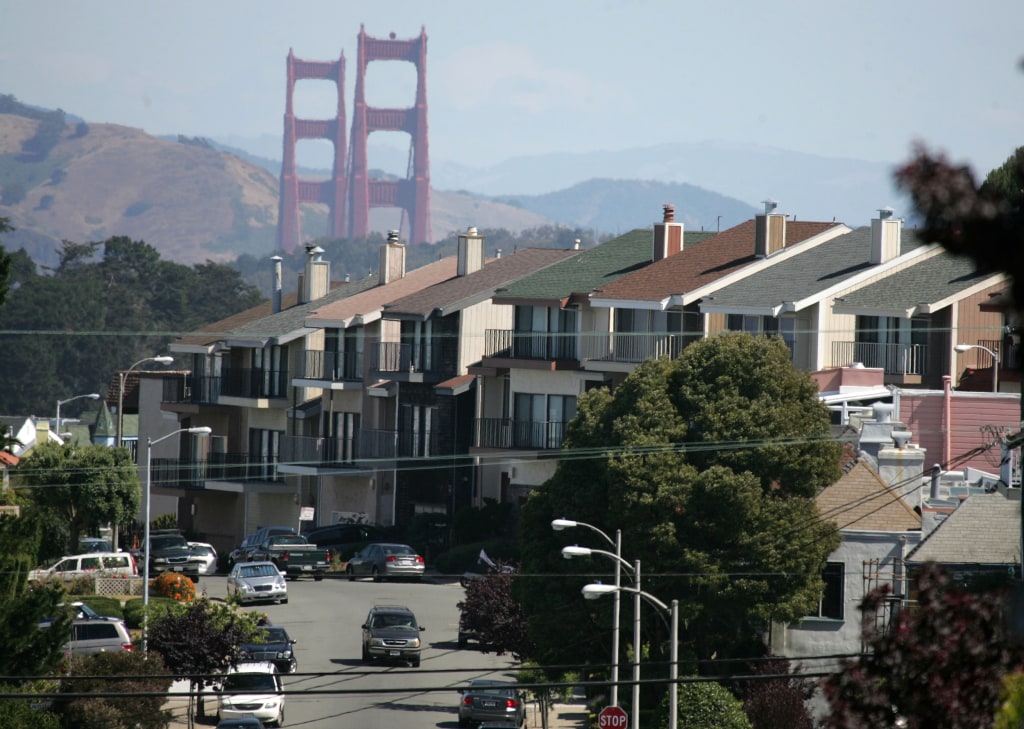
In conclusion, while the political label of “sanctuary city” is a significant aspect of San Francisco‘s identity and governance, it does not fundamentally alter the experience of visiting the city as a tourist. The policies are designed to foster a more inclusive and safe environment for all residents, and this ethos contributes to the welcoming atmosphere that travelers often find appealing. San Francisco continues to offer a world-class travel experience, marked by its iconic landmarks, diverse neighborhoods, vibrant culture, and exceptional culinary scene. Whether you are drawn by its historic charm, its innovative spirit, or its stunning natural beauty, the city offers a rich and memorable journey for every visitor. The underlying policies, while important for residents, serve to reinforce the city’s long-standing tradition of diversity and welcome, making it an inviting destination for people from all backgrounds.
LifeOutOfTheBox is a participant in the Amazon Services LLC Associates Program, an affiliate advertising program designed to provide a means for sites to earn advertising fees by advertising and linking to Amazon.com. Amazon, the Amazon logo, AmazonSupply, and the AmazonSupply logo are trademarks of Amazon.com, Inc. or its affiliates. As an Amazon Associate we earn affiliate commissions from qualifying purchases.