
This article delves into the representation within the California delegation of the United States House of Representatives, a crucial element for understanding governance and advocacy for the Golden State. While the title might initially suggest a guide to visiting legislative buildings, its true essence lies in understanding the individuals who shape policy and voice the concerns of millions of Californians at the federal level. This exploration falls under the Tourism umbrella, specifically focusing on the local culture and civic engagement that underpins the democratic process in California. Understanding who represents you and how they operate is a vital aspect of experiencing and appreciating the unique civic landscape of any region.

Understanding the California Delegation
The California House of Representatives delegation is the largest among all U.S. states, reflecting California‘s immense population. This significant presence in the U.S. House of Representatives means California‘s voice carries considerable weight in national legislation. The delegation is composed of representatives elected from distinct congressional districts across the state. These districts are drawn based on population and are reapportioned every ten years following the U.S. Census. The composition of the delegation can shift with each election cycle, influenced by demographic changes, voter turnout, and prevailing political trends.
The Role of a Representative
Members of the U.S. House of Representatives serve two-year terms and are tasked with several key responsibilities:
- Legislation: They introduce, debate, and vote on bills that can become federal law. This includes addressing issues of national importance as well as those specific to their constituents.
- Oversight: They conduct investigations into the executive branch and federal agencies to ensure laws are being implemented effectively and responsibly.
- Constituent Services: They act as liaisons between their constituents and the federal government, helping individuals navigate complex federal agencies and programs.
- Advocacy: They champion the interests of their district and state on Capitol Hill, working to secure funding for local projects and influence policy decisions that impact their communities.
Diversity and Representation
The California delegation is known for its remarkable diversity, mirroring the state’s own multicultural fabric. Representatives come from a wide array of ethnic backgrounds, professions, and political ideologies. This diversity is often seen as a strength, bringing a breadth of perspectives to the legislative process. Understanding this diversity is key to appreciating the multifaceted nature of California‘s political landscape, a significant aspect of its local culture for those interested in civic tourism.
Key Districts and Their Representatives
California is divided into 52 congressional districts, each represented by a single member of the U.S. House of Representatives. While the specific representatives change over time, understanding the general geographic areas and the types of communities they represent offers insight into the state’s political geography.
Southern California
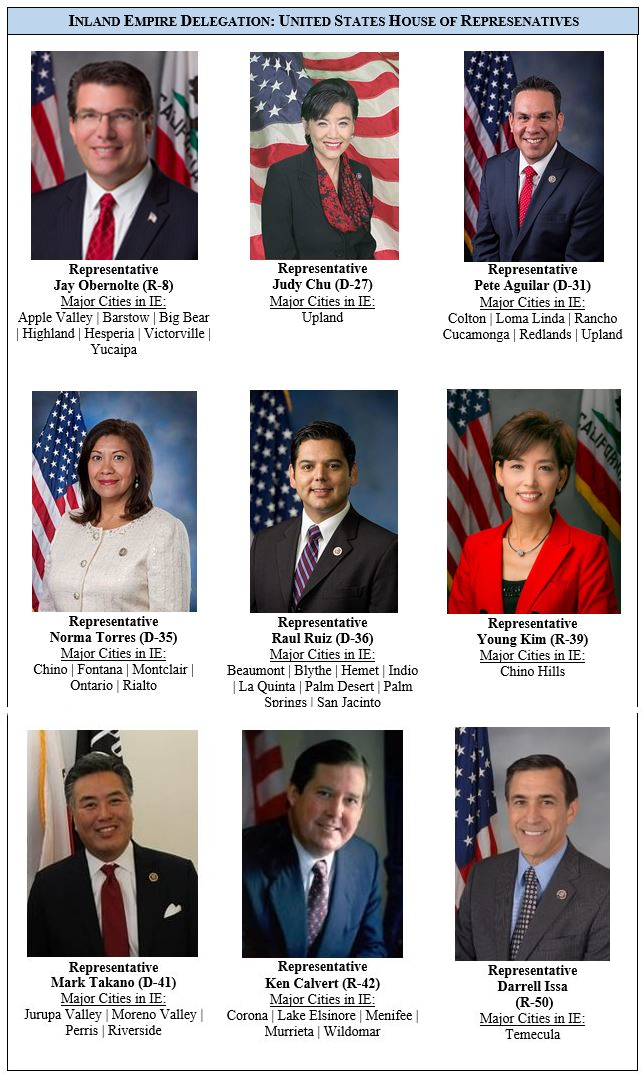
Southern California, with its large population centers, has a substantial portion of the state’s congressional districts. These districts often encompass major metropolitan areas like Los Angeles, San Diego, and the Inland Empire. Representatives from these regions typically focus on issues such as economic development, infrastructure, water resources, and national security, given the presence of major military installations and international trade hubs. For instance, districts within Los Angeles County might grapple with issues related to the entertainment industry, transportation, and social services, reflecting the unique challenges and opportunities of a global city.
Central Valley

The Central Valley is known as California‘s agricultural heartland. Representatives from this region often prioritize agricultural policies, water rights, and rural development. Issues like drought mitigation, farm labor, and food production are central to their legislative agenda. The economic well-being of these communities is directly tied to federal agricultural policies, making their representatives crucial advocates for this vital sector.
Northern California
Northern California encompasses a diverse range of environments and economies, from the tech-centric San Francisco Bay Area to the more rural northern counties. Representatives from the Bay Area often focus on technology, innovation, environmental protection, and housing affordability. In contrast, representatives from the northern regions might deal with issues related to natural resources, forestry, and small-town economic revitalization. The proximity to federal lands and the Pacific Ocean also brings unique environmental and resource management considerations to the forefront.
Engaging with Your Representatives
Understanding who represents you in Washington D.C. is fundamental to civic participation. For residents of California, and for visitors interested in the state’s governance, knowing how to engage with the California House of Representatives delegation is essential.
Contacting Your Representative
The most direct way to engage is by contacting your specific representative. Their offices are equipped to handle constituent inquiries, requests for assistance, and expressions of opinion on legislative matters.
- Official Websites: Each representative maintains an official website, which typically includes contact information, legislative updates, and biographical details.
- District Offices: Most representatives maintain district offices within their constituencies, providing local points of contact for constituents.
- Washington D.C. Office: The Washington D.C. office is where representatives spend much of their time working on legislation and interacting with national policymakers.
Understanding Voting Records and Stances
When researching California‘s representatives, it’s beneficial to examine their voting records and public statements on key issues. Many non-partisan organizations track these votes, providing valuable insights into a representative’s alignment with specific policies. Understanding these stances helps in grasping the collective legislative priorities of the California delegation. This level of civic awareness is an integral part of understanding California‘s unique political culture, a facet of local tourism that appeals to those interested in governance and public affairs.
The Impact on Tourism and Local Culture
While the California House of Representatives might not directly manage tourist attractions, their legislative actions have profound indirect impacts on the state’s tourism industry and local culture.
- Infrastructure Development: Federal funding secured by representatives can go towards improving roads, airports, and public transportation, making it easier and more appealing for tourists to visit various parts of California. Projects like enhancements to Los Angeles International Airport (LAX) or the development of high-speed rail are often influenced by federal legislative priorities.
- Environmental Protection: Policies championed by California‘s representatives concerning national parks, coastlines, and conservation efforts directly affect the natural beauty that draws millions of visitors. Preserving iconic landscapes like Yosemite National Park or the Big Sur coastline often relies on federal support and legislative action.
- Cultural Preservation: Representatives can advocate for funding and policies that support California‘s diverse cultural institutions, museums, and historical sites. This ensures that the rich tapestry of arts, history, and heritage that defines California‘s local culture remains vibrant and accessible to both residents and visitors. For example, support for institutions like the Getty Center or the California Academy of Sciences can be influenced by federal cultural grants and initiatives.
The Unseen Architects of Experience
In essence, understanding the California House of Representatives is about recognizing the unseen architects of the experiences available to residents and tourists alike. Their work, though often complex and behind-the-scenes, shapes the very environment in which California‘s attractions, cultural experiences, and overall appeal flourish. For the discerning traveler or the curious resident, this knowledge adds a deeper layer of appreciation for the Golden State, connecting the tangible realities of its vibrant tourism landscape to the intricate workings of its democratic representation. It transforms a simple visit into an informed engagement with the forces that shape this dynamic and diverse state.
LifeOutOfTheBox is a participant in the Amazon Services LLC Associates Program, an affiliate advertising program designed to provide a means for sites to earn advertising fees by advertising and linking to Amazon.com. Amazon, the Amazon logo, AmazonSupply, and the AmazonSupply logo are trademarks of Amazon.com, Inc. or its affiliates. As an Amazon Associate we earn affiliate commissions from qualifying purchases.