
As the crisp air begins to bite and the days shorten, a familiar question echoes through the Pikes Peak region: “How much will it snow in Colorado Springs this winter?” For residents and prospective visitors alike, understanding the potential snowfall is key to planning everything from daily commutes and outdoor activities to booking the perfect winter getaway. While pinpointing exact snow totals remains an exercise in meteorological forecasting, we can delve into historical patterns, understand the factors that influence our winter weather, and explore what a typical snowy season in Colorado Springs looks like.

Understanding Colorado Springs’ Winter Climate
Colorado Springs, nestled at the eastern foot of the majestic Rocky Mountains, experiences a semi-arid climate with distinct four seasons. Winter, typically running from November through March, brings a mix of sunshine and snow. The city’s elevation, around 6,035 feet above sea level, contributes to its cooler temperatures and propensity for snow compared to lower-lying areas.
Historical Snowfall Averages
Historically, Colorado Springs receives an average of about 37 inches of snow annually. However, this average is just that – an average. Actual snowfall can vary significantly from year to year. Some winters see much lighter accumulation, while others can deliver substantial snowfalls that reshape the landscape and test the city’s plowing crews.
The distribution of snow is also uneven. It’s not uncommon to experience several small snow events throughout the winter, interspersed with a few larger, more impactful storms. These larger storms often bring a foot or more of snow, significantly impacting daily life and providing excellent opportunities for winter recreation.
Factors Influencing Snowfall
Several key meteorological factors contribute to snowfall in Colorado Springs:
Moisture Sources
The primary sources of moisture for winter storms are Pacific Ocean systems. As these systems track eastward, they can tap into moisture and, when combined with cold air, produce snow. The proximity to the Rocky Mountains also plays a role, as upslope flow can enhance precipitation on the eastern plains.
Temperature
For snow to fall, temperatures at all levels of the atmosphere, from the cloud to the ground, must be at or below freezing (32°F or 0°C). Even a slight temperature increase near the surface can turn snow into sleet or freezing rain. Colorado Springs‘ elevation helps keep temperatures cold enough for snow during much of the winter.
Storm Intensity and Track
The strength of a winter storm and its specific path are critical. Storms that track across the southwestern United States and then northeastward often bring significant snow to Colorado Springs. The intensity of the storm dictates the duration and rate of snowfall.
El Niño-Southern Oscillation (ENSO)
The El Niño-Southern Oscillation cycle can influence winter weather patterns in North America. During El Niño years, the jet stream often shifts southward, potentially bringing more moisture and cooler temperatures to the southern tier of the United States, which can translate to increased snowfall for Colorado Springs. Conversely, La Niña years can sometimes lead to drier conditions, though regional variations exist.
Preparing for a Snowy Season in Colorado Springs
Whether you’re a seasoned winter warrior or new to the area, being prepared for snow is essential. Understanding potential snowfall allows for better planning and a more enjoyable winter experience.
For Residents: Practical Preparations
For those living in Colorado Springs, a snowy winter means practical adjustments.
Home Preparedness
Ensure your home is ready for colder temperatures and potential snow accumulation. This includes checking your heating system, insulating pipes, and having emergency supplies on hand, such as non-perishable food, water, flashlights, and extra blankets. For those with snow removal responsibilities, investing in a reliable snow blower or ensuring you have adequate shovels and salt or sand for walkways is crucial.
Vehicle Preparedness
Your vehicle should be winter-ready. This means ensuring your tires have good tread, checking your battery, filling up your windshield wiper fluid with a de-icing solution, and carrying an emergency kit in your car. This kit might include jumper cables, a first-aid kit, a flashlight, and warm clothing.
Understanding City Services
Colorado Springs has a dedicated Public Works department responsible for snow removal. They prioritize clearing major arterial roads and routes to emergency services. Understanding their priorities can help you gauge when your local streets are likely to be cleared.
For Visitors: Planning Your Trip
For travelers considering a winter visit to Colorado Springs, knowing what to expect regarding snow can shape your itinerary and accommodation choices.
Skiing and Snowboarding
While Colorado Springs itself doesn’t have ski resorts, it serves as an excellent basecamp for accessing many of the state’s renowned ski areas. Resorts like Ski Cooper, Breckenridge, and Vail are within a few hours’ drive. Adequate snowfall in these mountain regions is vital for a successful ski season. Checking the snow reports for these resorts is a must when planning ski trips.
Other Winter Activities
Even if you’re not hitting the slopes, snow can enhance your visit. Consider activities like:
- Snowshoeing: Trails in nearby areas like Garden of the Gods or Cheyenne Mountain State Park can be transformed into beautiful snowshoeing routes, offering a serene way to experience the winter landscape.
- Winter Hiking: Many lower-elevation trails remain accessible and offer stunning snowy vistas. Always check trail conditions and be prepared for icy patches.
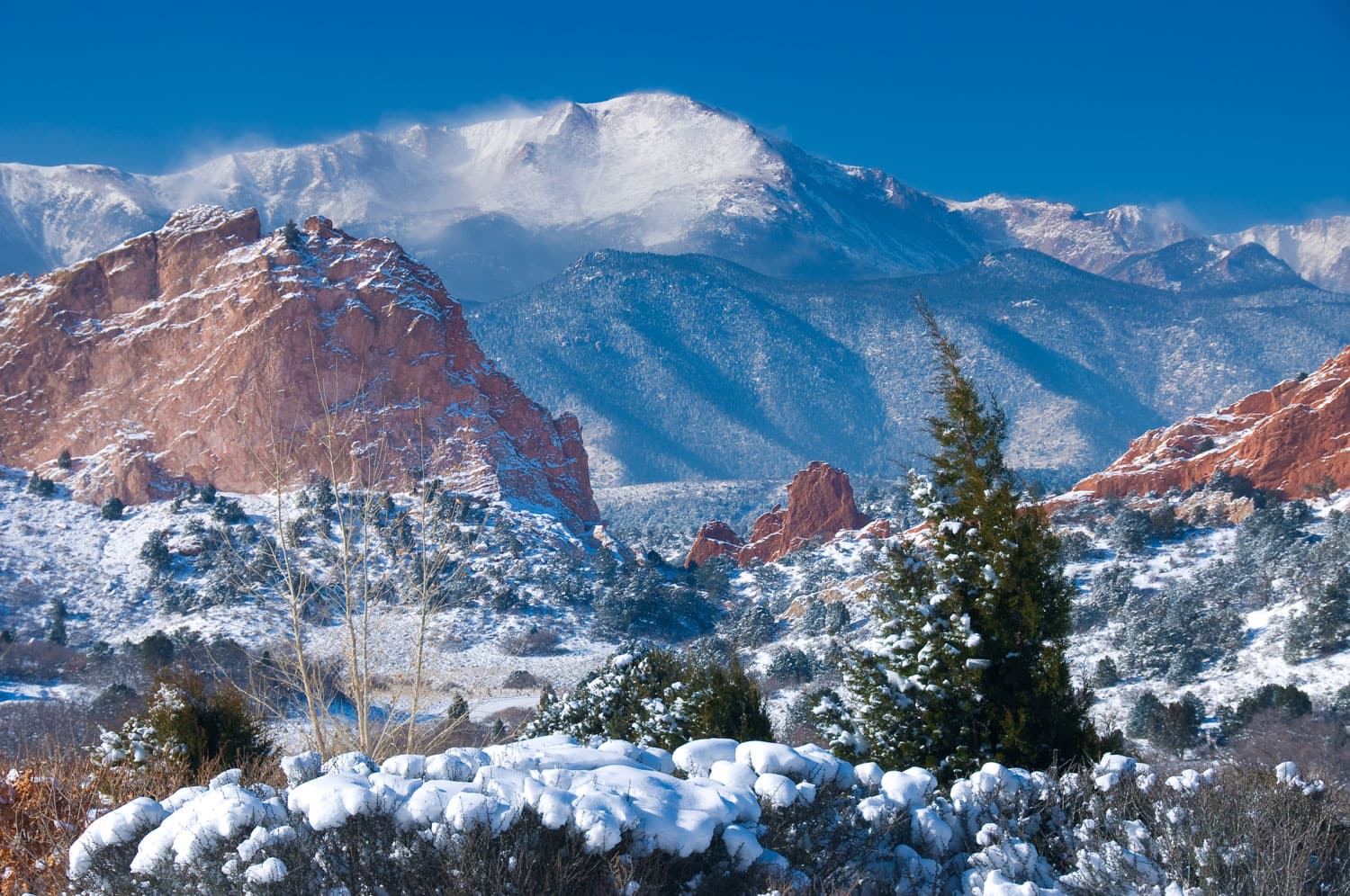
- Scenic Drives: Driving through the surrounding foothills and mountains can be spectacular after a snowfall, provided roads are clear and safe. The drive up to Pikes Peak summit road (when open) offers breathtaking, snow-dusted panoramas.
Accommodation Considerations
When booking your stay, consider the timing of your visit. Early winter (November-December) can offer a mix of crisp, cold weather and potential early snowfalls. Mid-winter (January-February) typically sees the most consistent snow cover. Late winter (March) can still bring significant snow, sometimes with warmer temperatures that lead to a mix of snow and melting.
If your primary goal is to enjoy snow-covered landscapes or participate in winter sports, planning your trip for January or February might be ideal. If you’re hoping for a picturesque but less disruptive winter experience, consider early December or early March, keeping an eye on the forecasts.
Navigating Snowfall: Tips for Enjoying Colorado Springs
Experiencing snow in Colorado Springs can be magical, but it also requires a bit of adaptation.
Embracing the Winter Wonderland
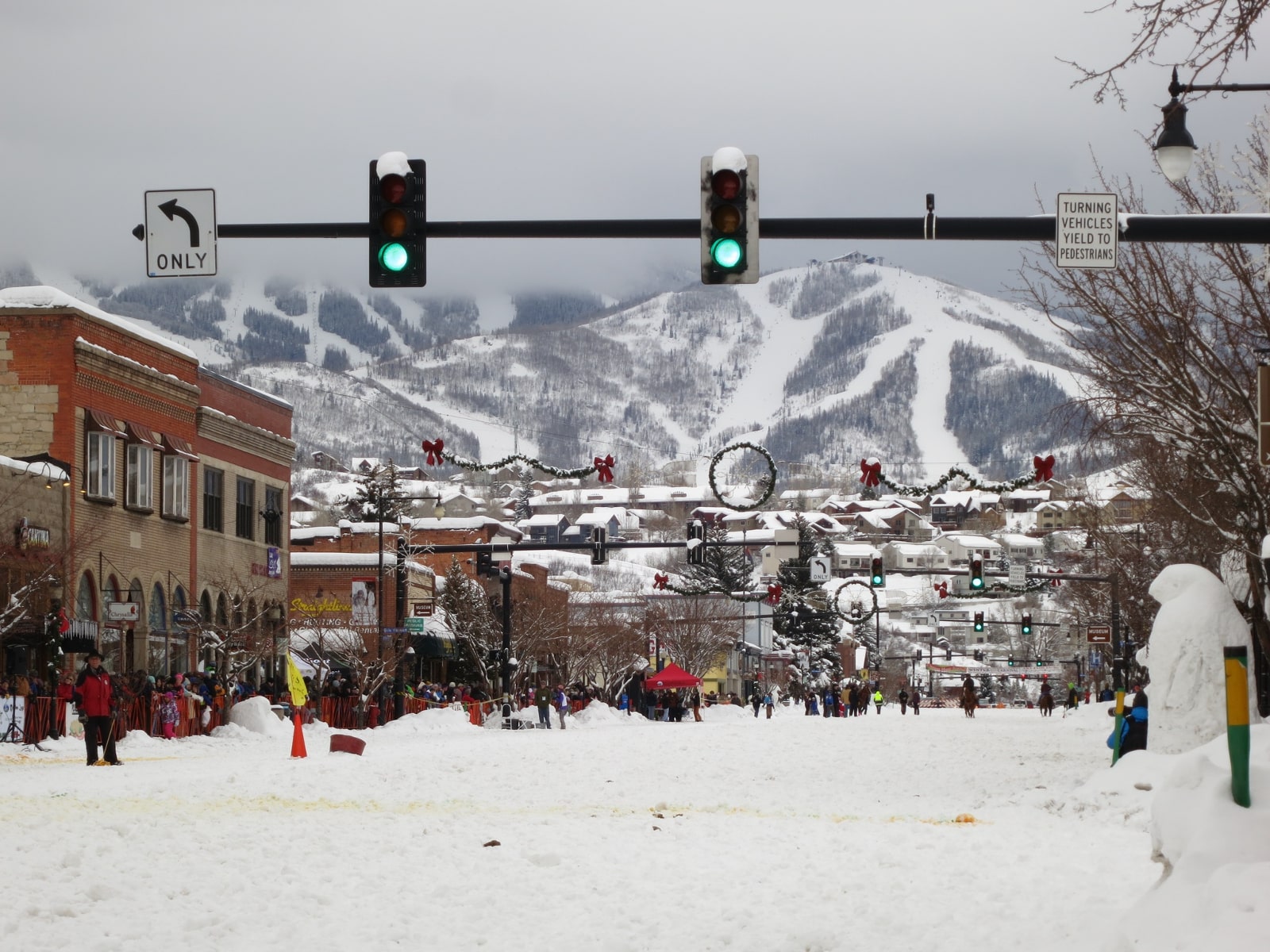
When snow does fall, the city takes on a serene beauty. The iconic red rocks of Garden of the Gods dusted in white, or the snow-capped peaks visible from the city, create unforgettable sights. Embrace the opportunity to capture stunning photographs and enjoy the unique charm of a snowy urban environment.
Staying Informed
The most crucial element of navigating snowfall is staying informed.
- Weather Forecasts: Regularly check local weather forecasts from reputable sources like the National Weather Service or local news channels. Pay attention to storm watches and warnings.
- Road Conditions: Before venturing out, check real-time road conditions. The Colorado Department of Transportation (CDOT) provides detailed information on highway closures and conditions throughout the state.
- Event Cancellations: Winter weather can lead to the cancellation of events, school closings, and business hours. Stay updated through local news, event websites, and social media.
Choosing the Right Time to Visit
If a substantial snowfall is a high priority for your visit, monitoring long-range forecasts and making flexible booking arrangements can be beneficial. Some travelers even book trips with the understanding that weather can influence plans, and they are prepared to adapt their activities based on current conditions. This flexible approach often leads to discovering unexpected gems and enjoying the spontaneous beauty of winter in Colorado Springs.
While we can’t predict the exact number of inches that will fall on any given day, understanding the climate, historical patterns, and contributing factors provides a solid foundation for preparing for and enjoying winter in Colorado Springs. Whether you’re a resident preparing your home or a visitor planning an adventure, a little foresight goes a long way in making the most of this beautiful mountain city’s snowy season.
LifeOutOfTheBox is a participant in the Amazon Services LLC Associates Program, an affiliate advertising program designed to provide a means for sites to earn advertising fees by advertising and linking to Amazon.com. Amazon, the Amazon logo, AmazonSupply, and the AmazonSupply logo are trademarks of Amazon.com, Inc. or its affiliates. As an Amazon Associate we earn affiliate commissions from qualifying purchases.