
The question “Who Is In Jail In California?” might seem straightforward, but for travelers and those interested in the socio-cultural fabric of a destination, it delves into aspects of California that are often overlooked. While not a typical tourist inquiry, understanding the state’s correctional system, its impact on communities, and the sheer scale of its incarcerated population offers a unique lens through which to view the state’s complex identity. This perspective is particularly relevant for those interested in the deeper narratives and realities that shape a place, beyond the sun-drenched beaches and iconic landmarks.

Understanding California’s Correctional Landscape
California‘s correctional system is one of the largest in the nation, encompassing state prisons, county jails, and juvenile detention facilities. The sheer number of individuals under state jurisdiction is staggering, reflecting a complex interplay of legislative policies, societal issues, and law enforcement practices that have evolved over decades. For anyone seeking to grasp the multifaceted nature of California, understanding this significant aspect of its infrastructure and population is crucial. It informs discussions about public policy, community impact, and the human stories that lie beneath the headlines.
The Scale of Incarceration
The California Department of Corrections and Rehabilitation (CDCR) oversees a vast network of facilities designed to house individuals convicted of state-level offenses. These institutions range from maximum-security penitentiaries to facilities offering educational and vocational programs. The daily population within these walls fluctuates, but it consistently represents a significant portion of the state’s demographics. Beyond state prisons, county jails manage individuals awaiting trial, serving shorter sentences, or awaiting transfer to state facilities. This tiered system ensures that a broad spectrum of individuals are under correctional supervision at any given time.
Demographics and Trends
The demographics of those incarcerated in California are as diverse as the state itself, reflecting broader societal patterns. While specific numbers and trends are subject to change based on policy shifts and crime rates, certain demographic groups have historically been disproportionately represented within the correctional system. Examining these trends, often through data released by the CDCR or academic research, can provide insights into systemic issues related to poverty, education, race, and access to resources that contribute to the cycle of incarceration. This demographic understanding is not about judgment but about recognizing the complex social forces at play.
Impact on Communities and Tourism
The presence of correctional facilities, and the population they house, has tangible impacts on communities across California. For travelers, understanding these impacts can enrich their experience by offering a more nuanced view of the places they visit. While not directly related to booking a resort or exploring a national park, this awareness fosters a deeper connection to the social realities that shape the Golden State.
Local Economies and Social Fabric
The correctional system is a significant employer in many California counties, creating jobs and influencing local economies. However, the impact extends beyond employment. The removal of a large number of individuals from communities can affect family structures, social dynamics, and the availability of a workforce. Understanding these ripple effects can add a layer of depth to observations made while traveling through different regions. For instance, towns that host large state prisons often have a unique character shaped by the facility’s presence and the surrounding support infrastructure.
The Unseen Side of Destination Appeal
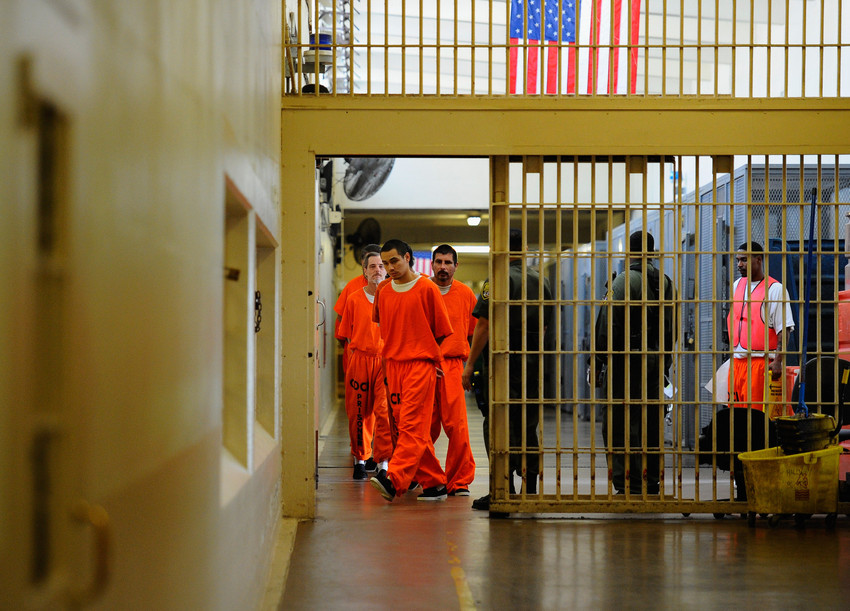
While California is renowned for its tourist attractions like the Golden Gate Bridge, Disneyland, and the sprawling vineyards of Napa Valley, its correctional system represents an unseen, yet significant, aspect of its societal landscape. For the traveler interested in a comprehensive understanding of a destination, acknowledging and learning about these less-visible elements contributes to a more informed and insightful experience. It’s about appreciating the full spectrum of a place, from its celebrated attractions to its challenging realities. This deeper engagement can transform a superficial visit into a more meaningful exploration of California‘s complex narrative.
California’s Correctional System: A Closer Look
The infrastructure and operations of California‘s correctional system are extensive. The California Department of Corrections and Rehabilitation (CDCR) is responsible for the administration of 35 adult institutions, as well as a variety of community correctional facilities and programs. These facilities vary greatly in their security levels, designed to house individuals with different needs and risk assessments.
Types of Correctional Facilities
- State Prisons: These are the primary facilities for individuals convicted of felony offenses and sentenced to state prison. They house the majority of the incarcerated population in California. Examples include San Quentin State Prison, known for its history and location overlooking the San Francisco Bay, and Pelican Bay State Prison, a maximum-security facility.
- County Jails: Operated by individual county sheriffs’ departments, these facilities typically house individuals awaiting trial, serving sentences for misdemeanor offenses, or awaiting transfer to state prison. The size and capacity of county jails vary significantly depending on the county’s population.
- Juvenile Halls and Camps: These facilities are for individuals under the age of 18 who have been convicted of offenses or are awaiting court proceedings. They are managed by county probation departments.
- Conservation Camps: California operates a system of fire and conservation camps, where inmates are trained in firefighting and other conservation work. These camps contribute to environmental efforts across the state.
The Role of Rehabilitation and Reentry
Beyond security, California‘s correctional system has increasingly focused on rehabilitation and successful reentry into society. Programs are offered within facilities to help inmates acquire vocational skills, pursue educational degrees, and address issues such as substance abuse and mental health. The CDCR works with various community organizations to support individuals transitioning back into their communities, aiming to reduce recidivism rates. Understanding these programs offers a more complete picture of the system, moving beyond simple incarceration to encompass efforts at personal and societal restoration.
Engaging with California’s Complex Identity
For the curious traveler, understanding California‘s correctional system is not about visiting prisons, but about appreciating the broader context that shapes the state. It’s about recognizing that behind the allure of Hollywood, the innovation of Silicon Valley, and the natural beauty of Yosemite National Park, lies a complex social structure with significant challenges and ongoing efforts towards improvement.
A More Informed Perspective
When visiting California, whether exploring the vibrant streets of Los Angeles or the historic missions of San Diego, acknowledging the existence and scale of its correctional facilities and the population within them offers a more nuanced and informed perspective. It allows for a deeper understanding of the societal issues that California, like many other states, grapples with. This awareness can foster more thoughtful observations and conversations about the state’s past, present, and future.

Beyond the Surface
True exploration of any destination involves looking beyond the most obvious attractions. While the beaches of Santa Monica and the wine tasting in Sonoma are undoubtedly appealing, understanding the undercurrents of a society – including its justice system – provides a more complete and enriching travel experience. This knowledge can inform how one perceives local communities, understands news and policy debates, and ultimately, forms a more comprehensive picture of California as a dynamic and multifaceted entity. It transforms a tourist from a passive observer to an engaged learner, appreciating the full tapestry of the Golden State.
LifeOutOfTheBox is a participant in the Amazon Services LLC Associates Program, an affiliate advertising program designed to provide a means for sites to earn advertising fees by advertising and linking to Amazon.com. Amazon, the Amazon logo, AmazonSupply, and the AmazonSupply logo are trademarks of Amazon.com, Inc. or its affiliates. As an Amazon Associate we earn affiliate commissions from qualifying purchases.