
California’s Gubernatorial Landscape: A Look at Leadership and Its Impact on Tourism
California, a state renowned for its diverse landscapes, vibrant culture, and economic prowess, is often a focal point of national and international attention. The leadership at its helm, particularly the governor, plays a significant role in shaping the state’s trajectory, including its thriving tourism industry. Understanding who holds this crucial position is not just a matter of political interest, but also has implications for the future development and promotion of California as a premier destination. This exploration delves into the current gubernatorial landscape and considers how leadership transitions can influence the state’s allure for travelers and the infrastructure that supports them.
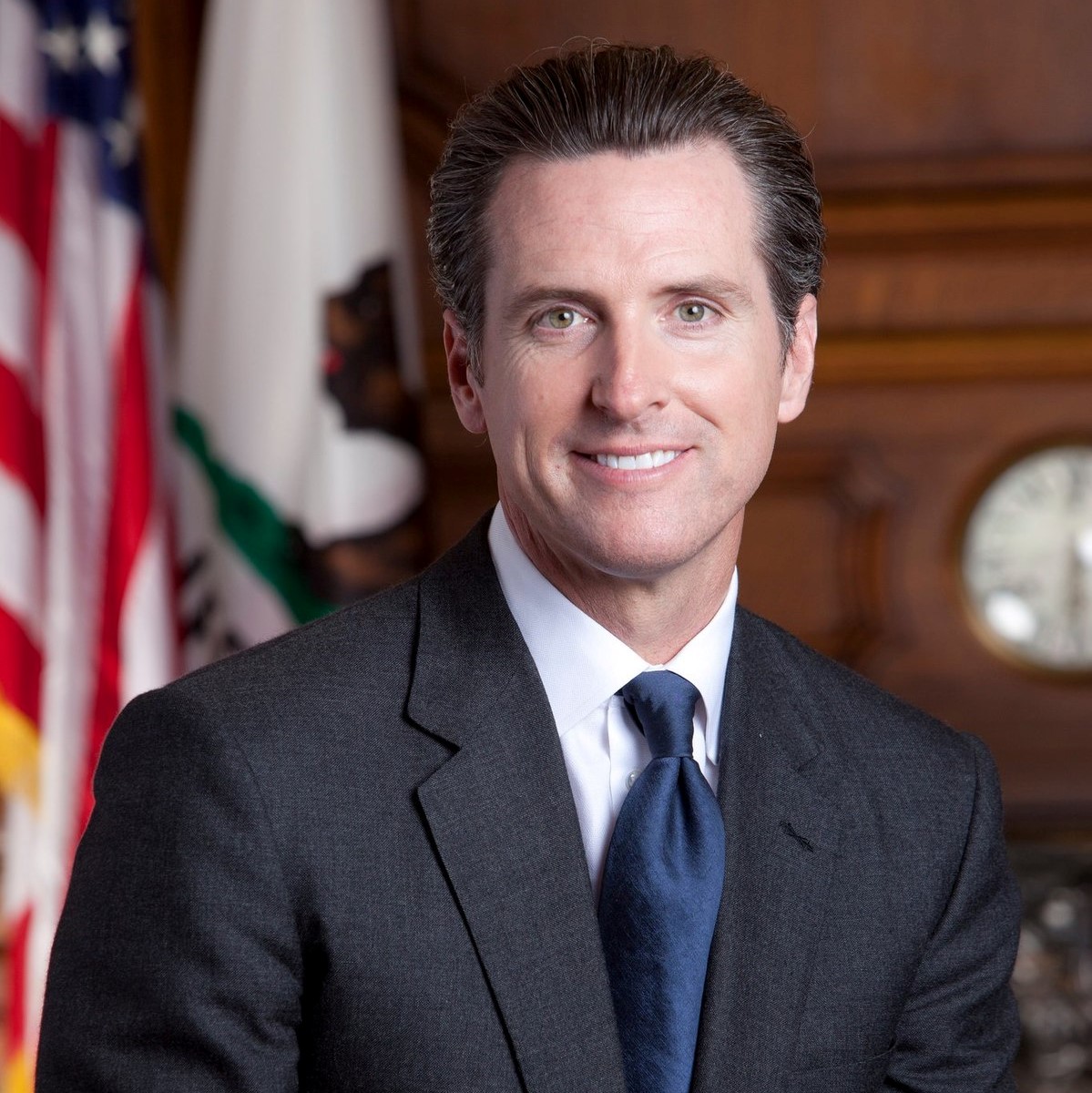
The role of the governor extends far beyond administrative duties. A governor sets the policy agenda, influences budget allocations, and champions initiatives that can either bolster or detract from the state’s appeal as a travel destination. From investing in national and state parks to supporting cultural institutions and promoting economic development that benefits local businesses, a governor’s vision can profoundly impact the experiences of visitors and the livelihoods of those within the tourism sector. For many, California represents a dream destination, offering everything from the iconic beaches of Southern California to the majestic redwood forests of the north, and the world-renowned vineyards of Napa Valley. The policies enacted by the state’s chief executive can therefore be instrumental in preserving these natural wonders, enhancing urban attractions, and ensuring a safe and welcoming environment for all who visit.
Understanding the Gubernatorial Role in Tourism
The governor of California is the chief executive officer of the state government, responsible for implementing and enforcing the laws written by the California State Legislature. This role encompasses a broad spectrum of responsibilities, but for the purposes of tourism, several key areas are particularly relevant:
Policy and Legislation
The governor’s administration proposes and signs into law legislation that can directly affect the tourism industry. This includes measures related to environmental protection, which are critical for preserving California’s natural beauty, from Yosemite National Park to the Pacific Coast Highway. It also involves legislation concerning public safety, infrastructure development such as airports and highways, and regulations impacting businesses, including hotels and restaurants that form the backbone of the visitor experience.
Budgetary Influence
A significant aspect of the governor’s power lies in their influence over the state budget. Allocations for departments responsible for tourism promotion, park maintenance, cultural heritage sites, and transportation infrastructure are all subject to the governor’s proposals and the legislature’s final approval. A governor committed to tourism might advocate for increased funding for the California Travel and Tourism Commission (now Visit California) to market the state’s attractions globally, or for investments in enhancing visitor experiences at state parks.
Economic Development and Promotion
Governors often act as key ambassadors for their state, promoting economic opportunities and attracting investment. This can translate into initiatives that support the growth of the tourism sector, encouraging the development of new attractions, hotels, and related businesses. Their involvement in trade missions and international forums can also help to put California on the map for potential tourists from around the world, highlighting its unique offerings and economic vitality.
The Current Gubernatorial Administration
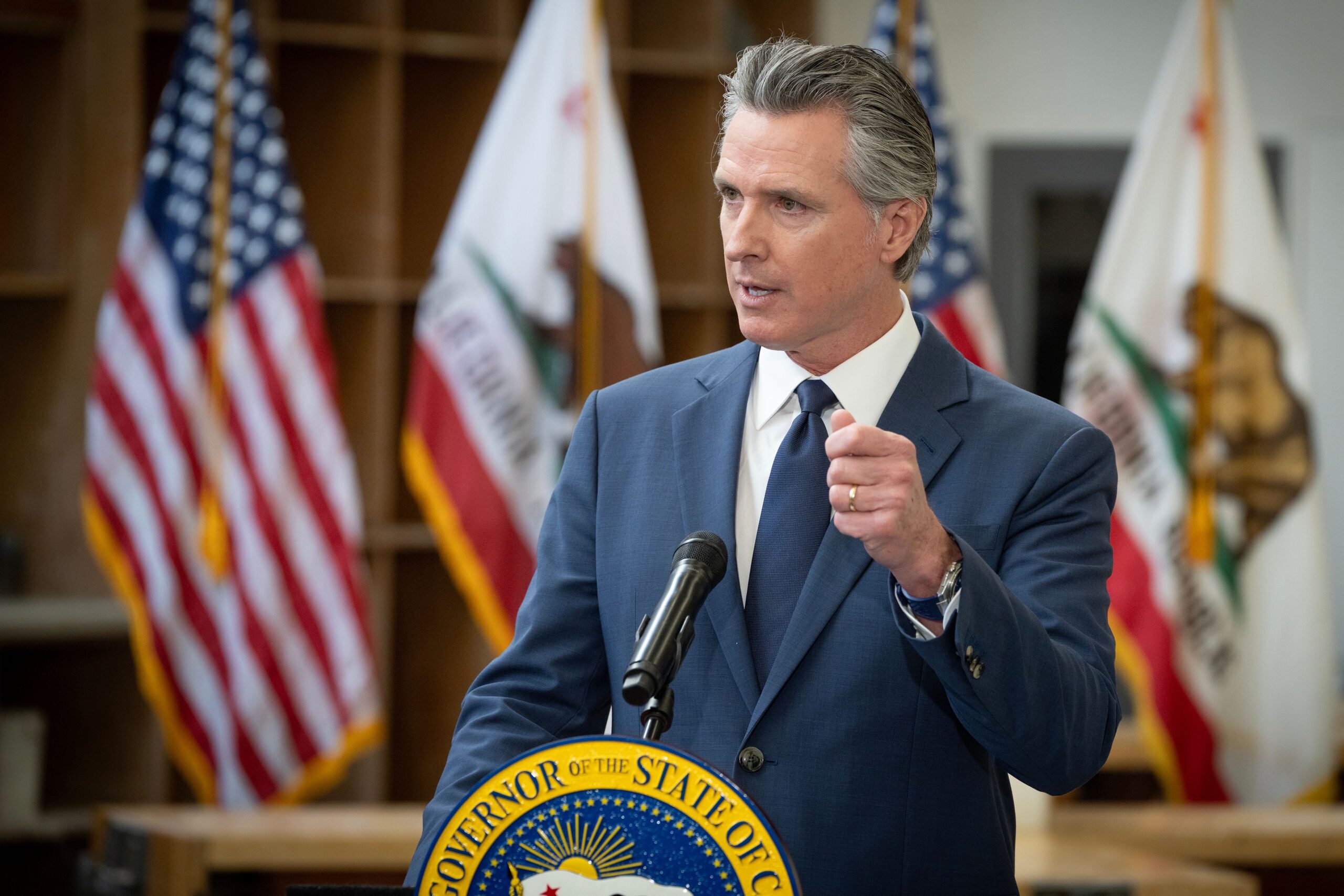
To answer the question “Who Is The New Governor For California?”, it’s important to look at the current political landscape. Gavin Newsom was sworn in as the 40th Governor of California on January 7, 2019. He succeeded Governor Jerry Brown. As of the current writing, Governor Newsom continues to serve in this capacity. His administration has focused on a wide array of issues, many of which have direct or indirect implications for the state’s tourism sector.
Governor Newsom’s Priorities and Their Impact on Tourism
Governor Newsom’s tenure has been marked by a focus on issues such as climate change, housing, healthcare, and economic inequality. While not always explicitly framed through a tourism lens, these priorities have significant reverberations for how California is perceived and experienced by visitors:
Environmental Stewardship
California’s natural beauty is one of its most significant draws for tourists. Governor Newsom has made climate action a central theme of his administration, advocating for policies aimed at reducing greenhouse gas emissions, protecting natural resources, and investing in renewable energy. These efforts are crucial for preserving the state’s iconic landscapes, from the beaches of Malibu to the deserts of Joshua Tree National Park. Sustainable tourism practices, supported by state-level environmental policies, can enhance the long-term viability of these attractions.
Infrastructure and Connectivity
A robust tourism industry relies on efficient and well-maintained infrastructure. Governor Newsom’s administration has overseen efforts to address the state’s infrastructure needs, including transportation networks. Investments in public transit, airport upgrades, and road maintenance are vital for ensuring that visitors can easily and safely access California’s many destinations. Improved connectivity makes it easier for travelers to explore diverse regions, from the bustling urban centers of Los Angeles and San Francisco to the wine country and national parks.
Cultural and Social Vibrancy
California’s cultural landscape is as diverse as its geography. The governor’s policies can support arts organizations, museums, and cultural festivals that are vital components of the state’s tourism offerings. Initiatives that promote social equity and community development can also contribute to a more inclusive and welcoming environment for all visitors, reflecting the state’s progressive values and diverse populations. The emphasis on creating vibrant, livable communities can, in turn, make these places more attractive to explore.
Economic Opportunities and Business Support
While the focus is often on broader economic policies, the governor’s actions can also directly impact the tourism and hospitality sectors. Supporting small businesses, fostering innovation, and creating a favorable business climate are essential for the continued growth of hotels, restaurants, tour operators, and other tourism-related enterprises. The state’s economic health, influenced by gubernatorial leadership, directly affects its ability to invest in and promote its tourism assets.
The Broader Context: Gubernatorial Elections and Tourism Trends
The question of “Who Is The New Governor For California?” often arises during or in the lead-up to gubernatorial elections. Elections are pivotal moments that can signal potential shifts in policy and priorities. When a new governor takes office, stakeholders in the tourism industry, including businesses and destination marketing organizations, often look closely at their platform and initial actions to understand how their vision might impact the sector.
Anticipating Change and Continuity
The transition to a new governor can bring about both continuity and change. Established programs and initiatives that have proven effective in promoting tourism may be continued, while new leaders may introduce fresh perspectives and priorities. For the tourism industry, this means adapting to evolving policies, understanding new strategic directions, and potentially capitalizing on emerging opportunities presented by a new administration.
The Role of Tourism Boards and Industry Associations
While the governor sets the overall direction, dedicated tourism boards and industry associations play a crucial role in advocating for the sector and implementing promotional strategies. These organizations often work closely with the governor’s office and legislative bodies to ensure that the economic and cultural importance of tourism is recognized and supported through appropriate funding and policies. They are instrumental in translating the governor’s vision into tangible benefits for travelers and the industry.

Long-Term Implications for California as a Destination
The leadership in Sacramento has a lasting impact on California’s standing as a global tourism destination. By fostering an environment that values environmental preservation, supports economic growth, and celebrates the state’s rich cultural tapestry, a governor can help ensure that California remains a compelling and unforgettable place to visit for generations to come. The decisions made today by the governor and their administration will shape the future of travel and tourism in the Golden State.
In conclusion, while the political title of “Governor” might seem distant from the personal experience of a vacation, the individual holding this office in California profoundly influences the very essence of what makes the state a desirable travel destination. From the pristine natural parks to the bustling cityscapes and cultural hubs, the governor’s leadership, policies, and vision are inextricably linked to the ongoing success and allure of California as a world-class tourism hotspot. The current governor, Gavin Newsom, and his administration’s focus on sustainability, infrastructure, and cultural enrichment continue to shape this narrative.
LifeOutOfTheBox is a participant in the Amazon Services LLC Associates Program, an affiliate advertising program designed to provide a means for sites to earn advertising fees by advertising and linking to Amazon.com. Amazon, the Amazon logo, AmazonSupply, and the AmazonSupply logo are trademarks of Amazon.com, Inc. or its affiliates. As an Amazon Associate we earn affiliate commissions from qualifying purchases.