
Understanding California’s Safety Net Programs
California, a state renowned for its diverse landscapes, vibrant culture, and economic dynamism, also offers a robust system of support for its residents facing financial hardship. At the heart of this system are various cash aid programs designed to provide a crucial safety net. These programs are not one-size-fits-all; eligibility is carefully determined based on a complex interplay of factors, including income, household size, disability status, and specific circumstances. Navigating these requirements can be daunting, but understanding the core principles is the first step towards accessing much-needed assistance.
The primary goal of cash aid in California is to ensure basic needs are met, thereby promoting stability and well-being for individuals and families. This assistance can be instrumental in bridging gaps during periods of unemployment, illness, or other unforeseen events. For travelers visiting or considering extended stays in the Golden State, understanding these programs, even from an outsider’s perspective, can offer valuable insight into the social fabric and support systems available, particularly if one encounters unexpected financial challenges while abroad. While these programs are primarily for residents, awareness can inform personal preparedness and understanding of the local environment.
Key Programs and Their Objectives
The landscape of cash aid in California is largely shaped by federal and state initiatives, often administered at the county level. These programs aim to achieve different objectives, from providing immediate relief to fostering long-term self-sufficiency.
Temporary Assistance for Needy Families (TANF)
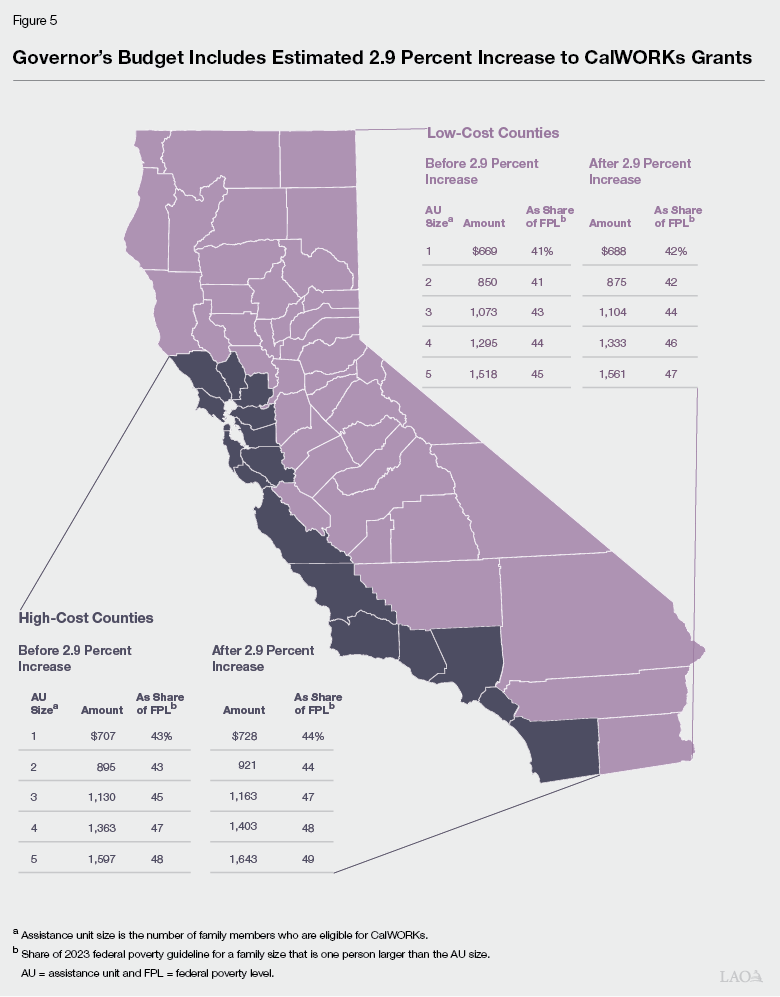
The most prominent cash assistance program is the Temporary Assistance for Needy Families (TANF) program, often referred to as CalWORKs in California. This program provides temporary financial assistance and support services to eligible families with children. Its core objectives are to:
- Provide Financial Support: Cash grants help families cover basic needs like food, housing, and utilities.
- Promote Employment: TANF emphasizes work requirements, job training, and educational opportunities to help recipients achieve self-sufficiency.
- Support Child Well-being: The program aims to ensure children are cared for in safe and stable homes.
Eligibility for TANF is primarily determined by income and asset limits, as well as the presence of children in the household. There are also time limits on how long families can receive cash assistance. The program is designed to be a stepping stone, not a permanent solution, and includes provisions for case management and supportive services to help families transition to stable employment. For families with children experiencing temporary financial distress, this program can be a lifeline, offering not just monetary aid but also guidance and resources to overcome obstacles.
Supplemental Security Income (SSI)
For individuals with disabilities or those who are aged 65 or older and have limited income and resources, the Supplemental Security Income (SSI) program offers a vital source of financial support. Administered by the Social Security Administration at the federal level, but with state supplements in many areas, SSI provides a monthly cash payment to help meet basic needs.
Key aspects of SSI eligibility include:
- Disability: An applicant must have a qualifying disability that prevents them from engaging in substantial gainful activity. For children, this means a medically determinable physical or mental impairment that is expected to last at least 12 months or result in death.
- Age: Individuals must be 65 or older, or blind, or disabled.
- Income and Resource Limits: SSI has strict limits on the amount of income and resources an individual or couple can have.
SSI is crucial for many vulnerable individuals who may not be able to participate in work-related programs. It provides a foundation of financial security, allowing recipients to afford essentials and maintain a degree of independence. For those facing long-term challenges due to age or disability, SSI offers a consistent and essential support.
General Assistance/County Programs
Beyond federal and state-level programs, many California counties offer their own General Assistance (GA) programs, sometimes referred to as General Relief (GR). These programs are typically funded and administered at the county level and are intended to provide a safety net for individuals and families who do not qualify for other public assistance programs.
Eligibility criteria for GA/GR can vary significantly from county to county, but they generally target individuals who are:
- Low-Income: Meeting stringent income requirements.
- Unemployed or Underemployed: Unable to secure sufficient work.
- Not Eligible for Other Programs: Such as TANF or SSI.
These programs often provide a smaller cash benefit than TANF or SSI and may have strict residency requirements. They serve as a final layer of support for those in dire need, offering a minimal level of assistance to prevent absolute destitution. Understanding the specific GA/GR program in the county of residence is essential for individuals who fall through the cracks of larger, more established programs.
Eligibility Criteria: The Pillars of Qualification
The path to receiving cash aid in California is paved with specific eligibility criteria that applicants must meet. These criteria are designed to ensure that assistance reaches those who are most genuinely in need and that program funds are utilized effectively. The core pillars of qualification generally revolve around financial need, household composition, and program-specific requirements.
Financial Need: Income and Asset Limits
The most fundamental criterion for most cash aid programs is financial need. This is typically measured by two key factors: income and assets.
Income Thresholds
Each program has a defined income threshold. Applicants’ gross and net monthly income is scrutinized to determine if it falls below the allowable limit for their household size. This includes income from all sources, such as wages, unemployment benefits, pensions, and other public assistance. The intent is to support individuals and families who are unable to meet their basic needs through their own earnings. For example, in the context of TANF, a family’s total income must be below a certain percentage of the federal poverty level to qualify for cash payments.
Asset Limitations
In addition to income, many programs also have limits on the value of assets an applicant can possess. Assets can include savings accounts, checking accounts, stocks, bonds, and certain real estate holdings. The purpose of asset limits is to ensure that individuals are not hoarding resources while seeking public assistance. However, certain assets are often excluded from consideration, such as the primary residence and a vehicle necessary for transportation. These exclusions recognize that some assets are essential for daily living and maintaining employment.
Household Composition and Circumstances
The composition of the household and specific life circumstances play a significant role in determining eligibility, particularly for programs like TANF.
Presence of Children
Programs like TANF are specifically designed to support families with children. The presence of dependent children under a certain age (typically 18, or 19 if a full-time student) is a prerequisite for many cash assistance programs. This focus underscores the societal priority placed on child welfare and ensuring children have access to basic necessities.
Disability Status
For programs like SSI, a documented disability is a primary eligibility factor. This requires a rigorous assessment of the individual’s medical condition and its impact on their ability to work or perform daily activities. The definition of disability is often stringent and requires substantial medical evidence.
Age
As mentioned, programs like SSI have age-related eligibility criteria, specifically for individuals aged 65 and older who meet other financial and resource requirements.
Residency and Citizenship Status
To qualify for cash aid in California, applicants must generally be residents of the state. This typically involves demonstrating a clear intent to reside in California and living in the state for a specific period. Furthermore, citizenship or legal immigration status is usually a requirement. Legal permanent residents, refugees, and certain other qualified non-citizens may be eligible, but specific rules apply, and these can vary based on the program and immigration status.
Navigating the Application Process
Successfully obtaining cash aid in California requires a thorough understanding of the application process and a commitment to providing accurate and complete information. Each program has its own distinct application procedures, but common steps and considerations apply across the board.
Where to Apply and What to Expect
The application process typically begins at the county level. For TANF and GA/GR programs, individuals will need to contact their local county social services agency. For SSI, the application is submitted through the Social Security Administration.
Initial Inquiry and Application Submission
The first step often involves an initial inquiry, either by phone, in person, or through an online portal. Case workers will guide applicants through the process, explaining the required documentation and helping them complete the application forms. It is crucial to be prepared with comprehensive personal information, including identification, proof of income, bank statements, medical records (if applying for disability benefits), and details about household members.
Verification and Documentation
Once the application is submitted, the county or federal agency will begin the verification process. This involves reviewing all submitted documents and may require additional information or interviews. Applicants are expected to cooperate fully with this process and provide any requested documentation promptly. Accuracy and honesty are paramount, as providing false information can lead to disqualification and potential legal consequences.
Interviews and Case Management
Many programs involve interviews with case workers. These interviews serve to clarify information, assess needs more deeply, and determine eligibility. For programs like TANF, which emphasize employment and self-sufficiency, case managers will also discuss available services, such as job training, education, and childcare assistance. Ongoing case management is a key component, with regular check-ins and progress reviews to ensure recipients are on track to meet program goals.
Potential Challenges and Tips for Success
The application process can be lengthy and complex, and applicants may encounter various challenges. Being prepared and proactive can significantly increase the chances of a successful outcome.
Gathering Essential Documentation
One of the biggest hurdles is gathering all the necessary documentation. It is advisable to start collecting these documents as early as possible. This may include:
- Identification: Driver’s license, state ID, passport, Social Security card.
- Proof of Income: Pay stubs, unemployment benefit statements, pension statements, tax returns.
- Proof of Assets: Bank statements, investment account statements.
- Proof of Household Composition: Birth certificates, Social Security cards for all household members.
- Medical Records: For disability-based applications.
- Proof of Residency: Utility bills, lease agreements.
Understanding Program Rules and Deadlines
Each program has its own set of rules, regulations, and deadlines. It is essential to thoroughly understand these to avoid mistakes or missed opportunities. Applicants should ask questions and seek clarification from case workers whenever unsure. Keeping a record of all communications, including dates, names of individuals spoken to, and important decisions, can also be beneficial.
Persistence and Seeking Assistance
The application process can be frustrating, and rejections can occur. Persistence is key. If an application is denied, applicants have the right to appeal. Understanding the appeals process and gathering any additional evidence to support the claim can be crucial. Furthermore, numerous non-profit organizations and community advocacy groups in California offer free assistance and guidance to individuals navigating the complex welfare system. Reaching out to these resources can provide invaluable support and expertise.
Beyond Cash Aid: Support Services and Pathways to Stability
While direct cash assistance forms the backbone of California’s safety net, the state also recognizes that sustainable well-being often requires more than just financial aid. A comprehensive network of support services is available to complement cash assistance programs and empower individuals and families to achieve long-term stability and independence. These services are integral to the philosophy of many aid programs, particularly TANF, which actively seeks to address the root causes of financial hardship.
Employment and Training Initiatives
For many recipients, particularly those in TANF, the ultimate goal is to secure stable employment. To facilitate this, California offers a range of employment and training services.
Job Search Assistance and Placement
County social services agencies often partner with workforce development boards and employment centers to provide job search assistance. This can include resume writing workshops, interview coaching, job leads, and even direct placement services. The aim is to connect individuals with suitable employment opportunities that match their skills and experience.
Vocational Training and Education
For those who require new skills or further education to enter or advance in the workforce, various training and educational programs are available. These might include vocational training in high-demand fields, community college courses, or GED preparation. These initiatives are designed to equip individuals with the qualifications needed for better-paying and more stable jobs.
Support for Work-Related Expenses
Recognizing that entering the workforce can incur immediate costs, programs often provide assistance with work-related expenses. This can include help with transportation, work clothing, tools, and even childcare subsidies, all of which are critical for individuals to successfully transition into and maintain employment.
Childcare and Family Support Services
Family well-being is a central concern for many cash aid programs, and comprehensive support for children and families is therefore essential.
Childcare Subsidies
Affordable and accessible childcare is a significant barrier for many parents seeking to work or attend training. California offers various childcare subsidy programs to help families cover the cost of licensed childcare providers. These subsidies can make it feasible for parents to pursue employment or education, knowing their children are in safe and nurturing environments.
Nutritional Assistance and Housing Support
Beyond direct cash aid, other essential needs are often addressed through supplementary programs. The Supplemental Nutrition Assistance Program (SNAP), known as CalFresh in California, provides food assistance to low-income individuals and families. Housing support services, including rental assistance and homeless prevention programs, are also critical components of the state’s support system, helping to ensure that families have stable and secure housing.
Health and Mental Health Services
The health and well-being of individuals are foundational to their ability to thrive. Access to healthcare and mental health services is often integrated into or coordinated with cash aid programs.
Medi-Cal Coverage
Many cash aid recipients automatically qualify for Medi-Cal, California’s state-run health insurance program. Medi-Cal provides comprehensive medical, dental, and vision coverage, ensuring that individuals and families can access necessary healthcare services without undue financial burden. This is particularly vital for those with chronic health conditions or disabilities.

Mental Health Support
Mental health challenges can significantly impact an individual’s ability to work and maintain stability. Many social services agencies offer or can refer individuals to mental health services, including counseling, therapy, and support groups. Addressing mental health needs is an integral part of a holistic approach to supporting individuals and families.
By offering a robust array of interconnected support services, California strives to move beyond simply providing temporary financial relief. The ultimate objective is to empower individuals with the tools, resources, and support necessary to achieve lasting self-sufficiency, economic independence, and overall well-being, creating stronger individuals, families, and communities across the state.
LifeOutOfTheBox is a participant in the Amazon Services LLC Associates Program, an affiliate advertising program designed to provide a means for sites to earn advertising fees by advertising and linking to Amazon.com. Amazon, the Amazon logo, AmazonSupply, and the AmazonSupply logo are trademarks of Amazon.com, Inc. or its affiliates. As an Amazon Associate we earn affiliate commissions from qualifying purchases.