
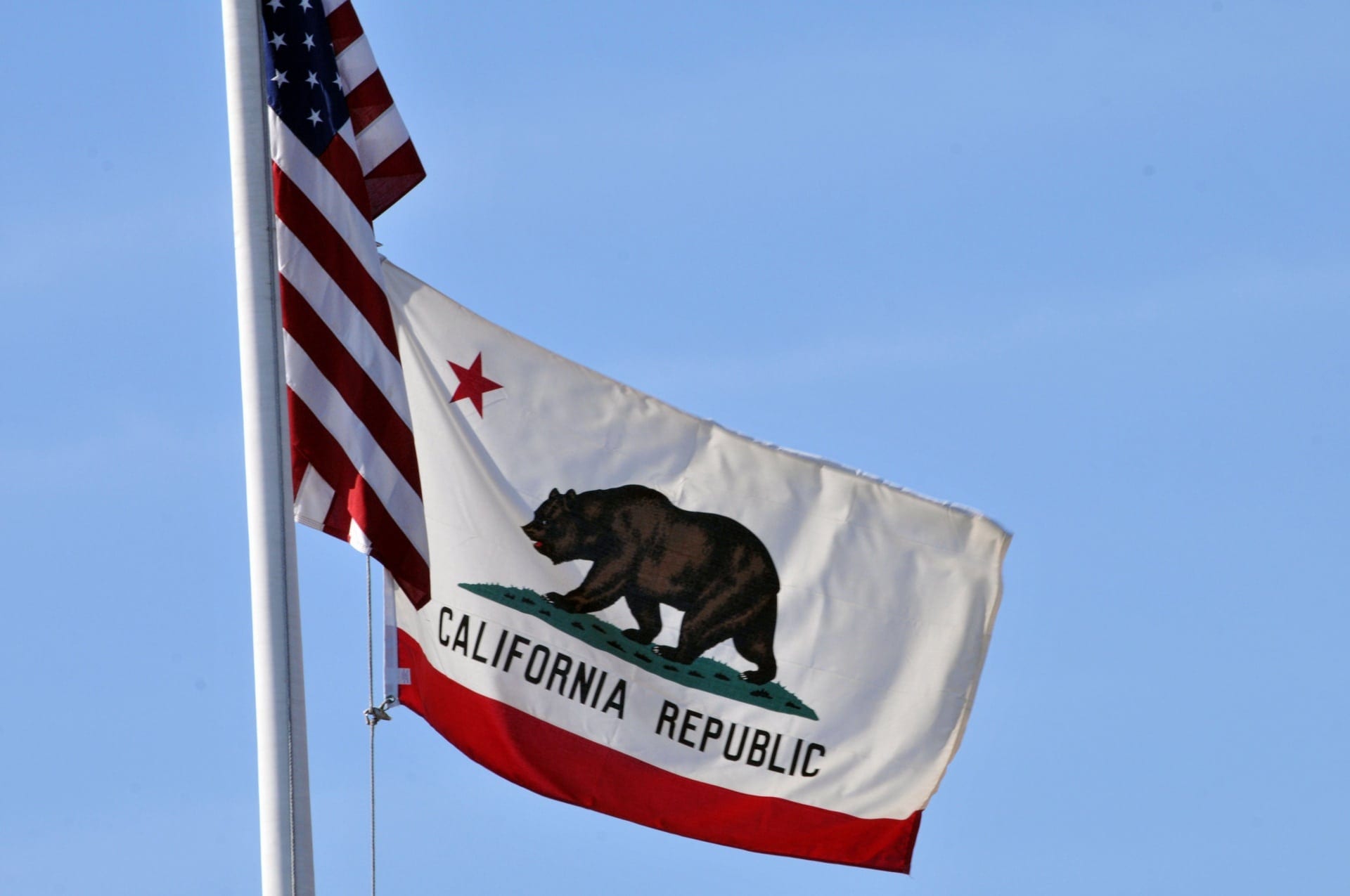
The sight of a flag flying at half-mast is a somber signal, universally recognized as a sign of mourning and respect. When the Californian state flag is lowered to this position, it prompts many residents and visitors alike to question the reason behind this solemn display. Understanding these instances is crucial for appreciating the cultural and historical context of California and its relationship with national and state tributes. This practice, while seemingly simple, carries significant weight and often reflects moments of national or state tragedy, profound loss, or commemoration of significant historical events.
Understanding the Protocols of Mourning
The practice of lowering flags to half-mast, or half-staff as it is technically known for pole-mounted flags, is governed by strict protocols. These protocols dictate when and why flags should be lowered, ensuring a consistent and respectful observance across the nation and within individual states.
Presidential Proclamations and Executive Orders
The most common reason for national flags being flown at half-mast is a proclamation by the President of the United States. These proclamations can be issued for several reasons:
- Death of a President or Former President: Upon the death of a sitting president or a former president, the U.S. flag is immediately flown at half-mast nationwide and kept that way for 30 days.
- Death of Other Dignitaries: The President may also order the flag flown at half-mast for a period following the death of other prominent national figures, such as Vice Presidents, Supreme Court justices, Speaker of the House, or cabinet members.
- National Tragedy: In times of national tragedy, such as major terrorist attacks or significant natural disasters that result in substantial loss of life, the President can order flags to be flown at half-mast as a mark of respect for the victims.
- Memorial Days: Certain days, like Memorial Day and Pearl Harbor Remembrance Day, have specific times designated for the flag to be flown at half-mast. On Memorial Day, the flag is flown at half-mast until noon and then raised to full-staff, symbolizing the nation’s remembrance of those who died while serving and its continuing resilience.
State-Level Proclamations
While presidential proclamations affect the entire nation, individual states can also issue their own directives for lowering state flags. These state-level proclamations often mirror national protocols but can also be specific to events impacting the state.
- Death of State Officials: The Governor of California can order the state flag to be flown at half-mast in remembrance of a current or former governor, or other significant state officials.
- State-Specific Tragedies: If a significant tragedy occurs within California that results in substantial loss of life or has a profound impact on the state, the Governor may order the state flag to be lowered. This could include events like major wildfires, earthquakes, or acts of violence that deeply affect the community.
- Commemoration of State History: Sometimes, the flag might be lowered to commemorate anniversaries of significant historical events relevant to California or to honor fallen state heroes.
When in Doubt: The Position of the Flag
It’s important to remember that when a flag is flown at half-mast, the U.S. flag takes precedence. If the U.S. flag is ordered to half-mast, state and organizational flags should also be lowered to half-mast. If only the state flag is ordered to half-mast, the U.S. flag remains at full-staff, unless otherwise directed.
Recent Occurrences and Potential Reasons
Given the title “Why Are California Flags At Half Mast Today?”, the most immediate implication is that there has been a recent event or announcement that triggered such a directive. Without specific real-time news, we can explore the most probable reasons based on historical patterns and ongoing events that frequently lead to such observances.
Honoring Fallen Heroes and Public Servants
A common reason for flags to be lowered is the death of individuals who have served the public with distinction.

- Law Enforcement Officers and First Responders: Tragically, California has seen numerous instances where flags are flown at half-mast to honor fallen police officers, firefighters, and other first responders who have lost their lives in the line of duty. These individuals put their lives on the line daily to protect communities, and their sacrifice is often marked by this solemn tribute.
- Military Personnel: While often coordinated with national directives, specific deployments or casualties involving service members from California might also lead to state-level observances.
- Elected Officials and Public Figures: As mentioned earlier, the passing of high-ranking state officials or widely respected public figures within the state can also prompt the Governor to order the flag to half-mast.
Responding to Tragic Events
California, like any large and populous state, can be affected by events that evoke widespread grief and require a period of national or state remembrance.
- Mass Shootings and Acts of Violence: In the unfortunate event of a mass shooting or a significant act of violence impacting a community within California, flags are often lowered in solidarity with the victims and their families, and as a symbol of collective mourning.
- Natural Disasters: While not always directly tied to flag-lowering ceremonies, profound natural disasters that cause widespread devastation and loss of life, such as severe earthquakes or devastating wildfires, can sometimes be accompanied by gestures of respect like flying flags at half-mast, especially in the immediate aftermath.
- National Tragedies Affecting Californians: If a national tragedy occurs that has a significant number of victims from California, the state might observe the national directive for half-mast flags, or even issue its own as a specific acknowledgment.
Commemorating Significant Dates
Beyond immediate tragedies, flags are also lowered on specific dates to commemorate historical events or honor specific groups.
- Peace Officers Memorial Day: Observed on May 15th, this day honors law enforcement officers killed in the line of duty. Flags are typically flown at half-mast.
- Memorial Day: As noted, the flag is flown at half-mast until noon on the last Monday in May.
- September 11th: On September 11th each year, flags are flown at half-mast nationwide to remember the victims of the terrorist attacks in 2001.
- Specific Anniversaries: Depending on the historical significance, the Governor might order flags to be lowered to commemorate specific anniversaries of events pivotal to California’s history or national events that deeply resonated within the state.
How to Stay Informed
When you observe the California flag at half-mast, it’s natural to seek information. Several reliable sources can provide clarity.
Official Government Websites
The most authoritative sources for information on flag status are official government channels.
- Governor’s Office Website: The official website of the Governor of California is often the first place where state-specific directives for lowering the flag are announced. This might include press releases or official proclamations.
- Local Government Websites: For flags at half-mast in specific cities or counties within California, local government websites or official social media accounts may provide localized information.
- Federal Government Websites: For national observances, the White House website and the U.S. Department of Defense website are excellent resources for presidential proclamations.
News Outlets
Reputable news organizations, both at the state and national level, will report on significant events that lead to flags being flown at half-mast. Following major news outlets, especially during times of national or regional concern, can provide timely updates.
Public Displays and Notifications
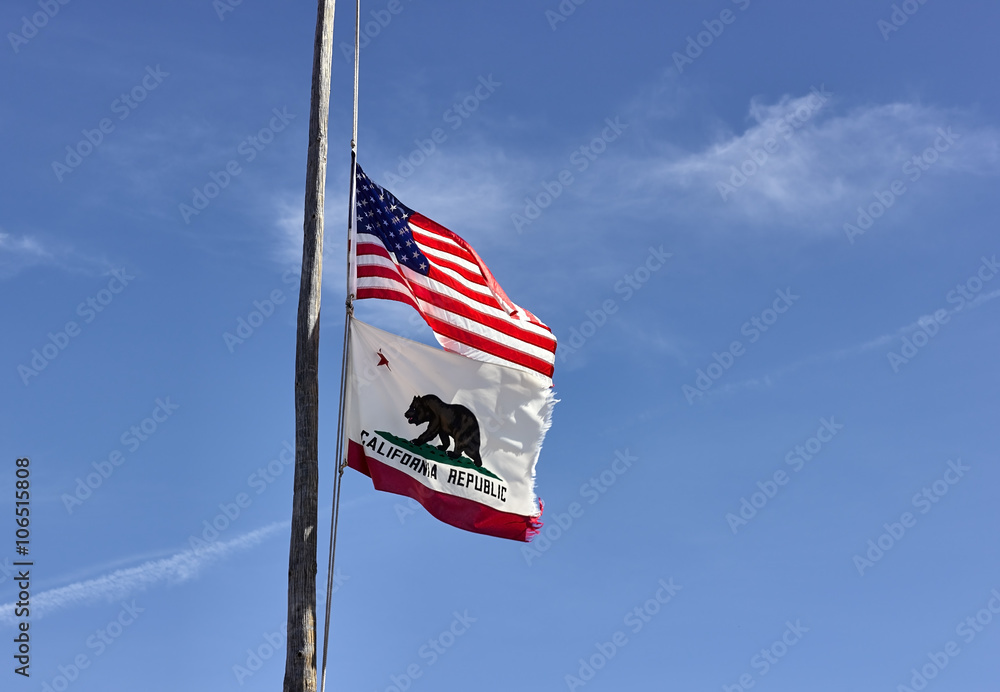
While not official sources of notification, public buildings, courthouses, and even some businesses that fly flags will observe these directives. If you see a flag at half-mast, it’s a strong indicator that a significant event or commemoration is underway.
In conclusion, the lowering of the California flag is a powerful visual cue that reflects a collective moment of remembrance, respect, or sorrow. Whether prompted by a presidential proclamation, a gubernatorial order, or a specific commemoration, understanding the protocols behind this practice enriches our appreciation for the solemn traditions that shape our public spaces and our shared sense of community.
LifeOutOfTheBox is a participant in the Amazon Services LLC Associates Program, an affiliate advertising program designed to provide a means for sites to earn advertising fees by advertising and linking to Amazon.com. Amazon, the Amazon logo, AmazonSupply, and the AmazonSupply logo are trademarks of Amazon.com, Inc. or its affiliates. As an Amazon Associate we earn affiliate commissions from qualifying purchases.