
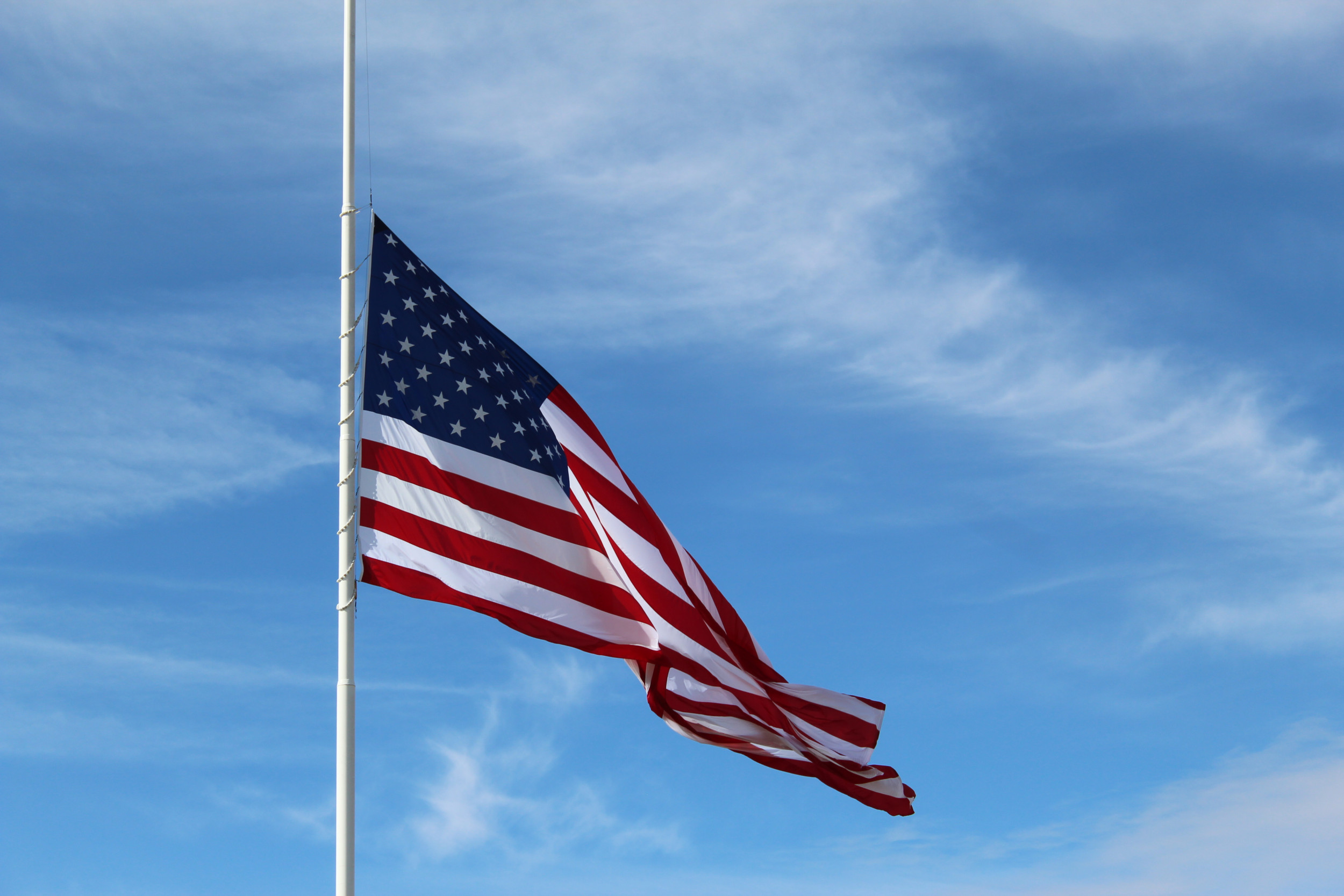
The sight of flags flying at half-mast is a solemn and universally recognized symbol of mourning. In California, this practice is observed with deep respect, marking moments of collective grief and remembrance. Understanding the reasons behind this tradition provides insight into the state’s cultural and political landscape, and how it honors significant events and individuals.
Understanding the Protocol of Half-Mast
The tradition of lowering a flag to half-mast, also known as half-staff, is a practice with deep historical roots, often associated with naval customs. The precise interpretation of “half-mast” versus “half-staff” can vary, but generally refers to positioning the flag at a distance equal to the flag’s own width below the peak of the staff. This is done to signify sorrow, respect, or as a mark of honor for deceased individuals.

Official Proclamations and Executive Orders
In the United States, the authority to order flags to fly at half-mast rests with the President for national observances and with state governors for state-specific observances. When the Governor of California issues a proclamation for flags to be lowered, it is typically in response to specific events or the passing of prominent figures. These proclamations are guided by federal law, state law, and established protocol.
The typical protocol dictates that flags should be flown at half-mast on federal buildings and military installations on designated days, such as Memorial Day and Patriot’s Day. However, governors have the discretion to extend this honor to state buildings and facilities within their jurisdiction. For instance, after a significant tragedy or the death of a former governor, the Governor of California might issue an executive order directing all state buildings in California to lower their flags. This ensures a unified show of respect across the state.
The duration of the half-mast observance is also specified in the proclamation. It could be for a single day, a period of days, or until sunset on the day of interment for a departed dignitary. This structured approach ensures that the act of remembrance is consistent and clearly communicated.
Honoring Fallen Heroes and Public Servants
One of the most common reasons for flags to be flown at half-mast in California is to honor members of the military, law enforcement officers, firefighters, and other public servants who have lost their lives in the line of duty. This solemn gesture serves as a profound tribute to their sacrifice and dedication to public service.
Law Enforcement and First Responders
When a police officer, sheriff’s deputy, firefighter, or any first responder dies in the line of duty in California, it is customary for flags at government buildings, police stations, and firehouses to be lowered to half-mast. This can be a local or statewide directive, depending on the individual’s rank and the circumstances of their death. These acts are not just symbolic; they are a public acknowledgment of the risks these individuals undertake daily to ensure the safety and well-being of citizens. The community often rallies around the families of the fallen, and the flags serve as a constant visual reminder of the collective sorrow and gratitude.
Military Personnel
While federal law mandates flag observance for national holidays and the death of national figures, state governors can also order flags to half-mast in honor of California residents serving in the armed forces who have died during active duty. This extends the respect beyond federal mandates, acknowledging the sacrifices of the state’s own citizens in defense of the nation. Such proclamations often coincide with funeral services or memorial events for the fallen service members, offering a visible sign of state-level mourning and support for their families and comrades.
Commemorating National Tragedies and State Disasters
California has experienced its share of national tragedies and devastating natural disasters. In these somber moments, the lowering of flags serves as a collective expression of grief, solidarity, and remembrance for the victims.

National Events
Following major national tragedies, such as terrorist attacks, mass shootings, or significant natural disasters occurring elsewhere in the nation, the President of the United States will often issue a proclamation ordering flags to fly at half-mast nationwide. The Governor of California will then typically issue a concurrent order for state facilities, ensuring that California joins the rest of the country in this period of mourning. These events, though not occurring within the state, profoundly affect its residents, and the half-mast flags serve as a visual cue for shared empathy and a call for unity.
State-Specific Disasters
When devastating events strike California itself, such as major earthquakes, widespread wildfires, or severe floods, the Governor may order flags to be flown at half-mast as a mark of respect for the victims and as a symbol of the state’s grief. These periods of observance can last for several days, reflecting the severity of the loss and the ongoing recovery efforts. The visual of flags at half-mast across the state can offer a sense of shared experience and collective resilience during times of immense hardship. For example, during the intense wildfire seasons that have affected areas like the Sierra Nevada or Southern California, the lowering of flags serves as a poignant reminder of the lives and communities impacted.
Honoring Prominent Figures and Dignitaries
The death of a prominent figure, whether a former governor, a distinguished statesman, or a beloved cultural icon, often prompts the Governor of California to order flags to half-mast. This practice extends beyond political figures to individuals who have made significant contributions to the state or the nation.
Former Governors and State Leaders
The passing of a former Governor of California is almost invariably met with an order to fly flags at half-mast. This is a standard practice across the United States for former heads of state and governors, recognizing their service and leadership. The duration of this observance is typically defined by protocol, often lasting from the day of death until interment. This shows a deep respect for the office and the individual who held it, acknowledging their role in shaping the state’s history.
Notable Californians and National Figures
Beyond elected officials, the Governor of California may choose to order flags to half-mast in honor of other notable Californians or nationally recognized figures whose passing has deeply impacted the state. This could include influential artists, scientists, civil rights leaders, or philanthropists. The decision to do so often reflects the individual’s widespread recognition and the profound impact of their contributions. For instance, the passing of a renowned actor with deep ties to Hollywood or a Nobel laureate from a California university might trigger such an order, signifying the state’s appreciation for their legacy.
The Significance of Half-Mast in California
The observance of flags at half-mast in California is more than just a procedural act; it is a powerful cultural and civic expression. It serves as a visible cue for the public to reflect on moments of loss, sacrifice, and collective memory.
A Symbol of Unity and Shared Experience
When flags are lowered across California, it creates a sense of shared experience and unity among its diverse population. It is a moment when the state collectively pauses to acknowledge a loss or honor a significant event. This practice transcends political divides and cultural differences, offering a common ground for remembrance and empathy. Whether in a bustling metropolis like Los Angeles or a quiet rural town, the sight of the flag at half-mast provides a somber visual reminder of shared values and collective sentiment.
Encouraging Reflection and Remembrance
The act of flying a flag at half-mast encourages reflection and remembrance. It prompts citizens to consider the individuals or events being honored, fostering a deeper understanding of their significance. This is particularly true for national holidays like Memorial Day, where the lowered flag serves as a stark reminder of the sacrifices made by members of the armed forces. Similarly, during periods of mourning for victims of tragedy, the flags invite contemplation on the fragility of life and the importance of community support. This civic ritual reinforces the state’s commitment to remembering its past and honoring those who have shaped its present. The tradition also extends to landmarks like the Golden Gate Bridge, where observance might be marked in relevant public spaces.
In conclusion, the instances of flags flying at half-mast in California are deliberate and meaningful acts. They are guided by established protocols and reflect the state’s dedication to honoring sacrifice, mourning loss, and commemorating individuals and events of profound significance. This tradition serves as a vital, visible symbol of California’s civic consciousness and its capacity for collective empathy.
LifeOutOfTheBox is a participant in the Amazon Services LLC Associates Program, an affiliate advertising program designed to provide a means for sites to earn advertising fees by advertising and linking to Amazon.com. Amazon, the Amazon logo, AmazonSupply, and the AmazonSupply logo are trademarks of Amazon.com, Inc. or its affiliates. As an Amazon Associate we earn affiliate commissions from qualifying purchases.