
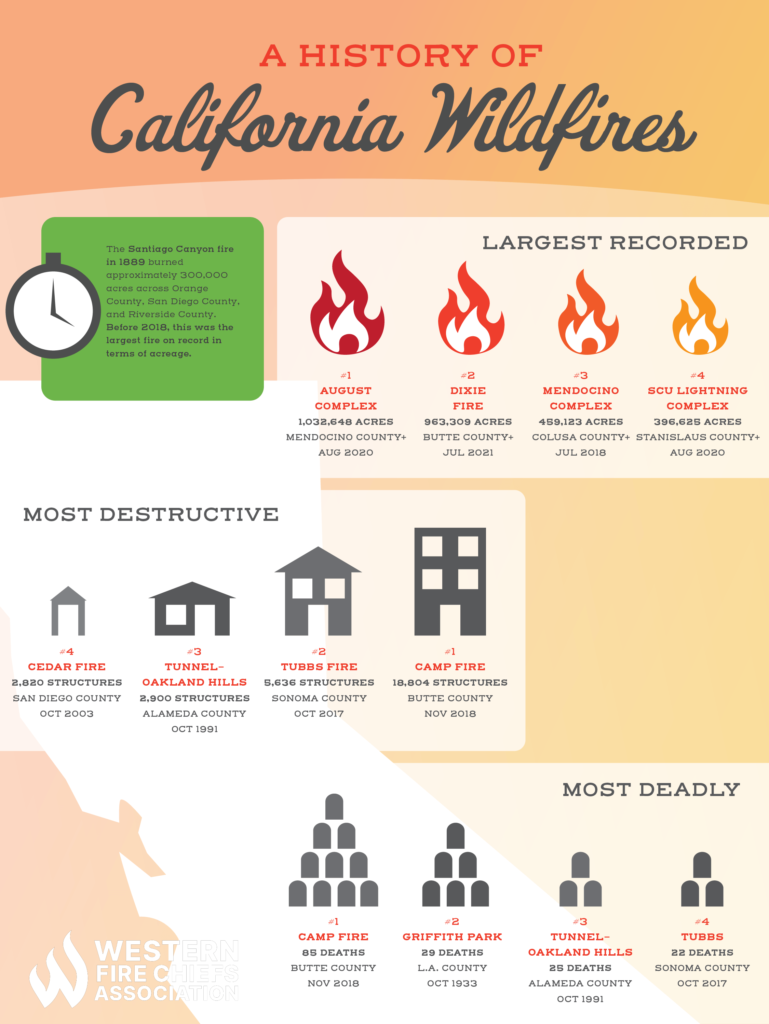
California, a state synonymous with sunshine and stunning natural beauty, is also increasingly known for its dramatic and often devastating wildfires. These infernos, which have grown in size and intensity in recent decades, are not a new phenomenon but rather a complex interplay of natural conditions and human influences. Understanding the root causes is crucial for appreciating the challenges faced by this iconic American landscape and for navigating the unique experiences it offers travelers.
The Natural Conditions: A Recipe for Fire
California’s geography and climate have long created an environment conducive to fire. The state’s Mediterranean climate, characterized by hot, dry summers and mild, wet winters, results in a natural build-up of dry vegetation that acts as fuel for fires.

Dry Seasons and Fuel Accumulation
The prolonged dry season, typically from May through October, sees minimal rainfall. This lack of precipitation dries out grasses, shrubs, and trees across the state, making them highly flammable. Over many years, this dry vegetation accumulates, creating vast quantities of combustible material. This is particularly true in the state’s numerous wildland-urban interface (WUI) areas, where human development encroaches upon natural landscapes.
Topography and Wind Patterns
California’s varied topography plays a significant role. Steep canyons and mountainous terrain can accelerate fire spread, as flames move uphill with greater speed. Furthermore, specific wind patterns, such as the Santa Ana winds in Southern California and the Diablo winds in Northern California, are notorious for fanning the flames. These offshore winds are hot, dry, and can reach hurricane force, pushing fires through vegetation at alarming rates and often towards populated areas. The impact of these winds can transform a manageable brush fire into an uncontrollable conflagration within hours, posing immense challenges for firefighters and impacting popular tourist routes and destinations.
Lightning Strikes
While human ignition is the primary cause of most wildfires, lightning strikes are a significant natural ignition source, especially in remote, mountainous areas. Dry lightning, where lightning occurs without accompanying rain, is particularly dangerous as it can ignite dry vegetation without providing any immediate fire suppression.
Human Influences: Amplifying the Risk
While natural conditions set the stage, human activities have undeniably amplified the frequency and severity of wildfires in California. These influences range from historical land management practices to modern infrastructure and population growth.
Historical Fire Suppression Policies
For much of the 20th century, a policy of aggressive fire suppression dominated. The idea was to extinguish all fires quickly, regardless of size. While seemingly logical, this approach prevented the natural, low-intensity fires that historically cleared out undergrowth and reduced the amount of fuel available for larger, more destructive fires. This “fire deficit” has led to an accumulation of dense vegetation, creating a tinderbox effect that makes subsequent fires far more intense and difficult to control. Ironically, the very act of trying to prevent fires has contributed to the larger fires seen today.
Climate Change and Warming Temperatures
The scientific consensus points to climate change as a major driver of increased wildfire risk in California. Rising global temperatures lead to hotter, drier conditions across the state. Longer, more severe droughts dehydrate vegetation further, making it more susceptible to ignition and rapid spread. Increased frequency and intensity of heatwaves contribute to these desiccating conditions, creating a prolonged fire season. This environmental shift directly impacts the natural beauty that draws so many visitors to national parks and forests, potentially altering the landscape and the accessibility of certain attractions.
Development in the Wildland-Urban Interface (WUI)
California’s population growth has led to increased development in areas bordering wildlands. The WUI is where homes and human infrastructure meet or intermingle with undeveloped vegetation. This creates a high-risk scenario where fires can easily spread from the wildlands into communities, and conversely, human activities within these zones can easily spark wildfires. The picturesque settings that attract residents and tourists alike in areas like the Sierra Nevada or along the Pacific Coast Highway are precisely the areas most vulnerable to this wildfire threat.
Electrical Infrastructure and Ignition Sources
A significant portion of recent large and destructive wildfires in California have been linked to downed power lines and faulty electrical equipment belonging to utility companies like Pacific Gas and Electric. During high wind events, these lines can snap or spark, igniting dry vegetation below. This has led to increased scrutiny of utility operations and has prompted some companies to implement public safety power shutoffs during extreme weather conditions, which can impact travel plans and access to certain regions.

The Impact on Tourism and Travel
The persistent threat of wildfires profoundly impacts the tourism industry in California. While the state remains a premier destination, visitors must be aware of the potential disruptions and safety considerations.
Air Quality and Health Concerns
Wildfires produce vast plumes of smoke that can travel hundreds of miles, severely impacting air quality across large regions. During significant fire events, smog and particulate matter can reach unhealthy levels, leading to respiratory problems and making outdoor activities unpleasant or even dangerous. This can affect the enjoyment of iconic landmarks, outdoor adventures, and even the visibility for scenic drives. Many travelers may find themselves needing to adjust itineraries due to poor air quality advisories.
Travel Disruptions and Closures
Wildfires directly threaten infrastructure, leading to widespread road closures, including major highways like those traversing the Los Angeles basin or leading to national parks such as Yosemite. Airports may also face disruptions due to smoke or proximity to fire activity. This can result in unexpected detours, cancelled flights, and significantly altered travel plans. Popular destinations might become inaccessible for days or weeks, impacting bookings at hotels and resorts throughout the affected areas.
Evacuations and Safety Precautions
In areas with high wildfire risk, evacuation orders are a common reality during fire events. Tourists and residents alike must be prepared to follow evacuation guidelines swiftly and safely. This underscores the importance of staying informed about local conditions and having an emergency preparedness plan when traveling in California, especially during the fire season. Staying updated on Cal Fire alerts and local emergency services is paramount for personal safety.
Economic Repercussions
The recurring wildfires have significant economic consequences for California’s tourism sector. Repeated closures, damage to infrastructure, and concerns about air quality can deter visitors, leading to substantial revenue losses for businesses ranging from small inns to large tour operators. The long-term recovery of areas devastated by fire also impacts the landscape and the appeal of these destinations for years to come.
Adapting and Mitigating: The Path Forward
Addressing California’s wildfire crisis requires a multi-faceted approach that combines natural resource management, policy changes, and community preparedness.
Forest Management and Fuel Reduction
Restoring healthier forest ecosystems is a critical component of wildfire mitigation. This involves practices such as prescribed burns, mechanical thinning of undergrowth, and restoring natural fire regimes where appropriate. These efforts aim to reduce the amount of fuel available, making fires less intense and easier to manage, thereby protecting natural attractions and communities.
Infrastructure Hardening and Utility Reform
Utilities are investing in technologies to prevent ignitions, such as undergrounding power lines in high-risk areas, installing enhanced monitoring systems, and implementing more robust inspection and maintenance protocols. These changes are vital to reducing the risk of human-caused ignitions from the electrical grid.
Building Codes and Community Preparedness
In the WUI, stricter building codes that emphasize fire-resistant materials and landscaping are crucial. Educating communities about defensible space around homes and encouraging the creation of community wildfire protection plans are also essential steps in building resilience. This includes preparing for evacuations and understanding the risks associated with living in or visiting fire-prone areas.
Climate Change Action
Ultimately, mitigating the long-term impacts of climate change is fundamental to reducing wildfire risk. This involves transitioning to cleaner energy sources, reducing greenhouse gas emissions, and investing in climate resilience strategies across all sectors.
California’s wildfires are a complex challenge, deeply intertwined with its natural environment, human development, and a changing climate. While the threat is undeniable, understanding these factors allows for a more informed appreciation of the state’s resilience and the ongoing efforts to safeguard its remarkable landscapes for future generations of travelers to explore.
LifeOutOfTheBox is a participant in the Amazon Services LLC Associates Program, an affiliate advertising program designed to provide a means for sites to earn advertising fees by advertising and linking to Amazon.com. Amazon, the Amazon logo, AmazonSupply, and the AmazonSupply logo are trademarks of Amazon.com, Inc. or its affiliates. As an Amazon Associate we earn affiliate commissions from qualifying purchases.