
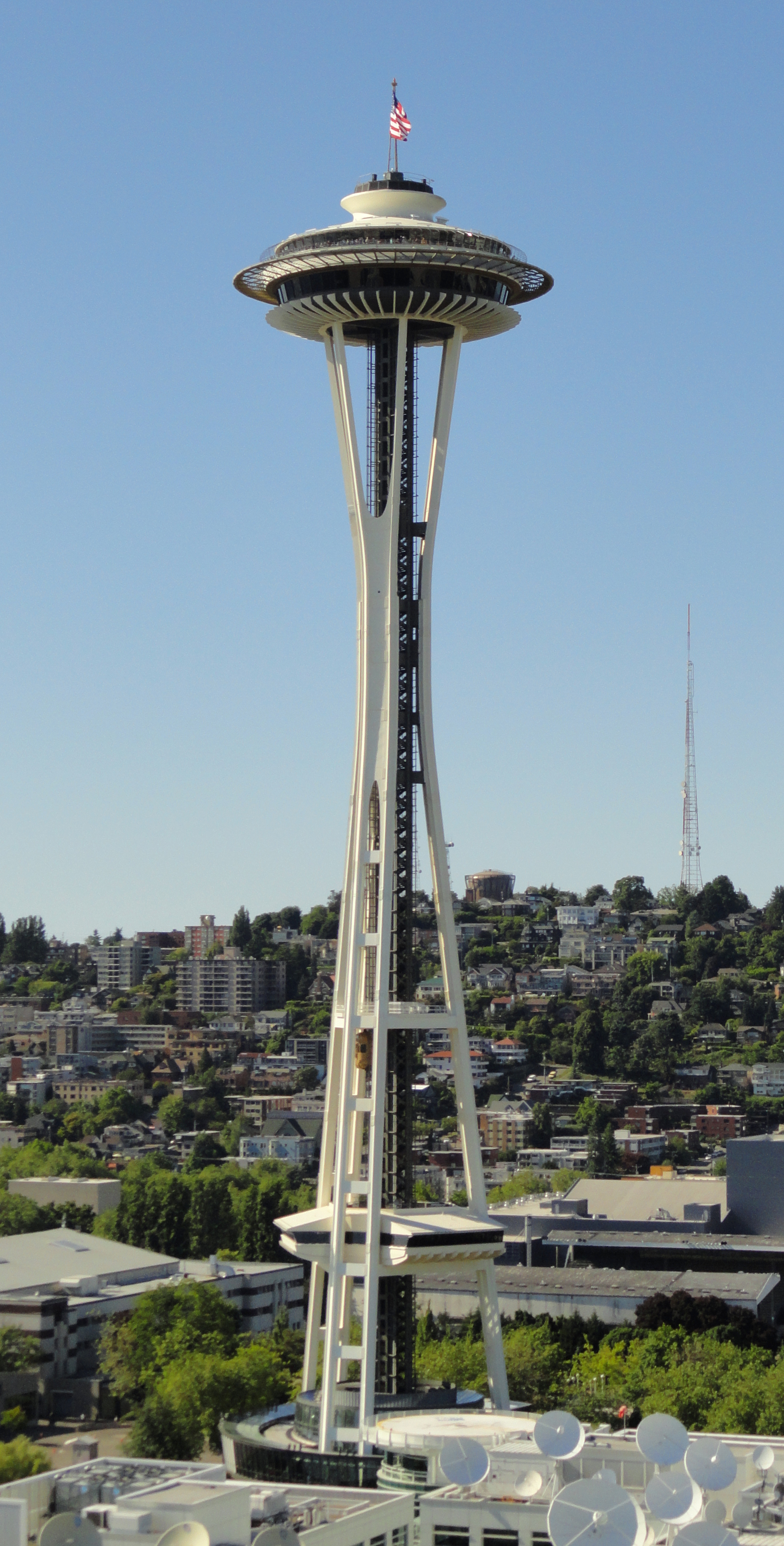
The Space Needle in Seattle, a beacon of the Pacific Northwest and an icon of mid-century modern design, is more than just a striking silhouette against the skyline. It’s a testament to innovation, a vantage point for breathtaking views, and a landmark deeply woven into the fabric of the city’s identity. For visitors and locals alike, a question that often arises when contemplating this towering structure is its vertical scale. Beyond the simple count of its levels, understanding the “stories” of the Space Needle delves into its architectural ingenuity, its functional design, and the experiences it offers. While a direct answer might seem straightforward, the true essence of its “stories” lies in its history, its construction, and the panoramic vistas it provides from its summit.
The Architectural Narrative: Levels and Function
The question of “how many stories” a building possesses can be interpreted in several ways, but for the Space Needle, it primarily refers to its distinct levels, each designed for specific purposes and contributing to the overall visitor experience. Erected for the 1962 Seattle World’s Fair, the structure was a marvel of engineering for its time, pushing the boundaries of what was thought possible in vertical construction. Its unique tripod base, designed to withstand high winds and seismic activity, supports a slender shaft that culminates in a saucer-shaped observation deck and restaurant.
The Foundation and Lower Levels
While not typically counted as “stories” in the conventional sense of habitable floors, the foundation and structural elements beneath the public-accessible areas are crucial to the Space Needle’s stability. These include deep pilings anchoring the structure to bedrock and the internal framework that supports the ascending elevators.
The Observation Deck: A Pinnacle of Experience
The most celebrated “story” of the Space Needle is undoubtedly its observation level. This is where visitors flock to soak in the unparalleled 360-degree views of Seattle, Puget Sound, and the surrounding Cascade and Olympic mountain ranges. The observation deck itself is not a single monolithic floor but a carefully designed space comprising multiple tiers and, more recently, the revolutionary “Loupe” level.
The Timeless Panorama
For decades, the primary observation deck has offered an immersive visual narrative of the city. Visitors can gaze out at iconic landmarks such as the Pike Place Market, the downtown core, and the shimmering waters of the sound. Interpretive displays historically provided context to the sights, enriching the viewing experience.
The Loupe: A Story Beneath Your Feet
A significant modernization of the Space Needle in recent years introduced “The Loupe,” a rotating glass floor that offers a dizzying, unparalleled perspective of the structure and the city below. This innovative addition essentially creates a new “story” within the observation level, adding a thrilling dimension to the visit. The glass floor, composed of 42 individual, ¾-inch thick pieces of laminated glass, allows for clear, unobstructed views of the ground 520 feet below, offering a unique architectural and sensory experience. This represents a distinct functional level within the observation experience, making the total number of publicly accessible and functionally distinct “stories” higher than a simple floor count might suggest.
The Former Restaurant Level
Prior to the extensive renovations, the Space Needle featured a revolving restaurant on a level directly below the main observation deck. This restaurant, while no longer operational as a dining venue, represents a significant historical “story” in the building’s life, contributing to its reputation as a destination for special occasions and fine dining with a view. The space has since been reconfigured to enhance the visitor experience, incorporating more observation areas and interactive exhibits.
The Construction Chronicle: Engineering and Innovation
The construction of the Space Needle was a feat of engineering that tells a compelling story of American ingenuity. Building a 605-foot tower with a distinctive shape and a hovering saucer at its apex presented numerous challenges. The engineering team had to account for wind loads, seismic stability, and the logistics of lifting heavy materials to extreme heights.

Foundation and Base Construction
The foundation alone is a testament to the foresight of the engineers. It consists of a 30-foot deep, 10,000-ton concrete foundation, poured over three days and three nights without interruption. This massive base provides the crucial stability for the entire structure.
Erecting the Shaft
The iconic legs of the Space Needle were built at ground level and then tilted into place. The central elevator shaft was constructed upwards, providing a core around which the rest of the structure was assembled. The sheer speed of construction, from groundbreaking in 1961 to completion in 1962, is another chapter in its remarkable story.
The Saucer’s Ascent
The most visually dramatic part of the construction involved lifting the 3,700-ton saucer-shaped top structure. This was accomplished by building the saucer in stages on the ground and then hoisting the pieces into place, a complex logistical ballet that ensured the tower’s unique profile could be realized.
The Experiential Layers: More Than Just Floors
When discussing the “stories” of the Space Needle, it’s also valuable to consider the layers of experience it offers. Each level, and indeed each aspect of the visitor journey, contributes to its overall narrative.
The Journey Upwards: Elevator Experience
The elevator ride itself is an integral part of the Space Needle experience. The original elevators, with their glass panels, offered glimpses of the rising cityscape. Modern elevators have been upgraded for speed and comfort, but the ascent remains a crucial part of the unfolding story, building anticipation for the views that await.
The Observation Levels: A Multifaceted Perspective
As discussed, the observation levels are the primary draw. The recent renovations have enhanced this experience significantly. Beyond the traditional observation deck and the thrilling Loupe, there are interactive displays and educational elements that add depth to the visit. These elements contribute to the understanding of the Space Needle’s history, its construction, and its significance to Seattle.
The Base and Surroundings: The Ground Story
The area surrounding the Space Needle at the Seattle Center also tells a story. This vibrant urban park, home to numerous cultural institutions like the Museum of Pop Culture (MoPOP) and the Chihuly Garden and Glass, complements the tower’s presence and adds to the overall visitor appeal. The history of the World’s Fair itself is another foundational story that informs the Space Needle’s existence.

Answering the Question: A Multifaceted Count
So, how many stories is the Space Needle? If we consider strictly defined floors accessible to the public and offering distinct experiences, one could argue for approximately three primary levels: the main observation deck, the Loupe glass floor level, and the historical restaurant level (now repurposed). However, to simplify the Space Needle to a mere floor count would be to miss the richness of its narrative. It’s a structure that tells stories through its architecture, its engineering marvels, and the countless memories created by those who ascend its heights. From its initial conception as a symbol of the future to its enduring status as a beloved landmark, the Space Needle continues to unfold its captivating story for every visitor. Its iconic status in Seattle ensures that its narrative will continue for generations to come, a testament to its timeless design and unparalleled views.
LifeOutOfTheBox is a participant in the Amazon Services LLC Associates Program, an affiliate advertising program designed to provide a means for sites to earn advertising fees by advertising and linking to Amazon.com. Amazon, the Amazon logo, AmazonSupply, and the AmazonSupply logo are trademarks of Amazon.com, Inc. or its affiliates. As an Amazon Associate we earn affiliate commissions from qualifying purchases.