
The crisp autumn air, the rustle of falling leaves, and the comforting scent of pumpkin spice might typically signal the start of the school year for many. However, in California, the academic calendar often kicks off with the lingering heat of late summer, leaving many wondering: why such an early start? This phenomenon isn’t a mere quirk of the Golden State; it’s a deliberate choice driven by a complex interplay of educational philosophy, logistical considerations, and the desire to align with broader societal rhythms. Understanding this early commencement requires delving into the unique educational landscape of California and its impact on students, families, and even the travel patterns of its residents.
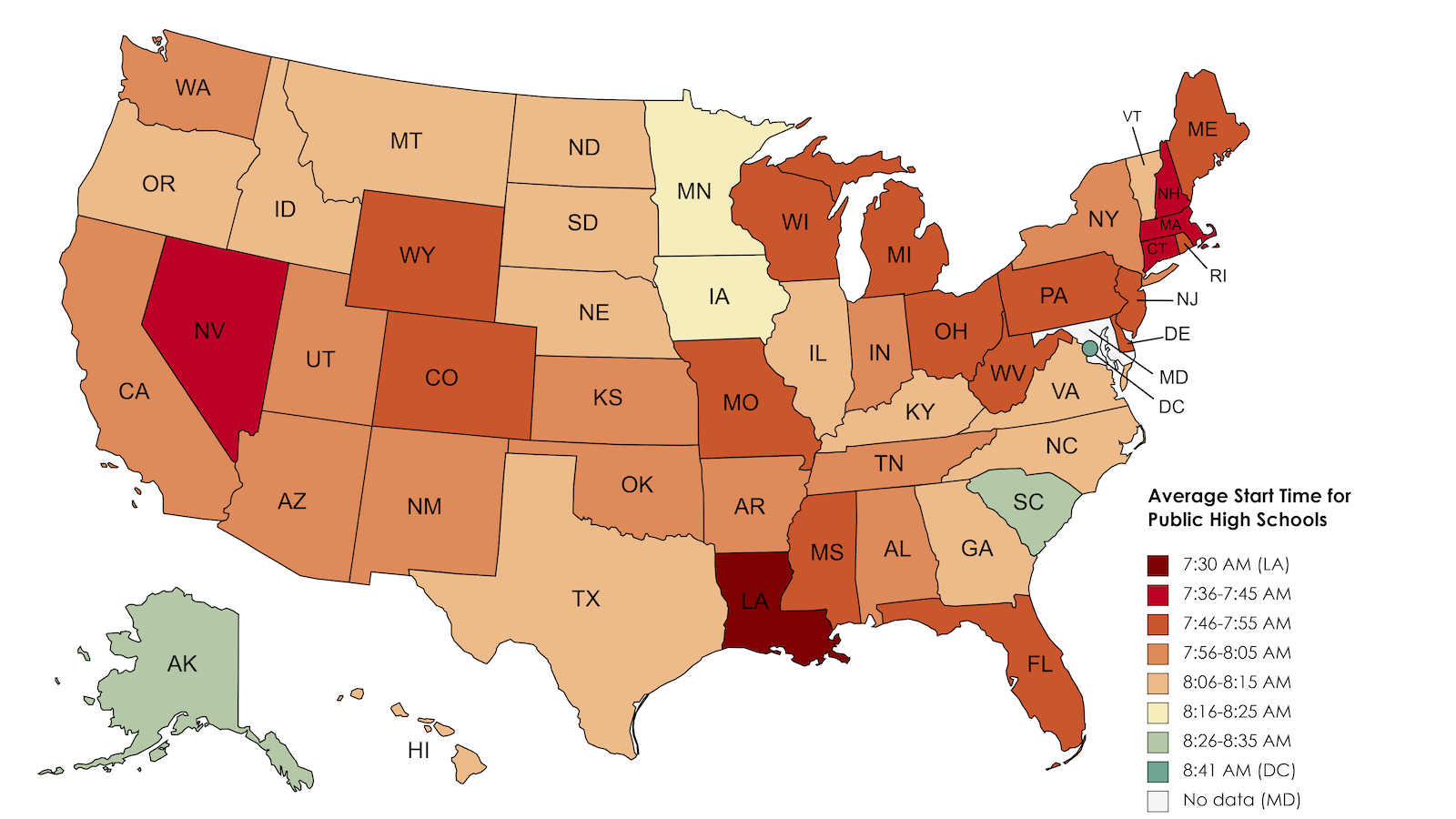
The Traditional Calendar vs. The California Model
For generations, the agrarian calendar heavily influenced the academic schedule in many parts of the United States. Children were needed to help with harvests during the summer months, hence the long summer break. The early start in California largely diverges from this historical model, opting instead for a calendar that typically begins in mid-to-late August. This decision is not universal across all districts, but it has become a dominant trend, particularly in larger, more urbanized areas.
Shifting Educational Priorities
The move towards an earlier start date often stems from a belief that it better serves the learning needs of students. Proponents argue that the extended summer break can lead to “summer slide,” a phenomenon where students lose some of the academic gains made during the previous school year. By shortening the summer vacation and distributing breaks more evenly throughout the year, educators aim to maintain academic momentum and reduce the need for extensive review at the beginning of each term.
This approach aligns with pedagogical theories that emphasize continuous learning and consistent engagement. The idea is to create a more fluid and integrated educational experience, rather than one punctuated by a lengthy hiatus. This shift in thinking reflects a broader evolution in educational strategies, moving away from a one-size-fits-all model towards more responsive and effective learning frameworks.
The Rationale Behind Shorter Summer Breaks
The traditional long summer break, while often cherished by students for its freedom and travel opportunities, presents its own set of challenges. For working parents, childcare during the extended summer can be a significant logistical and financial burden. An earlier start date, coupled with more frequent, shorter breaks during the academic year (such as a longer fall break or mid-semester intersessions), can offer a more manageable and predictable schedule for families.
Moreover, the early start can facilitate better utilization of school facilities and resources. With shorter breaks, schools can potentially offer enrichment programs or remedial classes more effectively during these interim periods, providing targeted support to students who need it. This strategic distribution of instructional time aims to maximize learning outcomes and cater to diverse student needs.
Impact on Families and Local Life
The early commencement of the school year in California inevitably shapes family routines and influences local tourism and travel patterns. The end of the traditional summer vacation often coincides with the last opportunities for extended family travel before the academic year demands full attention.
Reshaping Summer Vacation Plans
For many Californian families, the shorter summer break means a reevaluation of their vacation strategies. Instead of one long, leisurely trip, families might opt for shorter, more frequent getaways. This could involve weekend trips to nearby attractions or extended day trips to explore the diverse landscapes of the state. Destinations like Disneyland, Yosemite National Park, or the beaches of San Diego might see a surge in visitors earlier in the summer, as families try to capitalize on the free time before the school bells ring.
The pressure to pack in as much enjoyment and relaxation as possible into a condensed summer can lead to a more intense period of vacationing. This can also mean that families plan their trips closer to home, exploring the vast array of local culture, food, and activities available within California itself.

The “Pre-School” Rush
A fascinating consequence of the early school start is the emergence of a “pre-school” rush. As families anticipate the return to school, there can be a noticeable uptick in travel and recreational activities in the weeks leading up to the academic year’s commencement. This is often a final burst of leisure before the daily grind of homework and classes begins.
This rush can affect everything from booking flights and hotels to securing reservations at popular restaurants and attractions. It creates a unique temporal dynamic within the tourism industry, where the traditional “end of summer” travel season extends slightly later into August, directly driven by school schedules. This phenomenon also impacts the availability of accommodation, with hotels in popular family destinations often experiencing high occupancy rates during this period.
Adjusting to the New Normal
The early start to the school year in California has become the norm for many, necessitating adjustments from educational institutions, families, and the broader community.
Strategies for a Smoother Transition
Schools often implement orientation programs and welcome events in the days leading up to the official start to help students and parents acclimate. These events are crucial for easing the transition, particularly for younger students or those new to a school district. They also serve as an opportunity for teachers to connect with their students and set expectations for the upcoming academic year.
Parents, too, develop strategies to manage the early start. This might include preparing school supplies, organizing study spaces, and establishing new routines well in advance. The focus shifts from a lengthy summer wind-down to a more immediate preparation for academic rigor.
The Role of the Educational Calendar in Planning
The consistent early start date allows for more predictable planning for families. Knowing when the school year begins allows for better foresight regarding travel arrangements, extracurricular activity sign-ups, and even childcare needs. While the traditional summer break might have offered more flexibility, the predictable rhythm of the early-start calendar provides a different kind of structure that many have come to rely upon.
This predictability can also benefit the tourism sector. While the peak summer vacation period might be slightly compressed, the knowledge of when school resumes can help businesses in the travel and hospitality industries manage their resources and marketing efforts more effectively, anticipating periods of demand both before and after the academic year begins.
Beyond the Golden State: A Growing Trend?
While California is a prominent example, the trend towards earlier school start dates is not confined to the West Coast. Many districts across the United States have adopted similar calendars, driven by many of the same educational and logistical considerations. This suggests a broader reevaluation of the traditional school calendar and its suitability for contemporary society.
Examining the Benefits and Drawbacks
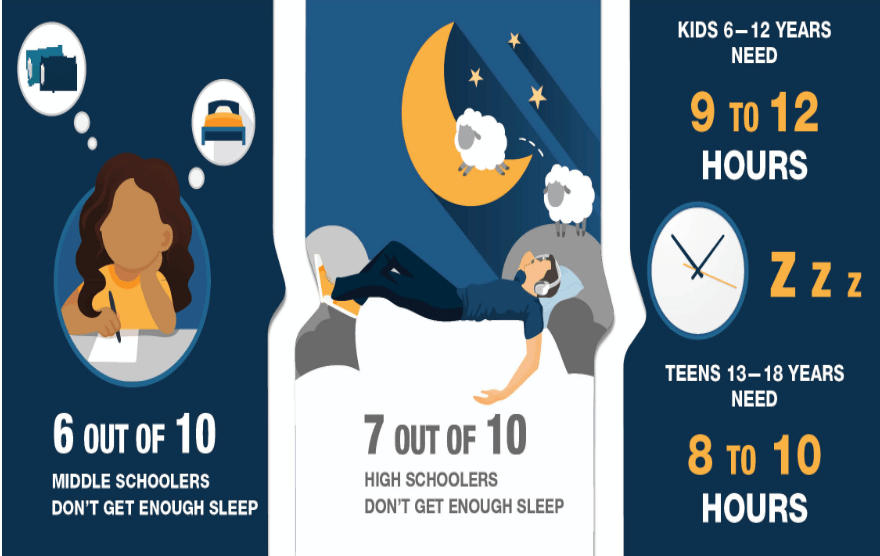
The debate surrounding the school calendar is ongoing. While the early start offers potential academic advantages and logistical benefits for families, concerns are sometimes raised about the reduced summer break for traditional summer camps, internships, and extended family travel.
However, the persistent adoption of earlier start dates by a significant number of Californian districts, and increasingly elsewhere, indicates a prevailing belief in its efficacy. It reflects a dynamic educational landscape constantly seeking to adapt and optimize for student success and family well-being in a rapidly changing world. The early start in California is thus not just a local peculiarity, but a thoughtful response to evolving educational needs and societal structures, influencing how its residents plan their lives, including their vacations and explorations of the abundant attractions the state offers.
LifeOutOfTheBox is a participant in the Amazon Services LLC Associates Program, an affiliate advertising program designed to provide a means for sites to earn advertising fees by advertising and linking to Amazon.com. Amazon, the Amazon logo, AmazonSupply, and the AmazonSupply logo are trademarks of Amazon.com, Inc. or its affiliates. As an Amazon Associate we earn affiliate commissions from qualifying purchases.