
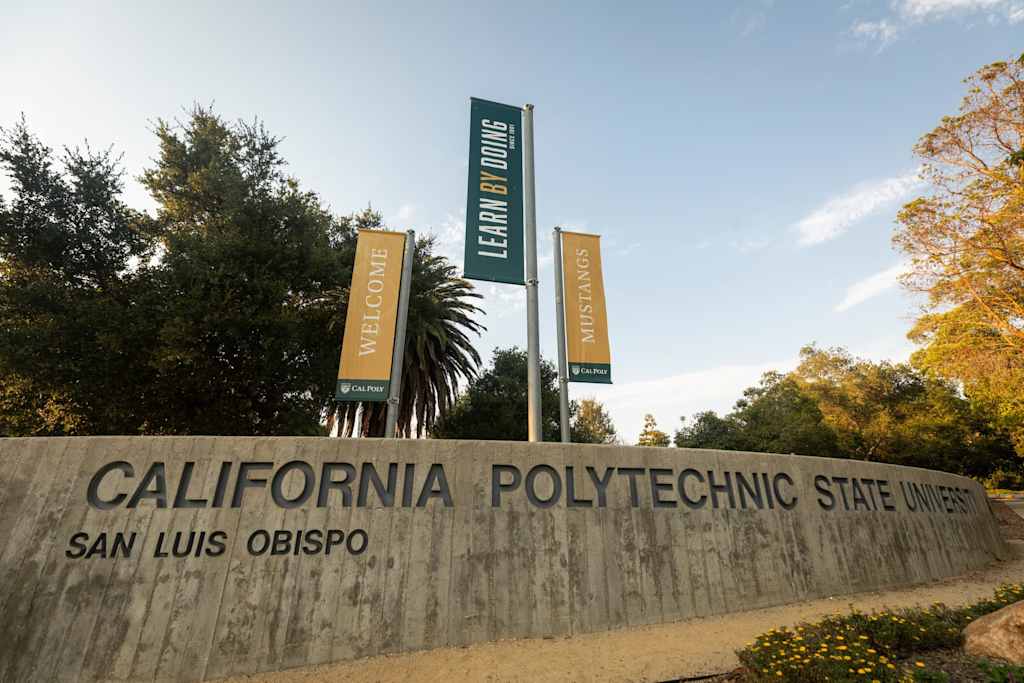
For many aspiring students, the Common App represents the gateway to higher education, a standardized platform designed to streamline the application process for hundreds of universities. However, a notable exception for students seeking a degree from a respected public institution is the absence of California Polytechnic State University, San Luis Obispo (often referred to as Cal Poly) on this widely adopted application system. This decision by Cal Poly to forgo the Common App has led to questions and can create a unique challenge for prospective applicants. Understanding the reasons behind this choice is crucial for navigating the admissions landscape and appreciating the distinct approach Cal Poly takes to selecting its future students.

Cal Poly’s Distinct Application Philosophy
At its core, Cal Poly’s decision not to utilize the Common App stems from a deliberate and philosophically driven approach to admissions. The university emphasizes its commitment to a holistic review process that is, in many ways, tailored to its specific educational model and student body. This model, often described as “learn by doing,” prioritizes hands-on experience, project-based learning, and a strong connection between academic theory and practical application.
Tailoring the Application to the Cal Poly Experience
The university believes that a standardized application like the Common App, while efficient for many institutions, may not adequately capture the nuances of what makes a student a strong fit for Cal Poly. By maintaining its own application portal, Cal Poly can pose essay questions and request information that directly probes a student’s engagement with applied learning, their problem-solving abilities, and their passion for fields that demand practical skills. This allows the admissions committee to gain a deeper insight into how a student might thrive in Cal Poly’s unique environment.
Emphasis on Specific Program Requirements
Cal Poly’s various academic programs, from engineering and agriculture to architecture and business, often have specific prerequisites, interests, and experiences that are particularly valued. The university’s proprietary application system allows for the direct integration of program-specific questions, supplemental essays, and the submission of materials that are relevant to a student’s chosen major. For instance, applicants to the College of Engineering might be asked about their participation in robotics clubs or their experience with specific coding languages, while those applying to the College of Agriculture, Food, and Environmental Sciences might detail their involvement in 4-H or Future Farmers of America. The Common App, while offering some program-specific fields, might not provide the depth or flexibility needed to fully assess these critical aspects of a candidate’s profile.
The Practical Implications for Applicants
The absence of Cal Poly on the Common App necessitates a slightly different approach to the application process for prospective students. While it might seem like an added complexity, understanding these differences can help applicants prepare more effectively.
Navigating the Cal Poly Application Portal
Students applying to Cal Poly must navigate the university’s own online application system. This typically involves creating a separate account and familiarizing themselves with a different interface and set of instructions. While this might require an extra step, it also means that the application is designed with Cal Poly’s specific needs and values in mind. Applicants should dedicate ample time to explore the portal, understand all the required fields, and note any deadlines or submission guidelines that may differ from other institutions they are applying to.

Crafting Cal Poly-Specific Essays
One of the most significant differences lies in the essay prompts. Instead of the general prompts often found on the Common App, Cal Poly typically offers essay questions that are directly linked to its learn-by-doing philosophy and its program offerings. These essays are an opportunity for applicants to showcase their practical skills, their initiative, and their passion for a hands-on education. It is crucial for applicants to thoroughly research Cal Poly’s mission and values to craft essays that resonate with the university’s admissions committee. This might involve reflecting on past projects, internships, or extracurricular activities that demonstrate an aptitude for applied learning and problem-solving.
Potential for a More Focused Application
While it might initially seem like a drawback, Cal Poly’s independent application process can also be viewed as an advantage. By requiring students to engage directly with the university’s own application system and prompts, Cal Poly is able to elicit responses that are more tailored and insightful. This focus can allow applicants to present a more cohesive and compelling narrative that highlights their suitability for Cal Poly’s specific academic environment. It encourages students to think deeply about why they are a good fit for the institution, rather than simply checking boxes on a universal application.
Understanding the Admissions Landscape
The decision by institutions like Cal Poly to deviate from widely adopted platforms like the Common App is a reflection of the diverse and evolving landscape of higher education admissions. It underscores the fact that not all universities operate with the same priorities or application philosophies.
Institutional Autonomy in Admissions
Universities have the autonomy to design their admissions processes in ways that best serve their strategic goals and educational missions. For Cal Poly, this autonomy allows them to maintain a strong connection to their unique pedagogical approach and to select students who are most likely to succeed within that framework. This might involve a more intensive review of applications, a greater emphasis on specific types of experiences, or a desire to cultivate a particular kind of student body that embodies the university’s ethos.
The Role of Supplemental Applications
Many universities that do not use the Common App still utilize supplemental applications, which can include additional essays, specific questions, or portfolio submissions. Cal Poly’s approach is a prime example of this, where their own application portal serves as their comprehensive application system, incorporating all necessary components. This allows them to ensure that every applicant provides information that is directly relevant to Cal Poly’s evaluation criteria.
Benefits of Specialization
While the Common App offers convenience and broad reach, institutions that opt for their own application systems may benefit from a more specialized and potentially more effective admissions process. They can curate the application experience to align precisely with their institutional identity and their vision for the student body. For students, this can mean a more targeted application process that allows them to demonstrate their fit in a way that might not be possible through a more generalized platform. It encourages a more intentional approach to college applications, pushing students to truly understand the unique offerings of each institution they choose to apply to. The fact that Cal Poly does not appear on the Common App is not a sign of deficiency, but rather a deliberate choice that reflects its commitment to a distinct and purposeful admissions strategy.
LifeOutOfTheBox is a participant in the Amazon Services LLC Associates Program, an affiliate advertising program designed to provide a means for sites to earn advertising fees by advertising and linking to Amazon.com. Amazon, the Amazon logo, AmazonSupply, and the AmazonSupply logo are trademarks of Amazon.com, Inc. or its affiliates. As an Amazon Associate we earn affiliate commissions from qualifying purchases.