
For professionals considering a business stay, extended remote work assignment, or a digital nomad experience in California, understanding local labor laws is paramount to ensuring a balanced and productive lifestyle. Beyond securing the right accommodation or navigating local attractions, knowing your rights regarding work breaks in the Golden State is crucial for maintaining well-being and managing your schedule effectively. California is known for its robust employee protection laws, which often exceed federal standards, making it especially important to be informed.
Navigating Work-Life Balance on Your California Business Stay
When undertaking a business trip or a temporary work relocation to California, your working conditions directly impact your overall experience and lifestyle. California’s strict break requirements are designed to prevent employee burnout and promote health, safety, and productivity. For a 6-hour shift, specific rules apply regarding both rest and meal periods. Employers in California are generally required to provide non-exempt employees with both rest breaks and meal breaks, each with distinct regulations.
The Mandate of Rest Periods
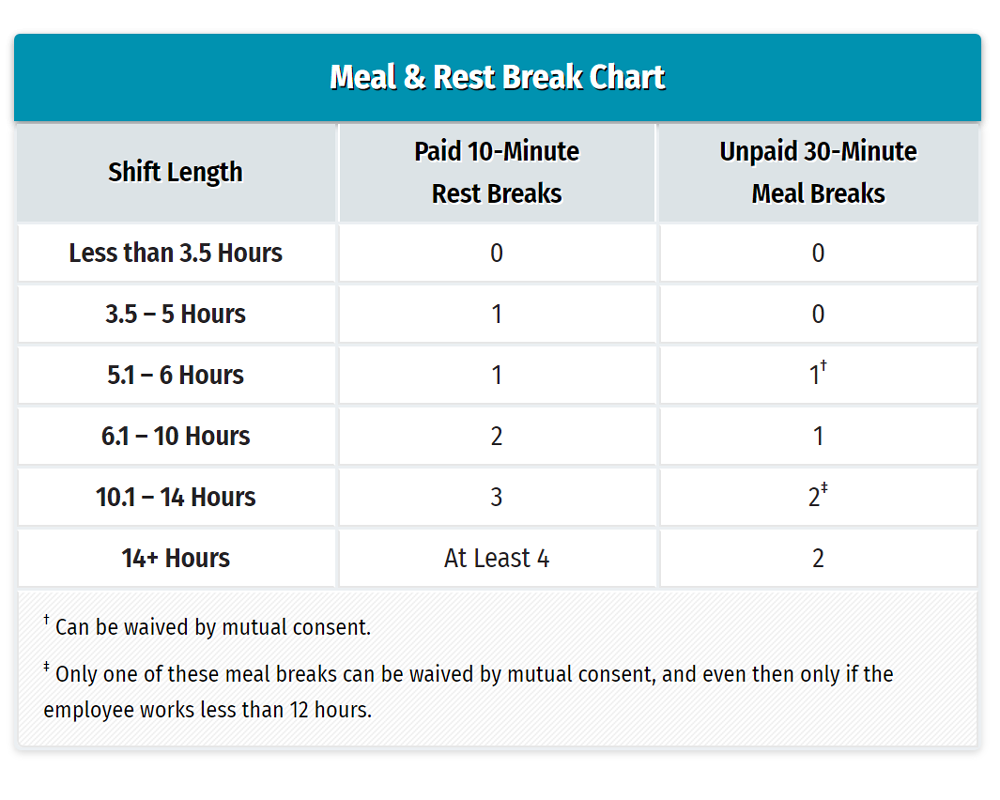
For non-exempt employees in California, the law mandates a paid 10-minute rest period for every four hours worked or major fraction thereof. A “major fraction” is defined as more than two hours. Therefore, for a 6-hour shift:
- The first four hours worked entitle an employee to one 10-minute paid rest break.
- The subsequent two hours (which is not a major fraction of four hours) do not trigger an additional rest break entitlement.
Thus, an employee working a 6-hour shift is entitled to one 10-minute paid rest break. This break should ideally be taken somewhere in the middle of the work period, to be most effective for rejuvenation. Employers are prohibited from requiring employees to remain on duty during this break, and the break must be free from employer control. It is important for those on business trips or temporary assignments to understand that this rest period is not optional for the employer to provide, nor can it be used to shorten the employee’s work day or be waived without proper compensation in the form of a premium payment.
Meal Break Essentials for Shorter Shifts
Meal breaks in California have different stipulations than rest breaks, particularly concerning pay and waiver conditions. For a 6-hour shift:
- A 30-minute unpaid meal break is generally required if an employee works for a period of more than five hours. This means for a 6-hour shift, a meal break is typically mandatory.
- Waiver Condition: However, California law provides a specific exception for shifts totaling no more than six hours. If the total work period per day is not more than six hours, the employee and employer may mutually agree to waive the meal period. This waiver must be in writing and signed by both parties.
Therefore, for a 6-hour shift, an employee is typically entitled to one 30-minute unpaid meal break. This break can, however, be waived by mutual written consent if the total shift does not exceed six hours. The meal period must be a bona fide break where the employee is relieved of all duty and is free to leave the premises. If an employer fails to provide a compliant meal break, they may owe the employee one hour of pay at the employee’s regular rate for each workday that the meal break was not provided.
Ensuring Well-being for Digital Nomads and Remote Workers in the Golden State
For digital nomads, remote workers, or those on extended assignments in California, understanding the nuances of labor law is integral to a sustainable and enjoyable lifestyle. Knowing your rights regarding breaks ensures that you can structure your day, manage your energy levels, and make the most of your time, whether you’re working from a co-working space in Los Angeles, a quiet café in San Francisco, or a temporary office in San Diego. These protections are not merely legal technicalities; they are foundational to a healthy work-life integration.
California’s Proactive Stance on Employee Rights
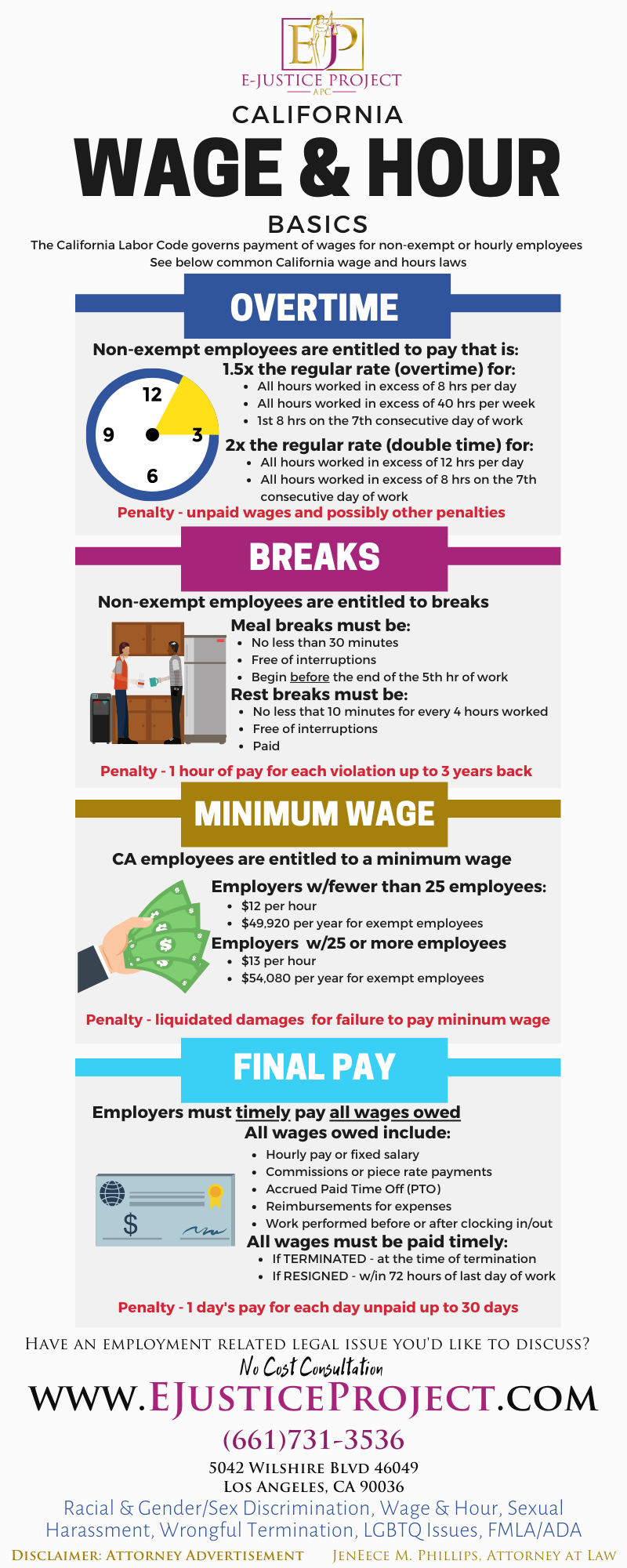
California’s labor laws, overseen by the California Department of Industrial Relations and enforced by the Labor Commissioner’s Office, are among the most progressive in the United States. They reflect a philosophical commitment to employee well-being, recognizing that regular breaks contribute to improved morale, reduced stress, and higher productivity. For someone managing a rigorous work schedule during a business trip, adherence to these break rules means having dedicated time to decompress, attend to personal needs, or simply step away from the work environment. This proactive approach to worker rights is a significant aspect of the lifestyle experience in California.
Consequences of Non-Compliance for Employers
Employers who fail to provide required rest or meal periods face penalties. For each workday that a compliant rest or meal period is not provided, the employer must pay the employee one additional hour of pay at the employee’s regular rate of compensation. This premium pay serves as a strong incentive for employers to comply with break laws. For employees, understanding these provisions empowers them to advocate for their rights and ensures they receive appropriate compensation if violations occur. This knowledge is particularly valuable for those on temporary contracts or those new to working within California’s jurisdiction.
Practical Considerations for Your California Working Experience
Whether you are employed directly by a California-based company or working remotely for an out-of-state employer while physically present in California, these break laws generally apply. It is crucial to be proactive in understanding how these regulations affect your specific work arrangement.
Documenting Your Hours and Breaks
For individuals on temporary assignments or those engaging in remote work, maintaining accurate records of your work hours and the breaks you take (or are denied) is a sound practice. This documentation can be invaluable should any disputes arise regarding break compliance. Many employers utilize timekeeping systems that automatically track breaks, but personal records can provide an additional layer of protection and clarity. This proactive approach ensures transparency and protects your lifestyle from undue work pressures.
Seeking Clarification and Assistance
If you have questions about your break entitlements or believe your employer is not complying with California labor laws, several resources are available. The Labor Commissioner’s Office (also known as the Division of Labor Standards Enforcement, or DLSE) is the primary state agency responsible for enforcing wage and hour laws. They offer information, resources, and avenues for filing claims. Consulting with an employment law attorney specializing in California law can also provide personalized guidance, ensuring that your rights are fully protected while you enjoy your California experience.
Enhancing Your Lifestyle While Working in California
Understanding and utilizing your break entitlements properly is not just about legal compliance; it’s about actively managing your well-being and enhancing your lifestyle while working in California. For many, a business stay or remote work stint in the state offers a unique opportunity to explore new environments and immerse oneself in the local culture. Properly managed breaks provide the necessary downtime to re-energize and perhaps even engage with your temporary surroundings.

Beyond the Breakroom: Utilizing Your Downtime
A 10-minute rest break might be used for a quick stretch, a mindful moment, or a brief walk around your workspace to clear your head. A 30-minute meal break offers a chance to explore nearby eateries, visit a local park, or simply disconnect from work tasks and enjoy a meal at your leisure. For those on a business trip, these breaks can be mini-opportunities to experience the local flavor of cities like San Jose, Oakland, or Sacramento. By understanding when and how you are entitled to these breaks, you can strategically integrate them into your day to achieve a healthier work-life balance, making your working visit to California not just productive, but also fulfilling and enjoyable. This thoughtful approach to your working day contributes significantly to a positive lifestyle, ensuring that your work doesn’t overshadow the rich experiences California has to offer.
LifeOutOfTheBox is a participant in the Amazon Services LLC Associates Program, an affiliate advertising program designed to provide a means for sites to earn advertising fees by advertising and linking to Amazon.com. Amazon, the Amazon logo, AmazonSupply, and the AmazonSupply logo are trademarks of Amazon.com, Inc. or its affiliates. As an Amazon Associate we earn affiliate commissions from qualifying purchases.