
When planning a journey from the vibrant urban landscape of Denver, Colorado to the natural wonders of Glenwood Springs, Colorado, understanding the distance and travel time is crucial for an optimal experience. Glenwood Springs, nestled in the heart of the Rocky Mountains, offers a compelling escape with its world-renowned hot springs, adventurous outdoor activities, and breathtaking scenery. This guide delves into the various aspects of traveling from Denver to Glenwood Springs, encompassing driving routes, alternative transportation options, and considerations for maximizing your journey.
Driving Routes and Time Estimates
The most common and often preferred method of reaching Glenwood Springs from Denver is by car. This allows for flexibility, the ability to stop at scenic overlooks, and the ease of exploring the destination at your own pace. The primary route involves traversing a significant portion of Interstate 70 (I-70) West.

The I-70 West Corridor
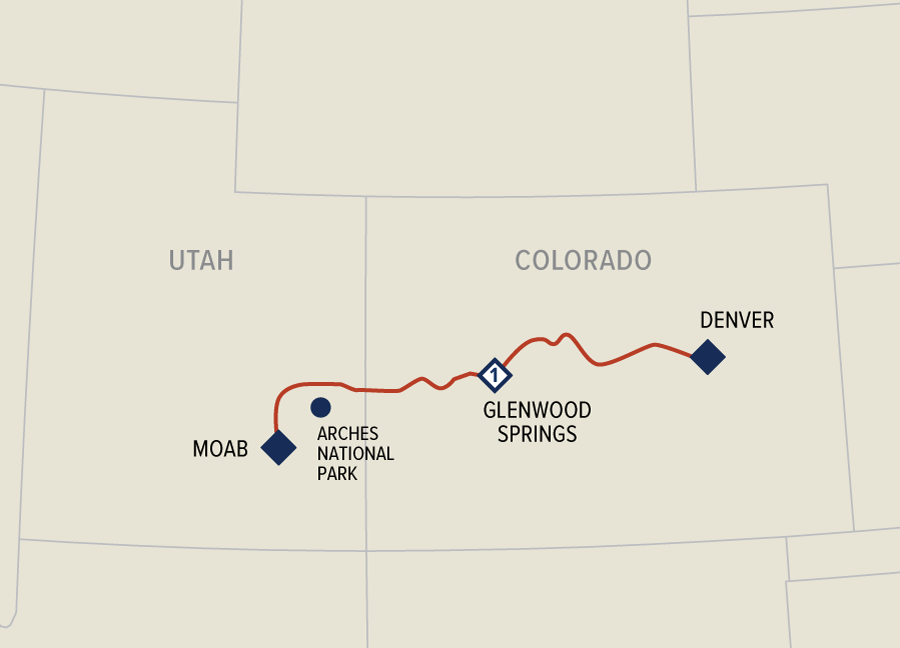
The drive from Denver to Glenwood Springs via I-70 West is approximately 160 miles. The estimated driving time typically ranges from 2 hours and 30 minutes to 3 hours and 30 minutes, depending heavily on traffic conditions, road construction, and weather.
- Starting Point: Begin your journey by heading west out of Denver to connect with I-70 West.
- Key Landmarks and Passes: As you travel west on I-70, you will ascend through the Front Range, passing through the Eisenhower Tunnel, which is the highest vehicular tunnel in the world at over 11,000 feet. This section of the drive is renowned for its stunning mountain vistas, especially during sunrise and sunset. You will also traverse the Continental Divide.
- Vail and Eagle: After passing through the ski resort town of Vail, the interstate continues westward. You’ll pass through communities like Eagle before approaching your destination.
- Approaching Glenwood Springs: As you get closer to Glenwood Springs, I-70 will take you through the scenic Glenwood Canyon. This stretch is particularly noteworthy for its dramatic cliffs, the Colorado River, and the impressive engineering of the interstate itself. Be sure to keep an eye out for the rest areas that offer access to the paved recreation path within the canyon, perfect for a quick stretch or a brief exploration.
Factors Affecting Travel Time:
- Traffic: Denver’s metropolitan area can experience significant traffic congestion, especially during peak commute hours and on weekends. Leaving Denver earlier in the morning or later in the afternoon can often mitigate these delays.
- Weather: Mountain weather can be unpredictable. During winter months, snow and ice can significantly slow down travel and may even lead to temporary road closures on I-70 due to safety concerns. Always check road conditions and weather forecasts before departing. The Colorado Department of Transportation (CDOT) website and its app are invaluable resources for real-time updates.
- Construction: I-70 is a vital artery, and ongoing construction projects, particularly during the warmer months, can cause delays. CDOT provides information on planned construction and closures.
- Sightseeing Stops: The beauty of driving is the ability to stop. Many travelers choose to pause at scenic overlooks or explore charming mountain towns along the way. While these stops enhance the travel experience, they will naturally add to the overall duration of your trip.
Scenic Alternatives (When Time Allows)
While I-70 is the most direct route, for those with a more leisurely approach and a desire for unparalleled scenery, exploring alternative routes can be an option, though these are often significantly longer and more complex. These might involve state highways and smaller, winding mountain roads. However, for the primary purpose of reaching Glenwood Springs efficiently, I-70 remains the most practical choice.
Alternative Transportation Options
For travelers who prefer not to drive, or for those seeking a more relaxed journey, alternative transportation methods are available for traveling from Denver to Glenwood Springs.
Amtrak Train Service
Amtrak offers a scenic rail journey that connects Denver to Glenwood Springs. This option provides a unique perspective on the Colorado landscape without the stress of driving.
- The California Zephyr: The famous California Zephyr train line passes through Glenwood Springs, originating from Chicago and heading towards San Francisco. Travelers can board this train in Denver.
- Journey Highlights: The train ride itself is a destination, offering panoramic views of the Rocky Mountains, rivers, and canyons that are often inaccessible by road. It’s an opportunity to relax, read, or simply soak in the ever-changing scenery.
- Travel Time: The train journey is considerably longer than driving, typically taking around 5 to 6 hours to reach Glenwood Springs from Denver. While slower, the comfort and the immersive experience of the rail travel are major draws.
- Stations: Amtrak services depart from Denver’s Union Station and arrive at the Glenwood Springs station, conveniently located near the town center. Booking tickets in advance is highly recommended, especially during peak travel seasons.
Bus Services

Intercity bus services can also provide transportation between Denver and Glenwood Springs.
- Providers: Companies like Greyhound may offer routes, often with transfers. It’s essential to check the schedules and routes of available bus companies as they can change.
- Pros and Cons: Bus travel can be a more budget-friendly option. However, it typically involves longer travel times and fewer amenities compared to train travel. Stops may also be more frequent and less scenic than those offered by the train.
- Booking: Tickets can usually be purchased online or at the bus station.
Preparing for Your Journey to Glenwood Springs
Regardless of your chosen mode of transportation, proper preparation can significantly enhance your trip from Denver to Glenwood Springs.
Packing Essentials
Given the mountain environment, packing appropriately is key.
- Clothing: Layers are essential. Even in summer, mountain evenings can be cool. Include a waterproof jacket, comfortable walking shoes, and sun protection (hat, sunglasses, sunscreen). For winter travel, thermal layers, a warm coat, gloves, and a hat are indispensable.
- Snacks and Water: Especially if driving, having snacks and water readily available is a good idea. Many stretches of I-70 offer limited services.
- Navigation: While GPS is ubiquitous, having a physical map or downloading offline maps can be beneficial, as cellular service can be spotty in mountainous areas.
- Entertainment: For train or bus journeys, books, downloaded movies, or music are recommended.
Accommodation in Glenwood Springs
Glenwood Springs offers a diverse range of lodging options to suit various preferences and budgets.
- The Lodge at Iron Mountain: This well-regarded lodging option is situated with views of the surrounding mountains.
- Glenwood Hot Springs Resort: For those who want to be at the heart of the town’s most famous attraction, this resort provides direct access to the hot springs pools.
- Hotels and Motels: Numerous national and local hotel chains and independent motels are available throughout the town, offering varying amenities and price points.
- Vacation Rentals: Options like Airbnb and VRBO provide apartments, houses, and cabins for longer stays or for families and groups.
Activities and Attractions in Glenwood Springs
The primary draw to Glenwood Springs is its natural thermal springs and the surrounding outdoor recreation opportunities.
- Glenwood Hot Springs Pool: This historic and expansive pool is a must-visit. Fed by the Yampah Spring, it offers a large, mineral-rich swimming area and a smaller, hotter therapy pool.
- Iron Mountain Hot Springs: A newer addition to the town’s thermal offerings, this facility features multiple smaller pools with varying temperatures, often with stunning views.
- Hanging Lake Trail: A moderate to strenuous hike leading to a breathtaking geological marvel – a turquoise lake fed by waterfalls, set against a sheer cliff face. Permits are often required for this popular trail, so planning ahead is essential.
- Glenwood Caverns Adventure Park: Located atop Iron Mountain, this park offers cave tours, thrill rides like the Giant Canyon Swing, and spectacular views of the Colorado River valley.
- Colorado River Activities: During warmer months, the Colorado River is ideal for rafting and kayaking. Guided tours are available for all skill levels.
- Biking and Hiking: The Glenwood Springs area is crisscrossed with numerous trails, including the paved Glenwood Canyon Recreation Path, perfect for cycling or walking.
Navigating Glenwood Springs Upon Arrival
Once you arrive in Glenwood Springs, navigating the town is generally straightforward.
- Town Layout: The town is relatively compact, with the main thoroughfare, Grand Avenue, running through its center. Many hotels, restaurants, and attractions are located along or near this street.
- Parking: Parking can be found throughout the town, including in designated lots and on street meters. At popular attractions like the hot springs and adventure park, dedicated parking is available, though it can fill up quickly during peak times.
- Local Transit: While a car offers the most flexibility, some visitors utilize local taxis or ride-sharing services for shorter distances within the town. Public transit options are limited.
In conclusion, the distance from Denver, Colorado to Glenwood Springs, Colorado is approximately 160 miles, typically a 2.5 to 3.5-hour drive via I-70 West. While driving offers convenience and scenic opportunities, Amtrak’s California Zephyr provides a comfortable and picturesque alternative. Understanding these travel dynamics, coupled with proper preparation for the mountain environment and a clear idea of the abundant attractions awaiting you, ensures a seamless and memorable journey to this captivating Colorado destination.
LifeOutOfTheBox is a participant in the Amazon Services LLC Associates Program, an affiliate advertising program designed to provide a means for sites to earn advertising fees by advertising and linking to Amazon.com. Amazon, the Amazon logo, AmazonSupply, and the AmazonSupply logo are trademarks of Amazon.com, Inc. or its affiliates. As an Amazon Associate we earn affiliate commissions from qualifying purchases.