
Navigating the Complex Currents of California’s Fuel Market
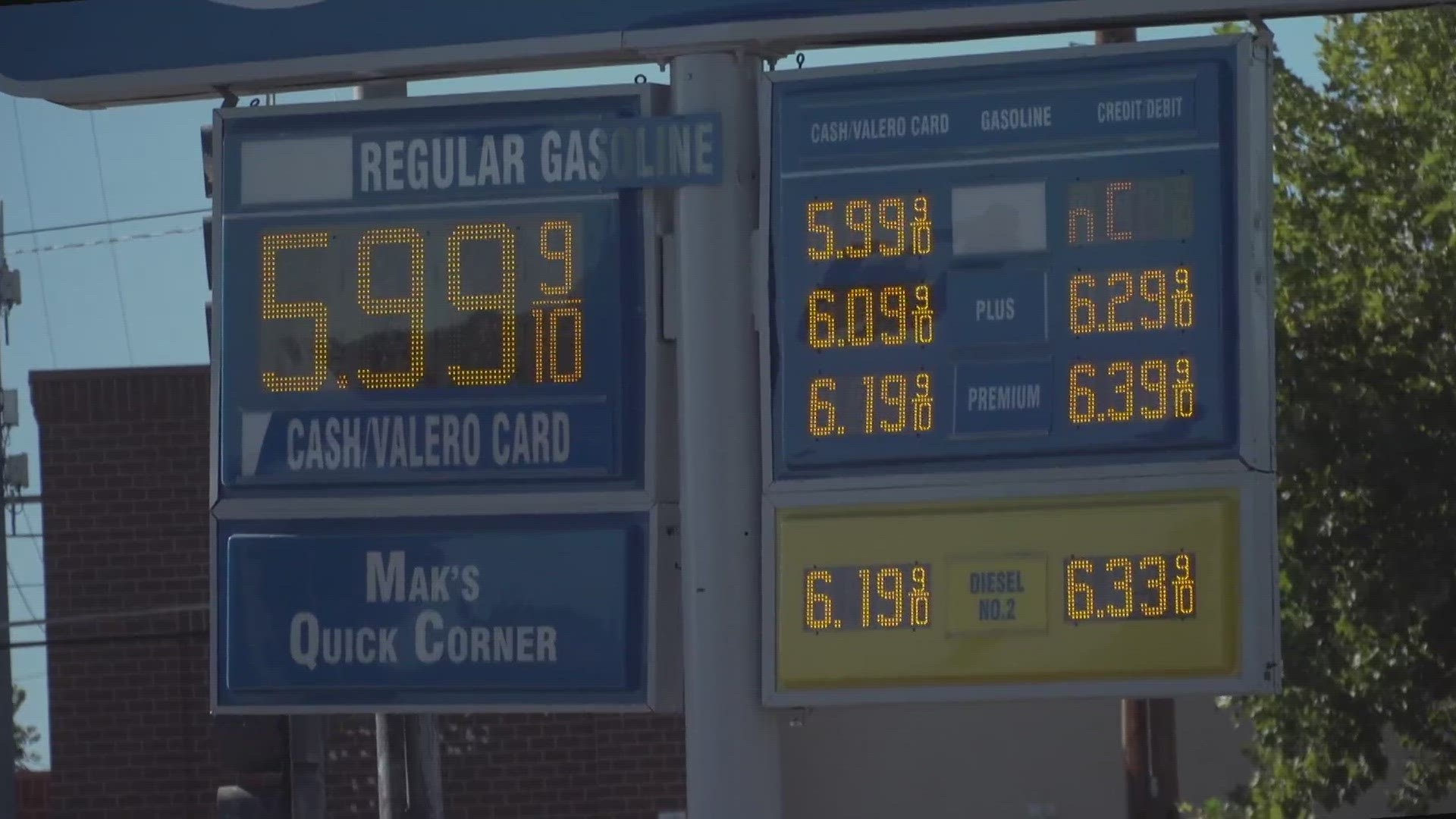
The question of whether gas prices will decrease in California is a perennial concern for residents and a significant factor influencing travel plans, particularly for those planning road trips or exploring the diverse attractions the Golden State offers. Understanding the forces at play behind California’s notoriously high fuel costs requires a deep dive into a confluence of regulatory, economic, and environmental factors. While a definitive prediction is elusive, examining these dynamics can offer valuable insights for budget-conscious travelers and everyday commuters alike.
The Unique Regulatory Landscape of California
California operates under a distinct set of environmental regulations that significantly impact its gasoline market. The state’s California Air Resources Board (CARB) mandates the use of a special, cleaner-burning gasoline blend designed to reduce smog and air pollution. This blend is formulated to meet stringent standards year-round, unlike other states that may switch to a different, less expensive blend during cooler months.

The Special Blend and its Premium
The specialized gasoline blend mandated by CARB is a primary driver of higher prices. Its production requires specific refining processes and ingredients, which are more costly to implement. This “California blend” is not interchangeable with standard gasoline sold elsewhere in the United States, creating a localized market that is less susceptible to national price fluctuations. When refinery issues arise or supply chains are disrupted, the impact on this unique blend can be amplified, leading to sharp price increases.
Environmental Regulations and Compliance Costs
Beyond the blend itself, a broader spectrum of environmental regulations contributes to the cost of fuel production and distribution in California. These include regulations on refinery emissions, underground storage tank management, and transportation of fuel. Compliance with these stringent rules necessitates significant investment by refineries and fuel distributors, costs that are ultimately passed on to consumers. While these regulations are crucial for protecting the state’s environment, they undeniably add to the price at the pump.
Global and National Influences on California Gas Prices
While California’s market is unique, it is not entirely insulated from broader economic and geopolitical forces that affect oil and gasoline prices worldwide.
Crude Oil Prices: The Foundation of Fuel Costs
The price of crude oil is the most significant component of gasoline prices. Global events such as geopolitical instability in major oil-producing regions, decisions by the Organization of the Petroleum Exporting Countries Plus (OPEC+) to adjust production levels, and fluctuations in global demand all exert upward or downward pressure on crude oil prices. When crude oil prices rise, California gas prices invariably follow suit, albeit often with a more pronounced effect due to the state’s specific market conditions. Conversely, a drop in global crude oil prices can provide some relief, but the extent of this relief is frequently moderated by the state’s internal factors.
Refinery Operations and Supply Disruptions

California relies on a limited number of refineries, many of which are aging and require ongoing maintenance. Unscheduled downtime at a major refinery, whether due to mechanical issues, accidents, or planned maintenance that extends longer than anticipated, can significantly constrict the supply of the specific California blend. This reduction in supply, especially when demand remains steady or increases, can lead to rapid price spikes. The state’s geographical isolation in terms of fuel supply, with limited ability to import fuel from other states, exacerbates the impact of these disruptions.
Seasonal Demand and Travel Patterns
Like much of the nation, California experiences seasonal shifts in gasoline demand. The summer driving season, for example, typically sees an uptick in travel as families embark on vacations to destinations like Disneyland, Yosemite National Park, or along the scenic Pacific Coast Highway. This increased demand, coupled with the existing supply constraints and higher blend costs, often pushes gas prices to their highest points during the warmer months. Conversely, demand may dip in the fall and winter, potentially offering some price moderation, though the underlying cost structure remains.
Future Outlook: Factors Influencing Price Declines
Predicting the future trajectory of gas prices in California involves weighing several potential scenarios.
Easing of Refinery Constraints and Improved Supply Chains
A crucial factor that could lead to lower prices would be a sustained period of stable refinery operations. If refineries operate at high capacity without significant unplanned outages, and if maintenance schedules are efficiently managed, the supply of gasoline would be more robust. Improvements in the logistics of fuel transportation within the state, and potentially greater flexibility in sourcing components for the special blend, could also contribute to price stabilization or reduction.
Policy Changes and Technological Advancements
While unlikely in the short term, significant shifts in environmental policy could theoretically impact gas prices. A relaxation of certain fuel blend requirements, though improbable given California’s environmental commitments, would directly affect production costs. More realistically, advancements in fuel efficiency and the increasing adoption of electric vehicles (EVs) could gradually reduce overall gasoline demand in the long run, potentially leading to a sustained decrease in prices. The state’s aggressive push towards electrification of transportation, with incentives for purchasing EVs and expanding charging infrastructure, aims to eventually diminish reliance on fossil fuels.
Global Oil Market Stabilization
A prolonged period of stability and potentially lower prices in the global crude oil market would offer the most direct path to lower gasoline costs in California. If geopolitical tensions subside and major oil producers maintain consistent output, the foundational cost of gasoline would decrease. However, the interplay between global oil prices and California’s unique market dynamics means that even a significant drop in crude oil prices might not translate into an equally dramatic decrease at the pump due to the persistent higher costs associated with the state’s specific fuel blend and regulatory environment.
Implications for Travelers and Residents
For travelers planning a visit to California, the high cost of gasoline is an undeniable aspect of trip planning. Budgeting for fuel is essential, and travelers may consider alternative transportation options, such as ride-sharing services in urban areas like Los Angeles or San Francisco, or focusing on destinations accessible by public transportation. For those who intend to drive, maximizing fuel efficiency by maintaining proper tire pressure, avoiding rapid acceleration and braking, and utilizing cruise control on highways can help mitigate some of the expense.
For Californians, the impact of gas prices is a daily reality. Commuting costs, the feasibility of weekend getaways to places like Lake Tahoe or the wine country of Napa Valley, and the overall cost of living are all intrinsically linked to fuel prices. While a significant and sustained drop in gas prices remains uncertain due to the complex web of factors involved, understanding these influences provides a clearer picture of why California’s fuel market operates as it does, and the persistent challenges in achieving consistently lower prices at the pump. The drive towards a more sustainable transportation future, while promising long-term change, means that for the foreseeable future, fuel costs will continue to be a significant consideration for anyone traversing the Golden State.
LifeOutOfTheBox is a participant in the Amazon Services LLC Associates Program, an affiliate advertising program designed to provide a means for sites to earn advertising fees by advertising and linking to Amazon.com. Amazon, the Amazon logo, AmazonSupply, and the AmazonSupply logo are trademarks of Amazon.com, Inc. or its affiliates. As an Amazon Associate we earn affiliate commissions from qualifying purchases.