
California’s Complex Relationship with Slavery
The question of whether California ever had slaves is not a simple yes or no; it delves into a complex and often contradictory history. While California entered the United States as a free state, the institution of slavery, in various forms, cast a long shadow over its development. Understanding this requires examining not only the official legal status of enslaved people but also the realities faced by Indigenous populations and African Americans who experienced forms of unfree labor.
The Road to Statehood and Freedom
When California sought statehood in the mid-19th century, the nation was deeply divided over the issue of slavery. The Compromise of 1850 was a pivotal moment, admitting California as a free state, thereby tipping the balance of power in the Senate against the slaveholding South. This was a significant victory for the abolitionist movement and for those who envisioned a West free from the stain of human bondage.
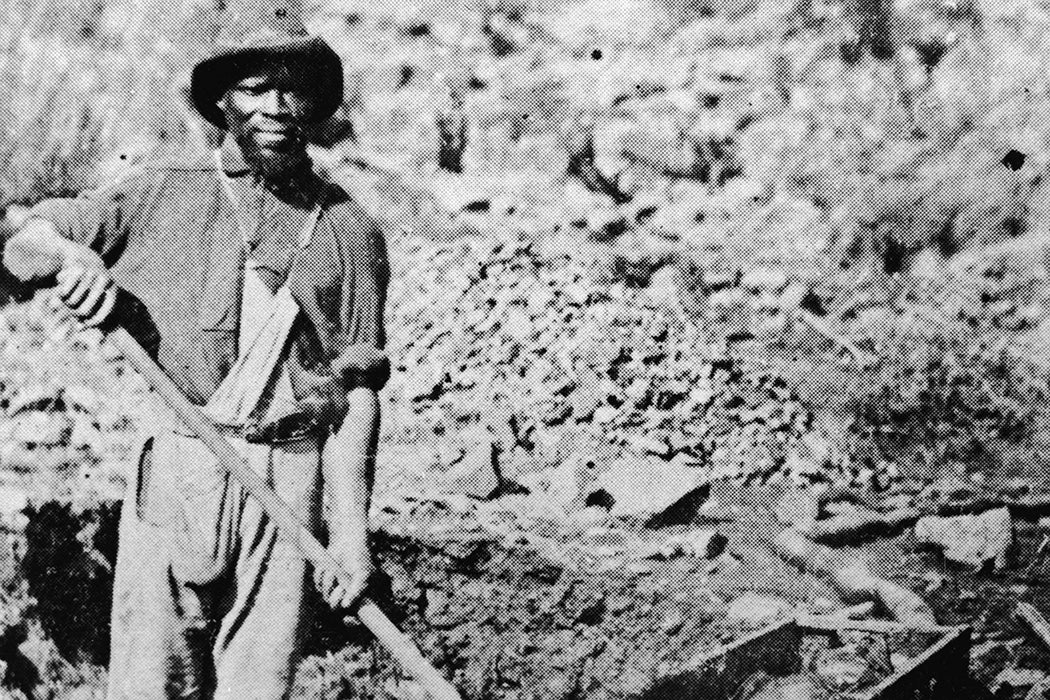
However, this admission did not erase all forms of forced labor. The legal framework of slavery, as practiced in the Southern states, was prohibited. Yet, economic realities and deeply ingrained prejudices created new avenues for exploitation. The burgeoning industries of the state, from mining to agriculture, demanded a cheap and readily available workforce.
Indigenous Enslavement and Labor Exploitation
One of the most significant and often overlooked aspects of unfree labor in California involves its Indigenous populations. Long before European colonization, Indigenous peoples engaged in complex social structures, which sometimes included forms of servitude or tribute. However, with the arrival of Spanish missionaries and later Mexican and American settlers, the situation dramatically shifted.
Spanish and Mexican Rule
Under Spanish and Mexican rule, Indigenous peoples were subjected to the encomienda system and its successor, the ranchos. While not chattel slavery in the same vein as African slavery, these systems compelled Indigenous individuals into labor, often under harsh conditions. Missionaries aimed to convert and “civilize” Native populations, but this often translated into forced labor for the missions themselves, contributing to the construction of missions like Mission San Diego de Alcalá and Mission Santa Barbara.
Following Mexico’s independence from Spain, large land grants, known as ranchos, were awarded to prominent citizens. These rancheros relied heavily on Indigenous labor to herd cattle, cultivate crops, and manage their vast estates. While theoretically free, Indigenous laborers often found themselves indebted to their employers, creating a cycle of dependency that resembled indentured servitude or outright peonage. Laws designed to protect Indigenous people were often poorly enforced, leaving them vulnerable to exploitation.
The Gold Rush Era and Beyond
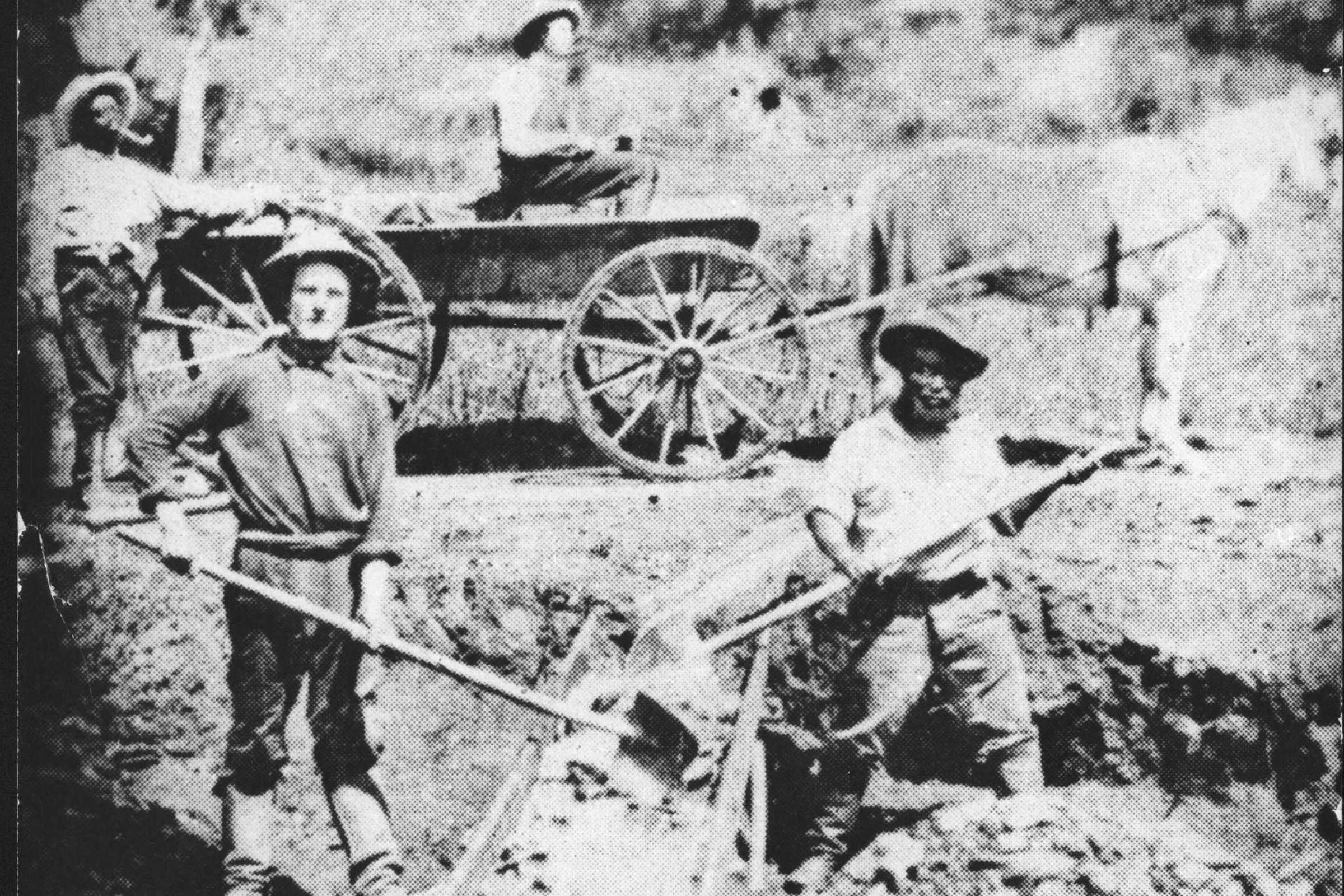
The discovery of gold at Sutter’s Mill in 1848 and the subsequent Gold Rush dramatically accelerated the exploitation of Indigenous peoples. Miners, seeking quick fortunes, often encroached upon Native lands, displacing communities and viewing Indigenous individuals as a source of labor.
The U.S. government’s policy towards Native Americans in California was often brutal. Treaties were made and broken, and Indigenous peoples were frequently forced onto reservations or driven into remote areas. In the process, many were captured and sold into forced labor. Laws passed in California between 1850 and 1860 allowed for the arrest and sale of Indigenous people, particularly children, for vagrancy or debt. This effectively legalized a form of slavery, driven by the demand for cheap labor in mines, farms, and households. These “apprentice” laws allowed settlers to claim Indigenous children, often taken from their families, and force them into unpaid labor for years, sometimes even decades. This practice continued well into the late 19th century, long after California had officially abolished slavery.
African Americans and the Shadow of Slavery
While California was admitted as a free state, the presence and experiences of African Americans in the state reveal a more nuanced reality regarding the struggle against slavery and its lingering effects.
Early African American Settlers
African Americans began arriving in California in significant numbers during the Gold Rush era. Many were formerly enslaved individuals who had gained their freedom, or who had been brought to the state by enslavers who believed it a safe haven from the more stringent slave laws of the South. However, freedom was not always guaranteed.
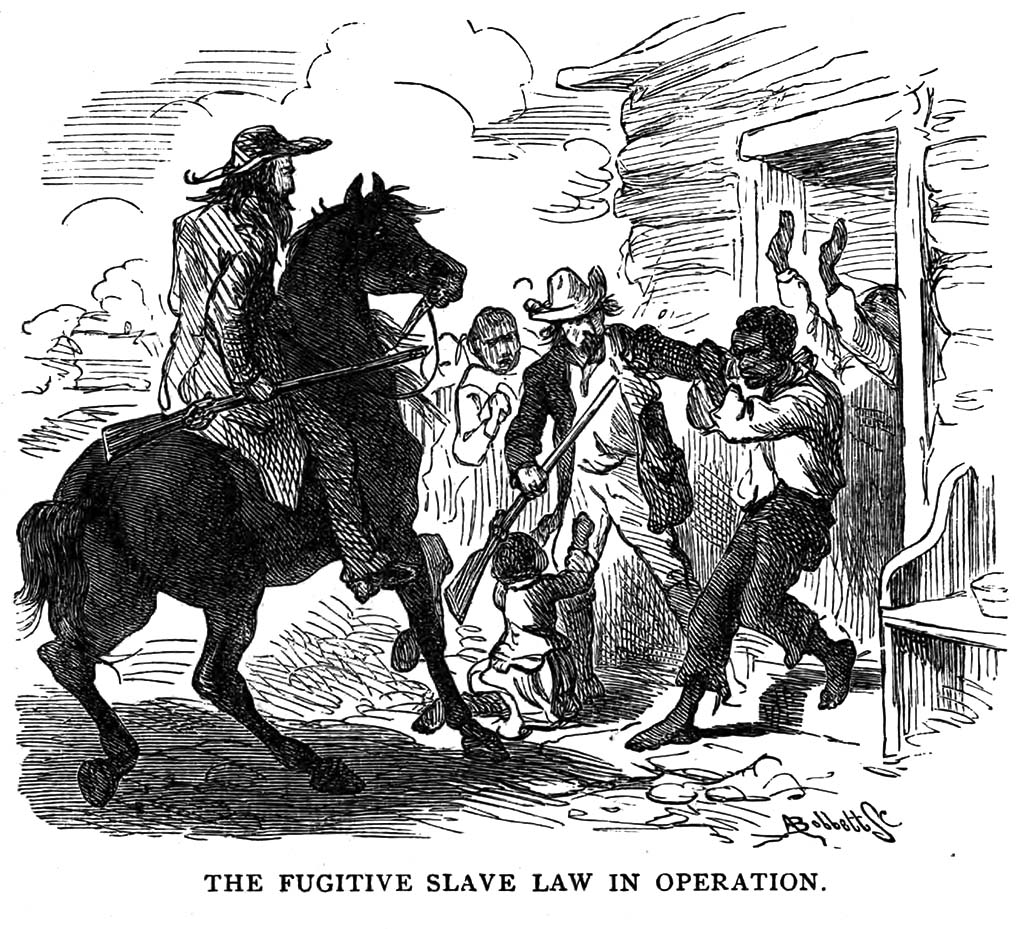
The Fugitive Slave Act of 1850, part of the Compromise of 1850, had a profound impact on California. This federal law required citizens to assist in the capture and return of escaped enslaved individuals, even in free states. This meant that African Americans in California, regardless of whether they were born free or had escaped slavery, lived in constant fear of being captured and sent back into bondage. Vigilance committees formed in cities like San Francisco to help protect African Americans from slave catchers.
Legal Loopholes and De Facto Slavery
Despite being legally free, African Americans in California faced severe discrimination. They were often denied the right to vote, testify in court against white individuals, and were excluded from many occupations. The economic opportunities that were supposed to be available in a free state were often out of reach due to prejudice.
Furthermore, despite the prohibition of chattel slavery, other forms of unfree labor persisted. For example, African Americans could be legally bound to service through the state’s apprenticeship laws. While intended to provide training, these laws were often used to compel Black individuals into unpaid or underpaid labor for extended periods, mirroring conditions of servitude. The distinction between legal slavery and legally sanctioned forced labor became blurred for many.
The Legacy and Memory of Unfree Labor in California
The history of slavery and unfree labor in California is a critical component of understanding the state’s past and its ongoing struggle with issues of race and inequality. While the iconic image of California is one of progress and freedom, this narrative often overlooks the deeply entrenched systems of oppression that shaped its development.
Confronting a Difficult Past
Acknowledging the existence of slavery and other forms of forced labor is crucial for a complete understanding of California’s history. The exploitation of Indigenous peoples and the lived experiences of African Americans under the shadow of the Fugitive Slave Act and discriminatory laws highlight that freedom was not universally experienced.
Museums, historical societies, and academic institutions in California are increasingly dedicating resources to exploring these often-uncomfortable truths. Exhibits at places like the California Historical Society and the African American Museum and Library at Oakland provide vital platforms for telling these stories.
Understanding California’s Identity
The narrative of California as a beacon of freedom must be reconciled with the realities of its past. The state’s journey from a territory grappling with the expansion of slavery to a free state, while simultaneously perpetuating forms of unfree labor against its most vulnerable populations, offers a complex lesson in American history. Understanding this history is essential for any visitor seeking to grasp the multifaceted identity of California, beyond its sunny beaches and theme parks. It is a history that continues to inform the present, shaping dialogues around social justice, civil rights, and the ongoing pursuit of true equality for all.
LifeOutOfTheBox is a participant in the Amazon Services LLC Associates Program, an affiliate advertising program designed to provide a means for sites to earn advertising fees by advertising and linking to Amazon.com. Amazon, the Amazon logo, AmazonSupply, and the AmazonSupply logo are trademarks of Amazon.com, Inc. or its affiliates. As an Amazon Associate we earn affiliate commissions from qualifying purchases.