
The pursuit of a medical education at prestigious institutions like Chicago Medical School is a journey fraught with meticulous planning and strategic application. Prospective students often grapple with numerous questions regarding the application process, and a recurring one pertains to the necessity and weight of letters of recommendation, particularly those from academic mentors and professors. While the specifics can vary slightly from one medical school to another, and even from year to year, understanding the general landscape of medical school admissions requirements, especially for a renowned institution like Chicago Medical School, provides significant clarity. The overarching answer is a resounding yes; letters of recommendation from professors are not just beneficial, they are typically a crucial component of a competitive application.

The Indispensable Role of Academic Recommendations
Medical schools, at their core, are seeking to identify individuals who possess not only a strong academic foundation but also the intellectual curiosity, critical thinking skills, and dedication required to excel in the rigorous and demanding field of medicine. Professors, who have directly observed applicants in an academic setting, are uniquely positioned to speak to these attributes. Their insights go beyond standardized test scores and GPA, offering a qualitative assessment of a student’s potential.
Gauging Intellectual Aptitude and Academic Performance
Professors can attest to an applicant’s performance in challenging coursework, their ability to grasp complex concepts, and their engagement in class discussions. A letter from a professor who has witnessed firsthand a student’s intellectual growth, their ability to analyze information, and their contributions to academic discourse provides invaluable evidence of readiness for the academic rigors of medical school. This is particularly true for professors in science disciplines, as their testimonials can directly address a student’s understanding of foundational medical sciences. For instance, a professor in an organic chemistry or biology course can comment on an applicant’s analytical skills and problem-solving abilities in subjects directly relevant to medical training.
Demonstrating Work Ethic and Character
Beyond raw intellect, medical schools are keenly interested in an applicant’s work ethic, their ability to persevere through challenging tasks, and their overall character. A professor who has known a student for an extended period, perhaps through multiple courses or as an academic advisor, can provide nuanced perspectives on their dedication, reliability, and academic integrity. They can speak to whether a student is a proactive learner, someone who seeks understanding beyond the minimum requirements, and someone who handles feedback constructively. These are qualities that translate directly into success in medical school and beyond, where continuous learning and resilience are paramount.
Insight into Research and Extracurricular Engagement
Many medical school applicants engage in research, undergraduate teaching assistant roles, or other academic-adjacent activities. Professors who supervise these activities can offer specific insights into an applicant’s ability to conduct research, their critical analysis of scientific literature, their teamwork skills within a lab setting, and their capacity to mentor or teach. These experiences, when endorsed by a faculty member, carry significant weight. They demonstrate a proactive engagement with the scientific community and an early exposure to the investigative aspects of medicine, which are highly valued.
Navigating the Letter of Recommendation Process
Understanding why these letters are important is the first step; knowing how to obtain strong ones is equally critical. The quality of a letter of recommendation is directly tied to the depth of the recommender’s relationship with the applicant and their ability to speak to specific qualities.
Choosing the Right Recommenders
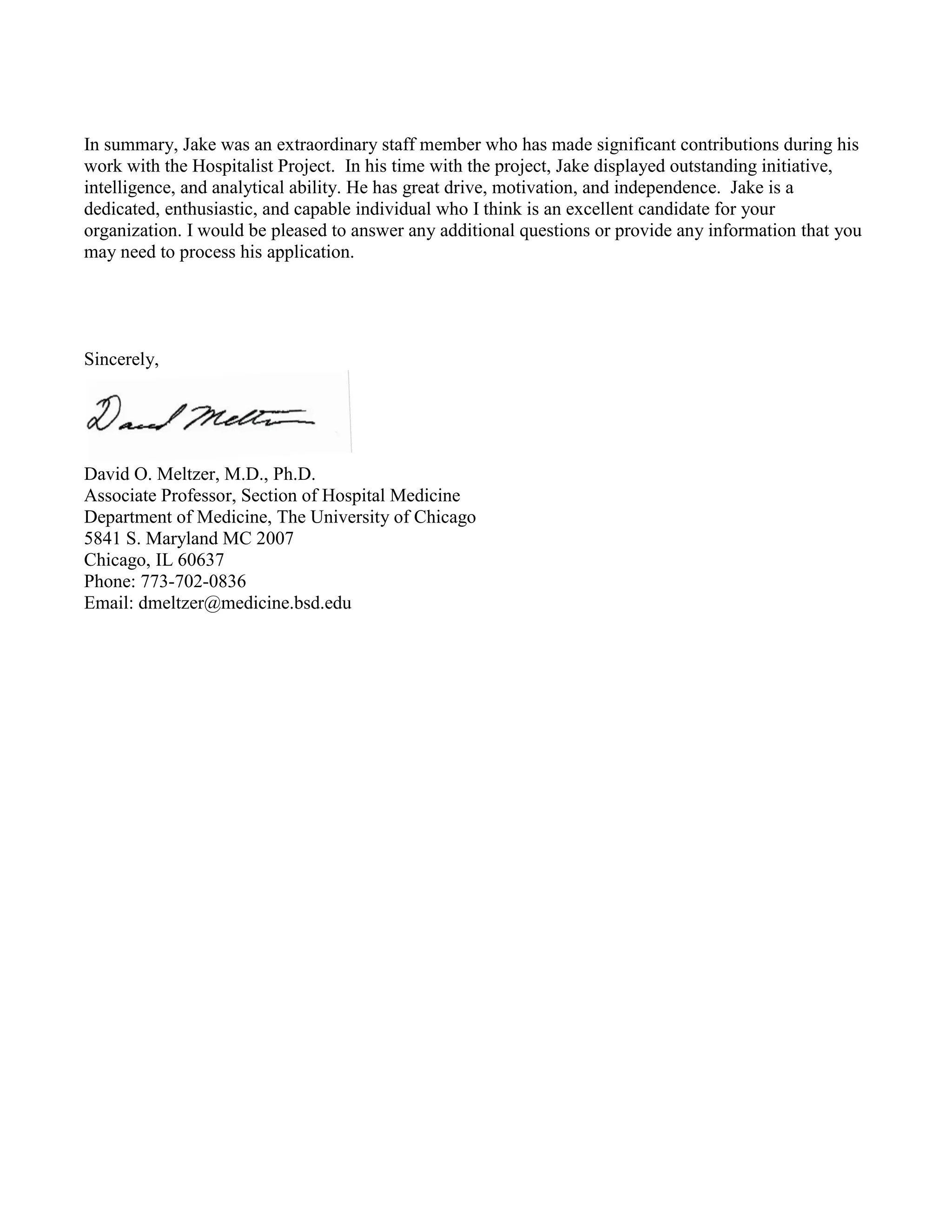
For Chicago Medical School and similar institutions, the ideal recommenders are typically faculty members with whom the applicant has had significant academic interaction. This usually means professors from undergraduate science courses, particularly those in departments like biology, chemistry, physics, or advanced mathematics. A strong recommendation from a professor who knows the student well, having taught them in multiple courses or supervised them in research, is far more valuable than a generic letter from an instructor who barely knows their name.
Cultivating Meaningful Relationships
Building relationships with professors is an ongoing process that begins early in one’s undergraduate career. Attending office hours, actively participating in class, seeking opportunities for research or independent study, and performing consistently well in their courses are all ways to make a positive impression. When it comes time to request a letter, the professor should have enough positive interactions and observations to write a compelling and specific endorsement. It is advisable to approach professors with whom you have a genuine connection and who can speak to your strengths authentically.
Providing Necessary Materials
To facilitate the writing of a strong letter, applicants should provide their recommenders with ample supporting materials. This typically includes a curriculum vitae (CV) or resume, a personal statement or statement of purpose (even a draft), a transcript, and a clear list of the medical schools to which the letters will be submitted, along with their deadlines and submission portals. It is also beneficial to remind the professor of specific courses taken with them, grades achieved, and any notable projects or contributions made. A brief, personalized note reiterating why you are asking them specifically and what aspects of your experience you hope they might highlight can also be very helpful.
The Application Committee’s Perspective
The admissions committee at Chicago Medical School reviews thousands of applications each year. The letters of recommendation serve as a critical component in differentiating candidates. They provide a third-party validation of the qualities and achievements that an applicant presents in their personal statement and other application materials.
Beyond the Numbers: A Holistic Review
While GPA and MCAT scores are important indicators of academic preparedness, they do not tell the whole story. The letters of recommendation offer a glimpse into an applicant’s personality, maturity, and potential for growth in a professional and patient-facing role. A committee member reads these letters to understand how an applicant is perceived by those who have directly mentored them in an academic capacity. Positive, specific anecdotes from professors can paint a picture of a dedicated, capable, and well-rounded individual, while lukewarm or generic letters can raise concerns.
Identifying Red Flags and Strengths
Letters of recommendation can also serve to identify potential red flags or to further emphasize exceptional strengths. A professor might inadvertently highlight a weakness that the applicant did not choose to emphasize in their own narrative, or they might offer a powerful endorsement that solidifies the applicant’s suitability for medical school. For instance, if an applicant had a challenging semester, a professor might be able to provide context for it and speak to how the applicant overcame those difficulties, demonstrating resilience. Conversely, a professor might highlight a unique talent or passion that the applicant hadn’t fully articulated elsewhere, adding another dimension to their profile.
The Significance of Professor Recommendations for Chicago Medical School
For a respected institution like Chicago Medical School, the admissions committee employs a rigorous, holistic review process. This means they are looking for more than just high test scores. They seek to understand the applicant as a whole person, evaluating their academic capabilities, their experiences, their personal qualities, and their potential to become a compassionate and competent physician.
Academic Rigor and Scientific Acumen
The foundational sciences are the bedrock of medical education. Professors in these fields can provide the most direct assessment of an applicant’s understanding of complex biological, chemical, and physical principles. Their letters can confirm an applicant’s ability to think critically about scientific problems, to engage with technical literature, and to perform well in demanding scientific environments. This is particularly relevant for courses that are prerequisites for medical school and that serve as the basis for understanding disease processes and treatments.
Character, Maturity, and Professionalism
Beyond academic prowess, medical schools seek individuals who demonstrate the ethical grounding, emotional intelligence, and interpersonal skills necessary to interact effectively with patients, colleagues, and the broader healthcare community. Professors, having observed students in group projects, discussions, and academic pursuits, can offer insights into an applicant’s maturity, their ability to collaborate, their communication skills, and their overall character. These qualitative assessments are invaluable in predicting an applicant’s future success in a profession that demands high ethical standards and excellent interpersonal relations.

Commitment and Potential
The decision to apply to medical school is a significant one, and admissions committees want to see evidence of sustained commitment and a genuine passion for medicine. Professors who have seen an applicant grow and develop over time can speak to their dedication to learning, their perseverance in the face of challenges, and their evolving interest in the medical field. Their observations can offer a compelling narrative of an applicant’s journey and their potential to contribute meaningfully to the profession.
In conclusion, while the specific requirements for medical school applications can be intricate and subject to change, the importance of letters of recommendation from professors remains a consistent and critical element. For an applicant aiming for a program as esteemed as Chicago Medical School, securing strong, insightful letters from faculty mentors who know them well is not merely an option; it is an essential step in presenting a compelling and competitive application.
LifeOutOfTheBox is a participant in the Amazon Services LLC Associates Program, an affiliate advertising program designed to provide a means for sites to earn advertising fees by advertising and linking to Amazon.com. Amazon, the Amazon logo, AmazonSupply, and the AmazonSupply logo are trademarks of Amazon.com, Inc. or its affiliates. As an Amazon Associate we earn affiliate commissions from qualifying purchases.