
Becoming a Certified Nursing Assistant (CNA) in California offers a stable and profoundly rewarding career path that can significantly shape one’s lifestyle, providing not only professional fulfillment but also the financial independence and flexibility to truly embrace the diverse opportunities the Golden State offers. This profession is more than just a job; it’s a foundational step into the healthcare field, impacting daily life, community engagement, and long-term personal aspirations within the vibrant landscape of California. For those seeking a career that aligns with personal values of care and service, while also supporting a desired standard of living and work-life balance, the journey to becoming a CNA in California is a strategic and impactful choice.
A Rewarding Career Path Shaping Your California Lifestyle
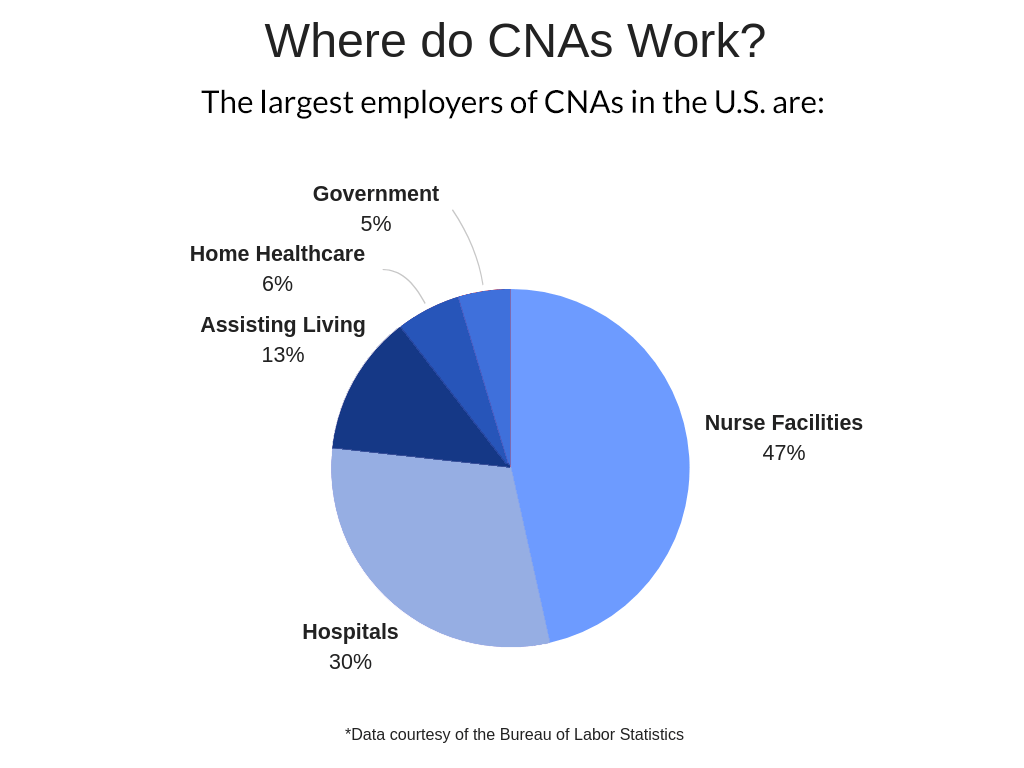
Choosing to become a Certified Nursing Assistant in California is a decision that extends far beyond the professional realm, directly influencing one’s lifestyle in numerous positive ways. The demand for CNAs across California’s sprawling network of hospitals, nursing homes, assisted living facilities, and home health agencies ensures robust job security, a critical factor for stable living in any region, especially one with a dynamic economy like California. This stability provides peace of mind, allowing individuals to plan for their future, invest in their communities, and enjoy the rich cultural and natural attractions that define the California experience, from the beaches of San Diego to the tech hubs of Silicon Valley.
Beyond mere employment, the CNA role inherently offers deep personal satisfaction. Providing direct care to patients—assisting with daily living activities, monitoring vital signs, and offering companionship—creates meaningful connections and a sense of purpose. This profound impact on the lives of others translates into a fulfilling personal lifestyle, where one’s daily work contributes directly to the well-being of the community. In a state known for its innovation and forward-thinking approaches, healthcare remains a cornerstone, and CNAs are vital to its function. The flexible scheduling often associated with CNA positions—including day, evening, night, and weekend shifts—can also be a significant lifestyle advantage, allowing individuals to pursue higher education, manage family responsibilities, or engage in hobbies and recreational activities, whether it’s hiking in the Sierra Nevada or exploring the vineyards of Napa Valley. This adaptability helps craft a work-life balance tailored to individual needs and aspirations, reinforcing the idea that a CNA career can genuinely support a desired California lifestyle.
Navigating the Certification Journey for a Fulfilling Life
Embarking on the path to becoming a CNA in California is a structured process designed to ensure high standards of patient care. Each step is an investment in a stable and meaningful professional life, ultimately contributing to a secure and enriching personal lifestyle. Understanding and meticulously following these steps is paramount for success.
Step 1: Meet Eligibility Requirements
Before enrolling in a training program, prospective CNAs must meet certain fundamental criteria. Typically, applicants must be at least 16 years old, although some programs may require candidates to be 18. A high school diploma or GED is often a prerequisite for enrollment in many CNA programs, though some might offer exceptions or require a competency test. Furthermore, a criminal background check and fingerprinting are mandatory through the California Department of Public Health (CDPH) to ensure patient safety. These initial requirements safeguard the integrity of the profession and protect vulnerable populations, reflecting the commitment to ethical practice that underpins a respected healthcare lifestyle.
Step 2: Complete a State-Approved Training Program
The core of CNA certification in California involves completing a state-approved training program. These programs are offered by community colleges, vocational schools, and some healthcare facilities across the state, from Eureka to El Centro. The California Department of Public Health (CDPH) mandates a minimum of 160 hours of instruction, divided into two crucial components:
- Classroom Instruction: At least 60 hours are dedicated to theoretical knowledge, covering topics such as patient rights, communication skills, basic nursing skills, anatomy and physiology, infection control, nutrition, and mental health awareness. This theoretical foundation ensures CNAs are equipped with the knowledge to provide competent and compassionate care.
- Clinical Practice: A minimum of 100 hours of hands-on clinical training is required in a skilled nursing facility. Under the direct supervision of a licensed nurse, students apply their classroom knowledge in real-world settings. This practical experience is invaluable, allowing aspiring CNAs to develop crucial skills like assisting with personal care, transferring patients, taking vital signs, observing and reporting changes in patient condition, and maintaining a safe environment. This immersive experience not only builds practical skills but also helps individuals acclimate to the daily rhythm of healthcare, an essential part of the lifestyle they are choosing.
Completing this rigorous training provides not just skills, but also confidence and a deep understanding of patient needs, preparing individuals for a life of service and impact within the healthcare landscape of California.
Step 3: Pass the Competency Exam
Upon successful completion of an approved training program, candidates must pass the National Nurse Aide Assessment Program (NNAAP) exam, which is administered by Pearson VUE in California. This comprehensive exam consists of two parts:
- Written (or Oral) Test: This section assesses the candidate’s theoretical knowledge of nursing assistant duties, patient care principles, and communication. It can often be taken orally for those with reading difficulties.
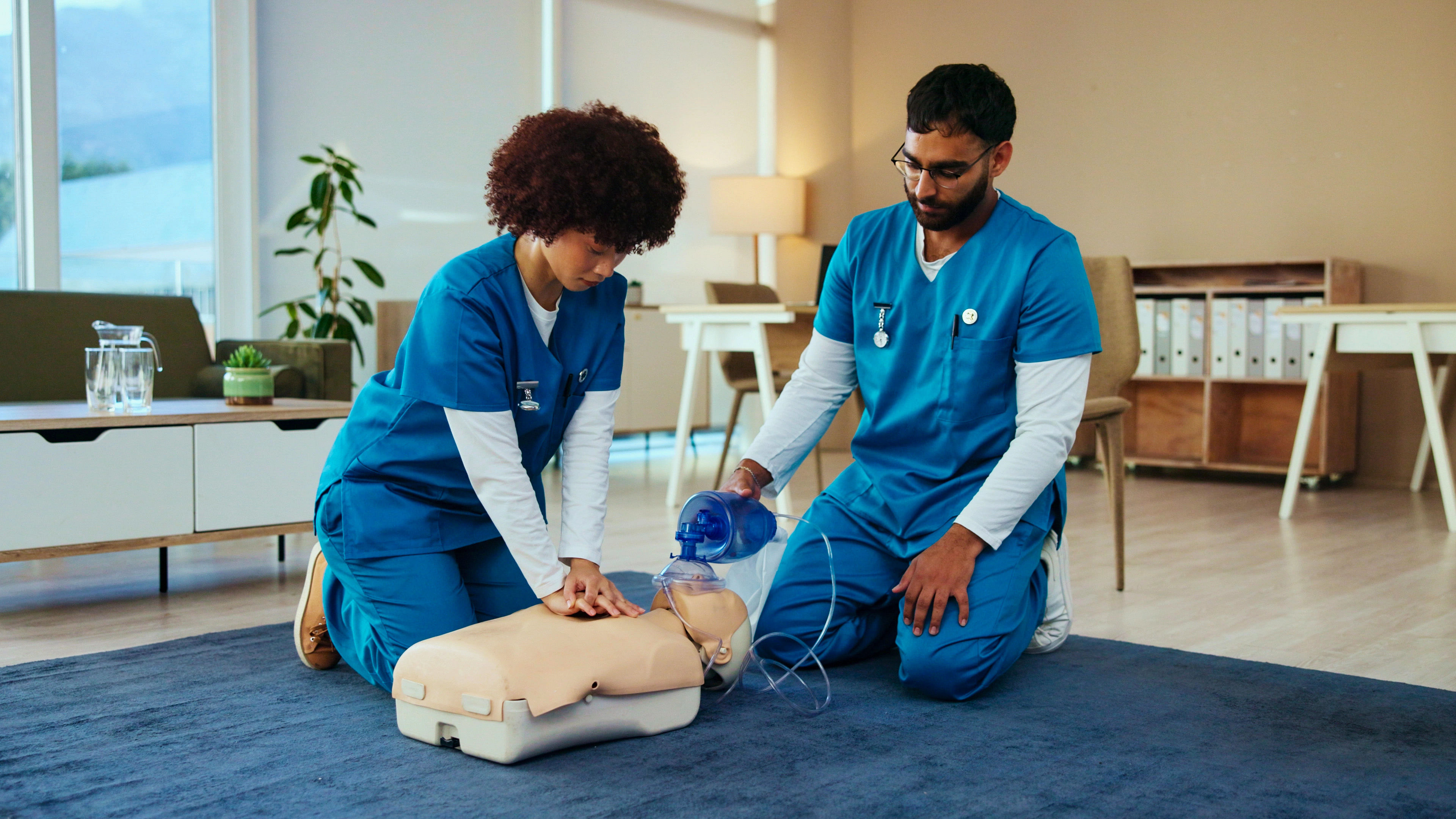
- Skills Test: This practical portion requires candidates to demonstrate five specific nursing skills chosen at random from a predetermined list. These skills are performed in front of an evaluator and must be executed accurately and safely, reflecting the hands-on nature of the CNA role.
Passing both components of the NNAAP exam is the definitive gateway to certification, validating an individual’s readiness to provide high-quality care and solidify their commitment to a professional healthcare lifestyle.
Step 4: Apply for Certification
Once both parts of the NNAAP exam are successfully passed, the final step is to submit an application for certification to the California Department of Public Health (CDPH). The CDPH processes these applications and issues the official CNA certificate, which must be renewed every two years by completing 48 hours of approved in-service training or continuing education units (CEUs), and maintaining at least one day of paid employment as a CNA within the two-year period. This ongoing education and active employment ensure that CNAs in California remain current with best practices, further embedding their career and lifestyle within a framework of continuous learning and professional development.
The Daily Life of a CNA: Impact on Work-Life Balance and Community
The daily life of a Certified Nursing Assistant in California is dynamic and multifaceted, often dictating the rhythm of one’s personal lifestyle. While challenging, the role offers a unique opportunity for deep engagement with the community and significant personal growth. CNAs are on the front lines of patient care, spending more direct time with patients than almost any other healthcare professional. This constant interaction means building rapport, understanding individual needs, and providing comfort, which can be profoundly rewarding.
A typical day might involve assisting multiple patients with personal hygiene, mobility, feeding, and vital sign monitoring. It requires keen observation skills, reporting changes in patient condition to nurses, and maintaining accurate documentation. The physical demands of the job are balanced by the immense emotional satisfaction derived from directly improving someone’s quality of life. In vibrant cities like Los Angeles or San Francisco, CNAs work in diverse settings, from large medical centers to intimate home care environments, each offering a different work culture and community interaction.
The flexibility in scheduling, as mentioned, is a key lifestyle advantage. Many CNAs work three 12-hour shifts per week, leaving four days free for personal pursuits, family time, or further education. This work-life balance is highly valued in California, enabling individuals to fully enjoy the state’s recreational offerings, whether it’s surfing along the Pacific Coast or exploring the cultural richness of Oakland. Beyond individual lifestyle, CNAs contribute significantly to the fabric of their local communities by supporting the health and well-being of its most vulnerable members, fostering a sense of belonging and civic pride.

Financial Independence and Geographic Flexibility for California Living
A career as a Certified Nursing Assistant in California offers significant opportunities for financial independence and geographic flexibility, two critical components of a desirable California lifestyle. While entry-level salaries may vary, the steady demand for healthcare professionals ensures consistent employment. With experience, additional certifications (such as Home Health Aide or phlebotomy), and specialization, CNAs can increase their earning potential significantly. Many use their CNA experience as a stepping stone to further their education, pursuing careers as Licensed Vocational Nurses (LVNs), Registered Nurses (RNs), or other allied health professions, which further enhances long-term financial stability and career progression within the California healthcare system.
The sheer size and diversity of California mean that job opportunities for CNAs exist in virtually every corner of the state. From bustling urban centers like Sacramento to serene rural communities, skilled CNAs are always in demand. This geographic flexibility allows individuals to choose a living environment that best suits their personal preferences and lifestyle goals. Whether one dreams of living near the beaches of Santa Monica, the wine country of Sonoma, or the natural beauty surrounding Lake Tahoe, a CNA certification provides a portable skill set that opens doors across the state. This freedom to choose where to live and work, combined with a secure and meaningful career, empowers individuals to truly craft their ideal California lifestyle, contributing to a vibrant community while achieving personal and financial aspirations.
LifeOutOfTheBox is a participant in the Amazon Services LLC Associates Program, an affiliate advertising program designed to provide a means for sites to earn advertising fees by advertising and linking to Amazon.com. Amazon, the Amazon logo, AmazonSupply, and the AmazonSupply logo are trademarks of Amazon.com, Inc. or its affiliates. As an Amazon Associate we earn affiliate commissions from qualifying purchases.