
The vast expanse of North America holds many fascinating geographical relationships, and one that frequently sparks curiosity is the proximity of major American cities to the international border. For those based in the vibrant metropolis of Chicago, the question of “How far from Chicago to Canada?” is not just about mileage; it’s a gateway to understanding travel possibilities, border crossings, and the diverse experiences that lie just beyond the familiar. Understanding this distance unlocks opportunities for weekend getaways, extended vacations, and exploration of a neighboring nation rich in culture and natural beauty.
Measuring the Miles: Chicago to the Canadian Border
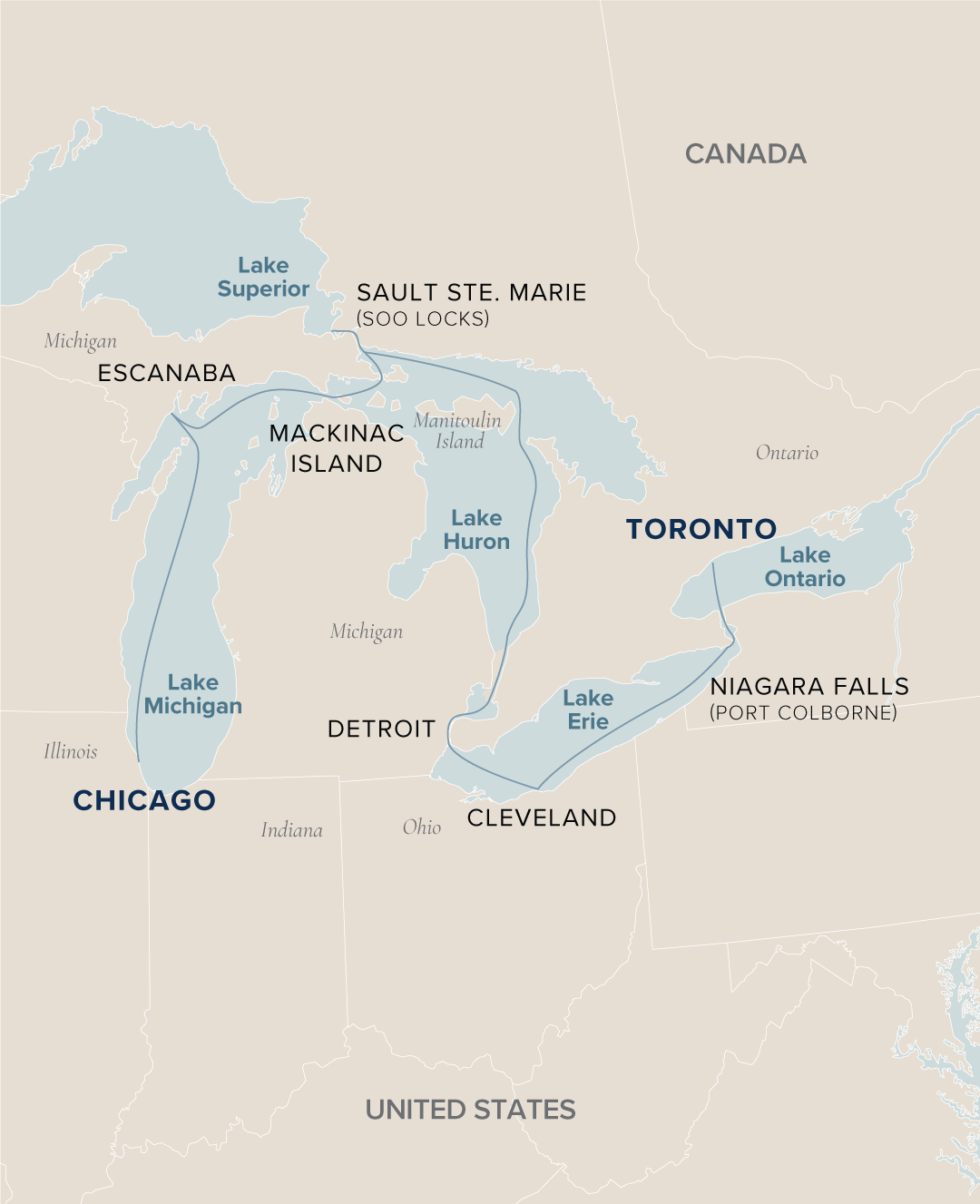
The most direct answer to “How far from Chicago to Canada?” depends on which part of the Canadian border you’re referencing and your chosen mode of transportation. Generally, the closest point of entry into Canada from Chicago is via the province of Ontario, specifically near the western end of Lake Erie.

Driving Distances and Border Crossings
For drivers, the journey begins with heading north out of Chicago. The most common routes will take travelers towards Detroit, Michigan, or Buffalo, New York, both of which have significant border crossings into Canada.
- To Windsor, Ontario (via Detroit): This is often the most straightforward and quickest driving route. The distance from Chicago to the Ambassador Bridge or the Detroit-Windsor Tunnel is approximately 280-290 miles. The drive typically takes about 4.5 to 5 hours, depending on traffic conditions and the specific starting point within the Chicago metropolitan area. Once across the border into Windsor, you are officially in Canada.
- To Fort Erie, Ontario (via Buffalo): This route is longer but can be a scenic option, especially if you plan to explore parts of Ohio and Pennsylvania along the way. The distance from Chicago to the Peace Bridge border crossing near Buffalo is roughly 540-550 miles. This drive typically requires 8.5 to 9.5 hours of pure driving time, not including stops. This option might be more appealing if your ultimate destination in Canada lies further east, such as in the Niagara Region or Toronto.
It’s crucial to remember that these are driving times and distances. Actual travel time can be significantly impacted by weather, road construction, and, most importantly, wait times at the border crossings. Peak travel seasons, holidays, and even specific times of day can lead to considerable delays.
Air Travel: A Quicker Path North
For those seeking to minimize travel time, air travel offers a significantly faster alternative. While there isn’t a direct flight from Chicago to a border town, flights to major Canadian cities are plentiful.
- To Toronto, Ontario: Chicago O’Hare International Airport (ORD) and Chicago Midway International Airport (MDW) offer numerous daily flights to Toronto Pearson International Airport (YYZ). The flight duration is typically around 1.5 hours. From the airport, you are in the heart of Canada’s most populous city, ready to explore its urban attractions, diverse culinary scene, and vibrant culture.
- To other Canadian Cities: Flights are also available to other major Canadian hubs like Montreal, Vancouver, or Calgary, though these will involve longer flight times and may require layovers. However, for the purpose of simply reaching Canada, flying into Toronto is the most common and efficient method from Chicago.
The “distance” in this context is measured not in miles on the road, but in the swiftness of reaching a Canadian destination, making an international experience accessible for a long weekend or even a day trip for some.
Navigating the Border: Essential Travel Information
Understanding the distance is only the first step. Successfully crossing the Canada-United States border requires preparation and adherence to regulations. For travelers coming from Chicago to Canada, the process is generally smooth for those who are well-informed.
Documentation Requirements
- For U.S. Citizens: While a passport is the most widely accepted form of identification for crossing into Canada, U.S. citizens can also use an enhanced driver’s license (EDL) or an NEXUS card (a trusted traveler program) for land and sea crossings. For air travel, a valid U.S. passport is mandatory. It’s always recommended to carry your passport for any international travel, as it provides the most comprehensive proof of identity and citizenship.
- For Other Nationalities: Citizens of countries requiring a visa to enter Canada must obtain the appropriate visa or Electronic Travel Authorization (eTA) in advance. U.S. visa requirements do not automatically grant entry into Canada. Always check the official Immigration, Refugees and Citizenship Canada (IRCC) website for the most up-to-date information regarding entry requirements.
Border Crossing Procedures
At the Canadian port of entry, you will interact with a Canada Border Services Agency (CBSA) officer. Be prepared to answer questions about your citizenship, the purpose of your visit, the duration of your stay, and what you are bringing into the country. Honesty and clarity are key.
- Declaration of Goods: You must declare any goods you are bringing into Canada, including alcohol, tobacco, firearms, and items exceeding the duty-free allowance. Be aware of restrictions on certain items.
- Pets: If traveling with pets, ensure you have the necessary vaccination records and documentation as required by Canadian regulations.
- Immigration: The CBSA officer has the final authority on whether you are admissible into Canada. They will assess your intent to visit versus immigrate and ensure you meet the country’s entry criteria.
Planning your border crossing, especially during busy periods, can significantly reduce travel stress. Checking border wait times online or through mobile apps can help you choose the least congested crossing.

Exploring Beyond the Border: Canadian Destinations Accessible from Chicago
Once you’ve made the journey across the border from Chicago, a wealth of experiences awaits in Canada. The proximity of Ontario offers a diverse range of attractions, from bustling urban centers to serene natural landscapes.
Toronto: A Cosmopolitan Hub
Toronto, the capital of Ontario, is a dynamic multicultural city easily accessible from Chicago by air or a longer drive. It boasts iconic landmarks, world-class dining, and vibrant arts and entertainment scenes.
-
Attractions:
- CN Tower: Offers breathtaking panoramic views of the city and Lake Ontario.
- Royal Ontario Museum (ROM): Features extensive collections spanning natural history and world cultures.
- Art Gallery of Ontario (AGO): Showcases a vast collection of Canadian and international art.
- Distillery District: A pedestrian village with Victorian industrial architecture housing unique boutiques, galleries, and restaurants.
- Islands: A short ferry ride away, the Toronto Islands offer parks, beaches, and recreational activities with stunning city skyline views.
-
Culinary Delights: Toronto is a foodie paradise, known for its diverse culinary landscape reflecting its multicultural population. From authentic Chinese dim sum in Chinatown to delicious Indian curries in the Gerrard India Bazaar, and innovative eateries in King West, there’s something to satisfy every palate. Don’t miss trying Poutine, a quintessential Canadian dish.
Niagara Falls: Natural Wonder and Entertainment
The majestic Niagara Falls is another prime destination reachable from Chicago, typically via the drive through Michigan and Ohio, or by flying into Buffalo and crossing at Fort Erie. The falls themselves are a breathtaking spectacle of nature.
- Experiences:
- Journey Behind the Falls: Get up close to the thundering water.
- Maid of the Mist: A boat tour that takes you into the basin of the falls.
- Clifton Hill: Known as the “Street of Fun,” it offers numerous attractions, entertainment venues, and restaurants.
- Wineries: The Niagara-on-the-Lake region is renowned for its vineyards and wineries, offering wine tastings and tours.
Southwestern Ontario: Charming Towns and Lakeside Escapes
Beyond the major cities, Southwestern Ontario offers a more relaxed pace, with charming towns, agricultural landscapes, and access to the Great Lakes.
- Stratford: Famous for its world-renowned Stratford Festival, a premier classical theatre event.
- Erieau and Port Stanley: Picturesque lakeside towns offering beaches, boating, and a quintessential small-town Canadian feel.
- Point Pelee National Park: A unique natural area where the climate is moderated by Lake Erie, supporting a rich diversity of plant and animal life. It’s the southernmost inhabited point in Canada.
Planning Your Canadian Excursion from Chicago
The journey from Chicago to Canada is more than just a question of distance; it’s an invitation to explore new horizons. Whether you opt for the convenience of air travel to Toronto or the adventurous spirit of a road trip towards Ontario, careful planning ensures a seamless and memorable experience.
Choosing Your Mode of Transport
- Driving: Offers flexibility and the opportunity to see more of the landscapes along the way. It’s ideal for those planning to explore multiple destinations within Ontario or who wish to bring more luggage. Factor in fuel costs, potential accommodation stops, and the unpredictable nature of border wait times.
- Flying: The quickest way to reach Canadian cities like Toronto. Ideal for short trips or when time is a primary constraint. Booking flights in advance can often secure better fares. Consider the cost and time involved in getting to and from airports on both ends.
Accommodation and Activities
Canada offers a wide spectrum of accommodation options, from luxury hotels in Toronto and charming bed and breakfasts in smaller towns to resorts along the Niagara region and campsites within national parks. Booking in advance is highly recommended, especially during peak tourist seasons.
When planning your itinerary, consider the season. Summer offers warm weather ideal for exploring cities and parks, while fall brings stunning foliage to the Niagara region and the surrounding countryside. Winter provides opportunities for skiing and enjoying Canadian holiday markets.
The question of “How far from Chicago to Canada?” opens up a world of possibilities. With straightforward travel routes and relatively short travel times compared to transcontinental journeys, Canada represents an accessible and rewarding international travel destination for residents of Chicago and the surrounding regions. A little planning, the right documentation, and a sense of adventure are all you need to embark on your Canadian exploration.
LifeOutOfTheBox is a participant in the Amazon Services LLC Associates Program, an affiliate advertising program designed to provide a means for sites to earn advertising fees by advertising and linking to Amazon.com. Amazon, the Amazon logo, AmazonSupply, and the AmazonSupply logo are trademarks of Amazon.com, Inc. or its affiliates. As an Amazon Associate we earn affiliate commissions from qualifying purchases.