
Navigating the temporal landscape of a major metropolitan area like Chicago can be crucial for seamless travel planning, business engagements, and understanding local rhythms. A common point of confusion for visitors and even some residents revolves around time zones. The question, “Is Chicago on Eastern Standard Time?” touches upon a fundamental aspect of geography and its practical implications. This exploration delves into Chicago’s precise time zone designation, its historical context, and the tangible effects this has on travelers and daily life within the city.
Understanding Time Zones in North America
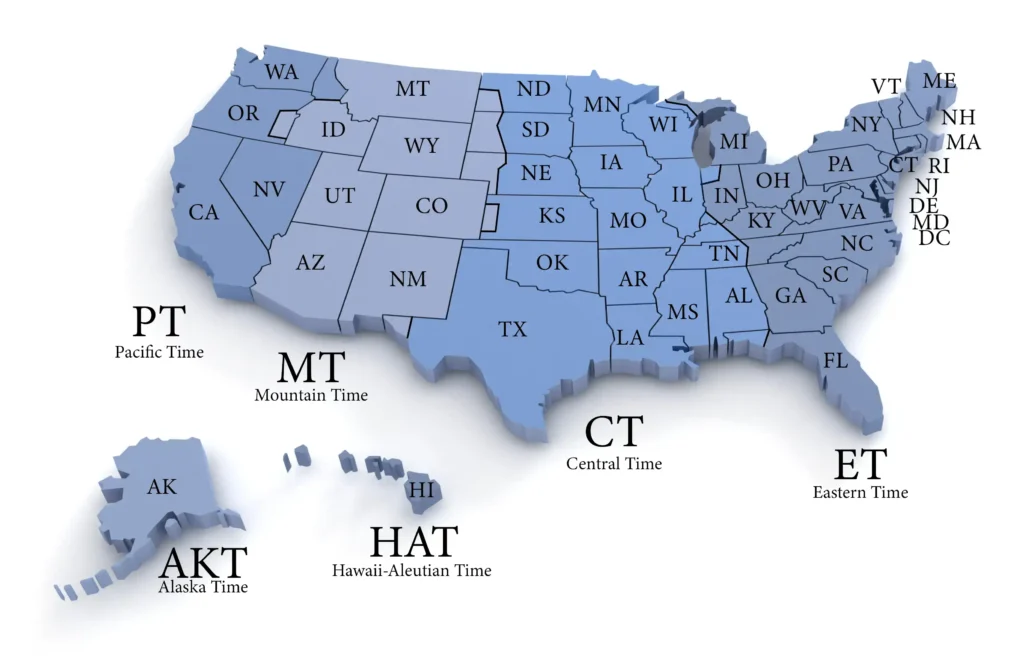
North America is a vast continent, and to manage communication, transportation, and commerce effectively across its diverse geography, it is divided into several standard time zones. These zones are largely defined by lines of longitude and are established to ensure that local noon (when the sun is at its highest point in the sky) occurs at roughly the same time each day within each zone. The primary time zones, moving westward from the Atlantic coast, include Atlantic Standard Time (AST), Eastern Standard Time (EST), Central Standard Time (CST), Mountain Standard Time (MST), and Pacific Standard Time (PST).
The Role of Daylight Saving Time
It is important to note that the designations “Standard Time” often refer to the period when clocks are set back. During the warmer months, many regions observe Daylight Saving Time (DST), where clocks are advanced by one hour. This shifts the period of daylight to later in the evening. For example, EST becomes Eastern Daylight Time (EDT) during DST, and CST becomes Central Daylight Time (CDT). The transition dates for DST are typically set by federal law in the United States and Canada, usually beginning in early March and ending in early November. This seasonal adjustment adds another layer to understanding local times.
How Time Zones Are Determined
The determination of time zones is not an exact science dictated by straight lines of longitude. Instead, boundaries are often adjusted to follow political or geographical divisions, such as state or county lines, to avoid splitting communities or businesses across different times. This pragmatic approach aims to minimize disruption and maintain consistency within established regions. The United States officially adopted standard time zones in 1918, with the aim of coordinating railroad schedules, though debates and adjustments continued for decades.
Chicago’s Time Zone Designation
Chicago, the third-largest city in the United States, is situated in the Midwestern region. Geographically, it lies in a position that could plausibly fall into either the Eastern or Central time zones. However, by historical convention and established boundaries, Chicago has long been a part of the Central Time Zone. This means that Chicago observes Central Standard Time (CST) during the winter months and Central Daylight Time (CDT) during the summer months when Daylight Saving Time is in effect.
The Central Time Zone Explained
The Central Time Zone generally encompasses the central portion of North America, stretching from the western Great Lakes region down to the Gulf Coast of Texas. It is one hour behind Eastern Standard Time. For instance, when it is 12:00 PM EST in New York City, it is 11:00 AM CST in Chicago. This time difference is a critical piece of information for anyone coordinating activities or making travel arrangements between these regions.
Why Not Eastern Standard Time?
The decision to place Chicago in the Central Time Zone was largely influenced by historical, economic, and social factors. Early in the development of time zones, the need for synchronized railway operations was a primary driver. As Chicago grew into a major transportation hub, particularly for railroads connecting the East and West Coasts, aligning with the Central Time Zone facilitated smoother operations and scheduling. Furthermore, its economic and cultural ties have historically been stronger with other cities in the Midwest and South that also fall within the Central Time Zone.
Implications for Travelers and Business
The temporal distinction between Chicago and cities on Eastern Standard Time has significant practical implications for various aspects of life and commerce.
Travel Planning and Coordination
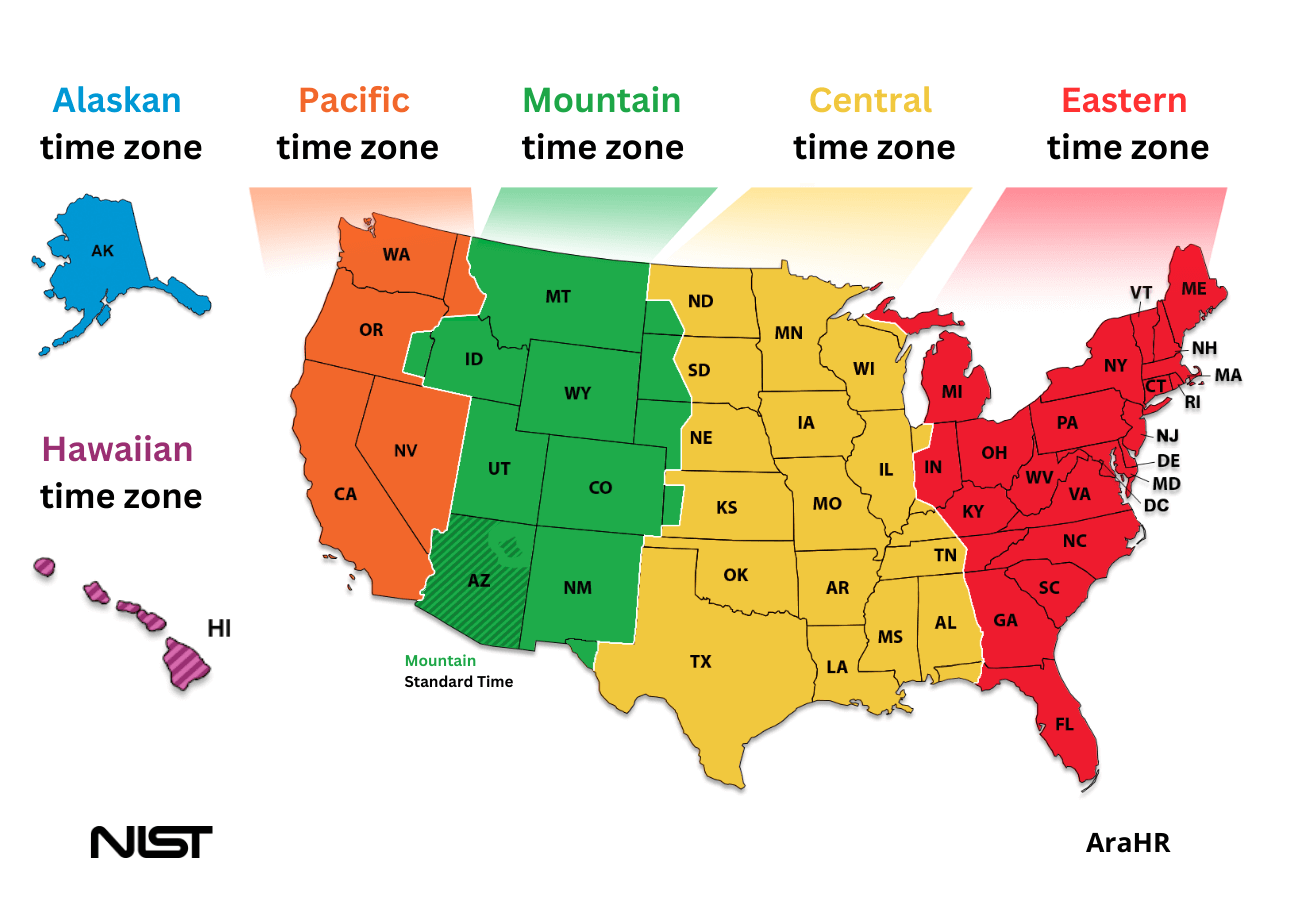
For travelers planning a trip to Chicago from an EST region, understanding the one-hour difference is paramount. Flight schedules, hotel bookings, and planned activities need to be adjusted accordingly. Missing a flight or arriving at a closed attraction due to a time zone miscalculation can lead to considerable inconvenience and expense.
- Flight Bookings: When booking flights, always verify the arrival and departure times in the local time zone of each city. A 9:00 AM flight departing from New York (EST) will arrive in Chicago (CST) at what is locally 9:00 AM, though the actual elapsed time will be shorter due to the time difference.
- Meeting Schedules: Business travelers must be particularly diligent. A meeting scheduled for 10:00 AM EST in New York is actually a 9:00 AM CST meeting in Chicago. This requires careful communication and confirmation to avoid misunderstandings.
- Connecting Travel: If your journey involves multiple stops across different time zones, keeping track of local times at each destination is essential. Many apps and online tools can help manage these complexities.
Economic and Business Operations
The Central Time Zone designation impacts businesses operating across the United States and internationally. Chicago, as a major financial and commercial center, has many businesses that interact with entities in both Eastern and Central time zones daily.
- Financial Markets: The Chicago Mercantile Exchange (CME), a prominent global derivatives marketplace, operates within the Central Time Zone. This affects trading hours and interactions with financial institutions in New York and other global centers.
- Call Centers and Customer Service: Companies with customer service operations in Chicago must align their operating hours with the expectations of their customer base, which may be spread across multiple time zones. This often involves staggered shifts and careful scheduling.
- Media and Broadcasting: National news broadcasts, television shows, and sporting events originating from the East Coast are often aired later in Chicago due to the time difference. This can influence viewing habits and discussions around live events.
Daily Life and Social Interactions
Beyond formal business, the time zone affects the rhythm of daily life for Chicago residents.
- Social Planning: Arranging social events with friends or family in different time zones requires an awareness of the time difference. A dinner invitation for 7:00 PM in Chicago would be 8:00 PM in New York.
- News and Information: While the internet has largely mitigated the impact of time zones on information access, traditional media schedules still reflect these divisions.
- Educational Institutions: Universities and schools in Chicago operate on Central Time, affecting class schedules and inter-institutional communication.
Navigating Time Zone Differences Effectively
To ensure a smooth experience when dealing with Chicago and its time zone, a few strategies can be employed.
Tools and Technology
Modern technology makes managing time zones easier than ever.
- Smartphone Settings: Most smartphones automatically update their time based on location or network signals. Ensure this feature is enabled.
- Calendar Applications: Digital calendars, such as Google Calendar or Outlook, allow you to add multiple time zones and view events in your local time or the time zone of the event.
- World Clock Widgets: Many operating systems and third-party apps offer world clock widgets that display the current time in various cities simultaneously.
Communication Best Practices
Clear communication is key to avoiding time zone-related errors.
- Specify Time Zones: When scheduling meetings or appointments, always explicitly state the time zone. For example, “10:00 AM CST” or “2:00 PM EST.”
- Confirm Understanding: If there’s any doubt, confirm the time and time zone with the other party.
- Be Mindful of Origin: Consider the time zone of the person initiating the communication. If someone from California (PST) calls you in Chicago at 9:00 AM their time, it’s already 11:00 AM your time.

Conclusion
In summary, Chicago is definitively not on Eastern Standard Time. It firmly resides within the Central Time Zone. This distinction is not merely an academic point but a fundamental aspect of the city’s identity and its interactions with the rest of the United States and the world. Understanding this temporal boundary is essential for anyone traveling to, doing business with, or simply seeking to grasp the operational nuances of this vibrant Midwestern metropolis. Whether you’re planning a visit to marvel at the Art Institute of Chicago or attending a conference at the McCormick Place, keeping Chicago’s Central Time Zone status in mind will ensure your plans run as smoothly as a calm day on Lake Michigan.
LifeOutOfTheBox is a participant in the Amazon Services LLC Associates Program, an affiliate advertising program designed to provide a means for sites to earn advertising fees by advertising and linking to Amazon.com. Amazon, the Amazon logo, AmazonSupply, and the AmazonSupply logo are trademarks of Amazon.com, Inc. or its affiliates. As an Amazon Associate we earn affiliate commissions from qualifying purchases.