
Embarking on a transcontinental journey from the Golden State to the Sunshine State is a common travel aspiration, whether for leisure, business, or visiting loved ones. The vast expanse of the United States means that a flight from California to Florida is a significant undertaking, involving several hours in the air. Understanding the duration and factors influencing it is crucial for effective trip planning. This comprehensive guide will break down typical flight times, explore the variables that affect your journey, and offer insights to optimize your travel experience across the country.

Understanding the California-Florida Air Travel Landscape
The geographical distance between California and Florida is substantial, spanning nearly the entire width of the United States. This vastness directly impacts flight durations, making it one of the longest domestic routes available. Travelers must consider not only the time in the air but also the practicalities of time zone changes and the availability of direct versus connecting services.
Geographical Span and Time Zones
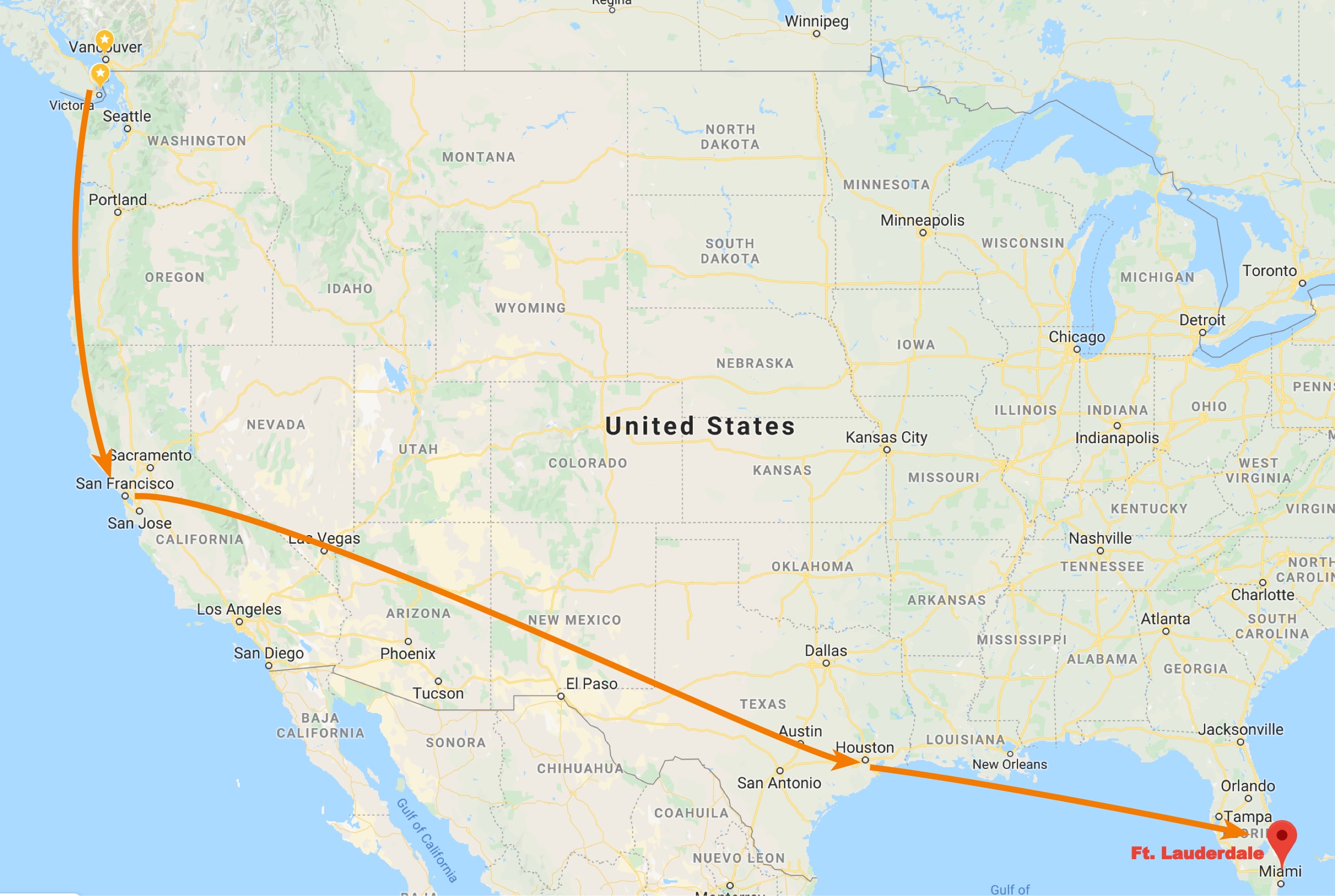
California, primarily located in the Pacific Time Zone, is approximately 2,500 miles (4,000 kilometers) from Florida, which largely operates in the Eastern Time Zone. This distance translates into a significant time difference, usually three hours, which can affect arrival times and your body’s adjustment post-flight. For instance, a flight departing Los Angeles at 9:00 AM Pacific Time might land in Miami around 5:00 PM Eastern Time, even if the flight duration is just five hours. This time zone shift is a critical consideration for scheduling activities upon arrival and for managing potential jet lag. The actual great-circle distance varies slightly depending on the specific departure and arrival airports, but the average flight path traverses several states, including Arizona, New Mexico, Texas, and a portion of the Gulf of Mexico.
Direct vs. Connecting Flights
The choice between a direct (non-stop) and a connecting flight is the single most significant determinant of your total travel time. Direct flights are always the quickest, removing the need for layovers, gate changes, and the inherent delays associated with them. However, direct flights might not be available from all departure cities or to all arrival destinations, and they often come at a premium price. Connecting flights, while potentially more affordable, add considerable time to your journey. A layover could range from a quick 45-minute sprint between gates to an extended several-hour wait, dramatically increasing your door-to-door travel time. Popular layover hubs for California-Florida routes include major airports like Hartsfield-Jackson Atlanta International Airport, Dallas/Fort Worth International Airport, Chicago O’Hare International Airport, and Denver International Airport.
Typical Flight Durations by Route
Flight times can vary substantially based on the specific airports you choose for departure and arrival. Generally, flights originating from Southern California (e.g., Los Angeles, San Diego) tend to be slightly shorter than those from Northern California (e.g., San Francisco, Sacramento) due to the geographical positioning. Similarly, reaching northern Florida cities like Jacksonville might be quicker than flying to the southern tip, such as Miami or Key West.
Popular California Departure Cities
- Los Angeles International Airport (LAX): As one of the busiest airports in the world, LAX offers numerous direct flights to Florida. A non-stop flight from LAX to Miami International Airport (MIA) typically ranges from 5 hours to 5 hours 45 minutes. To Orlando International Airport (MCO), expect around 5 hours to 5 hours 30 minutes. Flights to Tampa International Airport (TPA) or Fort Lauderdale-Hollywood International Airport (FLL) are in a similar range.
- San Francisco International Airport (SFO): From SFO, direct flights to Florida are also common. A non-stop journey from SFO to MIA usually takes about 5 hours 30 minutes to 6 hours. To MCO, it’s typically 5 hours 15 minutes to 5 hours 45 minutes.
- San Diego International Airport (SAN): SAN also provides direct options, with flights to Florida cities like Orlando and Fort Lauderdale often clocking in at 5 hours to 5 hours 30 minutes.
- Other California Airports: From smaller regional airports or those without direct service, flights will inevitably involve one or more connections, extending total travel time significantly. For example, a flight from Sacramento to Jacksonville might take 7-10 hours with one layover.
Key Florida Arrival Hubs
- Miami International Airport (MIA): As the primary gateway to South Florida and a major international hub, MIA receives numerous direct flights from California cities.
- Orlando International Airport (MCO): The main airport for Central Florida’s theme parks, MCO is another popular destination with ample direct connections.
- Fort Lauderdale-Hollywood International Airport (FLL): Often an alternative to MIA for the South Florida area, FLL also handles many direct flights from California.
- Tampa International Airport (TPA): Serving the Gulf Coast and West Central Florida, TPA provides direct routes from major California airports.
- Jacksonville International Airport (JAX): Serving Northeast Florida, JAX typically has fewer direct flights from California, often requiring connections.
Factors Influencing Flight Time
Beyond direct vs. connecting, several other factors can subtly or significantly alter your flight duration:
- Wind Conditions: Jet streams, powerful high-altitude winds, generally blow from west to east. This means that flights from California to Florida (west to east) often benefit from tailwinds, potentially shortening the flight by 15-30 minutes. Conversely, eastbound flights will sometimes be longer due to headwinds.
- Aircraft Type: Different aircraft models have varying cruising speeds. A newer, more fuel-efficient plane might maintain a slightly higher speed or fly a more direct route than an older model, though this difference is usually marginal for domestic flights.
- Air Traffic Control (ATC): Busy airspaces, particularly around major hubs like LAX or MIA, can lead to ground delays, holding patterns, or diversions, adding to the overall travel time.
- Route Optimization: Airlines constantly optimize flight paths for efficiency, considering weather, air traffic, and fuel burn. Minor adjustments to the route can impact duration.
- Seasonality and Demand: During peak travel seasons, airports are busier, potentially leading to more delays, which can incrementally extend flight times.
Optimizing Your Travel Time and Experience
While some factors like wind are beyond your control, strategic planning can significantly impact your total travel time and overall comfort during your California-Florida journey.
Choosing the Right Airport
When booking your flight, consider all available airports in your departure and arrival regions. Sometimes, flying out of a slightly smaller airport near your home, such as Hollywood Burbank Airport (BUR) instead of LAX or Oakland International Airport (OAK) instead of SFO, might offer direct flights or shorter check-in and security lines, even if the flight duration itself is similar. Similarly, in Florida, flying into FLL might be more convenient and quicker than MIA for destinations in Broward County, or St. Pete-Clearwater International Airport (PIE) could be an alternative to TPA. Evaluating these options can save precious time on the ground.
The Impact of Layover Locations
If a direct flight isn’t feasible, the choice of your layover airport is critical. Opt for layovers in airports known for efficiency and good on-time performance. For cross-country flights, major hubs like Atlanta, Dallas, Houston, Charlotte, or Phoenix are common. While these are large airports, they often have well-structured connections. Avoid extremely short layovers (under an hour) as this leaves little buffer for delays, but also be wary of excessively long ones (over three hours) unless you plan to use the time productively. When comparing connecting flights, always factor in the layover duration to calculate your total travel time, not just the flight segments. A flight with a slightly longer air time but a much shorter layover might get you to your destination faster.
Best Times to Fly
Timing your flight can also influence its duration and overall experience. Early morning flights often face fewer air traffic delays and are generally more punctual. Mid-day flights can sometimes encounter more congestion, especially around major hubs. Red-eye flights (overnight flights) from California can be an efficient way to travel, allowing you to sleep on the plane and arrive in Florida early in the morning, ready to start your day. While the actual flight duration remains the same, the perceived travel time can be reduced if you can sleep through a significant portion of the journey. Furthermore, traveling during off-peak days (Tuesdays, Wednesdays, Saturdays) or seasons might result in less crowded flights and smoother airport operations.
Preparing for Your Transcontinental Journey
A flight spanning five to six hours non-stop, or even longer with connections, requires some preparation to ensure comfort and minimize the effects of extended travel.
Essential Packing Tips
For a long flight, smart packing is key. Beyond your checked luggage, your carry-on should be a curated collection of essentials. Include items for entertainment (fully charged devices, books), comfort (a neck pillow, eye mask, noise-cancelling headphones), and personal care (travel-size toiletries, moisturizer, lip balm). Staying hydrated is crucial; an empty reusable water bottle can be refilled post-security. Pack healthy snacks to avoid reliance on airplane food, which may not always be to your liking or schedule. Dress in layers, as cabin temperatures can fluctuate. A light sweater or blanket can make a significant difference in comfort.
Staying Comfortable Aboard
Sitting for several hours can be taxing. To enhance comfort:
- Move Regularly: Stand up, stretch, and walk the aisle every couple of hours to promote circulation and prevent stiffness. Simple stretches in your seat can also help.
- Hydrate: Drink plenty of water throughout the flight. Avoid excessive caffeine and alcohol, as they can contribute to dehydration.
- Wear Comfortable Clothing: Loose-fitting clothes made from breathable fabrics are ideal for long flights.
- Manage Entertainment: Download movies, shows, podcasts, or audiobooks beforehand. Many airlines offer in-flight entertainment, but having your own options is a good backup.
- Ear Protection: Earplugs or noise-cancelling headphones can significantly improve your comfort by reducing cabin noise.

Battling Jet Lag
The three-hour time difference between California and Florida is enough to cause mild jet lag, especially for sensitive individuals. To mitigate its effects:
- Adjust Before You Go: A few days before your trip, try to subtly shift your sleep schedule by an hour or so towards your destination’s time zone.
- Hydrate and Avoid Alcohol: As mentioned, staying hydrated is crucial. Alcohol can disrupt sleep patterns and worsen jet lag symptoms.
- Adjust to Local Time Immediately: Once you land in Florida, try to adapt to the local time as quickly as possible. If it’s daytime, expose yourself to natural light and stay active. If it’s night, try to sleep, even if you don’t feel tired.
- Strategic Napping: If you must nap, keep it short (20-30 minutes) to avoid entering deep sleep cycles, which can make you feel more disoriented.
In conclusion, a flight from California to Florida is a journey of several hours, typically ranging from 5 to 6 hours for non-stop services and significantly longer for connecting flights. By understanding the variables at play—from geographical distance and time zones to airport choices and inflight comfort strategies—travelers can effectively plan and enjoy a smoother, more comfortable transcontinental experience.
LifeOutOfTheBox is a participant in the Amazon Services LLC Associates Program, an affiliate advertising program designed to provide a means for sites to earn advertising fees by advertising and linking to Amazon.com. Amazon, the Amazon logo, AmazonSupply, and the AmazonSupply logo are trademarks of Amazon.com, Inc. or its affiliates. As an Amazon Associate we earn affiliate commissions from qualifying purchases.