
The vast expanse of the United States presents a compelling landscape for travelers, with iconic cities like Chicago, Illinois and Houston, Texas drawing millions of visitors annually. Understanding the geographical relationship between these two major metropolises is crucial for planning efficient and enjoyable journeys, whether by road, air, or even rail. The distance between Chicago and Houston is significant, spanning across several states and offering a diverse range of experiences along the way. This exploration delves into the precise distances, the most common travel methods, and the considerations that shape the travel experience between these two influential American hubs.
Geographical Distances and Travel Time
The question of “how far” is multifaceted, encompassing not only the literal mileage but also the time it takes to traverse that distance. For Chicago and Houston, these figures vary considerably depending on the chosen mode of transport and the specific routes taken.
Driving Distance and Time
The most common method for many travelers is by car, offering flexibility and the opportunity to explore en route. The driving distance between Chicago, Illinois and Houston, Texas is approximately 1,100 to 1,200 miles, depending on the specific starting and ending points within each city and the chosen highway system. This journey typically takes between 16 to 19 hours of pure driving time.
However, this is an estimate that does not account for essential stops. To undertake this drive safely and comfortably, most travelers will break it down into at least a two-day trip, and often a three-day expedition. This allows for adequate rest, meals, and the potential for brief sightseeing or experiencing local flavor along the interstate corridors. Major routes commonly utilized include I-55 South from Chicago towards Missouri, connecting to I-44 South through Oklahoma, and then transitioning to I-35 South into Texas, eventually leading to Houston. Alternatively, one might opt for routes that take them through states like Indiana, Kentucky, or Tennessee before heading southwest.
Flight Distance and Time
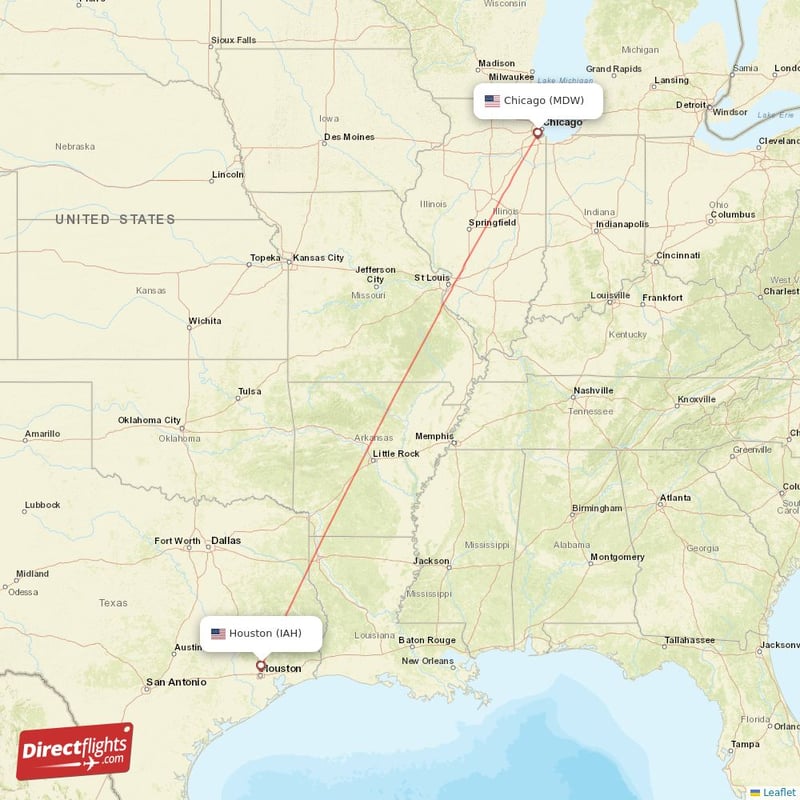
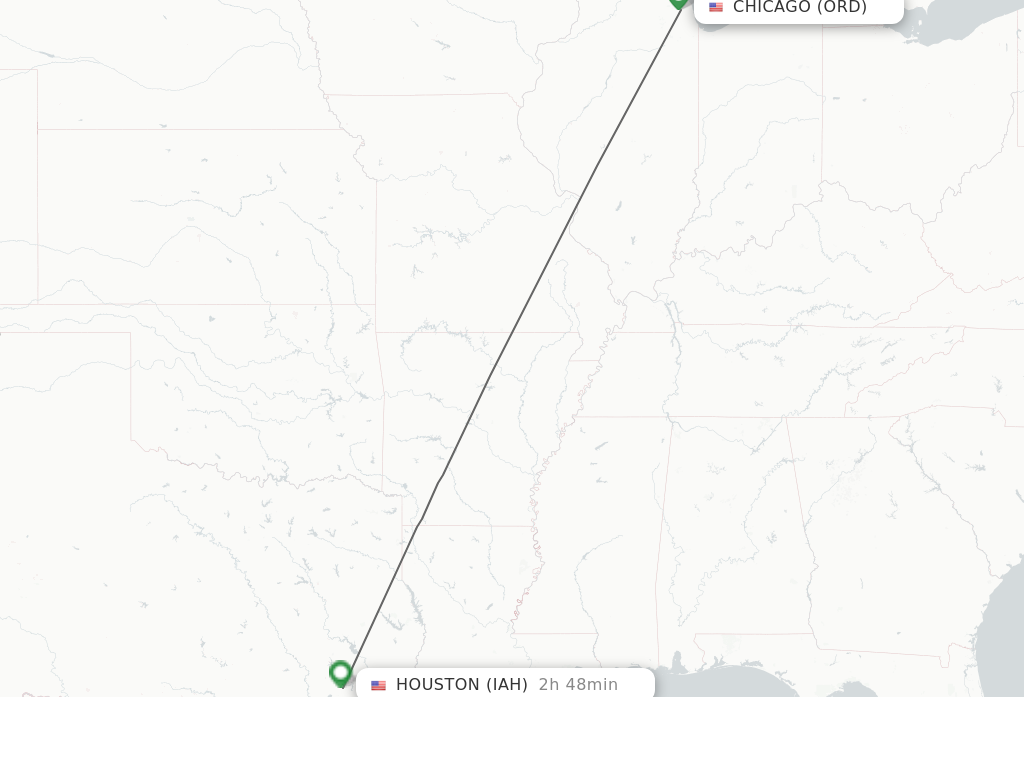
For those prioritizing speed, air travel is the most efficient option. The “as the crow flies” distance between Chicago and Houston is roughly 930 to 950 miles. However, actual flight paths may vary. Non-stop commercial flights between Chicago O’Hare International Airport (ORD) or Chicago Midway International Airport (MDW) and George Bush Intercontinental Airport (IAH) or William P. Hobby Airport (HOU) typically last between 2.5 to 3 hours.
This duration excludes the time spent at the airport for check-in, security screening, boarding, and deplaning, as well as travel to and from the airports. Factoring in these necessary airport procedures, the total travel time for a flight can range from 5 to 8 hours, depending on the efficiency of the airports and the specific airline’s operations.
Rail Travel Distance and Time
While less common for this specific route due to its length, train travel offers a scenic and relaxing alternative. Amtrak operates routes that can connect Chicago and Houston, often involving transfers. The journey by train is considerably longer than driving or flying, typically taking anywhere from 24 to 36 hours or more, depending on the specific route, connections, and train schedules. This mode of transport is favored by those who enjoy the journey itself, prefer not to drive, and wish to avoid the hassle of airports.
Planning Your Journey: Key Considerations
The decision of how to travel between Chicago and Houston is influenced by a variety of factors, including budget, time constraints, personal preferences, and the desire for specific travel experiences.
Budgetary Factors
- Airfare: Prices for flights can fluctuate significantly based on the airline, time of booking, season, and day of the week. Booking in advance, being flexible with travel dates, and comparing prices across different airlines and airports can lead to substantial savings. The cost of baggage fees and airport transportation should also be factored in.
- Driving: The primary costs associated with driving include fuel, which depends on current gas prices and the vehicle’s fuel efficiency, as well as accommodation for overnight stays, food, and potential tolls. Wear and tear on the vehicle is also a consideration for longer road trips.
- Train: Amtrak tickets can vary widely in price, with options for coach seating, roomettes, and bedrooms. Sleeper accommodations significantly increase the cost but provide private space and beds. Meals are often included in sleeper car fares.
Time Management
For travelers on a tight schedule, flying is undoubtedly the most expedient option to cover the distance between Chicago and Houston. A direct flight can have you in Houston in just a few hours of flight time. Driving demands a significant time commitment, typically requiring at least two full days of travel. Rail travel is the most time-consuming, suitable for those with ample leisure time who embrace a slower pace.
Travel Experience and Preferences
- Road Trip Enthusiasts: Those who enjoy the freedom of the open road, the spontaneity of discovering roadside attractions, and the ability to set their own pace will find a road trip between Chicago and Houston rewarding. The route passes through diverse landscapes and numerous smaller towns that offer unique cultural experiences.
- Window Seat Viewers: For many, the primary goal is to reach their destination efficiently. Air travel offers unparalleled speed and convenience, allowing travelers to maximize their time at their intended destination.
- The Journey is the Destination: Passengers who prefer to relax, read, work, or simply watch the scenery roll by might opt for train travel. It provides a more immersive experience of the American landscape without the stress of navigating traffic or adhering to strict airport schedules.
Notable Stops and Routes for Road Travelers
The drive from Chicago to Houston traverses a significant portion of the American heartland, offering opportunities to explore a variety of attractions. While the most direct routes exist, deviating slightly can reveal hidden gems.
A Potential Route: The Central Path
A common and relatively efficient driving route would involve heading south on I-55 from Chicago into Missouri. Here, one could consider a brief detour to visit St. Louis, perhaps to see the iconic Gateway Arch National Park. From St. Louis, travelers would typically take I-44 South through Missouri and into Oklahoma.
In Oklahoma, I-44 leads through cities like Tulsa and Oklahoma City. Oklahoma City offers attractions like the Oklahoma City National Memorial & Museum and the Bricktown Entertainment District. From Oklahoma, the journey continues south on I-35 into Texas. This highway passes through major Texan cities like Waco, Austin, and San Antonio before eventually leading to Houston. Each of these cities offers its own unique culture, cuisine, and attractions, providing ample opportunities for overnight stays and exploration.
Alternative Routes and Considerations
Other routes might involve heading further east initially, perhaps through Indiana and into Kentucky, then making a more direct southwest trajectory. This could expose travelers to different landscapes and cities. However, such detours generally increase the mileage and travel time.
For any road trip of this magnitude, it is essential to plan overnight stops in advance, particularly during peak travel seasons. Cities like Springfield, Missouri; Oklahoma City, Oklahoma; and Dallas or Austin, Texas, are common and convenient stopping points that offer a range of accommodation options and dining establishments. Always check road conditions and weather forecasts, especially when traveling through different states with potentially varied climates.
Navigating Between the Cities: Practical Tips
Whether one chooses to fly, drive, or take the train, there are practical steps and considerations to ensure a smooth transition between Chicago, Illinois and Houston, Texas.
Airport Logistics
- Chicago Airports: Chicago O’Hare International Airport (ORD) is a major international hub, offering a vast array of domestic and international flights. Chicago Midway International Airport (MDW) is a smaller but still significant airport, often serving domestic routes and budget airlines. Both are well-connected to the city center via public transportation (the ‘L’ train for ORD, and buses/Orange Line for MDW).
- Houston Airports: George Bush Intercontinental Airport (IAH) is the larger of the two, handling a significant volume of passengers and serving as a hub for major airlines. William P. Hobby Airport (HOU) is closer to downtown Houston and is primarily used by Southwest Airlines and other domestic carriers. Ground transportation from both airports includes taxis, ride-sharing services, and public bus routes.
Driving Essentials
- Vehicle Maintenance: Ensure your vehicle is in excellent condition before embarking on a long drive. Check tires, brakes, fluids, and perform any necessary maintenance.
- Navigation: Utilize GPS devices or smartphone navigation apps, but also consider having physical maps as a backup, especially in areas with spotty cell service.
- Rest Stops: Plan for regular breaks to combat fatigue. Numerous rest areas and service stations are available along major interstates.
- Accommodation: Book hotels or motels in advance, especially if traveling during busy periods or through popular overnight stopping points.

Rail Travel Tips
- Book Early: Train tickets, particularly for sleeper accommodations, can sell out quickly. Booking well in advance is highly recommended.
- Pack Accordingly: Since the journey is long, pack comfortable clothing, entertainment, snacks, and any personal items you might need.
- Understand the Schedule: Familiarize yourself with the train schedule, including any potential delays or changes, which are more common with long-distance rail travel.
Understanding the geographical expanse between Chicago, Illinois and Houston, Texas is the first step in crafting a memorable travel experience. Whether you choose the speed of air travel, the freedom of the open road, or the leisurely pace of the train, both cities offer unique American experiences waiting to be discovered.
LifeOutOfTheBox is a participant in the Amazon Services LLC Associates Program, an affiliate advertising program designed to provide a means for sites to earn advertising fees by advertising and linking to Amazon.com. Amazon, the Amazon logo, AmazonSupply, and the AmazonSupply logo are trademarks of Amazon.com, Inc. or its affiliates. As an Amazon Associate we earn affiliate commissions from qualifying purchases.