
Navigating the legal landscape of relationships can be complex, especially when considering the unique status of marriage. For many, the traditional path of a formal wedding ceremony and subsequent license is the standard. However, alternative forms of marital recognition exist, one of which is common law marriage. The question of whether Colorado is a state that recognizes common law marriage is a crucial one for individuals residing in or considering relocating to the Centennial State. Understanding this legal framework is essential for establishing rights and protections that come with marital status, impacting everything from property division in a separation to inheritance and benefits.
Understanding Common Law Marriage
Common law marriage, often referred to as informal marriage, is a legal framework where a couple can be considered married without a formal ceremony or marriage license. This recognition is typically based on the couple’s intent to be married and their public presentation as a married couple. The specific requirements for establishing a common law marriage vary significantly from state to state, with some states having abolished it entirely, while others retain it with strict criteria.
Key Elements of Common Law Marriage
While the exact wording differs, most states that recognize common law marriage look for a convergence of several key elements:
- Present Intent to Be Married: This is the most critical component. Both individuals must have an immediate and unqualified intention to be married at the present time, not at some future point. This intent is often demonstrated through actions and declarations.
- Holding Out as Married: The couple must present themselves to the public as being married. This can include introducing each other as husband and wife, wearing wedding rings, filing joint tax returns, listing each other as a spouse on insurance policies or other official documents, and generally cohabiting with the reputation of being married in the community.
- Cohabitation: While not always the sole determinant, living together is generally a necessary component of establishing a common law marriage. However, cohabitation alone, without the intent and holding out, is insufficient.
It is important to distinguish common law marriage from a long-term, committed relationship that does not meet the legal requirements of intent and public declaration. Simply living together for many years does not automatically create a marriage in the eyes of the law.
Historical Context and Modern Relevance
The concept of common law marriage has roots in historical traditions where formal marriage ceremonies were less accessible. In earlier times, especially in frontier societies, couples might have lived together as husband and wife, deeming themselves married by mutual agreement and community acknowledgment. Over time, many states have moved away from this practice, opting for more standardized and easily verifiable legal unions. However, the states that continue to recognize common law marriage do so to provide legal protections for couples who have, in essence, created a marital relationship through their actions and intentions.
Colorado’s Stance on Common Law Marriage
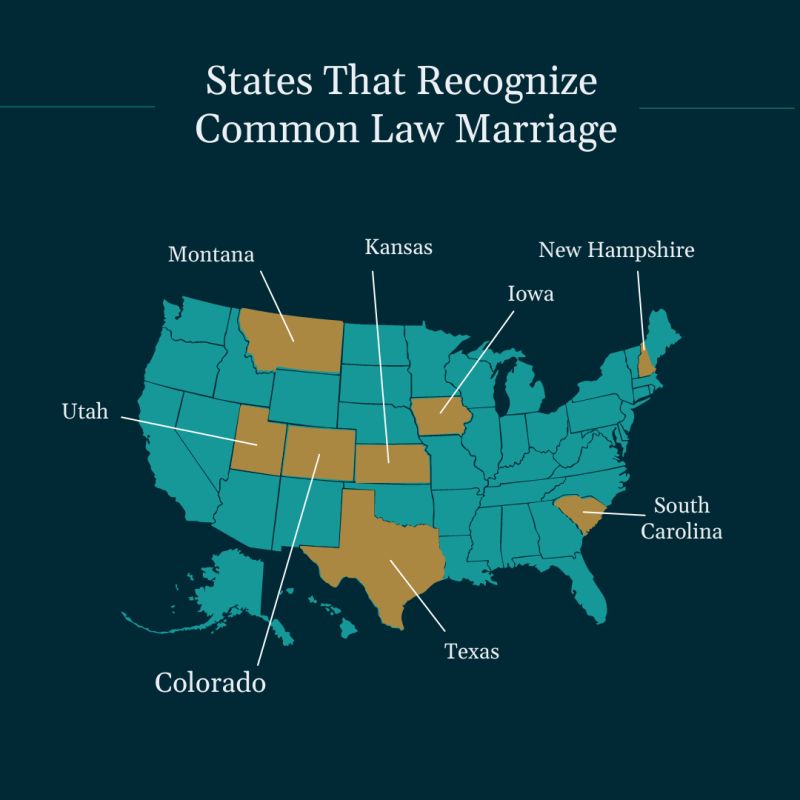
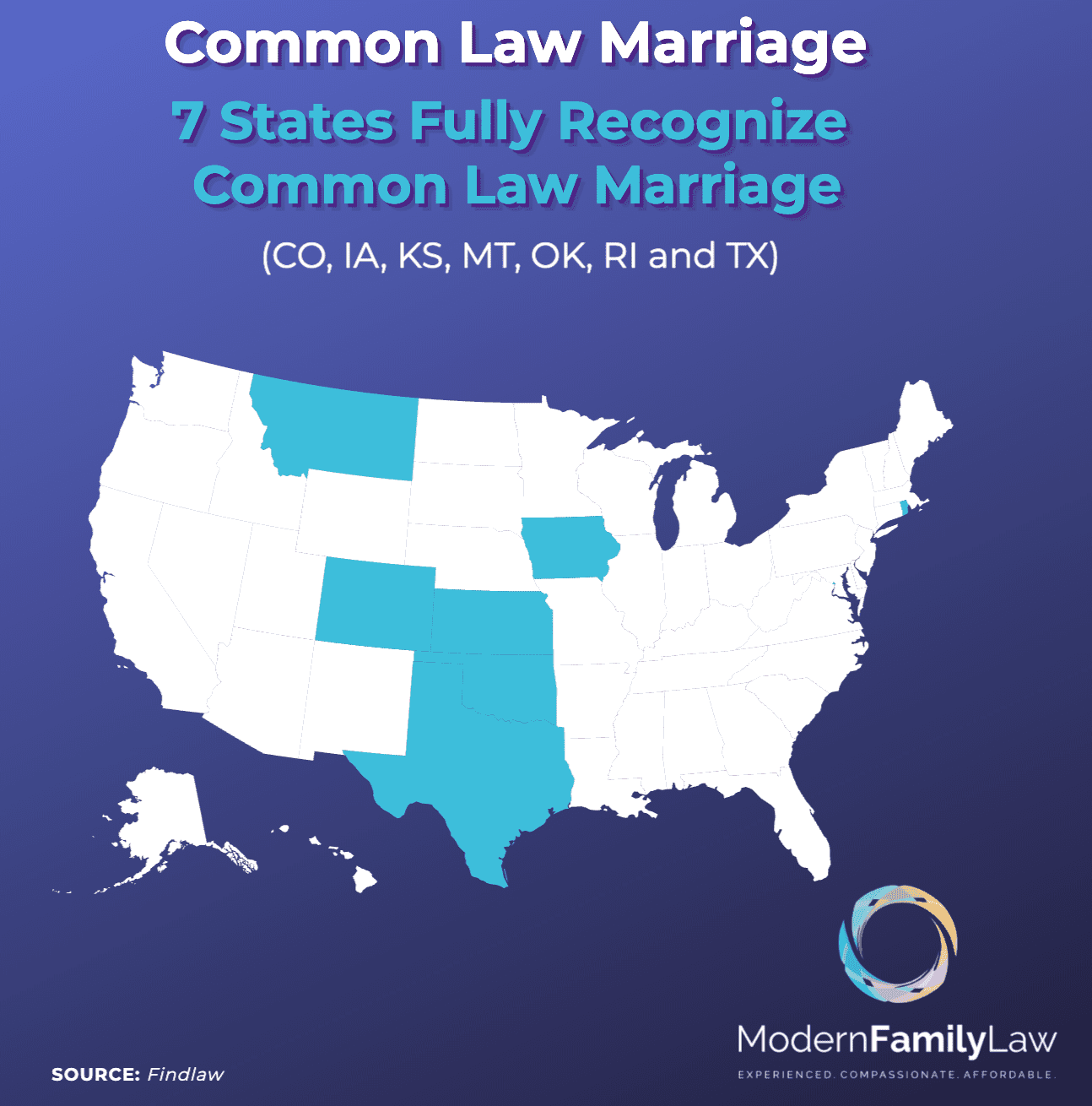
Colorado is one of the states that does recognize common law marriage. This means that a couple can be legally considered married in Colorado without going through a formal wedding ceremony or obtaining a marriage license, provided they meet the state’s specific legal requirements. The recognition of common law marriage in Colorado has been a consistent aspect of its legal system.
Statutory and Case Law Foundation
The recognition of common law marriage in Colorado is not based on a single, explicit statute that broadly defines and permits it. Instead, it has evolved through judicial interpretation and case law. While Colorado Revised Statutes do not contain a section that explicitly authorizes the creation of common law marriages, courts have consistently upheld their validity based on established legal principles. This means that the proof of a common law marriage often relies on presenting evidence that satisfies the criteria established by Colorado courts. The absence of a codified statute does not negate the legal standing of such marriages; rather, it underscores the importance of judicial precedent in defining and enforcing these unions.
Meeting the Colorado Requirements
To establish a valid common law marriage in Colorado, a couple must demonstrate:
- Mutual Agreement to Be Married: Both parties must have mutually agreed to be married. This is not simply an agreement to live together or be in a committed relationship, but a specific, present intent to be married. This agreement can be demonstrated through words, actions, or a combination of both. For example, telling friends and family that you are married, or referring to each other as husband or wife.
- Cohabitation in Colorado: The couple must have lived together in Colorado after reaching this mutual agreement. Cohabitation is a factual element that supports the claim of a marital relationship.
- Holding Out to the Public as Married: The couple must have presented themselves to the public as a married couple. This “holding out” is a crucial element and can be proven through various means, such as:
- Introducing each other as husband or wife.
- Using the same last name.
- Filing joint tax returns (though this can be complex and depends on other factors).
- Listing each other as a spouse on insurance policies or other official documents.
- Signing leases or other contracts as a married couple.
- Maintaining joint bank accounts.
- Wearing wedding rings and referring to each other as spouses.
- Community reputation: How the couple is generally known and referred to by friends, family, and the broader community.
It’s important to note that there is no specific duration required for cohabitation or for holding out as married in Colorado. The focus is on the presence of the intent and the public perception of the relationship as marital.
Dissolving a Common Law Marriage
Just as a common law marriage can be established without a formal ceremony, it can also only be dissolved through a formal legal process. A common law marriage in Colorado is legally equivalent to a ceremonial marriage. Therefore, if a couple wishes to end their common law marriage, they must file for divorce. Simply separating and ceasing to live together does not end the legal union. This means that all the legal rights and responsibilities associated with marriage, such as spousal support, child custody, and property division, are subject to the same legal proceedings as a formally recognized marriage.
Implications of Common Law Marriage in Colorado
The recognition of common law marriage in Colorado carries significant legal and practical implications for couples. It means that individuals in a common law marriage are afforded the same rights and protections as those in a ceremonial marriage, particularly in situations involving the dissolution of the relationship.
Property Division
One of the most significant implications is in the realm of property division. If a common law marriage is dissolved, Colorado law applies equitable distribution principles, similar to ceremonial marriages. This means that marital property, acquired during the course of the common law marriage, will be divided fairly between the parties. Proving the existence of a common law marriage is paramount to asserting rights to marital property. Without established legal marital status, property acquired during cohabitation might be considered individual property or subject to more complex civil partnership or property dispute claims.
Inheritance Rights
Common law spouses in Colorado have inheritance rights. If one partner dies without a will, the surviving common law spouse may be entitled to a portion of the deceased spouse’s estate, depending on whether there are other heirs. This protection ensures that a long-term, legally recognized relationship is honored even in the absence of a formal will. To claim these rights, the surviving spouse will need to provide evidence to the court that a valid common law marriage existed at the time of the death.
Benefits and Protections
Beyond property and inheritance, common law marriage can impact other areas, including:
- Health Insurance: A common law spouse may be eligible to be covered under their partner’s employer-provided health insurance plan.
- Social Security Benefits: In certain circumstances, a surviving common law spouse may be eligible for survivor benefits.
- Testimonial Privilege: Spouses generally have a privilege not to testify against each other in legal proceedings, a protection that extends to common law spouses.
- Tax Filings: While filing jointly is a strong indicator of holding out as married, it requires careful consideration and legal advice to ensure it aligns with other evidence of marital intent.
The ability to claim these benefits hinges on successfully proving the existence of the common law marriage, especially if challenged by third parties or in legal disputes.
Proving a Common Law Marriage in Colorado
Establishing a common law marriage in Colorado is often retrospective, meaning it is typically addressed when a dispute arises, such as during a separation or after the death of one partner. Proving the existence of such a marriage requires presenting compelling evidence that satisfies the legal criteria.
Evidence Gathering Strategies
Gathering sufficient evidence is crucial. This can include:
- Witness Testimony: Testimony from friends, family members, neighbors, or colleagues who can attest to the couple’s public representation of themselves as married.
- Documentary Evidence: This is often the strongest form of proof. Examples include:
- Joint bank account statements.
- Joint leases or property deeds.
- Insurance policies listing each other as spouse.
- Tax returns (especially if filed jointly, though this alone is not conclusive).
- Affidavits from third parties.
- Correspondence that refers to each other as husband or wife.
- Any legal documents where the couple represented themselves as married.
- Photographic and Video Evidence: Images or videos showing the couple at events where they were introduced as spouses, or wearing wedding rings.
- Conduct and Actions: Evidence of shared financial responsibility, joint decision-making, and a unified presentation to the world as a married unit.
When Legal Counsel is Essential
Given the complexities and the evidentiary burden, seeking legal counsel from a qualified family law attorney in Colorado is highly recommended. An attorney can:
- Advise on the specific elements required to prove a common law marriage in your situation.
- Help you gather and organize the necessary evidence.
- Represent you in court proceedings if the existence of the marriage is contested.
- Assist with the legal procedures for divorce or estate settlement.
Proving a common law marriage is not a simple task, and the outcome often depends on the strength and coherence of the evidence presented. Consulting with an experienced Colorado family law attorney is the most prudent step to ensure your rights and interests are protected.

Conclusion: Colorado’s Unique Recognition of Marital Bonds
Colorado stands out among many states for its continued recognition of common law marriage. This legal framework acknowledges that a marital union can be formed through mutual intent, public declaration, and cohabitation, even in the absence of a formal ceremony. For residents of Colorado, understanding the criteria for establishing and dissolving a common law marriage is vital for navigating relationship rights and responsibilities. The legal implications, particularly concerning property, inheritance, and benefits, underscore the seriousness with which these unions are treated. When in doubt, or when facing a situation where marital status is at stake, consulting with a Colorado legal professional is paramount to ensure clarity, protection, and just outcomes.
LifeOutOfTheBox is a participant in the Amazon Services LLC Associates Program, an affiliate advertising program designed to provide a means for sites to earn advertising fees by advertising and linking to Amazon.com. Amazon, the Amazon logo, AmazonSupply, and the AmazonSupply logo are trademarks of Amazon.com, Inc. or its affiliates. As an Amazon Associate we earn affiliate commissions from qualifying purchases.