
Chicago, a city renowned for its architectural marvels, deep-dish pizza, and vibrant blues scene, has a surprisingly multifaceted relationship with the illustrious world of Broadway. While the iconic theatrical district conjures images of New York City, Chicago’s own theatrical heritage and its role in the larger American theater landscape are significant and long-standing. The question of “How long has Chicago been on Broadway?” can be interpreted in several ways, each revealing a distinct layer of the city’s enduring connection to the performing arts.
Chicago’s Theatrical Roots and Broadway’s Influence
Chicago’s journey with theater predates its direct involvement in the commercial Broadway circuit as we know it today. The city has a rich history of producing and hosting professional theater, fostering a creative environment that has, at various times, rivaled or complemented New York’s dominance. This robust local scene has often served as a crucible for talent and new works that would eventually find their way to Broadway, or conversely, has served as a testing ground for shows looking to gauge audience reception before a full Broadway launch.
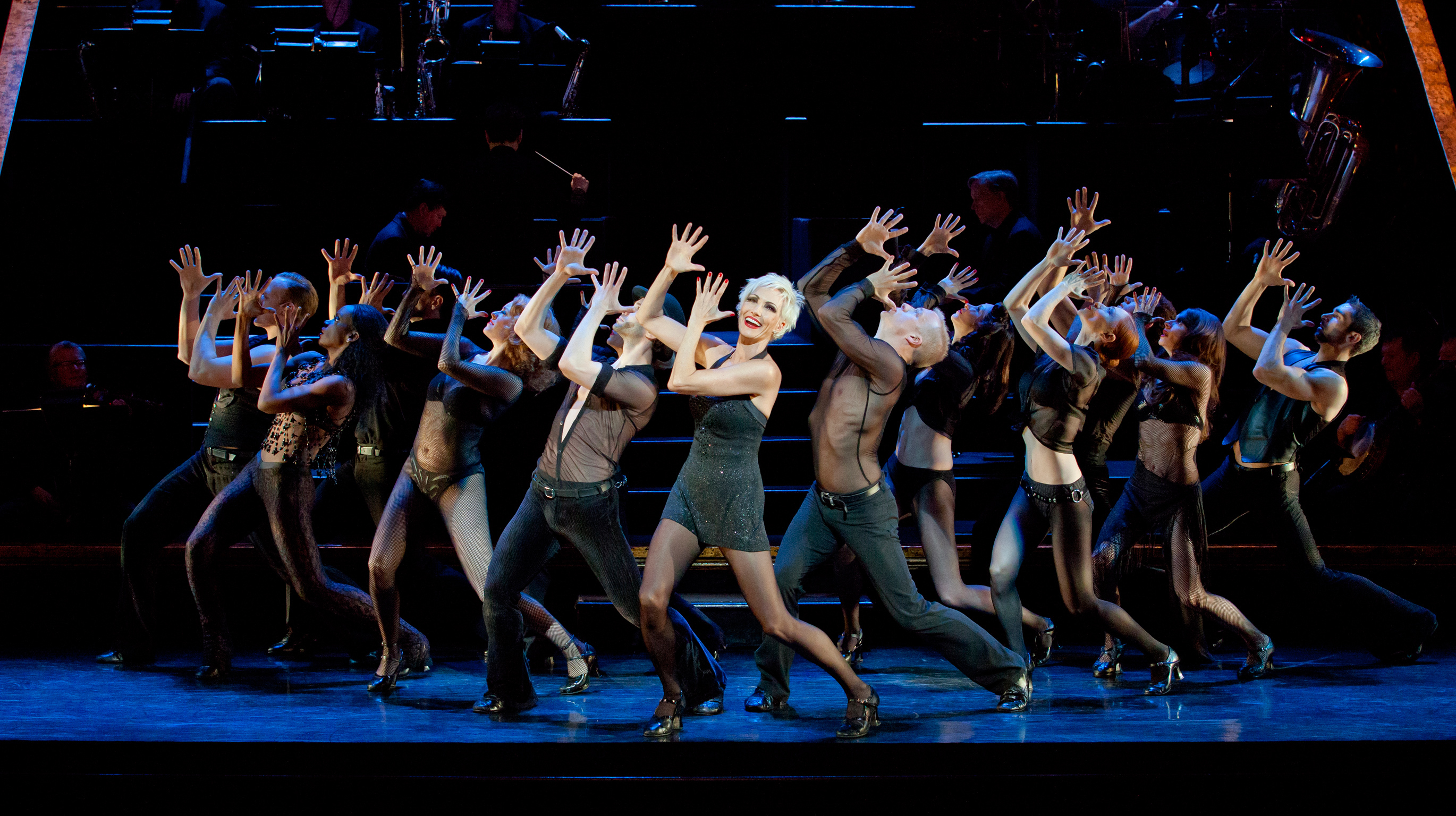
Early Theatrical Development in Chicago
From its early days as a burgeoning metropolis, Chicago recognized the power of live performance. The late 19th and early 20th centuries saw the construction of grand theaters that became hubs for touring productions from across the country, including those originating from or destined for Broadway. These venues, such as the Auditorium Theatre and the Shubert Theatre, were more than just stages; they were cultural anchors that shaped the city’s identity. The infrastructure and audience appetite for high-quality productions were firmly established, laying the groundwork for a more direct engagement with the commercial theater world.
The “Pre-Broadway” Tryout Tradition
Historically, Chicago has been a crucial stop for many shows in their developmental stages before their official Broadway opening. This tradition, often referred to as “pre-Broadway tryouts,” allows producers to refine performances, scripts, and technical elements in front of a live audience in a major market, but without the immense pressure and scrutiny of a New York premiere. The city’s sophisticated theater-going public and its well-equipped theaters have made it an ideal location for these critical evaluations. Successful tryouts in Chicago have historically signaled strong potential for a Broadway hit, while challenges encountered here have often led to significant revisions or even cancellations. This symbiotic relationship means Chicago has been integral to the success of countless Broadway productions for decades, even if the shows themselves weren’t technically “on Broadway” during their Chicago runs.
Chicago as a Broadway-in-Chicago Destination
Beyond its role as a precursor, Chicago has solidified its status as a premier destination for Broadway productions to visit. The phrase “Broadway in Chicago” is not merely a marketing slogan but a testament to the city’s robust touring Broadway series, which brings the biggest and brightest shows from New York to the Windy City on a regular basis. This ensures that Chicago audiences have consistent access to the same world-class productions that captivate theatergoers in Times Square.
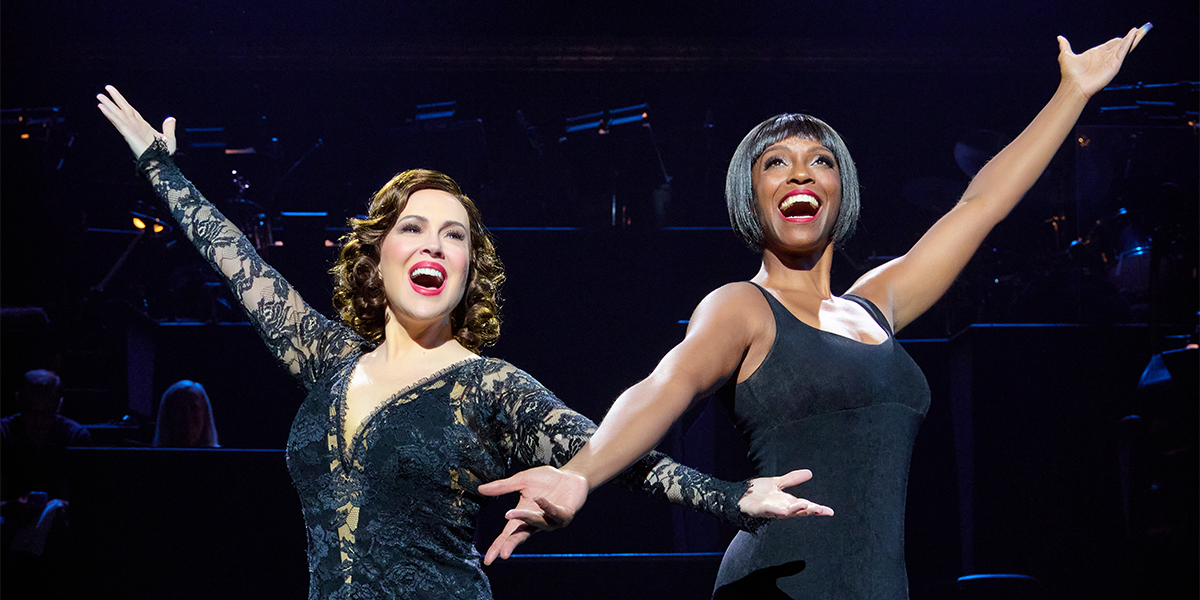
The Impact of Touring Broadway
The touring productions that grace Chicago’s stages represent the pinnacle of commercial theater. From dazzling musicals like The Lion King and Hamilton to acclaimed dramas and comedies, these shows are the very essence of what is considered “Broadway.” The engagement of these productions in Chicago signifies a significant cultural exchange, allowing the city to partake in the national and international touring circuit of major theatrical events. The scale and quality of these engagements are comparable to those seen in any other major city outside of New York, underscoring Chicago’s importance in the Broadway ecosystem.
Chicago’s Own Thriving Theater Scene
It is crucial to distinguish between Broadway productions visiting Chicago and Chicago’s own vibrant and innovative theater scene. While the former brings Broadway to the city, the latter showcases Chicago’s unique artistic voice. The city boasts a multitude of professional theater companies, from large-scale institutions like the Goodman Theatre and the Steppenwolf Theatre Company to intimate storefront ensembles. These companies consistently produce original works, adapt classic plays, and mount ambitious revivals, often earning national recognition and awards. Many of the artists who hone their craft in these Chicago theaters go on to achieve success on Broadway, further intertwining the city’s theatrical destinies. The existence and success of this independent, yet often interconnected, theater scene have been ongoing for many decades, predating and running parallel to the touring Broadway phenomenon.
Measuring “Chicago on Broadway”
The question of “how long” Chicago has been on Broadway can thus be understood through different lenses. If it refers to Chicago being a stop for touring Broadway shows and a venue for pre-Broadway tryouts, then the answer stretches back at least to the early to mid-20th century, with significant activity throughout the latter half of that century and into the present day. If it refers to Chicago’s own theatrical output influencing Broadway or Chicago artists making their mark on Broadway stages, then the history is even longer, tracing back to the city’s earliest theatrical endeavors.
The Evolution of Broadway’s Reach
The expansion of Broadway’s reach beyond its physical location in New York City has been a gradual process. The development of sophisticated touring logistics, increased demand for live entertainment across the nation, and the economic viability of extended runs in major metropolitan areas have all contributed to Chicago’s sustained role as a key Broadway market. This evolution reflects a broader trend in the American performing arts, where cultural centers like Chicago have become indispensable components of the national theatrical landscape.

Enduring Legacy and Future Prospects
Chicago’s relationship with Broadway is not static; it continues to evolve. As the economics of theater shift and new technologies emerge, the ways in which shows are developed, produced, and distributed will undoubtedly change. However, given Chicago’s deep-seated theatrical tradition, its passionate audience base, and its strategic importance as a national cultural hub, it is clear that the city will remain a vital partner to Broadway for the foreseeable future. Whether it’s hosting the latest Broadway sensation, providing a crucial testing ground for new works, or cultivating the next generation of theatrical talent, Chicago’s presence on the broader “Broadway” stage is a testament to its enduring cultural significance. The question is not merely about duration, but about the depth and breadth of Chicago’s continuous engagement with the world of professional theater.
LifeOutOfTheBox is a participant in the Amazon Services LLC Associates Program, an affiliate advertising program designed to provide a means for sites to earn advertising fees by advertising and linking to Amazon.com. Amazon, the Amazon logo, AmazonSupply, and the AmazonSupply logo are trademarks of Amazon.com, Inc. or its affiliates. As an Amazon Associate we earn affiliate commissions from qualifying purchases.