
This seemingly simple question often sparks curiosity, particularly among those unfamiliar with the vast and diverse geography of the United States. While a quick glance might suggest confusion, the answer is unequivocally clear: Texas is a state. However, understanding why this question arises requires delving into the sheer scale of Texas and the prominence of its individual cities, some of which rival the size and influence of entire countries or other states. This exploration will illuminate Texas not just as a geographical entity, but as a cultural and economic powerhouse, a destination offering an unparalleled spectrum of experiences for every traveler.
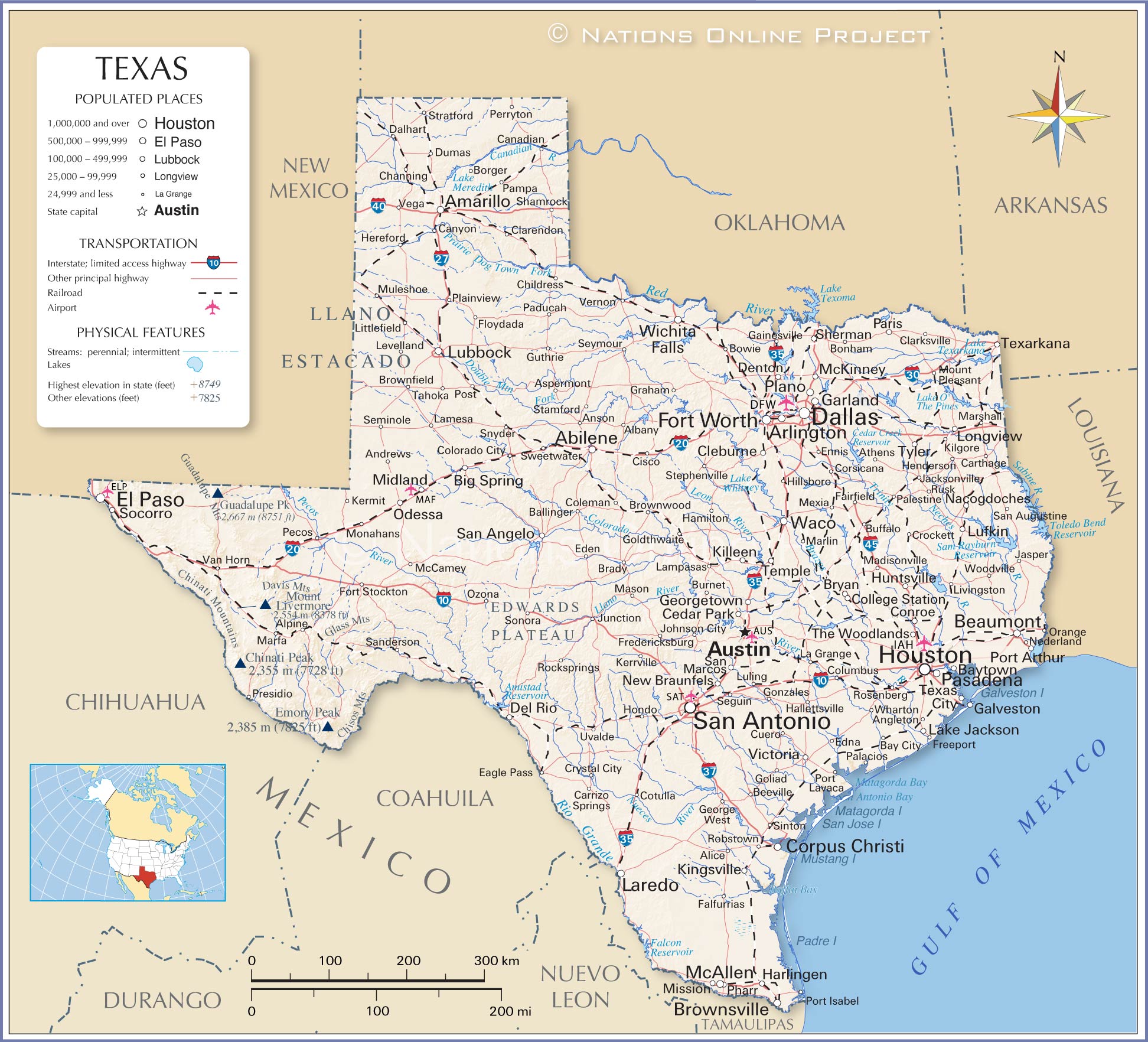
Understanding the Distinction: State vs. City
The fundamental difference between a state and a city lies in their administrative and geographical scope. A state, such as Texas, is a primary political division of a federal republic, possessing its own government, laws, and significant territorial boundaries. It encompasses numerous smaller political subdivisions, including cities, towns, and counties. A city, conversely, is a localized urban settlement within a state, governed by a municipal administration, and characterized by a concentrated population and developed infrastructure.
The confusion surrounding “Texas as a state or city” often stems from the colossal size and population of Texas itself. As the second-largest state in the United States by both area and population, its internal diversity is immense. Furthermore, several of its major metropolises, like Houston, Dallas, San Antonio, and Austin, are significant urban centers in their own right. Their economic output, cultural influence, and sheer urban sprawl can sometimes overshadow the broader identity of the state for casual observers.
The Scale of Texas: A State of Immense Proportions
To truly grasp why one might ponder this question, consider the sheer scale of Texas. Spanning over 268,000 square miles, it’s larger than any European country except for Russia and Ukraine. Driving from El Paso in the west to Beaumont in the east can take as long as driving across several other states. This vastness means that traveling within Texas can feel like a multi-state journey, offering a dizzying array of landscapes, from the desert plains of West Texas to the piney woods of East Texas, the rolling hills of the Hill Country, and the Gulf Coast.
The Powerhouse Cities: Hubs of Culture and Commerce
The major cities of Texas are not mere dots on a map; they are vibrant, dynamic metropolises with distinct personalities and global reach.
Houston: The Energy Capital and Cultural Melting Pot
Houston, the most populous city in Texas and the fourth-largest in the United States, is a global hub for the energy industry, particularly oil and gas. However, its identity extends far beyond this. Houston boasts a thriving arts scene with a renowned museum district, world-class performing arts organizations like the Houston Symphony and the Alley Theatre, and a culinary landscape as diverse as its population. Visitors can explore the historic Space Center Houston, wander through the lush Hermann Park, or indulge in Tex-Mex, Vietnamese, or Creole cuisine. The sheer scale of its urban development and the intensity of its economic activity can make Houston feel like a self-contained world.
Dallas: Business, Arts, and a Distinctive Western Flair
Dallas, located in North Texas, is a major center for business, finance, and technology. Its skyline is a testament to its economic prowess, featuring impressive modern architecture. Beyond its corporate identity, Dallas offers a rich cultural tapestry. The Dallas Arts District is one of the largest in the nation, home to institutions like the Dallas Museum of Art, the Nasher Sculpture Center, and the Perot Museum of Nature and Science. The city also holds a significant place in American history, most notably as the site of President John F. Kennedy‘s assassination at Dealey Plaza. Visitors can experience the blend of modern sophistication and cowboy heritage that defines Dallas.
San Antonio: History, Culture, and Spanish Colonial Roots
San Antonio offers a unique blend of history, culture, and charm, deeply rooted in its Spanish colonial past. The iconic Alamo, a symbol of Texan independence, draws visitors from around the globe. The city’s most famous attraction, the San Antonio River Walk, is a network of pedestrian pathways winding along the San Antonio River, lined with restaurants, shops, and hotels. Exploring the other historic Spanish missions, such as Mission Concepcion and Mission San Jose, offers a glimpse into the region’s rich heritage. The vibrant Mexican-American culture permeates San Antonio, evident in its cuisine, festivals, and warm hospitality.
Austin: The Live Music Capital and Tech Hub
Austin, the state capital, is renowned as the “Live Music Capital of the World,” with a vibrant music scene that fills its numerous venues every night. Beyond its musical soul, Austin has emerged as a major hub for technology and innovation, earning it the nickname “Silicon Hills.” The city buzzes with a youthful energy, driven by its large student population from the University of Texas at Austin. Visitors can enjoy the outdoors at Barton Creek Greenbelt or Zilker Park, sample the city’s famous barbecue and breakfast tacos, or explore its eclectic boutiques and vibrant street art. Austin embodies a unique, laid-back yet progressive spirit.
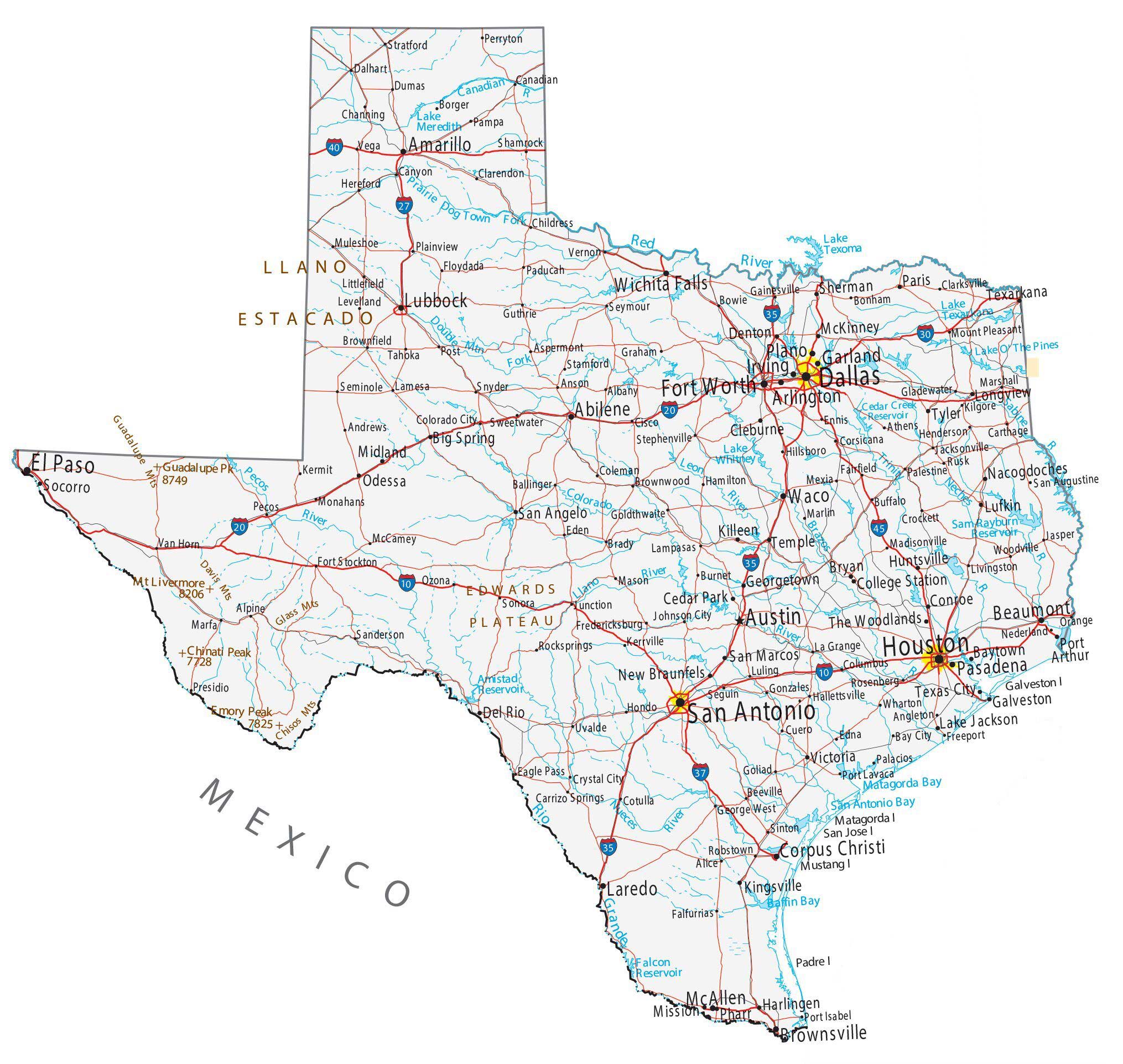
Experiencing Texas: A Journey Through Diverse Landscapes and Cultures
While the cities of Texas offer incredible experiences, the state’s true allure lies in its vast and varied landscapes, providing a multitude of travel opportunities that extend far beyond the urban centers.
West Texas: Desert Vistas and Big Sky Country
The western expanse of Texas is characterized by its dramatic desert landscapes, rugged mountains, and an endless sky. Big Bend National Park is a crown jewel, offering breathtaking vistas of the Chisos Mountains, the Rio Grande, and vast stretches of desert wilderness. Hiking, camping, stargazing, and exploring the park’s diverse ecosystems are popular activities. Nearby, the quirky town of Marfa has gained international acclaim for its minimalist art installations and unique cultural scene, drawing artists and enthusiasts alike. The vastness and solitude of West Texas provide a stark contrast to the bustling cities and offer a profound sense of escape.
The Hill Country: Rolling Hills, Wineries, and Charming Towns
Nestled in Central Texas, the Hill Country is a picturesque region of rolling hills, clear rivers, and scenic drives. This area is dotted with charming small towns like Fredericksburg, settled by German immigrants, which offers a delightful array of wineries, boutiques, and German bakeries. Visitors can swim in the crystal-clear waters of the Comal River or the Guadalupe River, explore natural wonders like Natural Bridge Caverns, or enjoy the vibrant live music scene in towns like Gruene. The Hill Country provides a more relaxed, pastoral experience, perfect for a scenic getaway.
The Gulf Coast: Beaches, Wildlife, and Coastal Charm
Texas boasts a significant stretch of coastline along the Gulf of Mexico, offering a different kind of adventure. Cities like Galveston blend Victorian architecture with beach town vibes, featuring historic districts, amusement parks, and family-friendly attractions. Further down the coast, places like Corpus Christi offer opportunities for dolphin watching, visiting the Texas State Aquarium, and enjoying the sandy shores. The coastal regions are also vital habitats for diverse wildlife, particularly migratory birds, making them a haven for nature enthusiasts.
Planning Your Texas Adventure
Understanding that Texas is a state allows for a more informed approach to travel planning. The sheer size and diversity mean that you cannot simply “see Texas” in a few days. It requires strategic planning to explore its distinct regions and urban centers effectively.
Choosing Your Base: City or Countryside?
Your choice of accommodation and base will depend heavily on your interests. For those drawn to arts, culture, dining, and a fast-paced urban environment, the major cities like Houston, Dallas, San Antonio, and Austin offer a vast array of hotels, from luxury suites to boutique inns. If you seek natural beauty, outdoor adventures, and a more tranquil experience, consider basing yourself near national parks like Big Bend or in the charming towns of the Hill Country.
Transportation: Navigating a Vast State
Given the distances involved, a car is almost essential for exploring Texas comprehensively. Major highways connect the large cities, but many of the more remote attractions and smaller towns require independent travel. For inter-city travel, American Airlines and Southwest Airlines offer frequent flights between Dallas, Houston, and Austin, making it possible to experience multiple urban centers without extensive driving.
Experiencing the Texan Spirit
Beyond its geographical and demographic characteristics, Texas is defined by its unique culture and spirit. Known for its hospitality, friendly locals, and a strong sense of pride, the “Texan spirit” is palpable. Whether you’re enjoying a plate of world-class barbecue, listening to live country music, or simply striking up a conversation with a local, you’ll find a warmth and authenticity that makes a trip to Texas truly memorable.
In conclusion, while the question “Is Texas a state or city?” might stem from an appreciation for the immense scale and urban vitality of its major metropolises, the answer remains clear: Texas is a state, a vast and diverse land offering an unparalleled travel experience that encompasses world-class cities, breathtaking natural landscapes, and a rich cultural heritage.
LifeOutOfTheBox is a participant in the Amazon Services LLC Associates Program, an affiliate advertising program designed to provide a means for sites to earn advertising fees by advertising and linking to Amazon.com. Amazon, the Amazon logo, AmazonSupply, and the AmazonSupply logo are trademarks of Amazon.com, Inc. or its affiliates. As an Amazon Associate we earn affiliate commissions from qualifying purchases.