
Navigating the skies between two of America’s most dynamic cities, Philadelphia and Chicago, involves more than just booking a ticket. Understanding the typical flight duration is crucial for effective travel planning, whether you’re embarking on a whirlwind business trip or a leisurely exploration of the Windy City’s architectural wonders. This guide delves into the factors influencing flight times, the nuances of direct versus connecting flights, and what to expect once you touch down in Chicago.
Understanding Direct Flight Durations
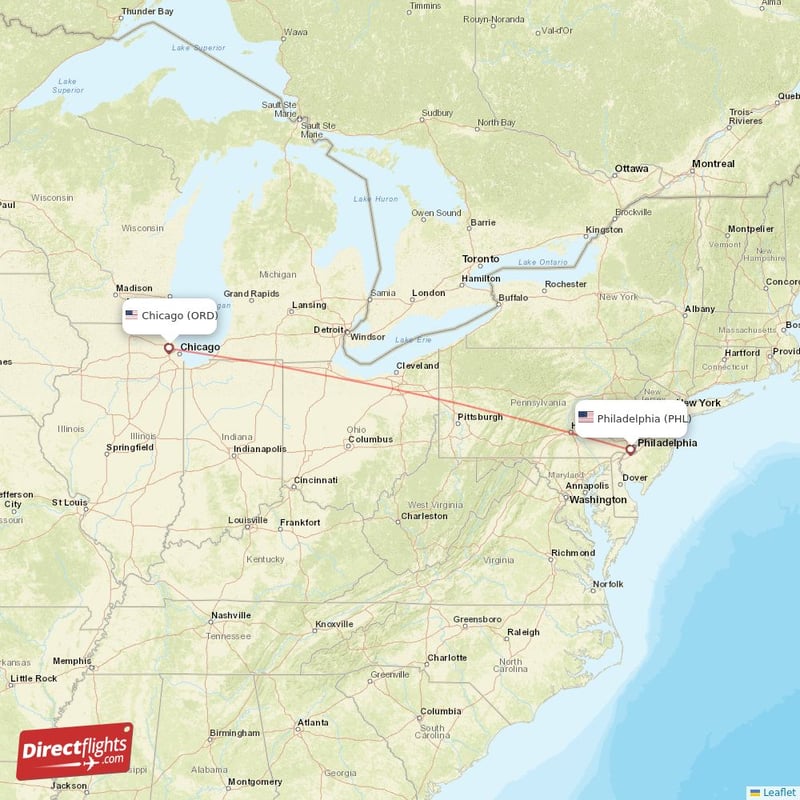
The most straightforward way to travel from Philadelphia International Airport (PHL) to Chicago O’Hare International Airport (ORD) is via a direct flight. These non-stop journeys offer the most efficient use of your travel time, minimizing transit periods and the hassle of changing planes.

Typical Non-Stop Flight Times
For a direct flight from Philadelphia to Chicago, you can generally expect the flight time to be between 2 hours and 30 minutes and 3 hours. This duration is influenced by several interconnected factors:
- Aircraft Type and Speed: Different commercial aircraft have varying cruising speeds. Larger, more modern jets might cover the distance slightly faster than older or smaller models. While the difference might only be minutes, it contributes to the overall flight time.
- Jet Streams and Wind Conditions: The Earth’s atmosphere is a complex system, and prevailing winds, particularly the powerful jet streams, can significantly impact flight times. Flying eastbound often benefits from tailwinds, shortening the journey, while westbound flights might encounter headwinds that extend the duration. The exact direction and strength of these winds fluctuate daily, leading to minor variations in flight schedules.
- Air Traffic Control and Flight Paths: Air traffic control (ATC) plays a vital role in managing the skies. Flight paths are meticulously planned to ensure safety and efficiency, but they can sometimes involve slight detours to avoid congested airspace or severe weather. These routing decisions can add or subtract a few minutes from the total flight time.
- Taxiing Time: While not strictly “flight” time, the duration spent taxiing on the runway at both departure and arrival airports is a component of the total travel experience. This can vary based on airport congestion and ground crew operations.
A typical direct flight originating from Philadelphia and bound for Chicago will aim for an airborne duration of approximately 2.5 to 3 hours. Airlines schedule these flights with a buffer to account for potential minor delays, meaning that often, the actual flight might be slightly shorter than the scheduled time.
The Impact of Connecting Flights
While direct flights are ideal for speed, connecting flights are often chosen for cost savings or when direct options are unavailable or inconveniently timed. A connecting flight involves a stop at an intermediate airport, where passengers deplane and then re-board a different aircraft to reach their final destination. This introduces additional time to the overall journey.
Factors Affecting Connecting Flight Durations
The total duration of a connecting flight from Philadelphia to Chicago is a sum of several components:
- Flight Time to the Connecting Airport: The initial flight from PHL to the transit hub.
- Layover Duration: The time spent at the intermediate airport. This is perhaps the most variable factor. Layovers can range from a brief 45 minutes to several hours, depending on the airline’s schedule and the chosen itinerary. Shorter layovers maximize efficiency but increase the risk of missing a connection due to delays. Longer layovers offer more time to relax, grab a meal, or even explore the transit airport, but they extend the total travel time significantly.
- Flight Time from the Connecting Airport to Chicago: The second leg of the journey.
- Airport Navigational Time: This includes time for deplaning, walking or taking a shuttle between gates, and re-boarding.
Common Connecting Airports
Airlines frequently route flights between Philadelphia and Chicago through major hubs. Depending on the airline, these might include:
- Charlotte Douglas International Airport (CLT): A significant hub for American Airlines, which operates many flights on this route.
- Detroit Metropolitan Wayne County Airport (DTW): Another key hub for Delta Air Lines.
- Hartsfield-Jackson Atlanta International Airport (ATL): The world’s busiest airport and a major operational base for Delta Air Lines.
- Baltimore/Washington International Thurgood Marshall Airport (BWI): Sometimes used by airlines for connecting flights serving the Mid-Atlantic region.
The total travel time for a connecting flight can range dramatically. A well-timed connection with a short layover might result in a total journey of 4 hours to 6 hours. However, flights with longer layovers or connections through more distant hubs could extend the total travel time to 8 hours or even longer. When comparing flight options, it’s essential to look beyond the initial flight duration and consider the total door-to-door time.
Practical Considerations for Your Journey
Beyond the pure flight duration, several practical aspects can influence your travel experience between Philadelphia and Chicago. Planning for these will ensure a smoother transition between these two vibrant metropolises.
Airport Procedures and Timeliness
- Arrival at PHL: For domestic flights, it is generally recommended to arrive at Philadelphia International Airport at least two hours before your scheduled departure. This allows ample time for parking or transportation, check-in, security screening, and reaching your gate without feeling rushed.
- Security Screening: The time it takes to clear TSA security can fluctuate significantly based on the time of day, day of the week, and current staffing levels. Utilizing TSA PreCheck or Clear can expedite this process.
- Boarding Process: Airlines typically begin boarding 30-45 minutes before departure. Being at the gate on time is crucial, as boarding doors often close 15-20 minutes prior to the scheduled pushback.
Arrival in Chicago
- Deplaning and Baggage Claim: Upon arrival at Chicago O’Hare International Airport, the time it takes to deplane and reach the baggage claim area can vary. If you have checked luggage, factor in an additional 15-30 minutes for baggage retrieval.
- Transportation from ORD: O’Hare International Airport is well-connected to the city center. The CTA ‘L’ train, specifically the Blue Line, offers an affordable and efficient way to reach downtown Chicago in approximately 45 minutes. Taxis, ride-sharing services, and rental cars are also readily available, with travel times to the city varying based on traffic, which can be substantial during peak hours.

Choosing the Right Flight
When selecting your flight, consider the trade-offs:
- Direct Flights: Offer the quickest travel time, typically under 3 hours. They are ideal for short trips or when time is of the essence. The trade-off might be a higher price point compared to connecting flights.
- Connecting Flights: Can offer significant cost savings. However, they substantially increase the total travel duration. Carefully examine the layover times and the total journey duration when comparing options. A layover of 1.5 to 2 hours is generally considered a good balance for ensuring a smooth connection without excessive waiting.
By understanding these elements, you can make informed decisions and ensure your travel between Philadelphia and Chicago is as efficient and enjoyable as possible, allowing you more time to experience all that these incredible cities have to offer. Whether you’re heading to explore the historic charm of Philadelphia or the architectural marvels of Chicago, a well-planned journey begins with knowing the skies.
LifeOutOfTheBox is a participant in the Amazon Services LLC Associates Program, an affiliate advertising program designed to provide a means for sites to earn advertising fees by advertising and linking to Amazon.com. Amazon, the Amazon logo, AmazonSupply, and the AmazonSupply logo are trademarks of Amazon.com, Inc. or its affiliates. As an Amazon Associate we earn affiliate commissions from qualifying purchases.