
Plumas County, California, a gem nestled in the northeastern part of the state, is a destination that often sparks curiosity for its remote beauty and abundance of natural wonders. Far from the bustling metropolises, Plumas County offers a serene escape, inviting travelers to immerse themselves in a landscape characterized by majestic mountains, crystal-clear lakes, and vast forests. This region embodies the spirit of adventure and tranquility, drawing those seeking an authentic connection with nature and a respite from the everyday.
Geographical Heart of Northeastern California
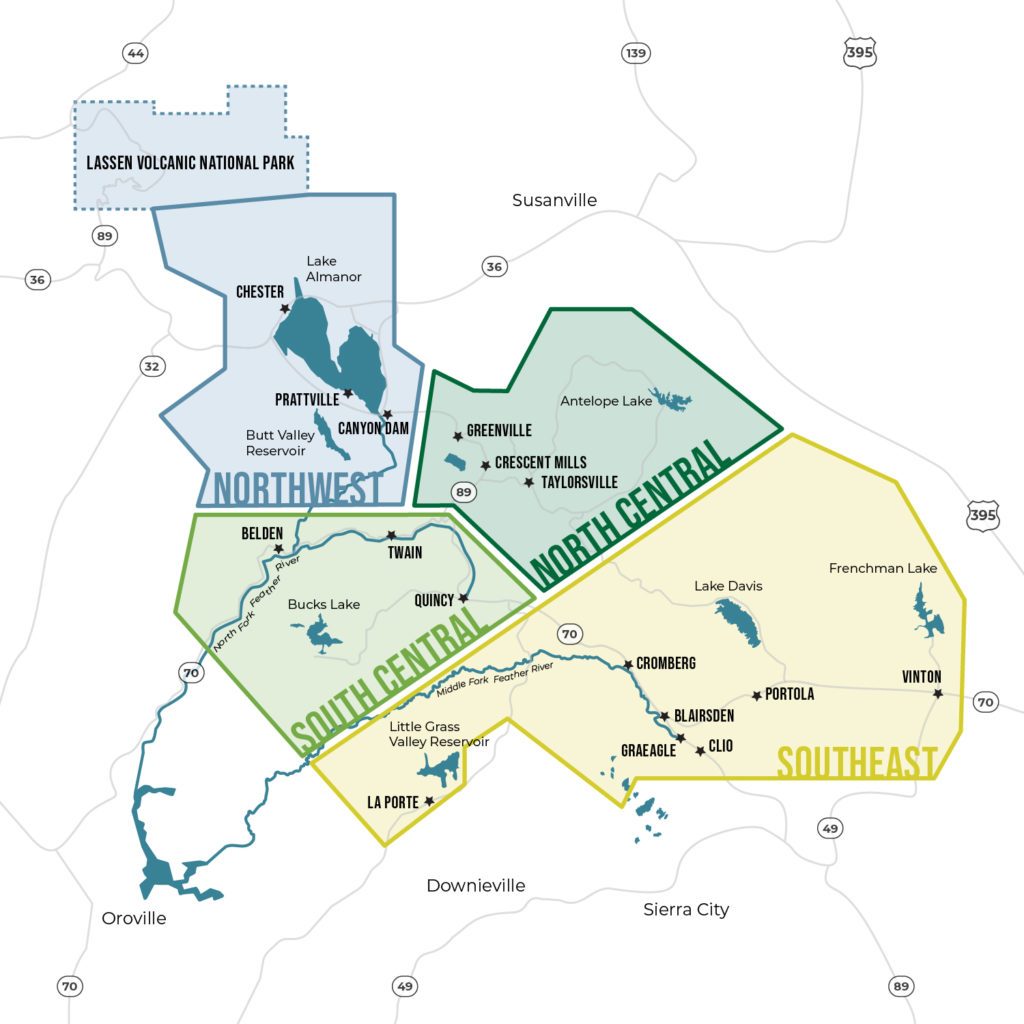
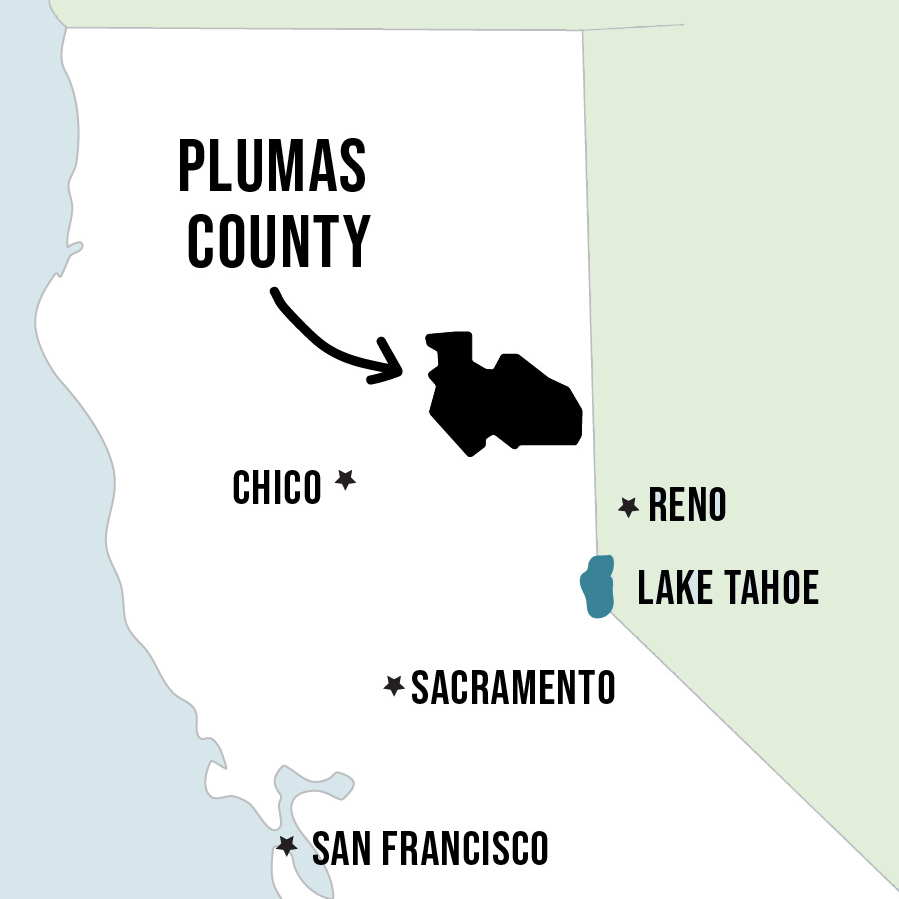
Plumas County is situated in the Sierra Nevada mountain range, a geographical marvel that defines much of California’s eastern frontier. Its location is key to understanding its unique character and the experiences it offers. Bordered by Lassen County to the west, Sierra County to the southwest, Nevada County to the south, Butte County to the west, and Tehama County to the northwest, Plumas County acts as a gateway to a diverse array of natural landscapes. To the east, it shares a significant border with the state of Nevada, including Washoe County and Humboldt County. This strategic positioning places it within a region renowned for its rugged terrain, pristine wilderness, and a slower pace of life that deeply appeals to nature enthusiasts and those yearning for an escape.
Defining Boundaries and Neighboring Territories
The county’s boundaries are largely dictated by the natural contours of the land – mountain ridges, river valleys, and the sprawling expanse of national forests. Understanding these geographical markers is crucial for anyone planning a visit or seeking to appreciate the county’s distinct identity.
- Northern Reach: The northern edge of Plumas County is marked by a transition from the higher peaks of the Sierra Nevada to the more undulating terrain leading towards the Modoc Plateau. This area is characterized by open meadows and a less dense forest cover compared to its southern reaches.
- Southern Embrace: To the south, Plumas County descends into the foothills and borders areas that show a gradual shift towards a drier climate, though still maintaining significant forested areas. The proximity to counties like Sierra County and Nevada County hints at shared historical and geological characteristics.
- Eastern Frontier: The eastern border with Nevada is particularly significant. This frontier region is where the dramatic mountain landscapes give way to the vast basins and ranges typical of the Great Basin. It’s a landscape of stark beauty, often dotted with sagebrush and stark rock formations.
- Western Connections: The western side of Plumas County is intricately linked with the Sierra Nevada’s western slopes, sharing watersheds and forest ecosystems with Butte County and Tehama County. This connection means that the transition from the drier Sacramento Valley to the forested mountains is a gradual and beautiful one.
The Natural Canvas of Plumas County
The landscape of Plumas County is its most compelling attribute. It is a region sculpted by geological forces over millennia, resulting in a breathtaking panorama of mountains, forests, and water bodies. This natural bounty forms the very essence of the county, offering a playground for outdoor recreation and a sanctuary for wildlife.
Lakes and Waterways: Jewels of the Sierra
Plumas County is famously dotted with an impressive number of lakes, each with its own unique charm and recreational opportunities. These azure jewels are central to the county’s identity and a major draw for visitors.
- Lake Almanor: Perhaps the most well-known of Plumas County’s lakes, Lake Almanor is a vast, crescent-shaped reservoir that offers a wide range of activities. From fishing for trophy-sized trout to boating, kayaking, and swimming, its clear waters are a hub of summer activity. The surrounding forests and the iconic snow-capped peak of Lassen Peak in the distance create a postcard-perfect setting.
- Butt Valley Reservoir: A quieter, yet equally beautiful, counterpart to Lake Almanor, Butt Valley Reservoir is known for its serene atmosphere and excellent opportunities for fishing and birdwatching. It’s a place where the focus is on quiet contemplation and enjoying the unspoiled natural environment.
- Feather River System: The county is cradled by the headwaters of the Feather River. This vital waterway snakes through the heart of Plumas County, carving out dramatic canyons and feeding its numerous lakes and tributaries. The Feather River is not only a source of water but also a significant ecological corridor and a prime location for fly fishing. The North, Middle, and South Forks of the Feather River offer diverse aquatic ecosystems.
- Little Valley Lakes: Scattered throughout the higher elevations, these smaller, often pristine lakes offer secluded spots for camping, hiking, and enjoying the solitude of the wilderness. They are often accessible via forest roads and hiking trails, rewarding the adventurous with stunning views and peaceful surroundings.
Majestic Mountains and Verdant Forests
The topography of Plumas County is dominated by the Sierra Nevada’s grandeur. Towering peaks, rolling hills, and vast expanses of forest define the skyline and create a rich tapestry of ecosystems.
- Plumas National Forest: A significant portion of the county is encompassed by the Plumas National Forest. This expansive forest is a haven for biodiversity, providing habitat for a wide array of wildlife, including deer, bears, and numerous bird species. It offers endless opportunities for hiking, camping, backpacking, and exploring the untamed wilderness. The forest is characterized by diverse tree species, including Ponderosa pine, incense-cedar, and white fir, creating a fragrant and visually stunning environment.
- High Sierra Peaks: The county boasts numerous peaks that offer challenging climbs and breathtaking panoramic views. These mountains are a testament to the powerful geological forces that shaped the region and provide a dramatic backdrop to the county’s valleys and lakes.
- Meadows and Valleys: Interspersed between the forested slopes and mountain ranges are beautiful alpine meadows and fertile valleys. These areas provide crucial grazing for wildlife and are often where some of the county’s charming small towns are located, offering a glimpse into the rural lifestyle of this part of California.
Uncovering Plumas County: Activities and Experiences
Plumas County beckons travelers with a wealth of outdoor activities and opportunities to connect with its unique environment and culture. Whether you are an avid adventurer or seeking a peaceful retreat, the county offers experiences to suit every taste.
Adventures in the Wilderness
The sheer scale of the natural environment in Plumas County makes it a premier destination for outdoor enthusiasts.
- Hiking and Backpacking: With thousands of miles of trails, Plumas County is a hiker’s paradise. Trails range from easy strolls through meadows to challenging multi-day backpacking expeditions through the Sierra Nevada. Popular areas include sections of the Pacific Crest Trail, which traverses the county, offering unparalleled vistas and a true immersion in the wilderness.
- Fishing: The abundant lakes and rivers are a dream for anglers. Lake Almanor is renowned for its salmon and trout fishing, while the Feather River system is a celebrated destination for fly fishing. Opportunities abound for both seasoned fishermen and beginners looking to cast a line in pristine waters.
- Water Sports: During the warmer months, the lakes come alive with activity. Boating, kayaking, paddleboarding, and swimming are popular pastimes on Lake Almanor and other accessible bodies of water. The calm surfaces of many lakes offer a peaceful way to explore the shorelines and enjoy the mountain air.
- Winter Recreation: When the snow falls, Plumas County transforms into a winter wonderland. Cross-country skiing, snowshoeing, and snowmobiling become popular activities, offering a different perspective on the county’s majestic landscapes. The quiet beauty of a snow-covered forest is an experience in itself.
Cultural and Historical Discoveries
While nature is the primary draw, Plumas County also offers glimpses into its rich history and local culture.
- Historic Towns: Explore charming towns like Quincy, the county seat, or Graeagle. These communities often feature historic buildings, local museums, and a friendly, small-town atmosphere. They serve as excellent bases for exploring the surrounding natural beauty.
- Local Events and Festivals: Throughout the year, Plumas County hosts various events, from agricultural fairs and rodeos that celebrate its Western heritage to art shows and music festivals that highlight local talent. These events provide a wonderful opportunity to engage with the community and experience its vibrant spirit.
- Stargazing: Due to its remote location and minimal light pollution, Plumas County offers some of the most spectacular stargazing opportunities in California. On a clear night, the sky erupts with countless stars, planets, and the Milky Way, providing a celestial spectacle that is truly awe-inspiring.
Planning Your Plumas County Adventure
To fully appreciate the magic of Plumas County, a thoughtful approach to planning is recommended. Understanding the best times to visit, transportation options, and accommodation can significantly enhance your experience in this captivating region.
When to Visit
The ideal time to visit Plumas County largely depends on the activities you wish to pursue.
- Spring (April-May): As the snow melts, wildflowers begin to bloom, and the landscape awakens. This is a great time for hiking, though higher elevation trails may still be snow-covered. Water levels in lakes and rivers are typically high.
- Summer (June-August): This is the peak season for most outdoor activities. The weather is warm and sunny, perfect for water sports, hiking, camping, and fishing. Daylight hours are long, allowing for extended exploration.
- Fall (September-October): Autumn brings crisp air and stunning fall foliage as the deciduous trees change color. It’s an excellent time for hiking and wildlife viewing, with fewer crowds than in the summer. The fishing season is also excellent during this period.
- Winter (November-March): For those seeking winter sports or a serene, snow-covered landscape, this is the time to visit. Many roads and trails may be impassable due to snow, and some businesses may close seasonally.
Getting There and Around
Plumas County is best accessed by car, as public transportation options are limited.
- By Car: Major routes into Plumas County include U.S. Route 395 to the east, which connects to State Route 70 and State Route 36. State Route 34 and other scenic byways weave through the county, offering breathtaking drives. From the west, State Route 70 provides a direct route from the Sacramento Valley.
- Airports: The nearest major airports are in Sacramento (SMF) and Reno, Nevada (RNO). From these airports, you would rent a car and drive to Plumas County. Smaller regional airports may exist but offer limited service.
- Getting Around: Once in Plumas County, a car is essential for exploring the various towns, lakes, and trailheads. Many roads are paved, but some access points to more remote areas may require a four-wheel-drive vehicle, especially during certain seasons. Be prepared for winding mountain roads and allow ample travel time between destinations.

Accommodation and Amenities
Plumas County offers a range of accommodation options to suit different preferences and budgets.
- Lodges and Cabins: Many charming lodges and rustic cabins are available, particularly around popular areas like Lake Almanor and in the vicinity of Plumas National Forest. These often provide a cozy, immersive experience in nature.
- Vacation Rentals: Homes and cabins can be rented through various platforms, offering more space and amenities for families or groups.
- Campgrounds: For the budget-conscious and nature-lovers, numerous campgrounds are available within the Plumas National Forest and at some of the lakes. Reservations are often recommended, especially during peak season.
- Small Town Inns: Smaller towns may have local inns or motels offering basic comfort and a glimpse into the community.
When visiting Plumas County, remember to pack appropriately for outdoor activities, be mindful of wildlife, and always practice Leave No Trace principles to help preserve the pristine beauty of this remarkable region. The county’s location, its stunning natural landscapes, and the myriad of activities it offers combine to make it an unforgettable destination for anyone seeking an authentic Sierra Nevada experience.
LifeOutOfTheBox is a participant in the Amazon Services LLC Associates Program, an affiliate advertising program designed to provide a means for sites to earn advertising fees by advertising and linking to Amazon.com. Amazon, the Amazon logo, AmazonSupply, and the AmazonSupply logo are trademarks of Amazon.com, Inc. or its affiliates. As an Amazon Associate we earn affiliate commissions from qualifying purchases.