
The question of whether a city possesses a “subway” system is often a loaded one, conjuring images of extensive underground networks whisking commuters across sprawling metropolises. For a city like Detroit, a hub of American industrial history and a vibrant cultural center, the answer is more nuanced than a simple yes or no. While it doesn’t boast a traditional, comprehensive underground subway system akin to New York City or London, Detroit has, and has had, various forms of rapid transit that serve its residents and visitors, albeit with a distinct character shaped by its unique development and urban planning. Understanding Detroit’s transit landscape requires looking beyond the singular definition of a subway and appreciating the evolution of its transportation infrastructure.

The Detroit People Mover: A Downtown Circulator
The most visible and immediate answer to the “subway” question for many visitors to Detroit is the Detroit People Mover. This elevated, automated light rail system primarily serves the downtown core, connecting major attractions, business districts, and entertainment venues. Launched in 1987, the People Mover is not an underground subway in the conventional sense; it runs on an elevated track that circles the central business district. Its 2.9-mile loop features 13 stations, providing convenient access to landmarks like Cobo Center, Ford Field, Comerica Park, and the GM Renaissance Center.
Purpose and Functionality
The Detroit People Mover is designed as a circulator, rather than an extensive commuter network. Its primary purpose is to facilitate movement within the downtown area, reducing the need for short car trips and offering a quick way to navigate between key points of interest. For tourists, it offers an efficient and affordable way to explore the heart of Detroit without the hassle of parking. The system operates for extended hours, making it a practical option for attending sporting events, concerts, or visiting museums located within its service area. While it doesn’t extend to the wider metropolitan region, it plays a crucial role in the daily life of downtown Detroit, especially during peak events.
Limitations and Perceptions
Despite its utility, the People Mover is often critiqued for its limited reach. Its elevated nature, while offering unique city views, can also feel disconnected from the street-level urban experience for some. Furthermore, its inability to connect to other parts of the metropolitan area means that for many residents living outside the downtown core, it is not a viable primary mode of transportation. This limitation often fuels the perception that Detroit lacks a “true” subway system, as its most prominent rapid transit option is confined to a specific, relatively small geographic area.
The History of Rapid Transit in Detroit
To truly understand Detroit’s relationship with rapid transit, one must delve into its history. The city’s urban planning and transportation development have been significantly influenced by its automotive heritage and its expansive geography.
Early Visions and the Streetcar Era

In the early 20th century, like many growing cities, Detroit relied heavily on its extensive streetcar network. These electric streetcars, operated by the Detroit United Railway, were the backbone of public transportation, connecting neighborhoods and serving the burgeoning industrial centers. As the city grew and automobile ownership became more prevalent, the reliance on streetcars began to wane. The dominance of the automobile, inextricably linked to Detroit’s identity as the “Motor City,” fundamentally shaped its transportation priorities.
Failed Subway Proposals and Urban Sprawl
Throughout the mid-20th century, there were various proposals for more comprehensive rapid transit systems, including potential subway lines. However, these ambitious plans often faltered due to a combination of factors. The immense cost of constructing underground tunnels, coupled with the city’s sprawling development patterns and the pervasive influence of car culture, made such projects difficult to realize. Urban planners often favored highway construction and suburban expansion over heavy investment in mass transit that would serve a wider region. The focus remained on facilitating individual car travel, an ethos that defined Detroit for decades.
Beyond the Subway: Detroit’s Broader Transit Network
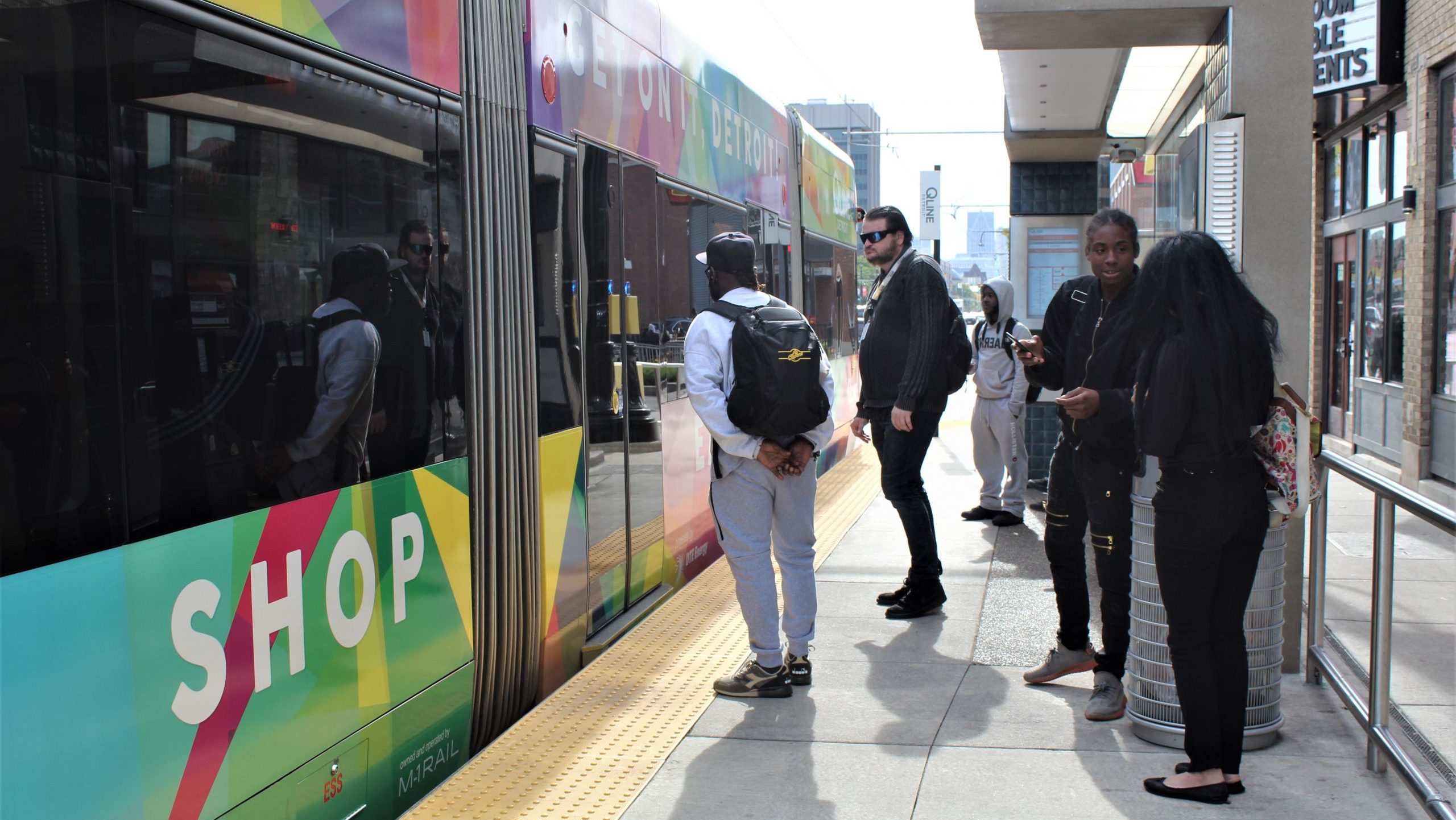
While the absence of a vast underground subway system is notable, Detroit is served by a more comprehensive, though less centralized, public transportation network that includes bus services and regional rail.
DDOT and SMART: Bus Systems as the Primary Connectors
The primary public transit providers in the Detroit metropolitan area are the Detroit Department of Transportation (DDOT) and the Suburban Mobility Authority for Regional Transportation (SMART). DDOT operates bus routes primarily within the city limits of Detroit, offering extensive coverage across its diverse neighborhoods. SMART provides intercounty service, connecting Detroit with its surrounding suburbs and other communities in the tri-county area of Wayne, Oakland, and Macomb counties.
These bus systems, while fundamental to many residents’ daily commutes, do not offer the speed or capacity of a rapid transit system like a subway. They are susceptible to traffic congestion and operate on fixed schedules, which can make them less appealing for those seeking rapid point-to-point travel. However, for a significant portion of the population, particularly those without access to personal vehicles, DDOT and SMART are indispensable lifelines, connecting them to jobs, education, healthcare, and essential services across the metropolitan landscape.
The Proposed Regional Transit Authority and Future Prospects
In recent years, there has been renewed discussion and effort towards creating a more integrated and robust regional transit system for Detroit and its surrounding counties. The establishment of the Regional Transit Authority (RTA) of Southeast Michigan aims to coordinate and improve transit services across the region. While the focus is currently on enhancing bus networks and exploring Bus Rapid Transit (BRT) options, the long-term vision for regional transit in Detroit could encompass more advanced forms of rapid transit.
The challenges remain significant, including funding, political will, and overcoming decades of car-centric development. However, the ongoing dialogue and investment in transit initiatives suggest a growing recognition of the need for more efficient and sustainable transportation options in Detroit. Whether this evolution will lead to the development of a future “subway” in the traditional sense remains to be seen, but the city’s approach to rapid transit is undoubtedly dynamic and evolving.
In conclusion, while Detroit does not have a conventional, extensive underground subway system, its public transportation landscape is more complex. The Detroit People Mover offers a unique, elevated rapid transit experience within the downtown core, while DDOT and SMART buses provide essential connectivity across the wider metropolitan region. The city’s transit future is a subject of ongoing development, hinting at potential advancements that may redefine rapid transit in the Motor City.
LifeOutOfTheBox is a participant in the Amazon Services LLC Associates Program, an affiliate advertising program designed to provide a means for sites to earn advertising fees by advertising and linking to Amazon.com. Amazon, the Amazon logo, AmazonSupply, and the AmazonSupply logo are trademarks of Amazon.com, Inc. or its affiliates. As an Amazon Associate we earn affiliate commissions from qualifying purchases.