
Navigating the logistics of international travel can often feel like charting a course through unfamiliar waters. For those in the American Midwest dreaming of emerald landscapes and ancient castles, a pivotal question arises: “How long is a flight to Ireland from Chicago?” This inquiry is more than just a matter of time; it’s the first step in planning an unforgettable journey to the Emerald Isle. Understanding the flight duration is crucial for everything from booking the most convenient flights to preparing for your arrival in a new time zone.
Direct Flights: The Fastest Route to the Emerald Isle
For travelers prioritizing efficiency and minimizing transit time, direct flights offer the most straightforward path from Chicago to Ireland. These non-stop journeys bypass the complexities of layovers, allowing you to reach your destination with the greatest possible speed.
Average Duration of Direct Flights
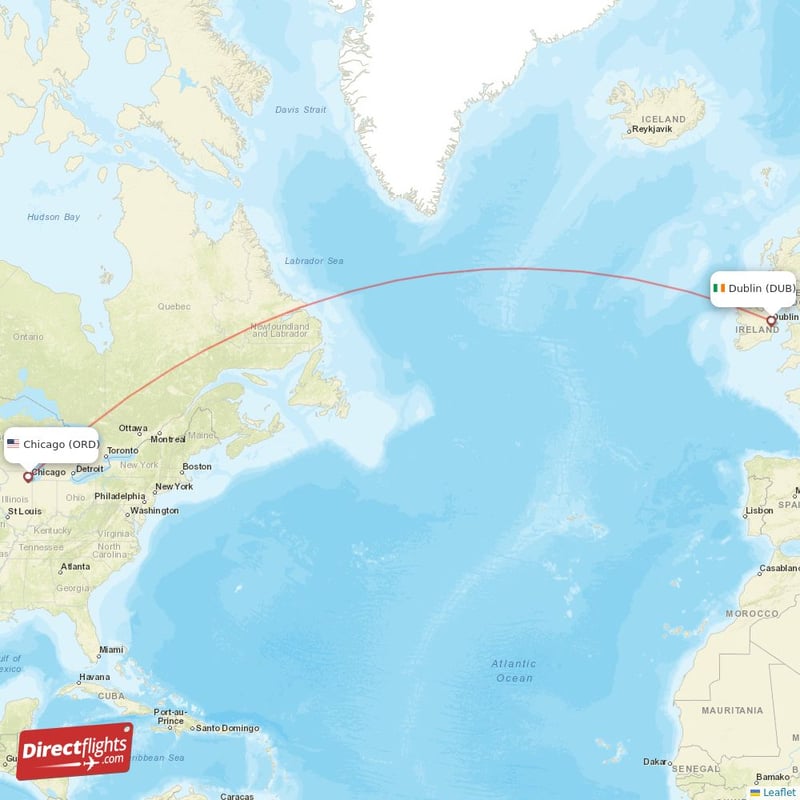
When you opt for a direct flight from Chicago’s O’Hare International Airport (ORD) to Dublin Airport (DUB), the primary gateway to Ireland, you can expect the flight time to hover around 7 to 8 hours. This duration can fluctuate slightly based on a variety of factors, including the specific airline, the type of aircraft, and prevailing wind conditions. For instance, eastbound transatlantic flights often benefit from the jet stream, which can contribute to shorter flight times compared to westbound journeys.
Airlines Offering Direct Service
Several reputable airlines regularly operate direct routes between Chicago and Dublin. These include major carriers such as:
- Aer Lingus: As Ireland’s flag carrier, Aer Lingus often provides competitive options for direct travel.
- United Airlines: This Chicago-based airline is a consistent choice for direct flights connecting the two cities.
Booking with these airlines ensures a seamless travel experience, as they are well-versed in transatlantic operations and customer service. It is always advisable to check the latest schedules directly with the airlines, as flight offerings can change seasonally or in response to demand.
Advantages of Direct Flights
The primary advantage of a direct flight is, unequivocally, time savings. Eliminating layovers means less time spent in airports, reducing the risk of missed connections, and minimizing the overall stress associated with travel. For those on a tight schedule or who simply prefer to get settled into their Irish accommodations as quickly as possible, a direct flight is the ideal solution. Furthermore, the comfort and convenience of remaining on the same aircraft for the entire journey cannot be overstated, especially for those who find air travel a bit daunting.
Flights with Layovers: Exploring Options and Durations
While direct flights are the quickest, they are not always the most convenient or cost-effective option. Flights with one or more layovers can offer more flexibility in terms of scheduling and may present opportunities for lower fares. However, these journeys naturally extend the overall travel time.
Common Layover Hubs
Transatlantic flights from Chicago to Ireland often involve a layover in a major European or North American hub. Common cities where you might find yourself connecting include:
- European Hubs:
- London Heathrow Airport (LHR): A major gateway with numerous connections to Dublin.
- Amsterdam Airport Schiphol (AMS): Another significant European hub with extensive flight networks.
- Paris Charles de Gaulle Airport (CDG): Offers a wealth of options for onward travel to Ireland.
- Reykjavik Keflavik Airport (KEF): Icelandair frequently utilizes Reykjavik as a strategic stopover point, which can sometimes offer a unique travel experience.
- North American Hubs:
- New York JFK Airport (JFK): A primary hub for East Coast transatlantic travel.
- Newark Liberty International Airport (EWR): Another major gateway in the New York metropolitan area.
- Boston Logan International Airport (BOS): A popular choice for flights connecting the Midwest to Ireland.
The choice of layover city can significantly impact your total travel time, depending on the length of the connection and the efficiency of the airport.

Total Travel Time with Layovers
The total travel time for flights with layovers can vary dramatically. A conservative estimate for a flight with one layover would typically range from 10 to 15 hours. This figure includes:
- The duration of the initial flight from Chicago to the layover city.
- The layover period itself, which can range from a couple of hours to an entire day.
- The subsequent flight from the layover city to Ireland.
Longer layovers, particularly those exceeding six hours, can push the total travel time well beyond 15 hours. It’s essential to carefully review the itinerary provided by the airline when booking to understand the precise duration and the time spent at each airport.
Factors Influencing Layover Flight Durations
Several factors contribute to the extended travel time of flights with layovers:
- Layover Length: This is the most significant variable. A short layover of 2-3 hours will result in a much shorter overall journey than a layover of 8+ hours.
- Airport Size and Efficiency: Larger, busier airports may require more time for navigation, security checks, and boarding gates, especially if you need to transfer terminals.
- Airline and Aircraft Type: Different airlines have different flight schedules and aircraft capabilities, which can influence the time between connections.
- Potential for Delays: Each segment of a multi-leg journey presents a potential for delays, which can compound and significantly impact the final arrival time.
When considering a flight with a layover, it’s prudent to factor in buffer time and to choose layovers that are long enough to comfortably make your connection without feeling rushed, but not so long that they become excessively burdensome.
Preparing for Your Journey: Time Zones and Arrival
Beyond the flight duration, understanding the time difference and preparing for arrival are crucial components of your travel planning.
The Time Difference Between Chicago and Ireland
Ireland operates on the Greenwich Mean Time (GMT) or, during the summer months, Irish Standard Time (IST), which is GMT+1. Chicago observes Central Standard Time (CST) or Central Daylight Time (CDT) during the summer, which is GMT-6 or GMT-5, respectively. This means Ireland is typically 6 or 7 hours ahead of Chicago.
- Example: If it is 12:00 PM (noon) on a Tuesday in Chicago during daylight saving time (CDT, GMT-5), it will be 6:00 PM on a Tuesday in Ireland (IST, GMT+1).
This significant time difference is a primary reason for jet lag. Experiencing a long flight and then immediately confronting a substantial time shift can be disorienting.
Tips for Managing Jet Lag
To mitigate the effects of jet lag and maximize your enjoyment upon arrival in Ireland, consider these strategies:
- Adjust Your Sleep Schedule: A few days before your trip, try to gradually shift your sleep and wake times closer to Ireland’s schedule.
- Stay Hydrated: Drink plenty of water during the flight. Dehydration can exacerbate the symptoms of jet lag.
- Avoid Alcohol and Caffeine: Limit your intake of alcohol and caffeine during the flight, as they can disrupt sleep patterns.
- Move During the Flight: Get up and walk around the cabin periodically to promote circulation and reduce stiffness.
- Embrace Local Time Upon Arrival: As soon as you land in Ireland, try to adopt the local time. Eat meals at appropriate times and try to stay awake until a reasonable local bedtime.
- Get Sunlight: Exposing yourself to natural light during daylight hours in Ireland can help reset your body’s internal clock.
By proactively addressing the time difference and preparing for the physical demands of long-haul travel, you can ensure a smoother transition into your Irish adventure. Whether you choose the swiftness of a direct flight or the potential savings of a layover, understanding these travel dynamics will pave the way for a memorable and enjoyable experience on the Emerald Isle.
LifeOutOfTheBox is a participant in the Amazon Services LLC Associates Program, an affiliate advertising program designed to provide a means for sites to earn advertising fees by advertising and linking to Amazon.com. Amazon, the Amazon logo, AmazonSupply, and the AmazonSupply logo are trademarks of Amazon.com, Inc. or its affiliates. As an Amazon Associate we earn affiliate commissions from qualifying purchases.