
The prospect of another hurricane impacting Florida often triggers a wave of anxiety and immediate logistical considerations for both residents and the vast tourism industry that defines the Sunshine State. As summer transitions into autumn, the Atlantic hurricane season enters its most active phase, making discussions about potential storm threats a regular occurrence. For those planning a visit, considering a property purchase, or simply living in Florida, understanding the current meteorological landscape and the factors influencing hurricane development is crucial for making informed decisions and ensuring safety.
Monitoring the Tropics: The Science Behind the Forecast
Predicting hurricane formation and trajectory is a complex endeavor, relying on a confluence of atmospheric and oceanic conditions. Meteorologists at agencies like the National Hurricane Center meticulously analyze data from various sources to provide the most accurate forecasts possible. These sources include weather satellites, reconnaissance aircraft, buoys, and weather models.

Key Ingredients for Hurricane Formation
Several key elements must align for a tropical disturbance to evolve into a hurricane:
- Warm Ocean Waters: Sea surface temperatures generally need to be at least 26.5 degrees Celsius (80 degrees Fahrenheit) down to a depth of about 50 meters. The warm water acts as the fuel for the storm, providing the energy it needs to intensify. The vast expanse of the Atlantic Ocean off the coast of Florida provides ample warm water during the hurricane season.
- Moist Air: Humid air is essential for the formation of thunderstorms, which are the building blocks of a hurricane. If the air is too dry, it can inhibit thunderstorm development.
- Low Vertical Wind Shear: Wind shear refers to the change in wind speed and direction with height. Low wind shear allows thunderstorms to organize and grow vertically without being torn apart. High wind shear can disrupt the storm’s structure and prevent intensification.
- Pre-existing Disturbance: Hurricanes typically form from tropical waves, which are elongated areas of low pressure that move westward across the tropics. These disturbances provide the initial spin and organization needed for development.
- Coriolis Effect: This is the effect of Earth’s rotation, which causes a slight deflection in the path of moving objects, including air. It’s what gives hurricanes their characteristic counter-clockwise spin in the Northern Hemisphere. A disturbance needs to be at least a few degrees north or south of the equator for the Coriolis effect to be strong enough to initiate rotation.
The Role of the El Niño-Southern Oscillation (ENSO)
The El Niño-Southern Oscillation cycle, which describes fluctuations in sea surface temperatures and atmospheric pressure across the equatorial Pacific Ocean, plays a significant role in modulating Atlantic hurricane activity.
- El Niño: Generally, El Niño conditions are associated with an increase in vertical wind shear over the Atlantic basin, which tends to suppress hurricane activity.
- La Niña: Conversely, La Niña conditions are associated with reduced vertical wind shear, which can lead to a more active hurricane season.
- Neutral ENSO: In neutral years, the impact on hurricane activity is less pronounced and other factors become more dominant.
Understanding the current ENSO phase is a critical component of long-range hurricane season forecasts.
Current Conditions and Outlook for Florida
Assessing the likelihood of a hurricane heading to Florida requires a constant monitoring of weather patterns. Meteorologists issue regular updates, advisories, and outlooks that detail areas of interest in the tropics.
Identifying Areas of Concern
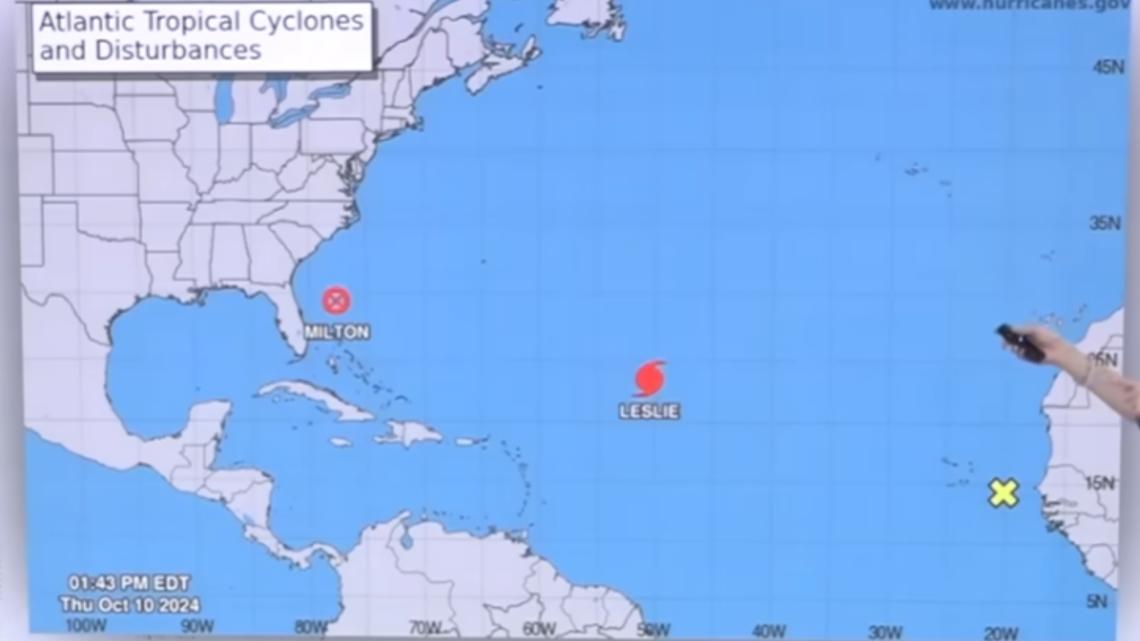
The National Hurricane Center monitors several key areas that can spawn tropical cyclones:
- The Main Development Region (MDR): This region spans the tropical Atlantic Ocean between approximately 10°N and 20°N latitude and east of 60°W longitude. It’s a prime breeding ground for hurricanes.
- The Caribbean Sea: This warm body of water can also be a source of tropical storms and hurricanes that often threaten the southern Florida coastline.
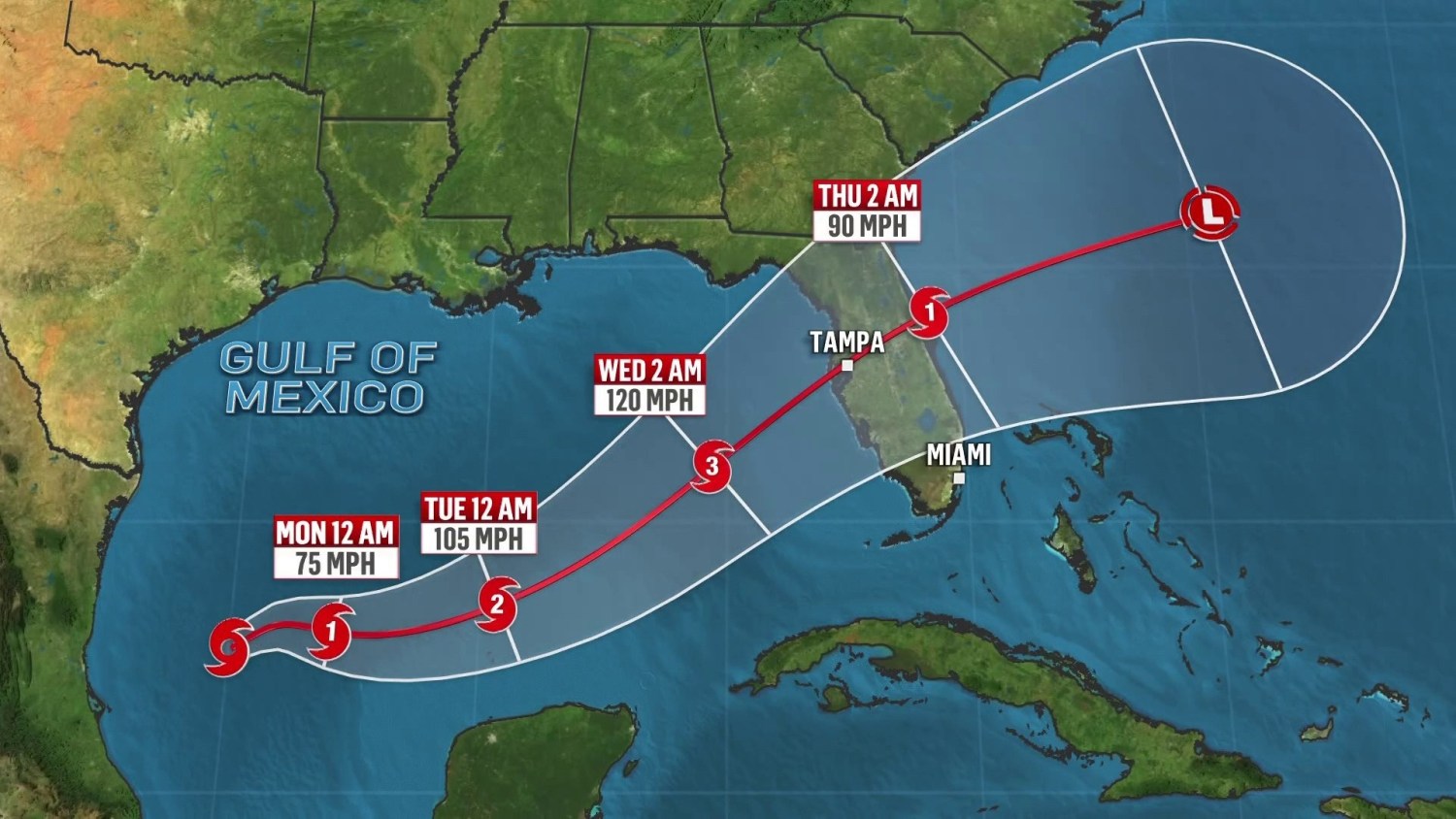
- The Gulf of Mexico: A shallower and warmer sea, the Gulf of Mexico can fuel rapid intensification of storms that track northward towards the Florida Panhandle or western Florida coast.
Beyond the Season: Examining the Forecasts
While the official hurricane season runs from June 1 to November 30, the peak activity typically occurs between August and October. Long-range forecasts, often issued by meteorological organizations and private forecasting firms, provide an outlook for the entire season. These forecasts consider factors such as:
- Sea Surface Temperatures: Anomalously warm waters in the Atlantic are a strong indicator of potential increased activity.
- Atmospheric Conditions: Patterns such as the position of the Bermuda High and the presence of African easterly waves can influence storm tracks and intensity.
- ENSO Status: As mentioned, the current and predicted ENSO phase is a major driver of seasonal hurricane forecasts.
It is important to note that seasonal forecasts provide probabilities and general trends. They cannot predict the exact number of storms or their landfall locations. A single storm can have a devastating impact, regardless of the overall season’s activity.
Preparing for Potential Impacts
For residents and frequent visitors to Florida, being prepared is paramount. This preparedness extends beyond just knowing if a storm is brewing; it involves having a plan in place long before a threat emerges.
Developing a Hurricane Preparedness Plan
A comprehensive hurricane plan should include:
- Evacuation Routes and Shelters: Know your designated evacuation zone and identify potential shelters or safe havens outside the impact area. Familiarize yourself with local evacuation orders and their triggers.
- Emergency Supplies Kit: Assemble a kit with essentials such as water, non-perishable food, a first-aid kit, medications, flashlights, batteries, a portable radio, and personal hygiene items. This kit should be sufficient for at least 72 hours.
- Securing Your Home: Understand how to secure windows and doors (e.g., with storm shutters or plywood), prepare for potential power outages, and take steps to protect outdoor items that could become projectiles.
- Communication Plan: Establish a way to communicate with family members if traditional communication methods are disrupted. This might include designated out-of-state contacts.
- Insurance Review: Ensure your homeowner’s or renter’s insurance policy adequately covers hurricane damage, including wind and flood insurance. Understand your deductibles and coverage limits.
Staying Informed During a Storm Threat
When a tropical system begins to develop and track towards Florida, reliable information is critical.
- Official Sources: The National Hurricane Center is the primary source for official storm track and intensity forecasts. Local emergency management agencies and news outlets also provide vital information specific to your area.
- Understanding Advisories: Familiarize yourself with the different types of advisories issued by the NHC, such as Tropical Storm Watches and Warnings, and Hurricane Watches and Warnings, and what they mean for your safety.
Impact on Tourism and Travel
The presence of hurricanes in the Atlantic has a significant ripple effect on Florida’s tourism industry. Destinations from the Florida Keys to the Panhandle are keenly aware of the potential for storms to disrupt travel plans and impact the visitor experience.
Navigating Travel Decisions
For travelers considering a trip to Florida during hurricane season, several factors come into play:
- Flexibility: If possible, build flexibility into your travel plans. This might mean having the option to reschedule or alter your itinerary.
- Travel Insurance: Purchasing comprehensive travel insurance is highly recommended. It can provide coverage for trip cancellations, interruptions, and medical emergencies related to weather events.
- Accommodation Policies: Understand the cancellation policies of hotels, resorts, and vacation rental companies. Many businesses offer flexible booking options or waivers during hurricane threats. For example, resorts in areas like Orlando or along the coast may have specific hurricane policies.
- Monitoring the Forecast: Stay updated on weather forecasts leading up to and during your trip. Early detection of a potential storm allows for more proactive decision-making.
Post-Storm Recovery and Travel
In the aftermath of a hurricane, travel to affected areas may be temporarily impossible or inadvisable due to infrastructure damage, power outages, and ongoing recovery efforts.
- Heeding Local Advisories: Always follow the guidance of local authorities regarding travel to and from storm-impacted regions.
- Supporting Recovery: Once it is safe to travel, tourism can play a vital role in the economic recovery of communities devastated by hurricanes. However, it’s important to be mindful and respectful of ongoing recovery operations.
Ultimately, the question of whether another hurricane is heading to Florida is a dynamic one, subject to the ever-changing whims of the atmosphere. Continuous vigilance, a thorough understanding of meteorological principles, and robust preparedness measures are the cornerstones of navigating the hurricane season safely and confidently in the Sunshine State.
LifeOutOfTheBox is a participant in the Amazon Services LLC Associates Program, an affiliate advertising program designed to provide a means for sites to earn advertising fees by advertising and linking to Amazon.com. Amazon, the Amazon logo, AmazonSupply, and the AmazonSupply logo are trademarks of Amazon.com, Inc. or its affiliates. As an Amazon Associate we earn affiliate commissions from qualifying purchases.