
The question of “How long is the flight from Chicago to New York?” is a common one for travelers planning their journeys between these two iconic American metropolises. While seemingly straightforward, the answer can be influenced by a variety of factors, ranging from the specific airports involved to prevailing atmospheric conditions and the type of aircraft. Understanding these nuances will allow you to better anticipate your travel time and plan your itinerary accordingly.
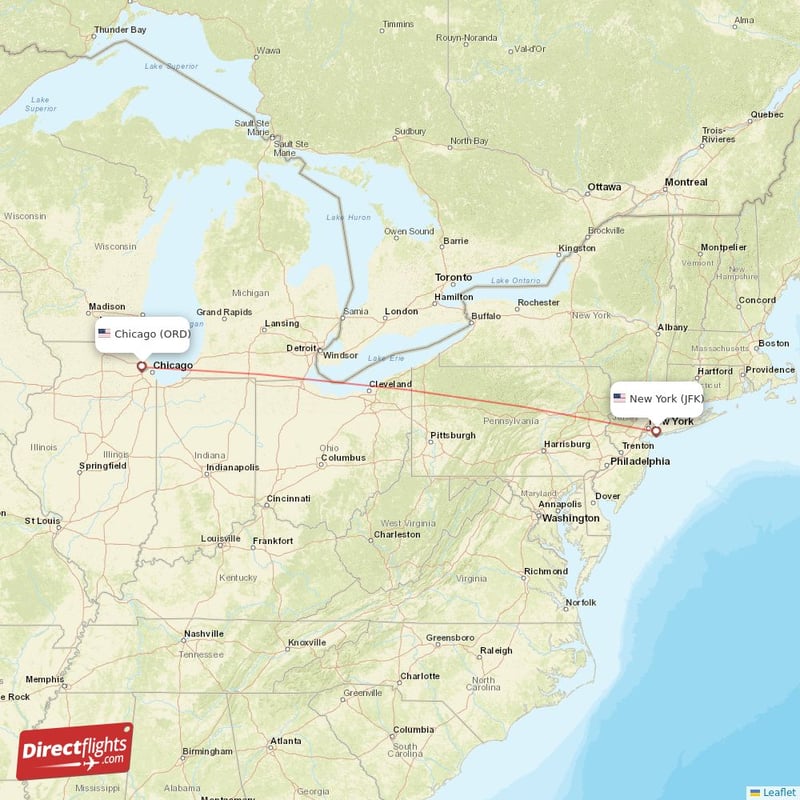
The direct flight duration between Chicago and New York typically falls within a predictable window. Most commercial flights between these cities are considered short-haul, a category that generally encompasses flights under three hours. For this particular route, the average flight time hovers around 2 hours and 30 minutes. This figure represents the actual time the aircraft spends in the air, from the moment it leaves the runway until it touches down at its destination.
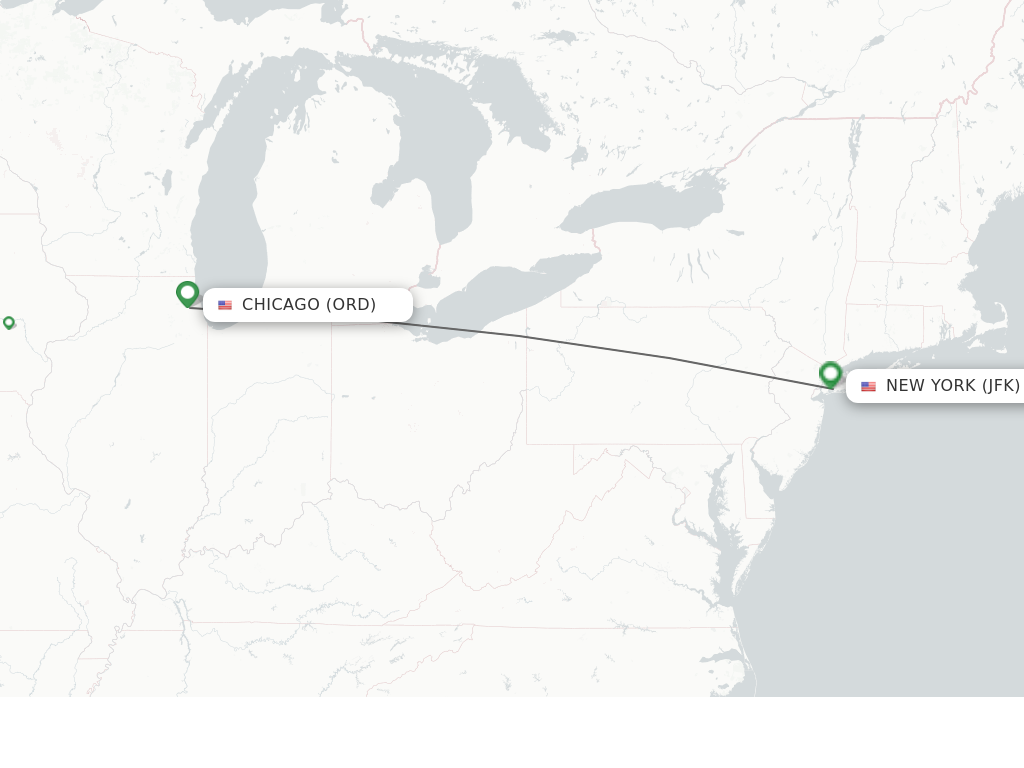
However, it is crucial to remember that this air time is only one component of your overall travel experience. The total time spent from leaving your origin point in Chicago to arriving at your final destination in New York will be significantly longer. This includes time for travel to the airport, check-in procedures, security screening, boarding, taxiing on the runway, and disembarking at the arrival airport. For planning purposes, it is advisable to factor in at least an additional 2 to 3 hours for these pre- and post-flight activities.
Factors Influencing Flight Duration
Several key variables can affect the actual flight time between Chicago and New York. While the distance remains constant, external conditions and operational decisions can lead to variations.
Air Traffic Control and Routing
Air traffic control (ATC) plays a pivotal role in managing the flow of aircraft in the skies. Both Chicago and New York are located within some of the busiest airspaces in the world, with major hubs like O’Hare International Airport and Midway International Airport in Chicago, and John F. Kennedy International Airport, LaGuardia Airport, and Newark Liberty International Airport in the New York metropolitan area. The sheer volume of air traffic necessitates careful coordination by ATC.
- Flight Path Optimization: Pilots and ATC work together to determine the most efficient flight path. While a direct, straight line between two points is the shortest distance, actual flight paths are often dictated by established airways, weather patterns, and the need to avoid other air traffic. These airways can sometimes involve detours that add to the flight time.
- Congestion Delays: During peak travel times, airports and the airspace around them can become congested. This can lead to holding patterns in the air before landing or delays in taxiing to the gate after arriving. While not strictly part of the airborne flight, these delays are often perceived as part of the overall travel time by passengers.
Wind Conditions and Jet Streams
The atmosphere is a dynamic environment, and wind plays a significant role in flight duration.
- Tailwinds: When the wind is blowing in the same direction as the aircraft’s travel, it is known as a tailwind. A strong tailwind can significantly reduce flight time by pushing the aircraft forward. This is often the case when flying eastbound from Chicago to New York.
- Headwinds: Conversely, a headwind blows against the direction of the aircraft’s travel, slowing it down and increasing flight time. Westbound flights from New York to Chicago are more likely to encounter headwinds.
- Jet Streams: These fast-flowing, narrow air currents high in the atmosphere can have a profound impact. Pilots often try to utilize the jet stream when flying eastbound, as it can provide a significant speed boost, potentially shaving considerable time off the flight. The strength and position of the jet stream vary daily and seasonally.
Aircraft Type and Airline Operations
The specific aircraft used for the flight and the operational policies of the airline can also introduce minor variations in flight duration.
- Aircraft Speed: Different aircraft models have varying cruising speeds. While most short-haul flights between Chicago and New York utilize similar classes of aircraft, slight differences in their maximum cruising speeds can contribute to fractional differences in flight time.
- Airline Scheduling: Airlines schedule flights with a buffer to account for potential delays. This buffer is often referred to as “block time,” which includes taxiing, takeoff, flight, and landing. The stated flight time on your ticket is usually an estimate, and the actual airborne time might be slightly shorter or longer.
Airport Considerations: Chicago and New York
The choice of airport in both Chicago and New York can subtly influence your overall travel experience and, indirectly, the perceived duration of your journey.
Chicago Airports
- O’Hare International Airport (ORD): As one of the busiest airports in the world, O’Hare offers numerous daily flights to all major New York area airports. Its size and volume can sometimes lead to longer taxi times or more significant queues for security and boarding, especially during peak hours.
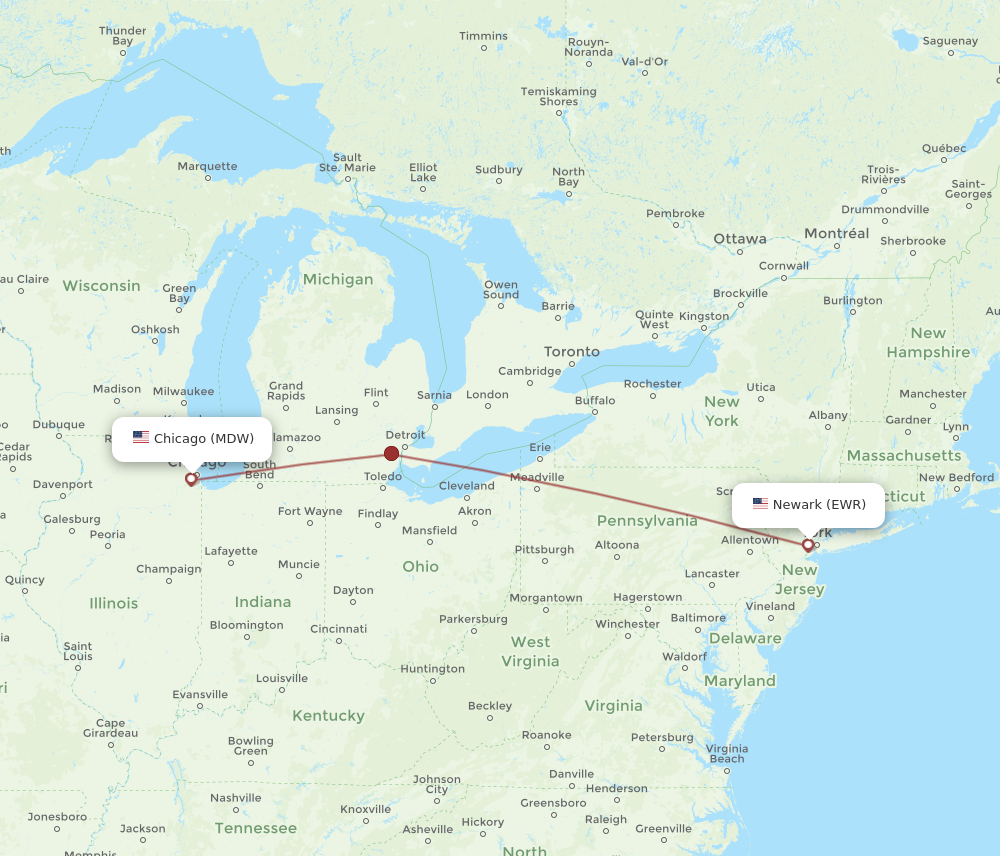
- Midway International Airport (MDW): Often considered a more manageable and less congested alternative to O’Hare, Midway also serves many flights to New York. While generally less prone to extreme delays, its flight schedule might be slightly less comprehensive than that of O’Hare.
New York Airports
- John F. Kennedy International Airport (JFK): A major international gateway, JFK handles a vast number of domestic and international flights. Its extensive facilities mean that arriving or departing flights might experience varying taxi times.
- LaGuardia Airport (LGA): Primarily a domestic airport, LGA is often the most convenient option for travelers flying between Chicago and New York due to its location closer to Manhattan. However, it is also known for its operational challenges and can sometimes experience weather-related delays.
- Newark Liberty International Airport (EWR): Located in New Jersey, EWR serves as another important gateway to the New York metropolitan area. Its operational status and traffic can influence flight durations.
Planning Your Trip: Estimating Total Travel Time
To accurately estimate your total travel time from Chicago to New York, consider the following breakdown:
- Travel to Chicago Airport: Allow at least 1 to 1.5 hours, depending on your starting location within the city and chosen mode of transportation (e.g., taxi, ride-share, public transit).
- Airport Procedures: Aim to arrive at the airport at least 2 hours before your domestic flight. This provides ample time for check-in, baggage drop, and navigating security.
- Boarding and Taxiing: This phase can add 30 minutes to an hour, especially if your gate is far from the security checkpoint or if air traffic is heavy.
- In-Air Flight Time: As established, this is typically around 2 hours and 30 minutes.
- Disembarking and Baggage Claim: Deplaning can take 15 to 30 minutes, and if you have checked luggage, you may wait another 20 to 45 minutes for it to arrive.
- Travel from New York Airport to Your Final Destination: This can vary significantly. For example, traveling from JFK to Manhattan can take 45 minutes to over an hour by taxi or public transport, depending on traffic. LGA and EWR have their own unique travel times to various parts of the city.
Therefore, a realistic estimate for your total door-to-door travel time from Chicago to New York would be in the range of 6 to 8 hours.
Booking and Travel Tips
When booking your flight, pay attention to the scheduled departure and arrival times, as well as the estimated flight duration provided by the airline. Many online travel agencies and airline websites will specify the “flight time” or “air time.”
- Choose Your Airports Wisely: Consider the proximity of your chosen airports in both Chicago and New York to your ultimate destinations. Sometimes, a slightly longer flight might be offset by a more convenient airport arrival.
- Monitor Weather Forecasts: Stay informed about weather conditions in both departure and arrival cities. Significant weather events can cause widespread flight disruptions.
- Pack Light: If possible, opt for carry-on luggage to save time at baggage claim.
- Utilize Airline Apps: Many airlines offer mobile apps that provide real-time flight status updates, gate information, and boarding notifications, which can streamline your airport experience.
- Consider Red-Eye Flights: For budget travelers or those looking to maximize their daytime hours in either city, red-eye flights (overnight flights) can be an option. While the flight duration remains similar, the experience of traveling during sleeping hours can alter your perception of the journey.
Ultimately, the flight from Chicago to New York is a relatively short hop across the Midwest. By understanding the contributing factors to flight duration and planning your total travel time realistically, you can ensure a smoother and more predictable journey between these two vibrant American hubs.
LifeOutOfTheBox is a participant in the Amazon Services LLC Associates Program, an affiliate advertising program designed to provide a means for sites to earn advertising fees by advertising and linking to Amazon.com. Amazon, the Amazon logo, AmazonSupply, and the AmazonSupply logo are trademarks of Amazon.com, Inc. or its affiliates. As an Amazon Associate we earn affiliate commissions from qualifying purchases.