
In the annals of social history, certain terms emerge that encapsulate a unique lifestyle, challenging the conventional norms of their era. “Boston Marriage” is one such phrase, describing a specific type of cohabitation between two women that became notably prevalent in the late 19th and early 20th centuries, particularly in the northeastern United States. Far from a casual arrangement, a Boston Marriage represented a deliberate lifestyle choice, often characterized by deep emotional bonds, intellectual companionship, and a significant degree of financial and social independence from male-dominated societal structures. Understanding this phenomenon requires an exploration of the societal currents that enabled its existence and the profound impact it had on the lives of the women who chose this path. It wasn’t merely a living arrangement; it was a distinctive lifestyle that redefined partnership and autonomy for a segment of society.
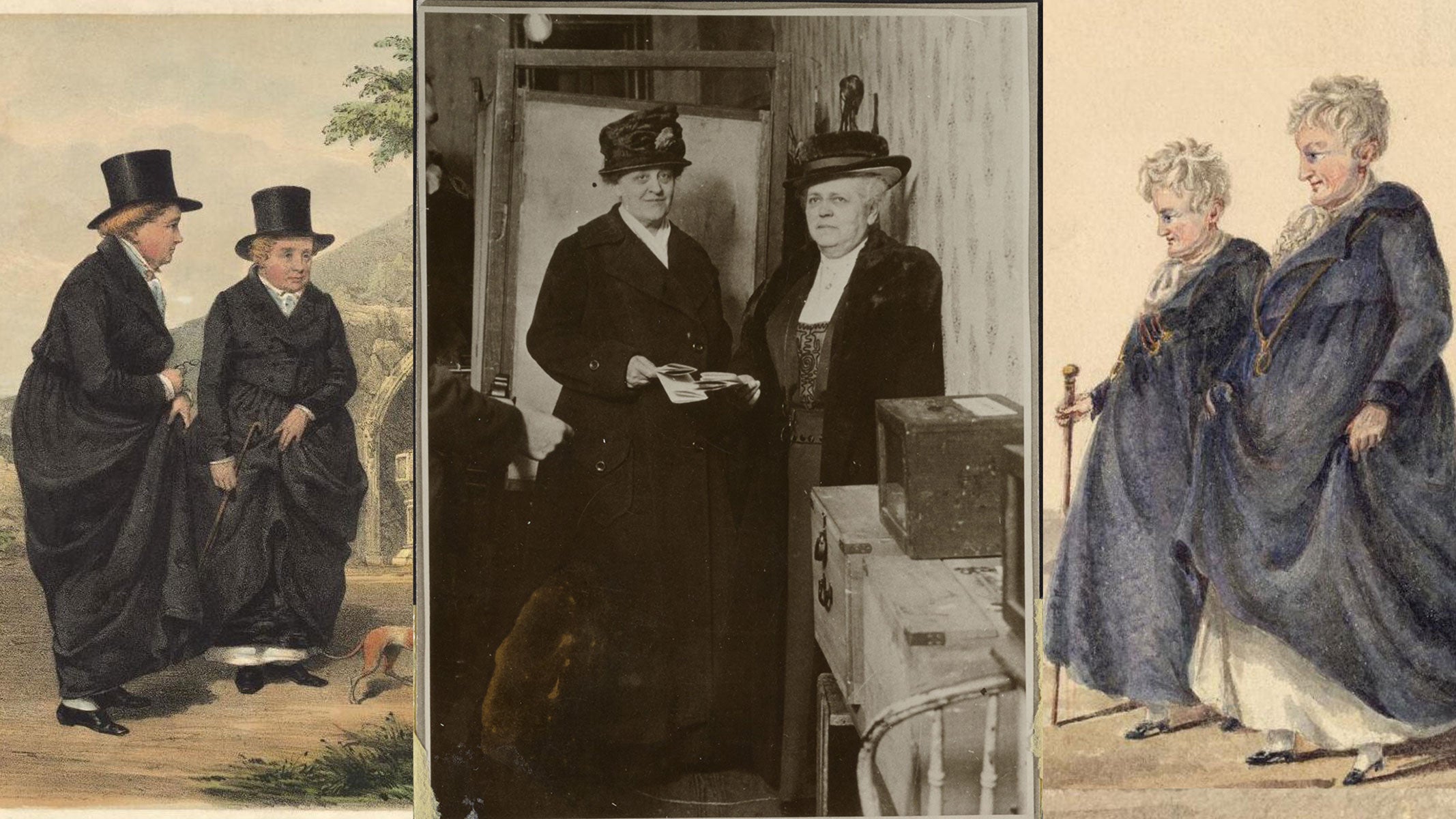
A Lifestyle of Female Autonomy and Companionate Living
At its core, a Boston Marriage was a long-term, exclusive domestic partnership between two unmarried women. The term itself is believed to have gained prominence after the publication of Henry James‘ novel The Bostonians in 1886, which depicted just such a relationship. However, the phenomenon itself predates this literary reference. These unions were typically forged between women who were financially independent, educated, and often involved in reform movements, professional careers, or the burgeoning women’s rights discourse of the time.
The defining characteristics of this lifestyle included:
Financial Independence
Unlike most women of their era, who were largely dependent on male relatives (fathers, brothers, husbands) for financial support, women in Boston Marriages often possessed their own incomes or inherited wealth. This financial autonomy was paramount, as it provided the freedom to establish a shared household without the necessity of a male breadwinner. It allowed them to pursue careers in emerging fields such as academia, medicine, teaching, and social work, or to devote themselves to artistic and intellectual pursuits. This independence was a radical departure from the traditional female role and enabled a lifestyle focused on personal and professional fulfillment rather than domestic subservience.
Shared Domesticity
The partners in a Boston Marriage would share a home, pooling resources and responsibilities. This created a stable and supportive environment conducive to their intellectual and professional lives. Their shared domestic space was not merely a convenience but a cornerstone of their lifestyle, providing a sanctuary for their relationship and endeavors. It allowed them to escape the confines of patriarchal expectations that often relegated women to isolated domestic roles or dependent social positions.
Deep Emotional and Intellectual Bonds
While the exact nature of intimacy in Boston Marriages has been a subject of historical debate and modern interpretation, what is undeniable is the presence of profound emotional and intellectual connections. These relationships were built on mutual respect, shared interests, and deep affection, often described in their letters and journals with passionate devotion. They offered a unique form of companionship, allowing women to engage in intellectual discourse, artistic collaboration, and emotional support that was often unavailable in heterosexual marriages of the time. This intense bond formed the emotional bedrock of their chosen lifestyle, providing strength and solace in a society that often marginalized independent women.
Societal Context: The Enabling Environment for This Lifestyle
The emergence and relative acceptance of the Boston Marriage lifestyle were not accidental. They were products of specific social, economic, and cultural shifts occurring in the late 19th and early 20th centuries. These factors created a unique window where such unconventional arrangements could thrive, particularly among educated, middle and upper-class women in urban centers like Boston and other cities across New England.
The Rise of Women’s Education and Professional Opportunities
The period witnessed a significant expansion of educational opportunities for women, with the establishment of women’s colleges and co-educational universities. This access to higher education fostered a generation of intellectually ambitious women who, upon graduation, often found themselves with aspirations beyond marriage and motherhood. Simultaneously, new professional fields, particularly those requiring advanced education like teaching, nursing, and library science, became increasingly open to women. These roles provided not only intellectual stimulation but also the means for financial independence, freeing women from the economic imperative of marriage. This allowed them to pursue alternative lifestyles that prioritized career and intellectual companionship.
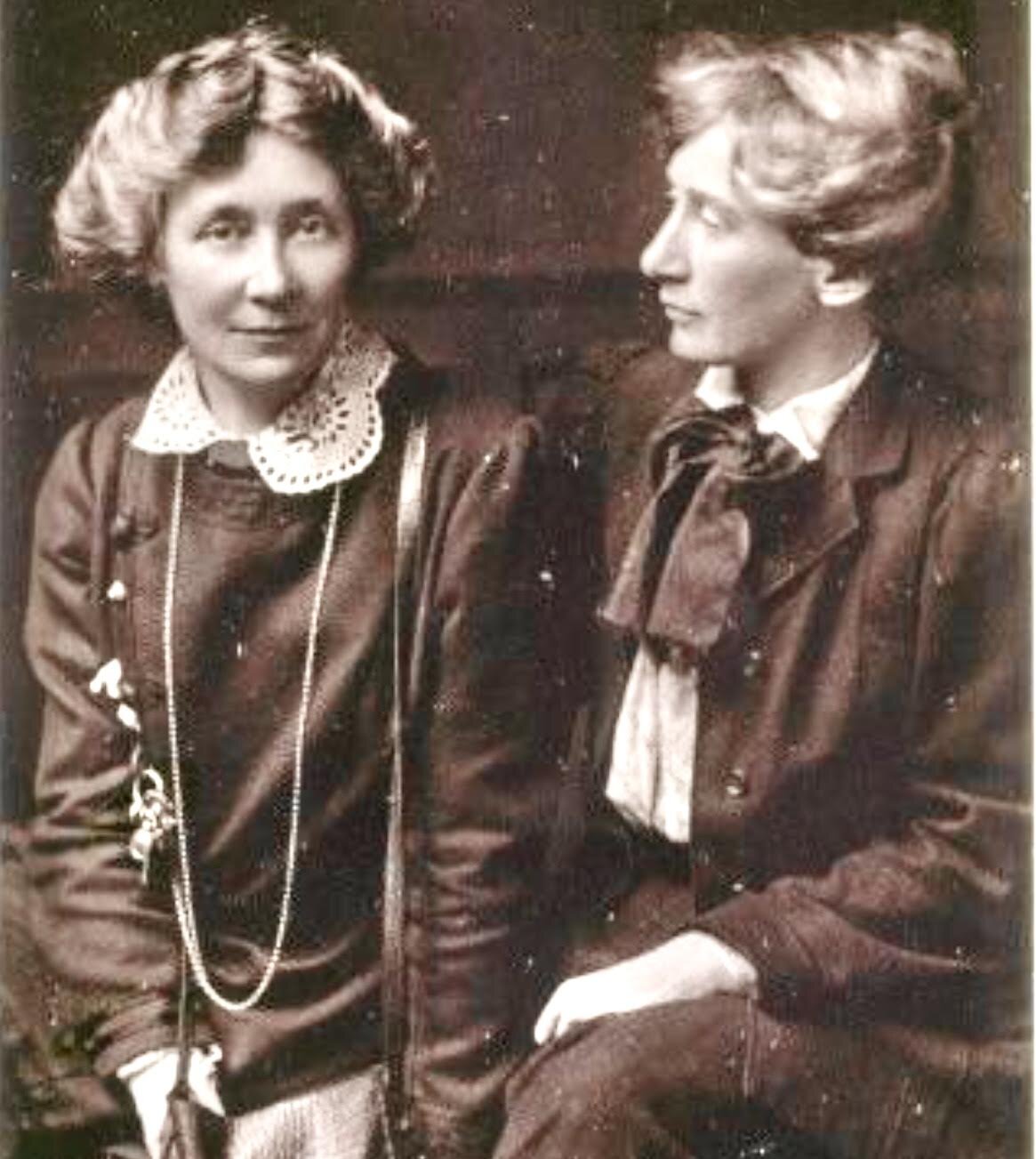
The “New Woman” Phenomenon
The “New Woman” was a cultural ideal that emerged during this period, embodying female independence, education, and social activism. These women challenged traditional gender roles, asserting their right to participate in public life, pursue careers, and make choices about their personal lives outside the strictures of conventional marriage. The Boston Marriage became a practical lifestyle manifestation of the “New Woman” ideal, offering a framework for women to live full, autonomous lives without conforming to societal expectations of domesticity and dependence. It was a lifestyle that empowered them to forge their own destinies.
Demographic Imbalance and Delayed Marriage
In certain social strata, particularly among the educated middle and upper classes, there was sometimes a demographic imbalance with more educated women than suitable male partners. Furthermore, many women chose to delay or forgo marriage to pursue education and careers. For these women, a Boston Marriage offered a socially acceptable and emotionally fulfilling alternative to solitary spinsterhood, allowing them to lead rich, shared lives that were otherwise inaccessible. It provided a recognized way to live a meaningful, partnered lifestyle outside the marital institution.
The Nuance of Intimacy and Social Perception
The nature of intimacy within Boston Marriages is a complex topic, central to understanding their significance as a lifestyle choice. While modern interpretations often view these relationships through a contemporary lens of lesbian identity, the women of the late 19th and early 20th centuries did not have the same social vocabulary or understanding of sexuality.
Beyond Categorization
For many women in Boston Marriages, their bonds were primarily articulated in terms of deep friendship, intellectual partnership, and spiritual connection. The concept of a distinct “homosexual” identity as we understand it today was not widely recognized or openly discussed. Therefore, characterizing these relationships solely through a sexual lens risks anachronism. What is clear, however, is that these were often the most important and enduring relationships in these women’s lives, providing profound emotional sustenance and forming the core of their personal lifestyles. They were partnerships built on shared lives, not just shared spaces.
Social Acceptance and Discretion
Remarkably, many Boston Marriages were openly acknowledged and socially accepted within their communities, particularly among the educated and reform-minded circles where they were most common. As long as these relationships maintained an air of discretion regarding their physical intimacy—which was expected of all women, regardless of their marital status—they were often viewed as legitimate and even commendable arrangements. They allowed women to live respectably and contribute to society, fulfilling a role that society at large might not have explicitly sanctioned for unmarried women but tacitly accepted as a practical lifestyle choice. This acceptance underscored the adaptability of social norms to accommodate valuable contributions from independent women.
Legacy and Evolution: Shaping Future Lifestyles
The Boston Marriage as a distinct lifestyle began to decline in prevalence after the 1920s. Shifting social attitudes, the Freudian popularization of psychology, and changing understandings of female sexuality contributed to a growing scrutiny of intense same-sex bonds, which began to be viewed with suspicion. The once-accepted public demonstration of affection between women became more guarded, and the economic landscape for women also evolved.
However, the legacy of the Boston Marriage is profound and enduring, particularly in the context of lifestyle choices and female autonomy.
Precursor to Diverse Living Arrangements
These historical partnerships demonstrated the viability and desirability of alternative living arrangements outside the traditional nuclear family model. They were pioneering examples of women intentionally structuring their lives to achieve personal and professional goals, often in partnership with another woman, a lifestyle choice that resonated with their aspirations. In this sense, they can be seen as precursors to various forms of chosen families, co-housing, and intentional communities that challenge conventional structures today.
Expanding Definitions of Partnership
The Boston Marriage expanded the cultural understanding of what a “partnership” could entail. It highlighted that profound, life-long bonds could exist and thrive between individuals regardless of traditional marital structures or gendered expectations. This contributed to a broader societal conversation about the nature of love, companionship, and shared life paths, ultimately influencing later movements for diverse relationship recognition. It underscored that a fulfilling lifestyle could be built on many forms of mutual commitment.
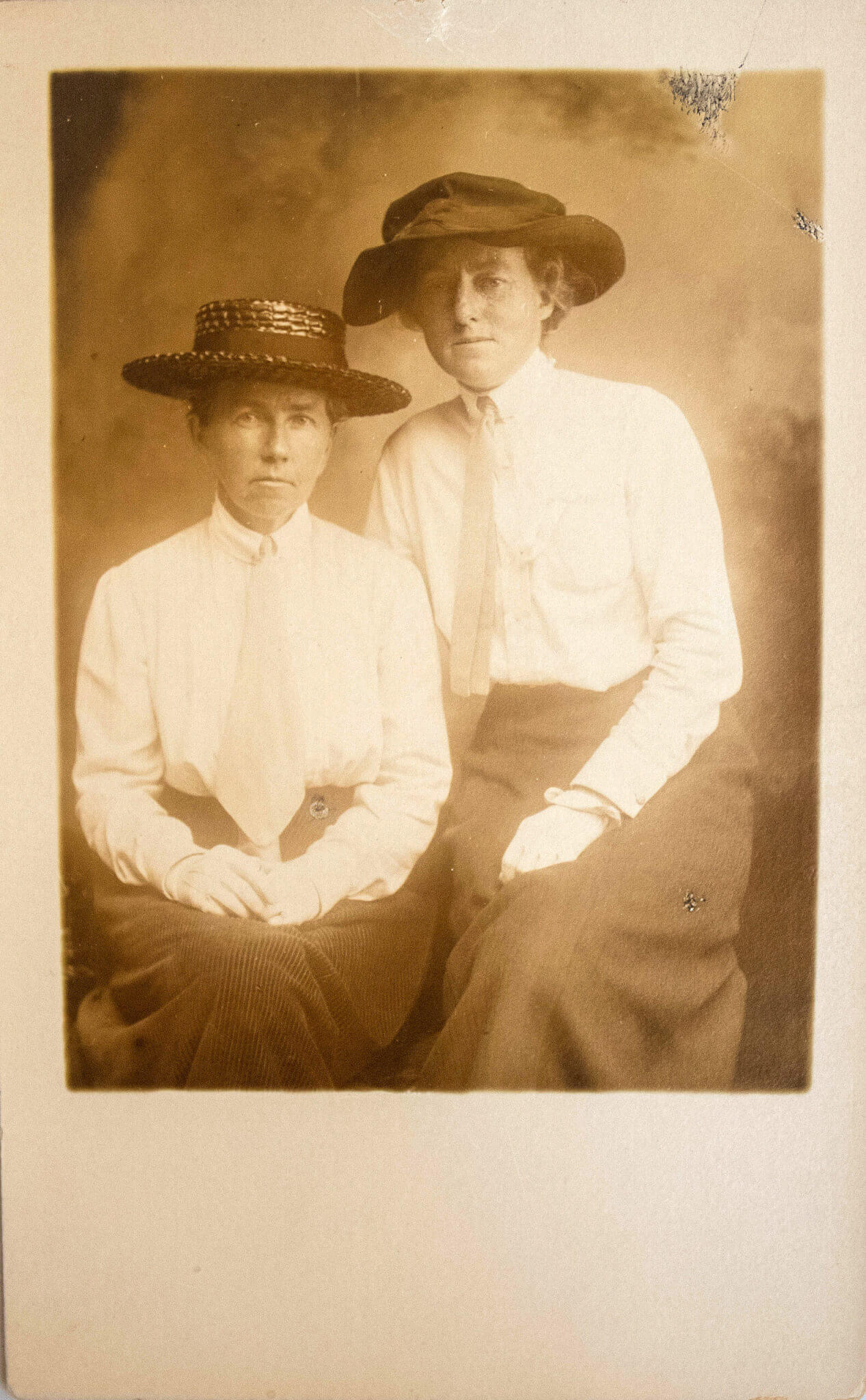
A Chapter in Female Empowerment
Ultimately, the Boston Marriage stands as a testament to women’s resourcefulness and determination in seeking self-definition and fulfillment during an era of significant social change. It represents a vital chapter in the history of female independence and diverse lifestyle choices, offering a powerful example of women creating their own paths to autonomy, intellectual growth, and deeply meaningful relationships. By understanding this historical phenomenon, we gain insight into the enduring human desire for connection, freedom, and the ability to craft a life that truly reflects one’s deepest values and aspirations. It was, in essence, an early blueprint for intentional living and a deeply personal lifestyle statement.
LifeOutOfTheBox is a participant in the Amazon Services LLC Associates Program, an affiliate advertising program designed to provide a means for sites to earn advertising fees by advertising and linking to Amazon.com. Amazon, the Amazon logo, AmazonSupply, and the AmazonSupply logo are trademarks of Amazon.com, Inc. or its affiliates. As an Amazon Associate we earn affiliate commissions from qualifying purchases.