
Understanding the fluctuating cost of gasoline in a major metropolitan area like Chicago, Illinois is crucial for many travelers and local residents alike. Whether you’re planning a cross-country road trip, a weekend getaway to Illinois, or simply navigating your daily commute, the price at the pump directly impacts your budget. This guide delves into the factors influencing gas prices in Chicago, provides insights into current trends, and offers tips for finding the best deals.
Factors Influencing Gas Prices in Chicago
The cost of gasoline is a complex equation, influenced by a confluence of global, national, and local factors. In Chicago, these variables often interact in unique ways, leading to price points that can differ significantly from surrounding regions and the national average.
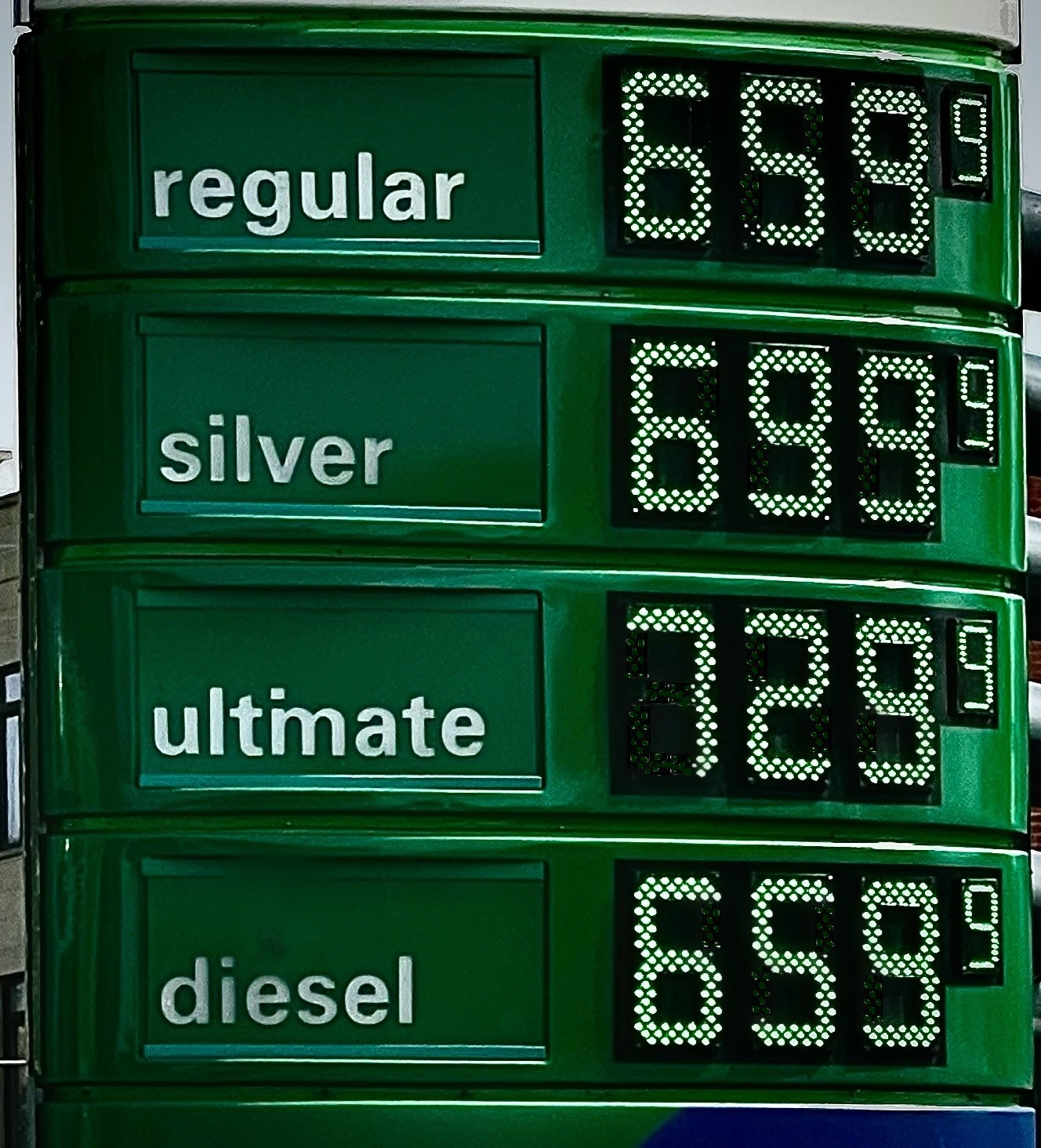
Global Oil Market Dynamics
At the root of gasoline prices lies the cost of crude oil. Crude oil is a global commodity, and its price is subject to numerous international forces:
- Supply and Demand: Geopolitical events in major oil-producing regions, such as conflicts or political instability, can disrupt supply chains and drive up prices. Conversely, increased production from countries like those in OPEC or the United States can lead to lower prices. Global economic health also plays a significant role; a booming global economy increases demand for oil, while a recession can dampen it.
- Production Levels: Decisions made by major oil producers regarding output levels have a direct impact. When production is intentionally curtailed, prices tend to rise. When production surges, prices often fall.
- Refinery Operations: Crude oil must be refined into gasoline. The operational status of refineries, both globally and domestically, can affect the supply of finished gasoline. Unexpected shutdowns due to maintenance, accidents, or natural disasters can create localized or regional shortages, pushing prices upward.
National and Regional Influences
Beyond global crude oil markets, several national and regional factors contribute to the price of gas in Chicago:
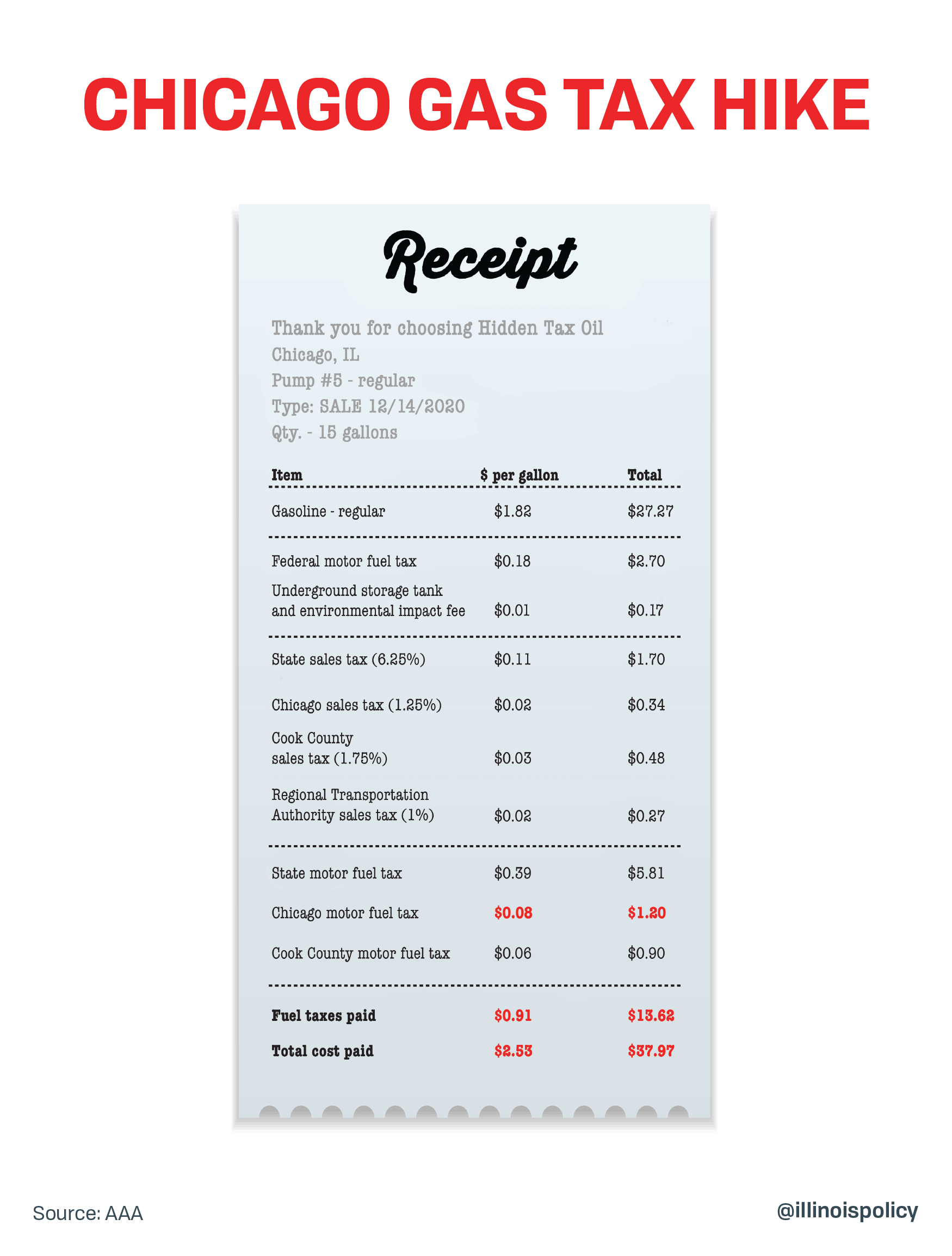
- Federal and State Taxes: Gasoline is subject to federal excise taxes, as well as state and local taxes. Illinois has historically had some of the higher gasoline taxes in the nation, which directly adds to the per-gallon price. These taxes are often used to fund infrastructure projects, including road maintenance and public transportation.
- Transportation Costs: The cost of transporting refined gasoline from refineries to distribution terminals and then to individual gas stations adds to the final price. This includes costs associated with pipelines, barges, rail, and tanker trucks. The distance from major refining centers to Chicago can influence these transportation expenses.
- Seasonal Demand: Demand for gasoline typically increases during the summer months due to increased travel for vacations and recreational activities. This heightened demand, coupled with potential refinery maintenance ahead of peak season, can lead to higher prices during the summer driving season. Conversely, demand often dips in the fall and winter.
- Environmental Regulations: Different regions may have specific fuel blends mandated by environmental regulations, particularly during warmer months to reduce emissions. These specialized blends can sometimes be more expensive to produce and distribute.
Local Chicago-Specific Dynamics
Within Chicago itself, additional factors can cause prices to deviate:
- Competition Among Gas Stations: The level of competition among gas stations in a particular neighborhood or along a specific corridor can influence pricing strategies. Areas with a high density of stations may see more aggressive pricing to attract customers.
- Local Economic Conditions: While less direct, the overall economic health of Chicago can indirectly affect gas demand and, consequently, pricing.
- Retailer Margins: Each gas station owner sets their own retail margin, the profit they make on each gallon sold. This margin can vary based on the station’s location, services offered (e.g., convenience store, car wash), and brand.
Current Gas Price Trends in Chicago
Monitoring current gas price trends in Chicago requires looking at real-time data and understanding how recent events might be affecting prices.
National Averages vs. Chicago Prices
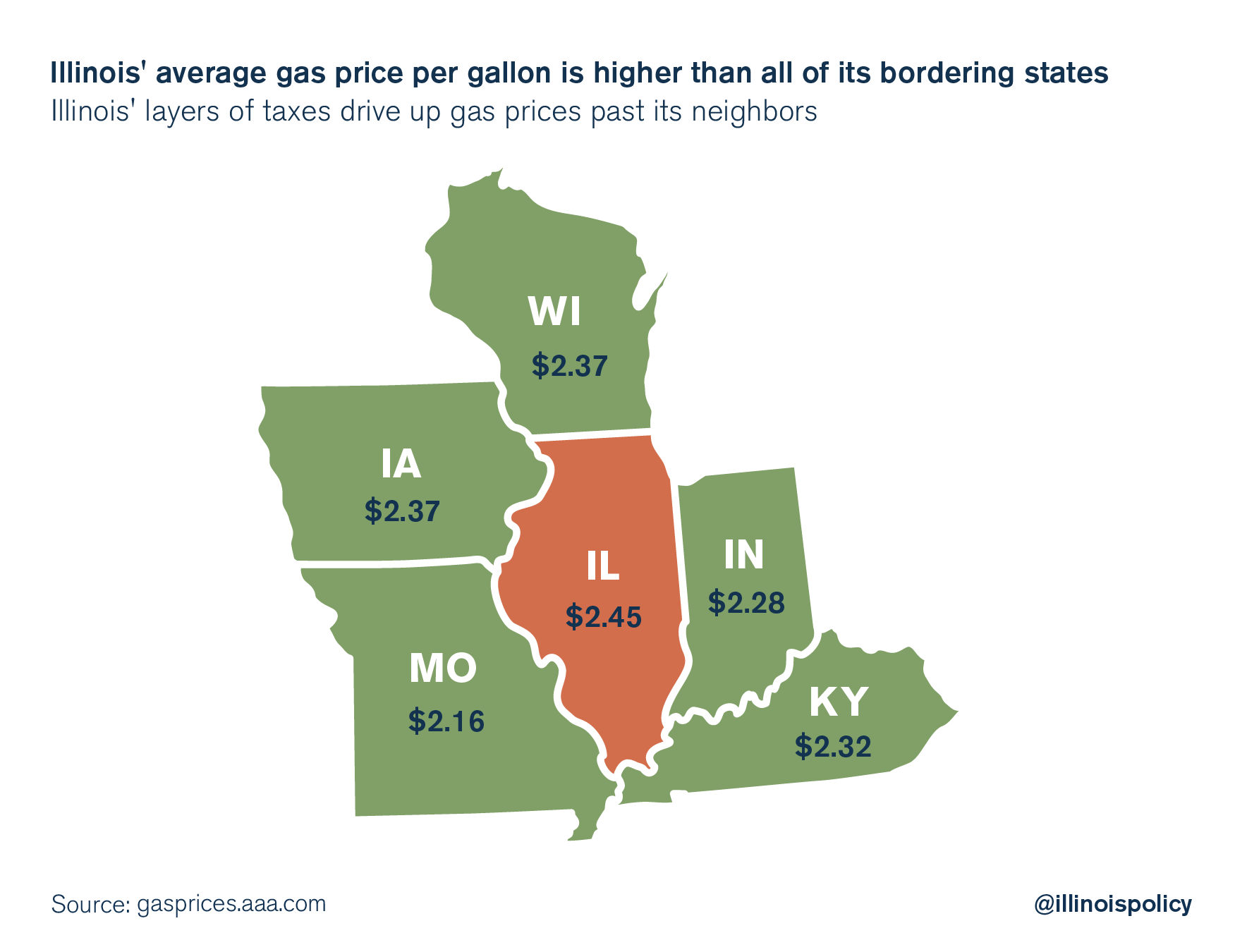
It’s common for gas prices in Chicago to be higher than the national average. This is primarily due to the aforementioned state taxes, transportation costs, and the specific market dynamics of the region. While the national average provides a benchmark, it’s essential to look at Illinois and Chicago specific data for accurate budgeting.
Recent Price Fluctuations and Their Causes
Recent fluctuations in gas prices can often be attributed to a combination of the factors discussed. For instance, a sudden spike in global crude oil prices due to geopolitical tensions, coupled with planned refinery maintenance in the Midwest, could lead to a noticeable increase at the pump in Chicago within a short period. Conversely, a period of stable oil markets, increased refinery output, and lower seasonal demand might result in a gradual decrease in prices.
Tools for Tracking Live Gas Prices
Fortunately, numerous resources are available to help you track live gas prices in Chicago and its surrounding suburbs. These tools are invaluable for making informed decisions about when and where to fill up.
- Mobile Applications: Several popular mobile apps allow users to report and view real-time gas prices from stations across the city and suburbs. These apps often use crowdsourced data, providing a comprehensive and up-to-the-minute picture of local pricing.
- Online Price Comparison Websites: Websites dedicated to gas price comparison offer interactive maps and searchable databases where you can find prices in specific zip codes or neighborhoods.
- News and Automotive Websites: Many automotive news outlets and general news websites provide regular updates on national and regional gas price trends, often highlighting specific metropolitan areas like Chicago.
Strategies for Finding Cheaper Gas in Chicago
While you can’t control the global oil market or state taxes, you can employ smart strategies to minimize your spending on gasoline in Chicago.
Utilizing Gas Price Apps and Websites
As mentioned, these tools are your first line of defense. Before you get too low on fuel, take a few minutes to check your preferred app or website. You might be surprised at the price difference between stations just a few blocks apart. Prioritize stations that consistently offer lower prices, even if they require a slight detour.
Understanding Price Differences by Neighborhood
Gas prices can vary noticeably between different neighborhoods within Chicago and between the city and its surrounding suburbs. Generally, stations in more affluent areas or those catering to high-volume traffic might have slightly higher prices. Conversely, stations in less central locations or those facing intense competition might offer better deals. Exploring different parts of the city or venturing into nearby suburbs for your fill-ups can sometimes lead to significant savings.
Timing Your Refueling
While not always feasible, timing your refueling can sometimes yield benefits. If you notice prices are on an upward trend, filling up before a projected increase can save you money. Conversely, if prices have recently dropped or are expected to decrease, waiting a day or two might be advantageous. This requires a bit of foresight and monitoring of price trends.
Loyalty Programs and Rewards
Many major gas station chains and convenience stores offer loyalty programs or credit cards that provide discounts on gasoline or points that can be redeemed for fuel. If you have a preferred gas station, signing up for their rewards program can offer savings over time. Be sure to compare the benefits and any associated fees to ensure the program is truly beneficial for your driving habits.
Considering Fuel Efficiency
Ultimately, the best way to save money on gas is to use less of it. This can be achieved through various means:
- Vehicle Maintenance: Ensure your vehicle is properly maintained. Regular oil changes, properly inflated tires, and a clean air filter can significantly improve fuel efficiency.
- Driving Habits: Adopt more fuel-efficient driving habits. Avoid aggressive acceleration and braking, maintain a steady speed, and reduce idling time.
- Route Planning: When possible, plan your routes to avoid heavy traffic and minimize unnecessary mileage. Using navigation apps that offer traffic updates can help you find more efficient routes.
- Vehicle Choice: When considering a new vehicle, prioritize fuel efficiency. Hybrids and electric vehicles are becoming increasingly popular in Chicago and offer substantial long-term savings on fuel costs.
By staying informed about the factors influencing gas prices, utilizing available tracking tools, and implementing smart saving strategies, drivers in Chicago, Illinois can navigate the often-volatile world of fuel costs more effectively and keep more money in their pockets for enjoying all that the city has to offer.
LifeOutOfTheBox is a participant in the Amazon Services LLC Associates Program, an affiliate advertising program designed to provide a means for sites to earn advertising fees by advertising and linking to Amazon.com. Amazon, the Amazon logo, AmazonSupply, and the AmazonSupply logo are trademarks of Amazon.com, Inc. or its affiliates. As an Amazon Associate we earn affiliate commissions from qualifying purchases.