
Understanding the nuances of academic and professional citation is crucial for any researcher, writer, or student, especially when engaging with the vast body of knowledge within the realm of tourism and travel. The Chicago Manual of Style (CMOS) is a widely respected and comprehensive guide that provides detailed instructions for various citation formats. This article will focus on how to cite an article, a common source of information for understanding destinations, local culture, and travel experiences, according to the Chicago style. We will explore both the Notes-Bibliography system and the Author-Date system, offering clear examples for journal articles, magazine articles, and newspaper articles. Mastering these citation methods ensures academic integrity and allows your readers to easily locate and verify the sources that inform your travel narratives, destination guides, or analyses of tourism trends.
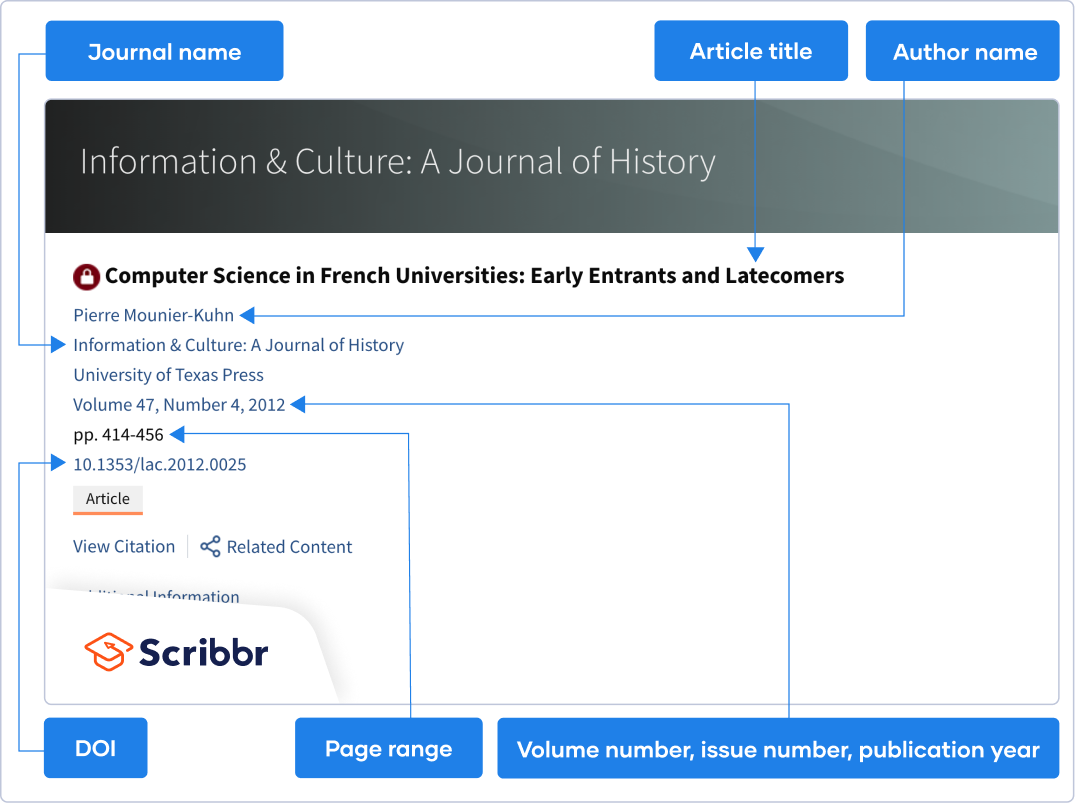
Understanding Chicago Style Citation Systems
The Chicago Manual of Style offers two distinct systems for citation: the Notes-Bibliography (NB) system and the Author-Date (AD) system. The NB system is prevalent in the humanities, including history, literature, and the arts, and relies on numbered notes (footnotes or endnotes) in the text, followed by a bibliography at the end of the work. The AD system is more common in the social sciences and sciences and uses parenthetical in-text citations keyed to a reference list. Both systems require a comprehensive listing of all sources consulted at the end of the work. For articles relevant to tourism, travel, and lifestyle, understanding which system is preferred by your publisher, professor, or academic institution is the first step.
The Notes-Bibliography (NB) System
The Notes-Bibliography system is characterized by two main components: the numbered notes within the text and the bibliography. When citing an article, the note will typically contain a more detailed citation than what appears in the bibliography, though the information is largely the same.
Journal Articles in the NB System
Journal articles are a cornerstone for in-depth research on specific tourism topics, from the economic impact of visiting Machu Picchu to the cultural significance of festivals in Kyoto.
Footnote/Endnote Format:
When you encounter an article on, for example, sustainable tourism practices in the Caribbean, your first note will look like this:
- Author First Name Last Name, “Title of Article,” Title of Journal Volume, no. Issue (Year of Publication): Page Number(s).
Example:
- Sarah Jenkins, “The Evolution of Ecotourism in Costa Rica,” Journal of Sustainable Tourism 25, no. 3 (2017): 345.
Bibliography Format:
The bibliography entry is similar but slightly more concise and omits the specific page number(s) unless the entire article is being cited.
Author Last Name, First Name. “Title of Article.” Title of Journal Volume, no. Issue (Year of Publication): Page Number(s).
Example:
Jenkins, Sarah. “The Evolution of Ecotourism in Costa Rica.” Journal of Sustainable Tourism 25, no. 3 (2017): 340–355.
Magazine Articles in the NB System
Magazine articles often provide more accessible and timely insights into travel trends, destination reviews, and experiential guides, such as a recent feature on exploring the vineyards of Napa Valley.
Footnote/Endnote Format:
- Author First Name Last Name, “Title of Article,” Title of Magazine, Month Day, Year, Page Number(s).
Example:
- Mark Peterson, “Hidden Gems of the Amalfi Coast,” Wanderlust Magazine, July 15, 2023, 42.
Bibliography Format:
Author Last Name, First Name. “Title of Article.” Title of Magazine, Month Day, Year. Page Number(s).
Example:
Peterson, Mark. “Hidden Gems of the Amalfi Coast.” Wanderlust Magazine, July 15, 2023. 40–48.
Newspaper Articles in the NB System
Newspaper articles can be invaluable for understanding local events, cultural happenings, or the historical context of a particular travel destination, like a report on a new cultural festival in New Orleans.
Footnote/Endnote Format:
- Author First Name Last Name, “Title of Article,” Title of Newspaper, Month Day, Year, Section and Page Number(s).
Example:
- Anna Lee, “Exploring the Culinary Scene in Bangkok,” The New York Times, September 10, 2023, Arts & Leisure, 1.
Bibliography Format:
Author Last Name, First Name. “Title of Article.” Title of Newspaper, Month Day, Year. Section and Page Number(s).
Example:
Lee, Anna. “Exploring the Culinary Scene in Bangkok.” The New York Times, September 10, 2023. Arts & Leisure, 1.
The Author-Date (AD) System
The Author-Date system integrates citations directly into the text, using parenthetical references that correspond to a full reference list at the end of the document. This system is often preferred in fields that prioritize conciseness and direct linkage between text and source.
Journal Articles in the AD System
For research on topics like the impact of mass tourism on historical sites such as Angkor Wat, the Author-Date system offers a streamlined approach.
In-Text Citation Format:
(Author Last Name Year, Page Number(s))
Example:
The extensive impact of visitor numbers on delicate archaeological sites is a growing concern (Jenkins 2017, 345).
Reference List Format:
Author Last Name, First Name. Year. “Title of Article.” Title of Journal Volume, no. Issue: Page Number(s).
Example:
Jenkins, Sarah. 2017. “The Evolution of Ecotourism in Costa Rica.” Journal of Sustainable Tourism 25, no. 3: 340–355.
Magazine Articles in the AD System
When discussing trending travel experiences, like exploring the newly opened luxury resorts in the Maldives, magazine articles are frequently cited.
In-Text Citation Format:
(Author Last Name Year, Page Number(s))
Example:
Recent features highlight the emergence of exclusive overwater bungalows as a prime accommodation choice (Peterson 2023, 42).
Reference List Format:
Author Last Name, First Name. Year. “Title of Article.” Title of Magazine, Month Day. Page Number(s).

Example:
Peterson, Mark. 2023. “Hidden Gems of the Amalfi Coast.” Wanderlust Magazine, July 15. 40–48.
Newspaper Articles in the AD System
For timely reporting on events or cultural shifts affecting destinations, such as a new flight route to Reykjavik, newspaper articles are essential.
In-Text Citation Format:
(Author Last Name Year, Page Number(s))
Example:
Local culinary experts are noting a significant increase in demand for authentic street food tours (Lee 2023, 1).
Reference List Format:
Author Last Name, First Name. Year. “Title of Article.” Title of Newspaper, Month Day. Section and Page Number(s).
Example:
Lee, Anna. 2023. “Exploring the Culinary Scene in Bangkok.” The New York Times, September 10. Arts & Leisure, 1.
Citing Articles Without Authors or Titles
In the world of travel, you may encounter articles, especially from online sources or blogs, that lack a clear author or title. Chicago style provides guidelines for these situations as well.
Articles Without Authors
If an article lacks a specific author, you begin the citation with the title of the article, whether in the NB or AD system.
NB System (Footnote/Endnote):
- “The Rise of Wellness Retreats in Bali.” Travel Weekly, August 1, 2022, 18.
NB System (Bibliography):
“The Rise of Wellness Retreats in Bali.” Travel Weekly, August 1, 2022. 18–20.
AD System (In-Text Citation):
(“Rise of Wellness Retreats” 2022, 18)
AD System (Reference List):
“The Rise of Wellness Retreats in Bali.” 2022. Travel Weekly, August 1. 18–20.
Articles Without Titles
While less common for professionally published articles, if an article has an author but no distinct title (e.g., a letter to the editor or a brief online commentary), you would describe the item in place of the title.
NB System (Footnote/Endnote):
- John Smith, “Letter to the Editor,” The Guardian, September 12, 2023.
NB System (Bibliography):
Smith, John. “Letter to the Editor.” The Guardian, September 12, 2023.
AD System (In-Text Citation):
(Smith 2023)
AD System (Reference List):
Smith, John. 2023. “Letter to the Editor.” The Guardian, September 12.
Special Considerations for Online Articles
The digital landscape has expanded the types of articles available for research, and Chicago style offers guidance for citing them. Ensuring that your citations for online articles, whether they are from online journals, magazines, or dedicated travel blogs, are accurate is paramount for credibility.
Online Journal Articles
When citing a journal article accessed online, it is essential to include the DOI (Digital Object Identifier) if available, as it provides a stable link to the article.
NB System (Footnote/Endnote):
- Maria Garcia, “Intercultural Communication Challenges in Global Hospitality,” Journal of Tourism Research 15, no. 2 (2019): 88, doi:10.1080/14720930.2019.1600000.
NB System (Bibliography):
Garcia, Maria. “Intercultural Communication Challenges in Global Hospitality.” Journal of Tourism Research 15, no. 2 (2019): 80–95. doi:10.1080/14720930.2019.1600000.
AD System (In-Text Citation):
(Garcia 2019, 88)
AD System (Reference List):
Garcia, Maria. 2019. “Intercultural Communication Challenges in Global Hospitality.” Journal of Tourism Research 15, no. 2: 80–95. doi:10.1080/14720930.2019.1600000.

Online Magazine or Newspaper Articles
For articles from online publications that may not have print equivalents or have different pagination, the focus is on providing a stable URL.
NB System (Footnote/Endnote):
- David Chen, “The Future of Adventure Travel,” National Geographic Traveler, May 20, 2023, https://www.nationalgeographic.com/travel/article/future-of-adventure-travel.
NB System (Bibliography):
Chen, David. “The Future of Adventure Travel.” National Geographic Traveler, May 20, 2023. https://www.nationalgeographic.com/travel/article/future-of-adventure-travel.
AD System (In-Text Citation):
(Chen 2023)
AD System (Reference List):
Chen, David. 2023. “The Future of Adventure Travel.” National Geographic Traveler, May 20. https://www.nationalgeographic.com/travel/article/future-of-adventure-travel.
When citing online articles, it’s often advisable to include an access date, especially if the content is likely to change, though this is not always mandatory in Chicago style depending on the publication and context.
By adhering to these detailed guidelines for citing articles in Chicago style, you can ensure that your research on travel, tourism, and lifestyle topics is presented with clarity, accuracy, and academic rigor. This attention to detail not only demonstrates respect for the original authors but also enhances the credibility and trustworthiness of your own work, allowing your readers to delve deeper into the fascinating world of exploration and discovery.
LifeOutOfTheBox is a participant in the Amazon Services LLC Associates Program, an affiliate advertising program designed to provide a means for sites to earn advertising fees by advertising and linking to Amazon.com. Amazon, the Amazon logo, AmazonSupply, and the AmazonSupply logo are trademarks of Amazon.com, Inc. or its affiliates. As an Amazon Associate we earn affiliate commissions from qualifying purchases.