
Florida. The very name conjures images of sun-drenched beaches, vibrant theme parks, and a seemingly endless summer. For decades, the Sunshine State has been a perennial favorite for travelers, a beacon of leisure and escape. But in recent years, the narrative surrounding Florida has begun to shift. Beyond the postcard-perfect vistas, a complex tapestry of challenges and opportunities is emerging, prompting a deeper inquiry: Is Florida, as a destination and a travel experience, truly “ok”? This exploration delves into the multifaceted landscape of Florida’s tourism sector, examining the evolving dynamics that shape its appeal and sustainability.

The Shifting Sands of Florida’s Tourism Appeal
Florida’s tourism industry is a colossus, a significant driver of the state’s economy and a primary reason for millions of annual visits. Historically, its allure has been rooted in a potent combination of natural beauty and manufactured wonder. From the pristine shores of the Gulf Coast to the unique ecosystem of the Everglades, the state offers a diverse range of natural attractions. Complementing this is the unparalleled entertainment infrastructure, epitomized by the world-renowned theme parks of Orlando.
Natural Wonders Under Pressure
Florida’s abundant natural beauty is a cornerstone of its travel identity. The crystal-clear waters and soft sand beaches of destinations like Clearwater Beach and Siesta Key draw millions seeking relaxation and aquatic adventures. The state’s unique ecosystems, from the coral reefs of the Florida Keys to the cypress swamps, offer unparalleled opportunities for ecotourism.
However, these natural assets are increasingly facing environmental pressures. Climate change presents a significant threat, with rising sea levels impacting coastal infrastructure and beaches. Water quality issues, exacerbated by agricultural runoff and algal blooms, have affected popular swimming and fishing spots, particularly along the Southwest Florida coast. While state and local initiatives are underway to address these concerns, the long-term health and accessibility of these natural wonders remain a pertinent question for the future of Florida’s tourism.
The Theme Park Phenomenon: Evolution and Saturation
Orlando remains the undisputed theme park capital of the world, with giants like Walt Disney World Resort and Universal Orlando Resort continuing to innovate and expand. These parks offer immersive experiences that attract families and thrill-seekers from across the globe. The constant introduction of new rides, shows, and themed lands ensures a dynamic and evolving entertainment landscape.
Yet, the sheer scale and intensity of the theme park experience can also be a double-edged sword. For some, the crowds, the cost, and the perceived artificiality can detract from the overall vacation experience. The focus on mega-resorts and highly commercialized attractions may leave travelers seeking more authentic or understated experiences feeling underserved. Furthermore, the economic model relies heavily on continuous visitor growth, raising questions about long-term sustainability and the potential for market saturation.
Beyond the Obvious: Exploring Florida’s Diverse Tourist Fabric
While Orlando and its theme parks often dominate the conversation, Florida offers a rich tapestry of travel experiences that extend far beyond the manufactured thrills. Exploring these diverse offerings is crucial to understanding the state’s broader tourism appeal and its potential for future growth.
Cultural Riches and Local Flavors
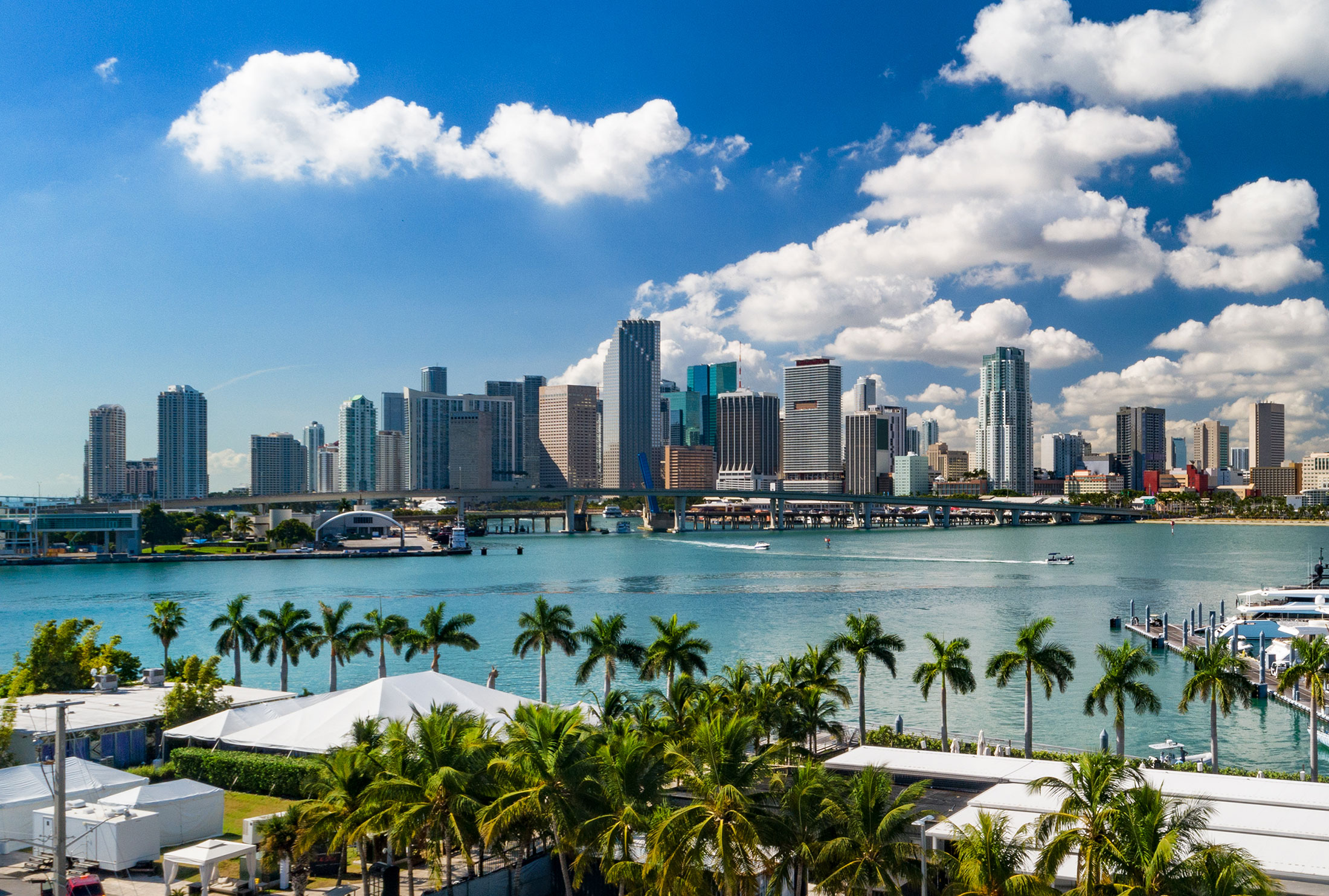
Florida’s diverse population has fostered a vibrant cultural scene, particularly in its urban centers. Cities like Miami pulse with Latin American influences, evident in its art deco architecture, lively music, and world-class cuisine. From the historic streets of Little Havana to the chic boutiques of South Beach, Miami offers a sensory feast.
St. Augustine, the nation’s oldest continuously inhabited European-established settlement, provides a journey back in time with its Spanish colonial architecture and rich history. Further north, the artistic enclaves of Sarasota and the vibrant performing arts scene in Fort Lauderdale showcase different facets of Florida’s cultural landscape. These destinations offer travelers opportunities to engage with local history, art, and culinary traditions, providing a more nuanced and enriching travel experience.
The Allure of the Uncrowded and Authentic
For a growing segment of travelers, the appeal lies in escaping the crowds and discovering the “real” Florida. This includes exploring charming small towns, venturing into the Panhandle for its laid-back atmosphere and unspoiled beaches, or discovering the unique ecosystems of the Great Florida Birding and Wildlife Trail.
Destinations like Mount Dora, known for its antique shops and picturesque lakefront, or the historic fishing villages along the Nature Coast offer a slower pace and a more intimate connection with the local environment and community. These less-trafficked areas provide an authentic counterpoint to the state’s high-energy tourist hubs, appealing to those seeking a more personalized and sustainable travel experience.

Navigating the Practicalities: Accessibility, Affordability, and Infrastructure
Beyond the destination’s inherent appeal, the practical aspects of travel significantly influence whether a state is perceived as “ok.” For Florida, this involves examining its accessibility, the cost of visiting, and the quality of its tourism infrastructure.
Transportation and Connectivity
Florida’s major airports, such as Miami International Airport and Orlando International Airport, are bustling hubs connecting the state to the world. The extensive network of highways, including the Florida Turnpike, facilitates road travel across the state. However, traffic congestion, particularly in major metropolitan areas and around popular tourist attractions, can be a significant deterrent, impacting travel times and adding to the stress of a vacation.
For those seeking alternatives to driving, public transportation options within cities are developing but remain inconsistent across the state. The Brightline train service offers a more comfortable and eco-friendly way to travel between some of Florida’s key urban centers, but its reach is still limited. Improving and expanding transportation infrastructure is crucial for enhancing the overall visitor experience and ensuring accessibility to all corners of the state.
The Question of Affordability
Florida’s reputation for affordability has been eroding in recent years. Accommodation costs, particularly in popular beach towns and during peak seasons, can be substantial. Theme park tickets, food, and other associated expenses contribute to a significant overall vacation budget. This rising cost can make Florida a less attractive option for budget-conscious travelers, potentially shifting the demographic of visitors towards those with higher disposable incomes.
While the state offers a range of accommodation options, from luxury resorts to budget-friendly motels, finding value can require diligent research and flexibility with travel dates. The economic impact of tourism is undeniable, but the long-term sustainability of a model that relies on increasingly expensive visitor experiences is a topic of ongoing debate.
Infrastructure and Service Quality
The quality of accommodation, dining, and customer service plays a vital role in shaping a traveler’s perception of a destination. Florida boasts a wide array of hotels, from world-class resorts like the Ritz-Carlton Amelia Island to boutique inns and vacation rentals. Many of these establishments offer exceptional amenities and service.
However, like any large tourism-dependent state, inconsistencies can arise. Maintaining high standards across a vast and diverse tourism landscape requires continuous investment in infrastructure, staff training, and quality control. Travelers increasingly seek seamless and high-quality experiences, and Florida’s ability to consistently deliver on this front across all its offerings will be key to its continued success.
The Future of Florida Tourism: Challenges and Opportunities
So, “Is Florida Ok?” The answer is nuanced. The state’s core appeal – its natural beauty, its entertainment prowess, and its diverse cultural offerings – remains strong. However, the pressures of environmental change, evolving traveler expectations, and the economic realities of a burgeoning tourism industry present significant challenges that cannot be ignored.
Embracing Sustainability and Resilience
The future of Florida’s tourism hinges on its ability to adapt to a changing climate and embrace sustainable practices. Investing in eco-tourism initiatives, protecting natural habitats, and developing resilient infrastructure will be paramount. Travelers are increasingly conscious of their environmental footprint, and destinations that prioritize sustainability are likely to gain a competitive edge.
Diversifying the Offering and Reaching New Audiences
To remain a top-tier destination, Florida must continue to diversify its tourism offerings and appeal to a broader range of travelers. This means showcasing its rich cultural heritage, promoting its vibrant culinary scene, and highlighting its opportunities for adventure and relaxation beyond the traditional theme park experience. Reaching new international markets and catering to emerging travel trends, such as wellness tourism and adventure travel, will also be crucial.
Balancing Growth with Preservation
Ultimately, the question of whether Florida is “ok” as a travel destination is a continuous assessment. It requires a delicate balance between capitalizing on its immense tourism potential and preserving the very assets that make it so attractive. By addressing environmental concerns, investing in infrastructure, and championing diverse and sustainable experiences, Florida can not only remain “ok” but thrive as a premier global travel destination for years to come.
LifeOutOfTheBox is a participant in the Amazon Services LLC Associates Program, an affiliate advertising program designed to provide a means for sites to earn advertising fees by advertising and linking to Amazon.com. Amazon, the Amazon logo, AmazonSupply, and the AmazonSupply logo are trademarks of Amazon.com, Inc. or its affiliates. As an Amazon Associate we earn affiliate commissions from qualifying purchases.