
The moniker “The Windy City” is inextricably linked to the identity of Chicago. Yet, for many who visit or even reside in this magnificent metropolis, the sheer force of its winds remains a subject of curiosity and debate. Is it a geographical inevitability, a historical quirk, or merely a clever piece of branding? This exploration delves into the factors contributing to Chicago’s breezy reputation, examining its meteorological realities, the historical origins of its nickname, and how its unique climate influences the visitor experience.
The Meteorological Realities: Wind Patterns and Lake Michigan’s Influence
The scientific explanation for Chicago’s often blustery nature lies in a combination of its geographical location and the powerful influence of Lake Michigan. As a major body of freshwater, the lake plays a pivotal role in moderating temperatures and, crucially, in generating wind.
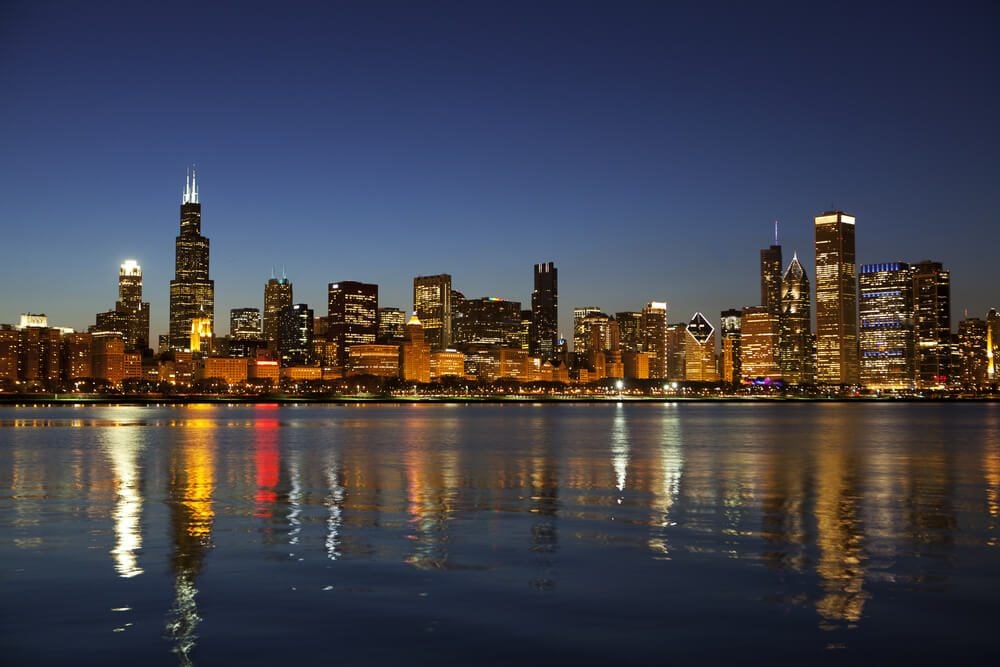
The Lake Breeze Phenomenon
During warmer months, the land surrounding Lake Michigan heats up faster than the lake itself. This temperature differential creates an atmospheric pressure imbalance, drawing cooler air from the lake inland. This cooler air rushes towards the warmer land, resulting in a refreshing, and sometimes potent, lake breeze that sweeps across the city, particularly along its extensive lakefront. This phenomenon is most pronounced during the afternoon and evening, offering a welcome respite from summer heat but also contributing significantly to the city’s windy reputation.
Prevailing Winds and Topography
Beyond the immediate lake breeze, Chicago is situated in a region subject to prevailing westerlies. These winds originate from the Great Plains, carrying air masses across vast, relatively flat expanses. As these winds encounter the urban landscape of Chicago, particularly its skyscrapers and the expansive shoreline, they can become channeled and amplified. This channeling effect, combined with the open fetch of Lake Michigan, means that wind speeds can often be higher than in surrounding, less exposed areas. While New York City experiences its own weather patterns, Chicago’s unique positioning between a large lake and the open plains creates a distinct aerodynamic environment.
Seasonal Variations in Wind Speed
It’s important to note that Chicago’s windiness is not a constant, year-round state of gale-force conditions. Wind speeds do vary significantly by season. While the summer lake breeze is a well-known feature, autumn and winter often bring more sustained, colder winds that sweep down from the north and west. These winds, unhindered by warm landmasses or dense foliage, can feel particularly biting. Conversely, spring can also see significant wind events as weather systems transition. Therefore, while the perception of windiness is strong, the actual intensity and frequency of strong winds fluctuate throughout the year.
The Historical Origins: A Nickname’s Tale
While meteorological factors provide a scientific basis for Chicago’s breezy climate, the popularization of “The Windy City” moniker is a story steeped in history, possibly involving political rivalry and journalistic flair.
The “Windbag” Theory and Political Rivalry
One prominent theory traces the nickname back to the late 19th century, a period of intense competition between Chicago and Cincinnati for the right to host the 1893 World’s Columbian Exposition. Cincinnati newspapers, eager to diminish Chicago’s chances, allegedly referred to Chicago politicians and boosters as “windbags,” implying they were full of hot air and boastful rhetoric. This derogatory term, referring to the city’s perceived tendency for boastful pronouncements, may have been the genesis of the “windy” association.
Charles Dana’s Editorial Influence
Another widely cited origin story attributes the popularization of the nickname to Charles Dana, the editor of the New York Sun. In 1893, Dana allegedly wrote an editorial using the phrase “The Windy City” to describe Chicago. The exact context and intent of Dana’s writing are debated, but the phrase caught on, resonating with both the city’s climate and, perhaps, its perceived character. Regardless of Dana’s specific intention, his editorial certainly played a significant role in cementing the nickname in the public consciousness.
The “Hot Air” vs. “Actual Wind” Debate
This historical narrative introduces a subtle but important distinction: the difference between being “windy” in the sense of boasting or excessive talk, and being “windy” in the literal, meteorological sense. While Chicago’s politicians might have engaged in spirited debates, the city’s physical environment undoubtedly provided ample literal wind to support the nickname, irrespective of its oratorical nature. This dual interpretation likely contributed to the nickname’s enduring appeal and its ability to evoke multiple layers of meaning.
Experiencing Chicago’s Wind: Visitor Tips and Attractions
Understanding Chicago’s windiness is not just an academic exercise; it can significantly enhance a visitor’s experience. Knowing when and where the wind is most noticeable can help in planning activities and packing appropriately.
Navigating the Lakefront Trail
The Lakefront Trail offers breathtaking views of Lake Michigan and the city skyline. However, it is also one of the most exposed areas to the lake breeze. On a warm day, this breeze can be a welcome relief, making it ideal for cycling, jogging, or simply strolling. On cooler days, however, windproof layers are essential to combat the chill that can penetrate even through seemingly warm clothing. Popular spots like North Avenue Beach and Montrose Beach are particularly susceptible to wind off the lake.
Exploring the Magnificent Mile and Downtown
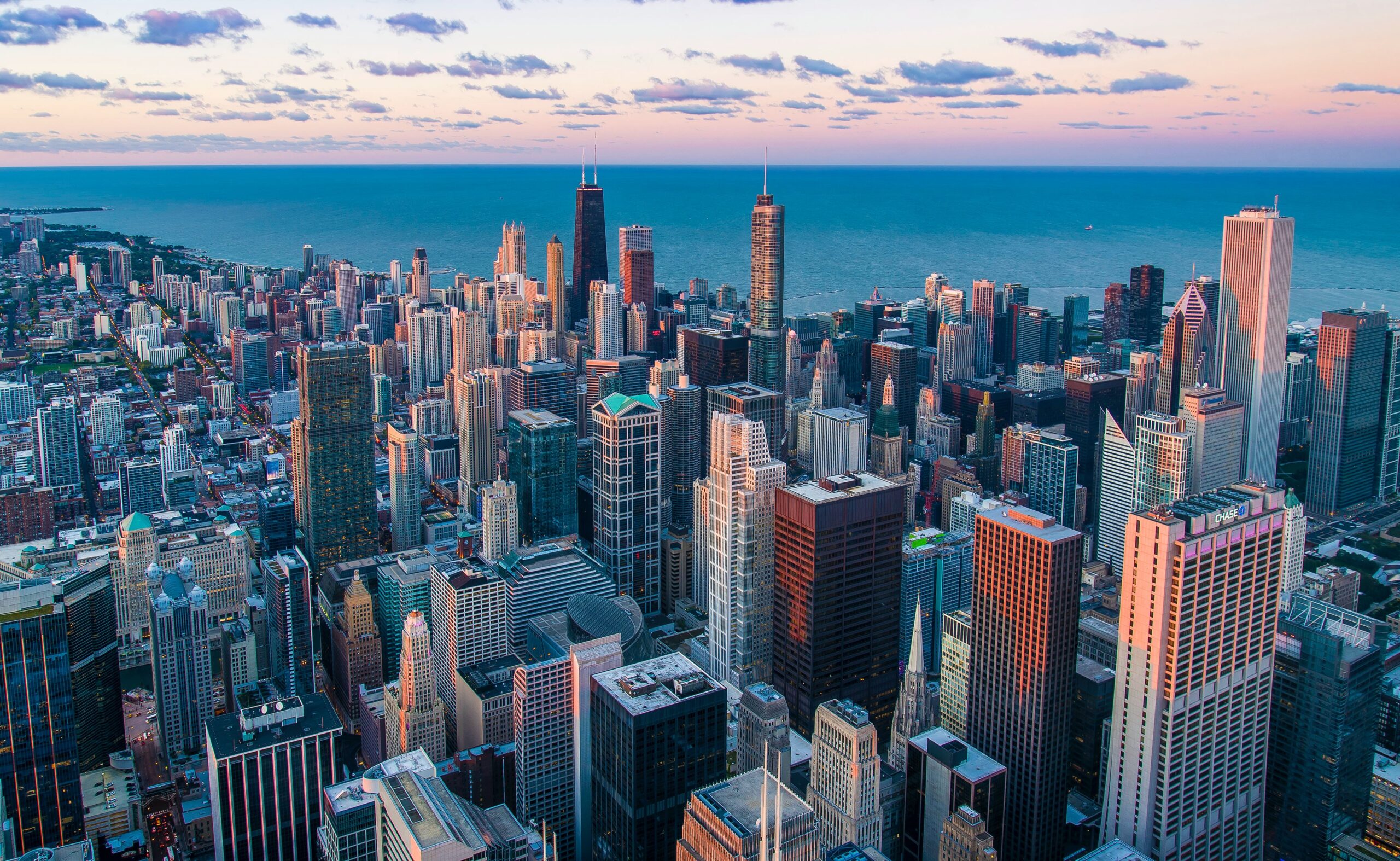
While the direct force of the lake breeze might be slightly tempered by buildings further inland, the downtown core and The Magnificent Mile can still experience significant wind. The canyons formed by skyscrapers can create venturi effects, accelerating wind speeds as it funnels between the tall structures. This can lead to sudden gusts, so visitors should be mindful of their belongings, especially hats and scarves. However, this urban wind also adds to the dynamic atmosphere of the city.
Taking to the Skies: Architectural Boat Tours and Observation Decks
For a truly unique perspective on Chicago’s relationship with the wind, consider an architectural boat tour along the Chicago River or the lake. These tours offer stunning views of the city’s world-class architecture, and the guides often incorporate anecdotes about the city’s climate and its nickname. Onboard, you’ll likely feel the breeze, a reminder of the natural forces shaping this urban landscape. Similarly, visiting observation decks like the Willis Tower Skydeck or the 360 CHICAGO Observation Deck provides panoramic vistas, and on windy days, the slight sway of these towering structures can be a subtle, yet thrilling, reminder of the city’s aerial currents.
Packing for the Breeze
When visiting Chicago, packing wisely is key to enjoying the city regardless of the wind. Layers are your best friend. A light, windproof jacket is indispensable, even in summer. Scarves and hats can provide crucial warmth and protection during cooler months. For those visiting during spring or fall, a medium-weight jacket with good wind resistance is highly recommended. Understanding the local climate will allow you to fully embrace all that Chicago has to offer, from its bustling streets to its serene lakefront.
The Enduring Legacy: More Than Just a Nickname
“The Windy City” is more than just a catchy label; it’s a deeply ingrained part of Chicago’s identity, influencing its architecture, its culture, and the very way its residents experience their urban environment.
Architectural Adaptations
The constant presence of wind has shaped the city’s design. Architects have had to consider wind loads and their impact on building structures. This has led to innovative engineering solutions and the development of wind-tunnel-tested designs, particularly for the city’s iconic skyscrapers. The sleek, aerodynamic forms of buildings like the John Hancock Center are partly a response to the wind, designed to minimize resistance and maximize stability.
A Source of Pride and Resilience
While some might view the wind as a nuisance, for many Chicagoans, it’s a source of pride. It’s a reminder of their city’s unique character and resilience. The wind can be invigorating, clearing the air and bringing a sense of freshness. It’s a force of nature that Chicago has learned to live with, adapt to, and even embrace. The city’s open spaces, parks, and lakefront are designed to be enjoyed in all seasons, and the wind is an integral part of that experience.

The “Windy City” as a Metaphor
Beyond the literal, the nickname continues to carry metaphorical weight. It evokes a sense of bustling energy, of a city that is alive and in constant motion. It can also hint at the city’s historical dynamism and its reputation for spirited public discourse. Whether referring to the literal gusts that sweep across Lake Michigan or the vibrant, sometimes boisterous, spirit of its inhabitants, “The Windy City” remains a fitting and enduring epithet for Chicago. It’s a label that acknowledges both the environmental realities and the cultural character that make this American metropolis so distinct.
LifeOutOfTheBox is a participant in the Amazon Services LLC Associates Program, an affiliate advertising program designed to provide a means for sites to earn advertising fees by advertising and linking to Amazon.com. Amazon, the Amazon logo, AmazonSupply, and the AmazonSupply logo are trademarks of Amazon.com, Inc. or its affiliates. As an Amazon Associate we earn affiliate commissions from qualifying purchases.