
The question of time zones can be a surprisingly significant detail when planning a trip, impacting everything from flight schedules and restaurant reservations to meeting times and even how you experience the local rhythm of a city. For many travelers, understanding the temporal landscape of their destination is as crucial as knowing the best routes to navigate its streets. This is particularly true for a sprawling metropolis like Chicago, a city that sits at a fascinating temporal crossroads in the United States.
Understanding Time Zones in the United States
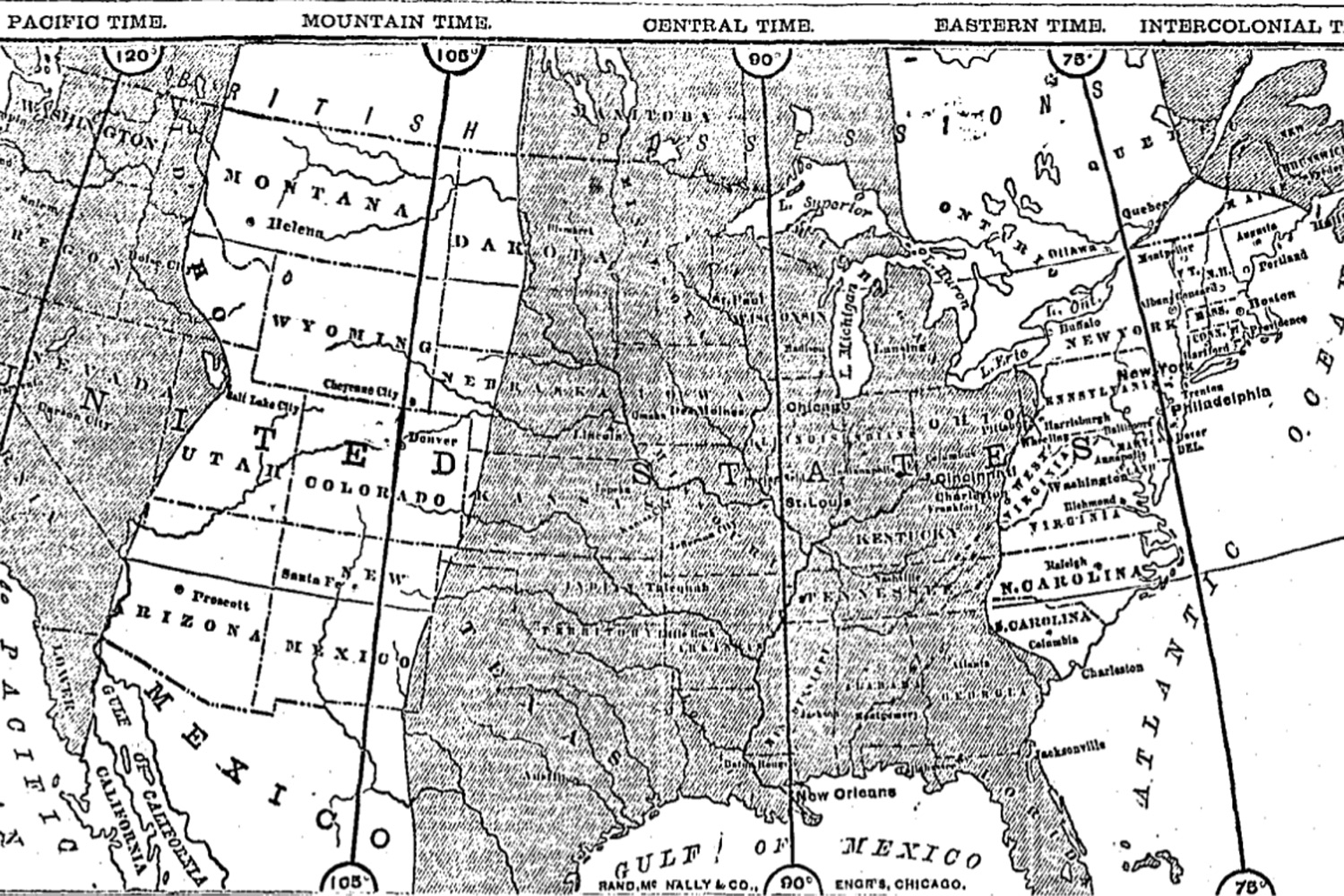
The United States, with its vast continental expanse, is divided into multiple time zones, each governing a specific geographic region. These zones are designed to align local time with the solar day, ensuring that noon generally falls around the time the sun is at its highest point in the sky. The primary contiguous time zones are:
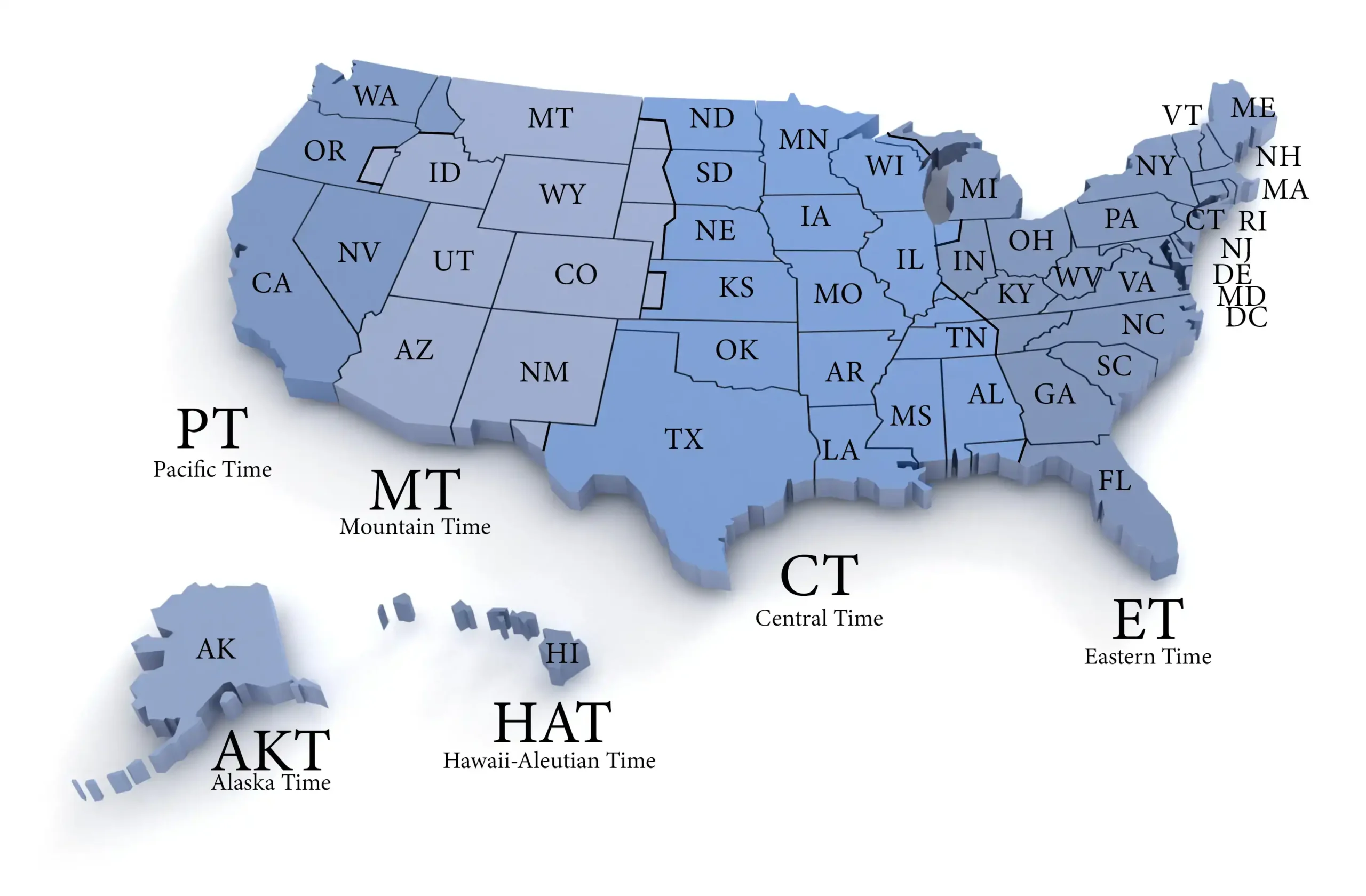
- Eastern Standard Time (EST), observed by states along the Atlantic coast.
- Central Standard Time (CST), covering states in the central part of the country.
- Mountain Standard Time (MST), prevalent in the Rocky Mountain region.
- Pacific Standard Time (PST), which applies to states along the West Coast.
Beyond these, Alaska and Hawaii have their own respective time zones. The observance of Daylight Saving Time (DST) further complicates matters, as clocks are advanced by an hour during warmer months, shifting the designations to Eastern Daylight Time (EDT), Central Daylight Time (CDT), and so on. This system, while functional, can sometimes lead to confusion for those unfamiliar with the specific zone their destination falls within.
The Role of Time Zones in Travel Planning
For travelers, the impact of time zones is immediate and practical. When booking flights, understanding the departure and arrival times in their respective local zones is paramount to avoiding missed connections or unexpected delays. Similarly, coordinating with local guides, arranging transportation, or making dinner reservations requires a clear grasp of the local time. Misunderstandings can lead to frustration and a less-than-ideal travel experience. Furthermore, if a traveler is connecting through multiple time zones, the cumulative effect can be disorienting, influencing their internal body clock and overall adjustment to a new environment.
Chicago’s Temporal Identity: Central Time
To directly address the question posed by the title: Chicago observes Central Time.
This means that the city operates on Central Standard Time (CST) during the winter months and Central Daylight Time (CDT) during the summer months when Daylight Saving Time is in effect. Central Time is UTC-6 during standard time and UTC-5 during daylight saving time.
This places Chicago firmly within the temporal sphere that encompasses much of the Midwest and South of the United States. Its position is geographically logical, aligning with the nation’s temporal divisions.
What Central Time Means for Your Visit
Understanding that Chicago is in Central Time has several implications for your travel plans:
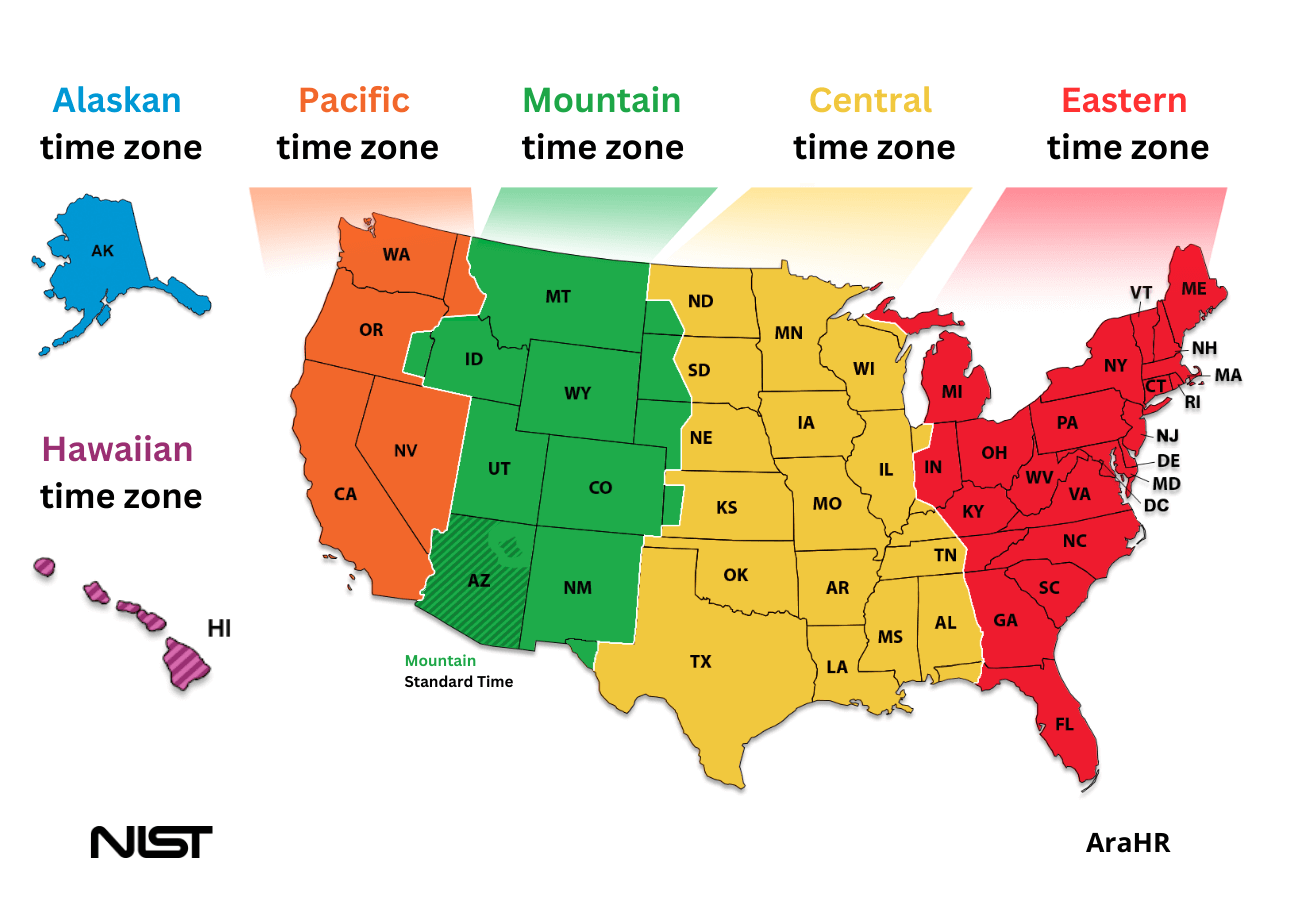
- Relative to Eastern Time: Chicago is one hour behind New York City, Washington D.C., and other cities in the Eastern Time Zone. If it’s 3:00 PM in New York, it’s 2:00 PM in Chicago. This is a critical piece of information when scheduling calls, booking connecting flights, or coordinating with individuals in different parts of the country.
- Relative to Mountain and Pacific Time: Chicago is two hours ahead of the Mountain Time Zone (e.g., Denver) and three hours ahead of the Pacific Time Zone (e.g., Los Angeles). This temporal buffer can be significant when planning cross-country travel or managing communications across different regions.
- Local Events and Activities: All local schedules, from museum opening hours and guided tours at iconic landmarks like the Willis Tower or the Art Institute of Chicago, to the start times of sporting events at venues like Wrigley Field or Soldier Field, will be listed according to Central Time.
Navigating the Daylight Saving Time Shift
Like most of the United States, Chicago observes Daylight Saving Time. The transition typically occurs on the second Sunday in March, when clocks spring forward one hour, and ends on the first Sunday in November, when clocks fall back one hour. This means that for a portion of the year, Chicago is on Central Daylight Time (CDT). While the primary distinction is the hour, it’s important for travelers to be aware of this seasonal shift, especially if their travel dates span the DST transition periods. The practical difference remains the same: it’s one hour behind Eastern Daylight Time (EDT) and so on.
Practical Travel Tips for Chicago’s Time Zone
Being mindful of Chicago’s time zone is more than just a matter of accuracy; it’s about optimizing your travel experience. Here are some practical tips:
Planning and Booking
- Flight Bookings: Always double-check the departure and arrival times listed against the respective local time zones. A 9:00 AM flight from Los Angeles (Pacific Time) arriving in Chicago (Central Time) will arrive at 11:00 AM Central Time. This seemingly simple adjustment can prevent significant confusion.
- Accommodation Reservations: Hotel check-in and check-out times are always based on local time. Ensure you understand when you need to vacate your room or when it will be ready for occupancy.
- Activity Scheduling: When booking tours, shows, or dining reservations, confirm they are in Central Time. This is especially important if you are coordinating with a tour operator based in a different time zone.
During Your Stay
- Communication: When contacting people outside of Chicago, always be explicit about the time zone you are referring to. For example, “I’ll call you at 2 PM Chicago time,” or “What time is that in New York City?”
- Jet Lag: If you’re traveling from a significantly different time zone, understanding Chicago’s Central Time can help you adjust your sleep and activity schedule more effectively. Try to align your waking and sleeping hours with the local rhythm as soon as possible.
- Device Synchronization: Most smartphones and digital devices automatically update to the local time zone when you arrive at your destination. However, it’s always a good practice to verify this upon arrival to ensure accuracy. This is particularly true for older devices or if you have manual time settings enabled.
Exploring Beyond Chicago
While your primary focus might be Chicago, you might be considering day trips or excursions to nearby areas. It’s important to note that Central Time is a broad zone.
- Indiana: While much of Indiana is in the Eastern Time Zone, a small portion of northwestern Indiana, including counties bordering Chicago, observes Central Time. This can be a source of confusion if you’re driving across state lines for a short visit. Always check the specific time zone of your destination within Indiana.
- Wisconsin and Michigan: Neighboring states like Wisconsin and the western part of Michigan also observe Central Time, making travel between these areas relatively seamless from a temporal perspective.
The Appeal of a City on Central Time
The fact that Chicago resides in Central Time is not just a logistical detail; it contributes to its identity as a quintessential Midwestern hub. It offers a slightly more relaxed pace compared to the frenetic energy of the East Coast, yet it remains a dynamic and globally connected city. This temporal placement allows for a comfortable balance, where business can thrive while leisure activities can be enjoyed without the immediate pressure of being hours ahead of much of the nation.
From its renowned culinary scene and its impressive architectural wonders to its vibrant music and arts culture, Chicago invites exploration at its own, wonderfully Central Time pace. Understanding this fundamental aspect of its temporal geography is an essential first step in planning a seamless and memorable visit to the Windy City. Whether you’re aiming to catch a sunrise over Lake Michigan or enjoy a late-night jazz performance, knowing you’re operating on Central Time will ensure you’re always in sync with the pulse of this magnificent American metropolis.
LifeOutOfTheBox is a participant in the Amazon Services LLC Associates Program, an affiliate advertising program designed to provide a means for sites to earn advertising fees by advertising and linking to Amazon.com. Amazon, the Amazon logo, AmazonSupply, and the AmazonSupply logo are trademarks of Amazon.com, Inc. or its affiliates. As an Amazon Associate we earn affiliate commissions from qualifying purchases.