
While the Lone Star State has historically maintained a strict stance on cannabis, a nuanced and evolving landscape is emerging regarding the cultivation of marijuana. For those contemplating a green thumb in Texas, understanding the current legal framework is paramount. This exploration delves into the specifics of Texas law, focusing on the limited allowances and the broad prohibitions surrounding cannabis cultivation, with a particular emphasis on how these regulations impact potential growers within the state.
The Narrow Path of Low-THC Cannabis Cultivation
Texas law does permit the cultivation of cannabis, but strictly under a highly regulated and limited scope. This permission is almost exclusively tied to the production of low-THC cannabis, primarily for medical purposes. The legal foundation for this is the Texas Compassionate Use Program (TCUP), established by Senate Bill 339 in 2015 and expanded in subsequent legislative sessions.

Understanding the Low-THC Distinction
The critical factor differentiating legal from illegal cannabis cultivation in Texas is the tetrahydrocannabinol (THC) content. Under TCUP, cannabis is considered “low-THC” if it contains no more than 0.5% THC by weight. This is a significantly lower threshold than that typically associated with recreational or even some medical marijuana programs in other states, where THC content can be much higher.
This stringent definition means that any cannabis plant or product intended for sale or distribution under TCUP must adhere to this strict THC limit. Consequently, growers operating within this framework are focused on strains and cultivation methods that naturally produce or are processed to achieve these low THC levels.
Licensing and Regulation for TCUP Growers
Cultivating low-THC cannabis in Texas is not a free-for-all. The state mandates a rigorous licensing process for any entity wishing to engage in this activity. These licenses are issued by the Texas Department of Public Safety (DPS). Obtaining a license involves extensive background checks, stringent security measures, and compliance with detailed operational protocols.
Licensed cultivators are subject to ongoing inspections and audits to ensure adherence to all regulations. These regulations cover every aspect of the cultivation process, from seed to sale, including:
- Security: Facilities must meet high security standards to prevent diversion and unauthorized access.
- Cultivation Practices: Specific guidelines may be in place regarding growing methods, pest control, and the use of additives.
- Testing and Labeling: All harvested cannabis must be tested by licensed independent laboratories to verify THC and other cannabinoid levels. Accurate labeling of products is also a strict requirement.
- Record Keeping: Comprehensive records must be maintained for all aspects of cultivation, inventory, and distribution.
The limited number of licenses issued, coupled with the high cost of compliance, means that only a select few businesses are authorized to grow low-THC cannabis in Texas. This has a significant impact on the availability and accessibility of medical cannabis products for qualifying patients.
Who Can Qualify for Low-THC Cannabis?
It’s crucial to understand that even with the existence of TCUP, not everyone can simply decide to grow weed for personal use, even if it’s low-THC. The program is designed to provide access to cannabis for patients with specific, qualifying medical conditions. These conditions are defined by law and have been expanded over time, but they remain a critical gateway to legal access.
Patients must receive a prescription from a physician registered with the Compassionate Use Registry of Texas. Without a valid prescription and a qualifying condition, possessing or cultivating any amount of cannabis, even low-THC varieties, remains illegal.
The Overarching Prohibition: Recreational and High-THC Cannabis
Beyond the narrowly defined scope of low-THC cultivation for medical purposes, the cultivation of cannabis with higher THC content, or for recreational use, is unequivocally illegal in Texas. This prohibition carries severe penalties.
Penalties for Illegal Cultivation
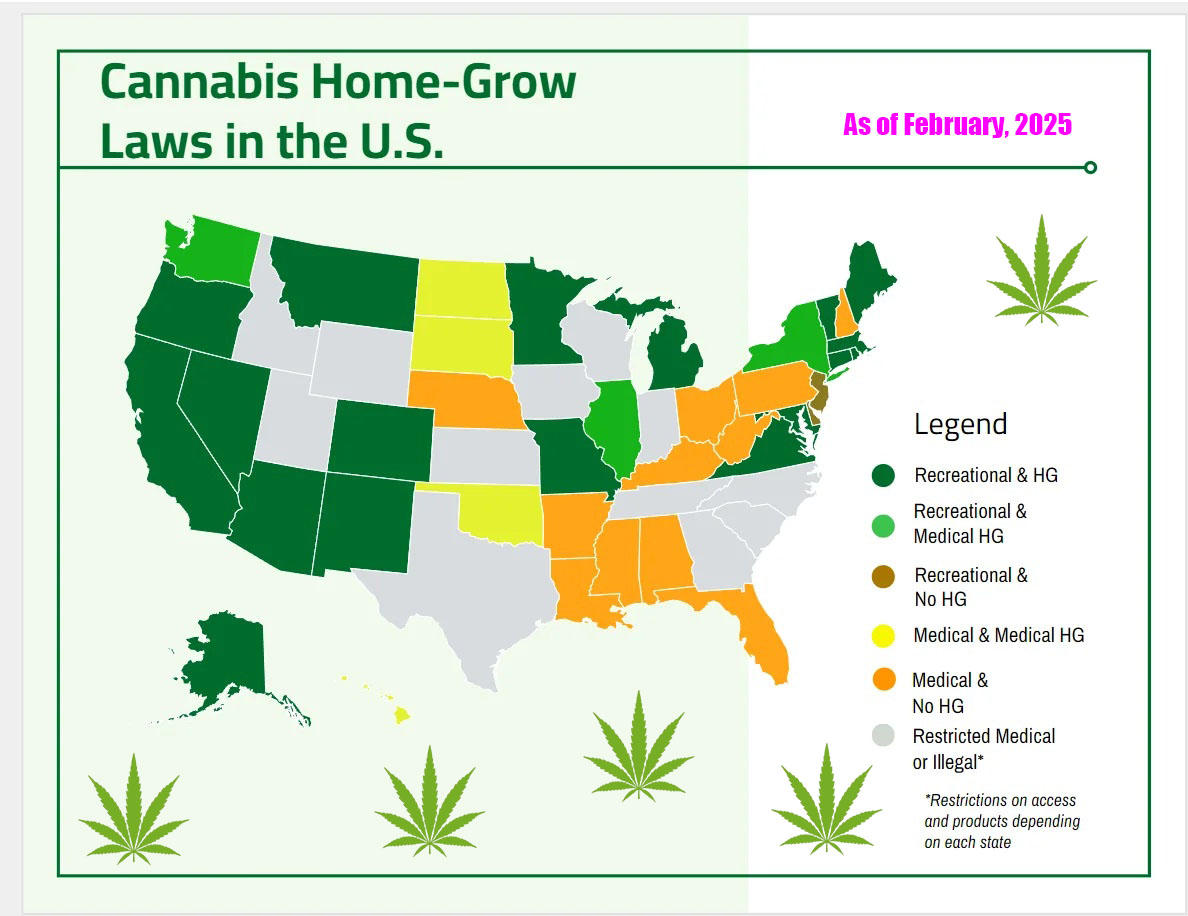
Texas law treats the cultivation of marijuana as a serious offense. The penalties are tiered and depend on the quantity of the plant or its derivatives involved, as well as the intent behind the cultivation (e.g., for personal use versus distribution).
- Small Quantities: Even growing a small number of cannabis plants for personal consumption, if they exceed the low-THC threshold, can lead to felony charges. Possession of even a small amount of dried marijuana can result in significant jail time and hefty fines.
- Larger Quantities and Intent to Distribute: Cultivating marijuana with the intent to distribute, or possessing larger quantities, escalates the charges to more serious felony offenses. These can carry mandatory minimum sentences and lengthy prison terms. The penalties are particularly severe in Texas, which is known for its tough-on-crime stance.
The focus on quantity and intent underscores the state’s determination to combat drug trafficking and illegal drug activity. Law enforcement agencies in Texas actively pursue cases involving marijuana cultivation, and the consequences for being caught can be life-altering.
Legal Status Beyond Low-THC
It is essential to reiterate that Texas has not legalized recreational marijuana. Unlike some other states that have passed ballot initiatives or legislation to allow adults to grow a limited number of cannabis plants for personal use, Texas remains firmly in the camp of prohibition for non-medical, high-THC cannabis.
This distinction is critical for anyone traveling to or residing in Texas who may be accustomed to different cannabis laws elsewhere. Misunderstanding or assuming Texas follows trends in other states can lead to severe legal repercussions.
The Evolving Legal Landscape and Future Possibilities
While the current reality in Texas is one of strict regulation and prohibition, the conversation around cannabis is not static. Like many states, Texas has seen increased public and legislative discussion regarding marijuana reform.
Potential for Expansion of TCUP
Advocates for broader cannabis access continue to push for legislative changes. These efforts often focus on:
- Expanding Qualifying Conditions: Adding more medical conditions for which low-THC cannabis can be prescribed.
- Increasing THC Limits: Potentially raising the allowable THC percentage in medical cannabis products.
- Home Cultivation for Medical Patients: Some proposals have suggested allowing registered medical cannabis patients to cultivate a limited number of plants at home, similar to programs in other states. However, this remains a highly contentious issue in Texas.
Any expansion of the Compassionate Use Program would still likely involve strict regulatory oversight for any cultivation activities, ensuring patient safety and preventing diversion.
Decriminalization vs. Legalization
It is important to distinguish between decriminalization and legalization. Decriminalization typically means reducing the penalties for possessing small amounts of marijuana, often treating it as a minor civil offense rather than a criminal one. Legalization, on the other hand, involves establishing a legal framework for regulated production, sale, and consumption, which could include recreational use and broader cultivation allowances.
Texas has seen some movement towards decriminalization at the local level in certain cities, but statewide decriminalization or legalization of cultivation remains a distant prospect. The state legislature has historically been resistant to such sweeping changes.

Conclusion: A Restricted Garden in the Lone Star State
In answering the question, “Is it legal to grow weed in Texas?” the definitive answer for most people is no, with a very specific and narrow exception. The legal cultivation of cannabis is confined to licensed entities producing low-THC varieties for patients enrolled in the Texas Compassionate Use Program. This requires significant investment, adherence to stringent regulations, and a proven need within the program’s established medical framework.
For individuals seeking to grow cannabis for personal use or for recreational markets, the answer is a resounding prohibition. The penalties for illegal cultivation in Texas are severe, reflecting the state’s conservative approach to drug policy.
As public opinion and legislative debates continue to evolve, the legal status of cannabis in Texas may shift in the future. However, for the foreseeable future, any cultivation of “weed” in the commonly understood sense (i.e., higher-THC cannabis for personal or recreational use) remains firmly outside the bounds of Texas law. Prospective growers must navigate this complex and restrictive legal environment with full awareness of the significant risks involved.
LifeOutOfTheBox is a participant in the Amazon Services LLC Associates Program, an affiliate advertising program designed to provide a means for sites to earn advertising fees by advertising and linking to Amazon.com. Amazon, the Amazon logo, AmazonSupply, and the AmazonSupply logo are trademarks of Amazon.com, Inc. or its affiliates. As an Amazon Associate we earn affiliate commissions from qualifying purchases.