
Navigating the intricacies of time zones can be a surprisingly crucial aspect of planning any trip, especially when arriving in a major metropolitan hub like Chicago. Travelers often ponder, “Is Chicago Eastern Time or Central Time?” This question, seemingly simple, has practical implications for everything from flight schedules and hotel check-ins to dining reservations and exploring the city’s vibrant nightlife. Understanding Chicago’s temporal alignment is key to a seamless travel experience, ensuring you’re on time for all your planned activities and avoiding any costly or inconvenient temporal blunders.
The definitive answer is that Chicago observes Central Standard Time (CST) during standard time and Central Daylight Time (CDT) during daylight saving time. This places the Windy City firmly within the Central Time Zone, which is UTC-6 during standard time and UTC-5 during daylight saving time. This distinction is vital for travelers originating from or heading to regions observing Eastern Standard Time (EST) or Eastern Daylight Time (EDT), which is an hour ahead.
Understanding the Time Zones: A Geographical and Historical Perspective
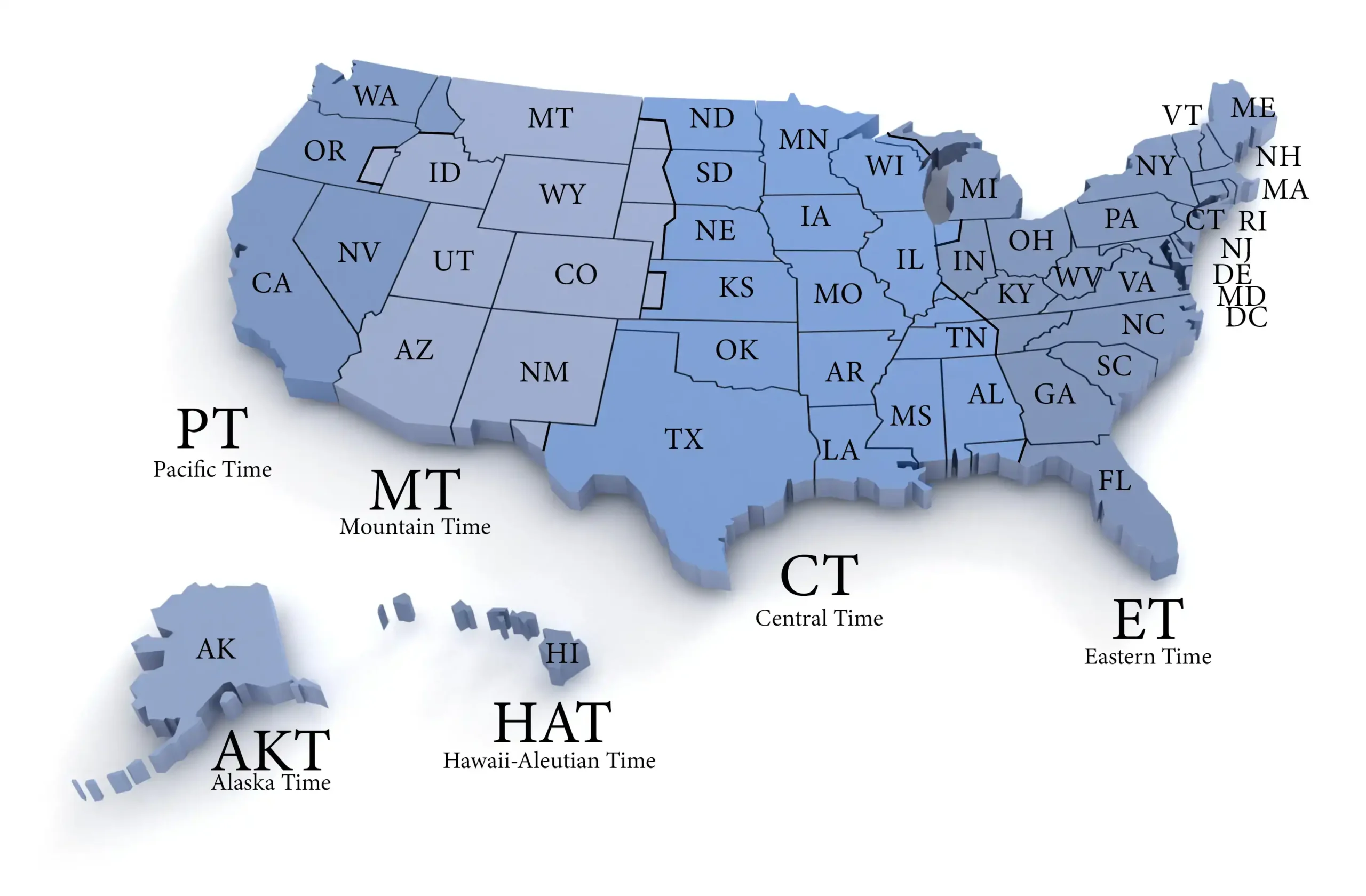
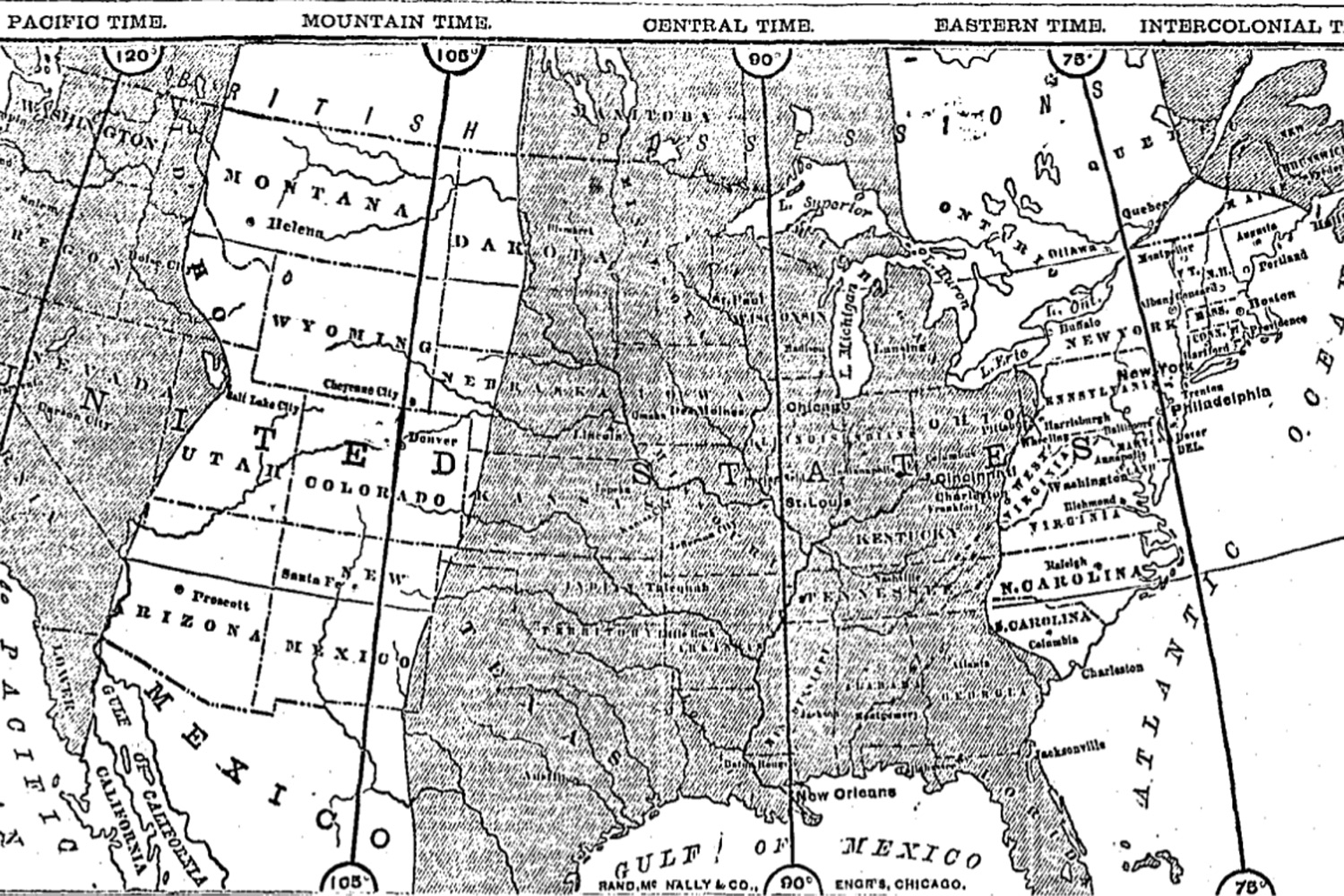
The United States is divided into several standard time zones, each spanning roughly 15 degrees of longitude. These zones were established to standardize timekeeping across the vast nation, a process that gained momentum with the advent of railroads in the late 19th century. Before standardized time zones, local communities often set their own time based on solar noon, leading to significant discrepancies even over short distances.
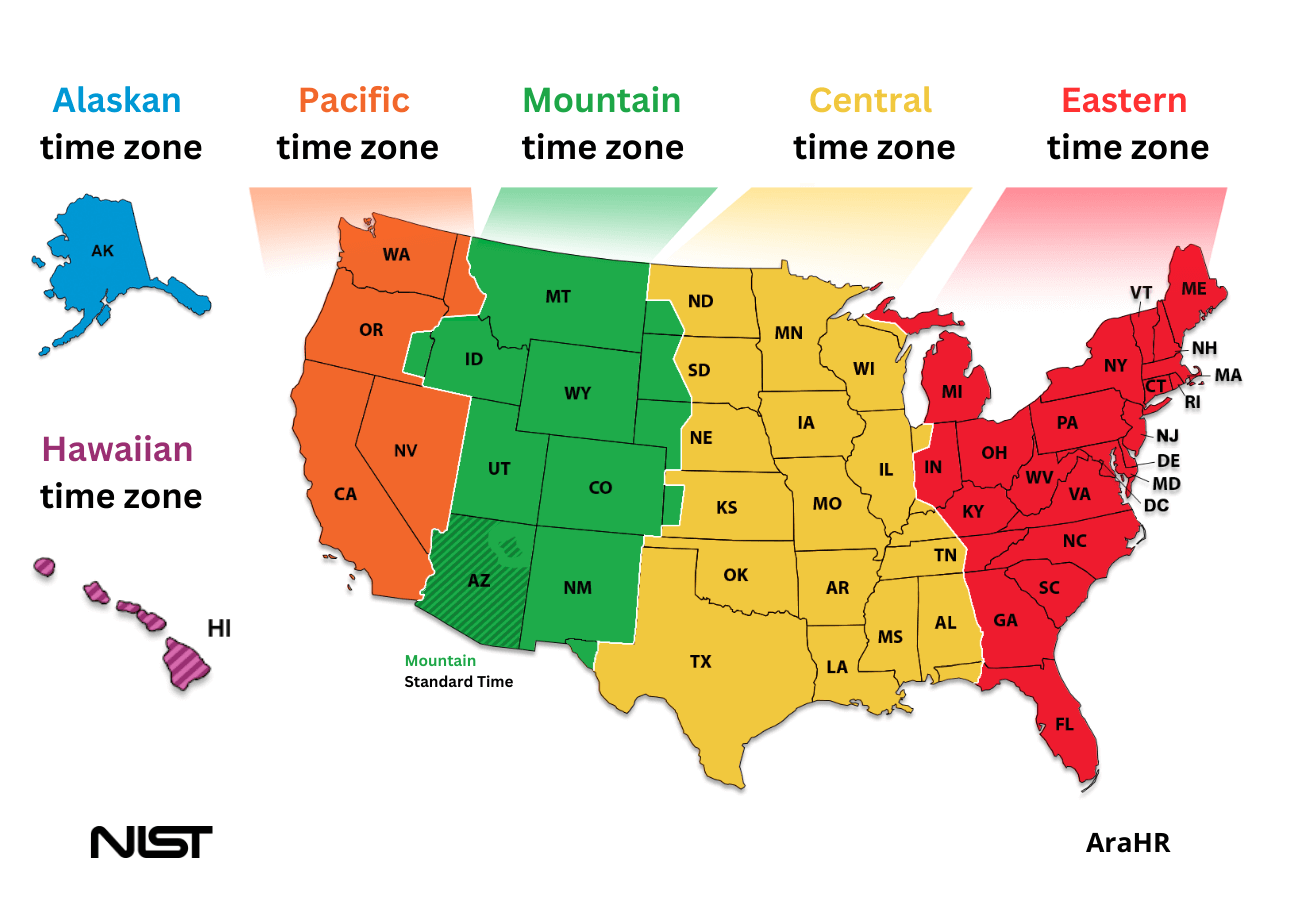
The Continental United States is primarily divided into four time zones:
- Eastern Time Zone (ET)
- Central Time Zone (CT)
- Mountain Time Zone (MT)
- Pacific Time Zone (PT)
Chicago, situated in the Midwest, falls squarely within the Central Time Zone. This means that when it is 12:00 PM in Chicago, it is 1:00 PM in New York City (which is in the Eastern Time Zone) and 10:00 AM in Denver (which is in the Mountain Time Zone).
The Evolution of Timekeeping in Chicago
Historically, the adoption of standardized time zones was a gradual process. Chicago officially adopted Central Standard Time in 1883, coinciding with the implementation of the first national railway time zones. This was a significant shift, moving away from the various local times that had previously governed daily life. The establishment of time zones was primarily driven by the need for efficient railway scheduling, preventing the chaos of trains departing and arriving at different times across various stations.
The boundary between the Eastern Time Zone and the Central Time Zone is not a perfectly straight line but follows state borders and sometimes even county lines to accommodate local preferences and economic ties. For Illinois, the decision to align with Central Time was a logical one, given its geographical position and its deep connections to the broader Midwest.
Daylight Saving Time: A Seasonal Shift
Like much of the United States, Chicago observes Daylight Saving Time (DST). This practice, which begins on the second Sunday in March and ends on the first Sunday in November, involves advancing clocks by one hour during the warmer months. During DST, Chicago operates on Central Daylight Time (CDT), which is UTC-5. This shift aims to maximize daylight in the evenings for outdoor activities and reduce energy consumption.
It’s important for travelers to be aware of the DST schedule, as the one-hour difference between Chicago and the Eastern Time Zone persists, but the actual UTC offset changes. For example, during standard time, Chicago is UTC-6, while New York is UTC-5. During daylight saving time, Chicago becomes UTC-5, and New York becomes UTC-4. The relative difference of one hour remains constant.
Practical Implications for Travelers
Understanding Chicago’s time zone is not merely an academic exercise; it has tangible impacts on your travel plans.
Flights and Transportation
When booking flights to Chicago (O’Hare International Airport or Midway International Airport), always verify the arrival and departure times in Chicago’s local time. Airlines typically display times in the local time of the departure and arrival airports. If you’re flying from an Eastern Time Zone city like New York or Atlanta, remember that your flight will depart at a certain time, and when you land in Chicago, the local time will be one hour earlier than it would be back home. This can lead to a perception of a shorter flight than is actually the case, or conversely, confusion about when you’ve effectively “lost” an hour.
Similarly, if you are traveling by train or bus, confirm all schedules in Central Time. Car rentals will also need to be returned according to Chicago’s local time.
Accommodations and Activities
When booking a hotel in Chicago, such as the Palmer House or the Thompson Chicago, check-in and check-out times will be based on Central Time. This is also crucial for making dinner reservations, booking tours of Navy Pier or excursions to architectural marvels like the Willis Tower. Missing a reservation due to a time zone mix-up can be particularly frustrating in a city with a world-class culinary scene.
For business travelers, attending meetings or conferences, being precise about the time zone is paramount. Miscommunications can lead to missed opportunities and professional embarrassment. It’s always advisable to confirm meeting times by stating the time zone explicitly (e.g., “10:00 AM CDT”).
Communication with Home
Staying in touch with friends and family back home requires an awareness of the time difference. If you are traveling from the Eastern Time Zone, remember that Chicago is an hour behind. Calling someone at 8:00 PM Chicago time means it’s 9:00 PM where they are. Conversely, if you are calling from the Pacific Time Zone, Chicago will be three hours ahead. Being mindful of this can prevent you from waking someone up or interrupting an important engagement.
Beyond Chicago: Time Zones in the Wider Region
The influence of Chicago’s time zone extends to its neighboring areas. Illinois is entirely within the Central Time Zone. However, bordering states present a mixed picture. For example, while most of Indiana is in the Eastern Time Zone, its northwestern counties, including those closest to Chicago, observe Central Time. This can be a source of confusion for travelers moving between these regions.
To the west, Iowa and Wisconsin are entirely within the Central Time Zone, aligning seamlessly with Chicago. This uniformity simplifies travel within these adjacent states.
Navigating Time Zone Transitions
When embarking on a road trip that crosses time zone boundaries, it’s essential to have a reliable method for updating your watch or device. Most smartphones and modern vehicles automatically adjust to local time. However, for those who prefer manual control or are using older equipment, a quick check of a local map or a reliable online source can confirm the correct time.
Consider a drive from Chicago to Indianapolis. You will leave Central Time and enter Eastern Time. The one-hour shift forward will affect your arrival time. Conversely, a trip from Chicago to Des Moines would mean staying within the Central Time Zone, simplifying timekeeping.
Finalizing Your Itinerary with Time Zone Awareness
In conclusion, Chicago is unequivocally in the Central Time Zone. This fundamental piece of information is more than just a detail; it’s a cornerstone of effective travel planning. By understanding the distinction between Central Time and Eastern Time, and by being aware of Daylight Saving Time, travelers can avoid confusion, prevent missed appointments, and fully immerse themselves in the experience of visiting this dynamic metropolis. Whether you are arriving at O’Hare for a business trip, checking into a boutique hotel in the Gold Coast, or planning to catch a Cubs game at Wrigley Field, ensure your internal clock is set to Chicago’s rhythm. A little attention to time zones can make a world of difference in your journey.
LifeOutOfTheBox is a participant in the Amazon Services LLC Associates Program, an affiliate advertising program designed to provide a means for sites to earn advertising fees by advertising and linking to Amazon.com. Amazon, the Amazon logo, AmazonSupply, and the AmazonSupply logo are trademarks of Amazon.com, Inc. or its affiliates. As an Amazon Associate we earn affiliate commissions from qualifying purchases.