
The allure of New York City is undeniable. It’s a global epicenter of culture, finance, fashion, and entertainment, drawing millions of visitors and aspiring residents each year. However, this vibrant metropolis also carries a formidable reputation for its high cost of living. Understanding these expenses is crucial for anyone considering a visit, a long-term stay, or even just dreaming of experiencing the Big Apple. This comprehensive guide delves into the various facets of urban living in New York City, providing insights into the financial realities of calling this dynamic city home.
Housing: The Primary Financial Pillar
The most significant component of the cost of living in New York City is undoubtedly housing. The demand for residential space in this densely populated island city is consistently high, driving rental and purchase prices to stratospheric levels. This expense varies dramatically based on borough, neighborhood, apartment size, and amenities.
Rental Market Realities
For renters, the monthly outlay for accommodation is the most substantial budget item. A studio apartment in Manhattan, particularly in desirable neighborhoods like the Upper East Side or Greenwich Village, can easily command rents of $3,000 to $4,500 or more. One-bedroom apartments typically range from $3,500 to $5,500, while two-bedroom units can soar to $5,000 to $8,000 and beyond.
Venturing into the other boroughs can offer some relief, though prices remain high. In popular areas of Brooklyn, such as Williamsburg or Park Slope, rents for a one-bedroom might fall between $3,000 and $4,000. Queens, particularly neighborhoods like Long Island City or Astoria, can offer slightly more affordable options, with one-bedrooms averaging $2,500 to $3,500. The Bronx and Staten Island generally present the most budget-friendly rental markets within the city.
Beyond the base rent, renters must also factor in potential costs such as broker fees, which can range from one month’s rent to 15% of the annual rent. Security deposits, typically one month’s rent, are also standard. Utilities, including electricity, gas, internet, and sometimes heat and hot water, can add another $150 to $300 per month, depending on usage and the building’s efficiency.
The Ownership Ladder
For those looking to purchase property in New York City, the financial commitment is exponentially greater. Manhattan boasts some of the highest real estate prices in the world. The median sales price for a condominium in Manhattan often exceeds $1.5 million, with prices for single-family homes or spacious apartments in prime locations reaching tens of millions of dollars. Even co-ops, which often have lower sticker prices than condos, come with significant monthly maintenance fees that cover building upkeep, property taxes, and sometimes utilities.
In other boroughs, while generally less expensive than Manhattan, property prices are still substantial. Brooklyn has seen its own surge in real estate values, with median home prices frequently surpassing $1 million in desirable neighborhoods. Buyers also need to consider closing costs, which can include mortgage recording taxes, title insurance, attorney fees, and mansion taxes (for purchases over a certain threshold), often amounting to 2% to 5% of the purchase price.
Daily Expenses: Beyond Shelter
Once housing is addressed, a multitude of daily expenses contribute to the overall cost of living in New York City. These encompass food, transportation, utilities, and personal expenses.
Food and Groceries
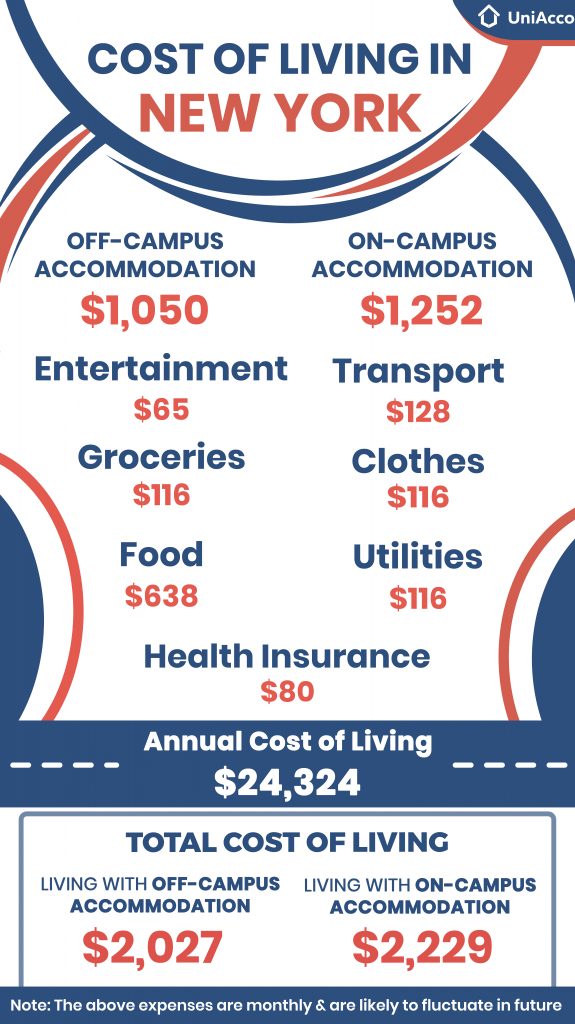
The cost of food in New York City is notably higher than the national average. Grocery shopping at mainstream supermarkets can be expensive, especially for organic or specialty items. A single person might spend anywhere from $400 to $700 per month on groceries, depending on dietary habits and shopping choices.
Eating out is another significant expense. A casual lunch at a deli or food truck might cost $15-$20, while a sit-down dinner at a mid-range restaurant for two, including drinks and tip, can easily reach $100-$150. Fine dining experiences in New York City can push these figures into the hundreds of dollars per person. The abundance of diverse culinary options is a major draw, but indulging frequently adds up quickly.
Transportation: Navigating the Metropolis
New York City boasts one of the most extensive public transportation systems in the world, making it possible to live without a car. The Metropolitan Transportation Authority (MTA) operates the subway and bus systems, which are the primary modes of transit for most residents. A 30-day unlimited MetroCard costs $132, offering considerable value for daily commuters. Single rides are $2.90.
Owning and maintaining a car in New York City is a significant financial undertaking. Parking can cost upwards of $500-$800 per month in a garage, and street parking is notoriously difficult to find. Car insurance premiums are also higher than in many other parts of the country. Gas prices fluctuate but are consistently among the highest in the nation. Taxis and ride-sharing services like Uber and Lyft are convenient but quickly become expensive for frequent use.
Utilities and Services
Beyond rent or mortgage, essential utilities are a recurring cost. Electricity and gas bills can vary significantly based on usage, apartment size, and season, but a monthly average for a studio or one-bedroom apartment might range from $100 to $200. High-speed internet and cable TV packages can add another $70 to $150 per month. Mobile phone plans are comparable to national averages.

Personal Care and Entertainment
Personal care expenses, including haircuts, toiletries, and gym memberships, contribute to the monthly budget. A gym membership in New York City can range from $50 to $200 per month, depending on the facility and amenities.
Entertainment options are plentiful but come with a price tag. Movie tickets, Broadway shows, concerts, museum admissions, and sporting events can all add up. A ticket to a Broadway show, for example, can range from $80 for a nosebleed seat to $500 or more for premium seating. Many world-class museums offer free admission on certain days or have suggested donation policies, but enjoying the city’s vibrant cultural scene regularly requires a dedicated entertainment budget.
Factors Influencing the Cost of Living
Several overarching factors contribute to New York City’s high cost of living, making it distinct from many other urban centers.
Location, Location, Location
The principle of “location, location, location” is paramount in New York City. Neighborhoods that offer proximity to major business districts, excellent public transportation, vibrant cultural scenes, and desirable amenities command premium prices. Areas like Midtown Manhattan, the Financial District, or trendy parts of Brooklyn will invariably be more expensive than areas further afield or those with less developed infrastructure.
Demand and Supply Dynamics
As a global hub, New York City experiences relentless demand for housing and services. This perpetual influx of people seeking opportunities, combined with limited land availability for new construction, creates a tight market. Supply struggles to keep pace with demand, naturally inflating prices.
Cost of Doing Business
Businesses operating in New York City face higher overheads, including escalating commercial rents and labor costs. These increased operational expenses are often passed on to consumers through higher prices for goods and services, from a cup of coffee to a tailor’s service.
Taxes
New York City residents are subject to federal, state, and city income taxes, as well as sales taxes. While property taxes for homeowners exist, renters indirectly pay for them through their rent. The overall tax burden can be a significant factor in disposable income.
Strategies for Managing the Cost of Living
While the numbers can seem daunting, numerous strategies can help individuals manage the cost of living in New York City and make the dream of living here a tangible reality.
Smart Housing Choices
- Consider Outer Boroughs: Exploring neighborhoods in Queens, The Bronx, or Staten Island can significantly reduce housing costs while still offering access to the city via public transit.
- Roommate Situations: Sharing an apartment with roommates is a common and effective way to cut down on rent and utility expenses.
- Explore Less Trendy Neighborhoods: Areas that are up-and-coming or less saturated with tourist activity may offer more affordable rental options.
- Look for Deals: Keep an eye out for apartments without broker fees or during off-peak rental seasons.
Budgeting for Daily Life
- Cook at Home: Preparing meals at home rather than relying on takeout or restaurants is a substantial cost saver.
- Utilize Farmers Markets and Discount Grocers: Shopping at local farmers’ markets for seasonal produce or at discount grocery stores can help reduce food bills.
- Leverage Public Transportation: Maximize the use of the MTA subway and bus system for your daily commute.
- Seek Free or Low-Cost Entertainment: New York City offers a wealth of free activities, from exploring parks like Central Park and walking across the Brooklyn Bridge to visiting free museum days and attending outdoor concerts.

Financial Planning and Prudence
- Create a Detailed Budget: Track all income and expenses to identify areas where spending can be reduced.
- Seek Out Discounts and Deals: Take advantage of student discounts, city passes, or happy hour specials.
- Consider a Financial Advisor: For significant financial decisions, such as buying property or long-term investments, consulting a professional can be invaluable.
Living in New York City is an investment in an unparalleled lifestyle. While the financial commitment is considerable, a thorough understanding of the costs involved, coupled with strategic planning and diligent budgeting, can make residing in this extraordinary city a rewarding and achievable goal.
LifeOutOfTheBox is a participant in the Amazon Services LLC Associates Program, an affiliate advertising program designed to provide a means for sites to earn advertising fees by advertising and linking to Amazon.com. Amazon, the Amazon logo, AmazonSupply, and the AmazonSupply logo are trademarks of Amazon.com, Inc. or its affiliates. As an Amazon Associate we earn affiliate commissions from qualifying purchases.