
Navigating the Urban Landscape After Dark
The allure of Chicago after sunset is undeniable. Illuminated by the glow of skyscrapers and alive with the hum of a vibrant metropolis, its downtown core transforms into a breathtaking spectacle. However, like any major urban center, questions about safety often arise for those planning evening excursions. This guide aims to provide a comprehensive and balanced perspective on experiencing the magic of Downtown Chicago after dark, focusing on practical advice and an understanding of the city’s dynamic environment.
Understanding Chicago’s Nightlife Landscape
Downtown Chicago, encompassing areas like the Loop, River North, and parts of the Magnificent Mile, is a hub for entertainment, dining, and cultural experiences. From world-class theaters and bustling restaurants to iconic architectural tours and live music venues, the city offers a diverse array of activities that extend well into the night.
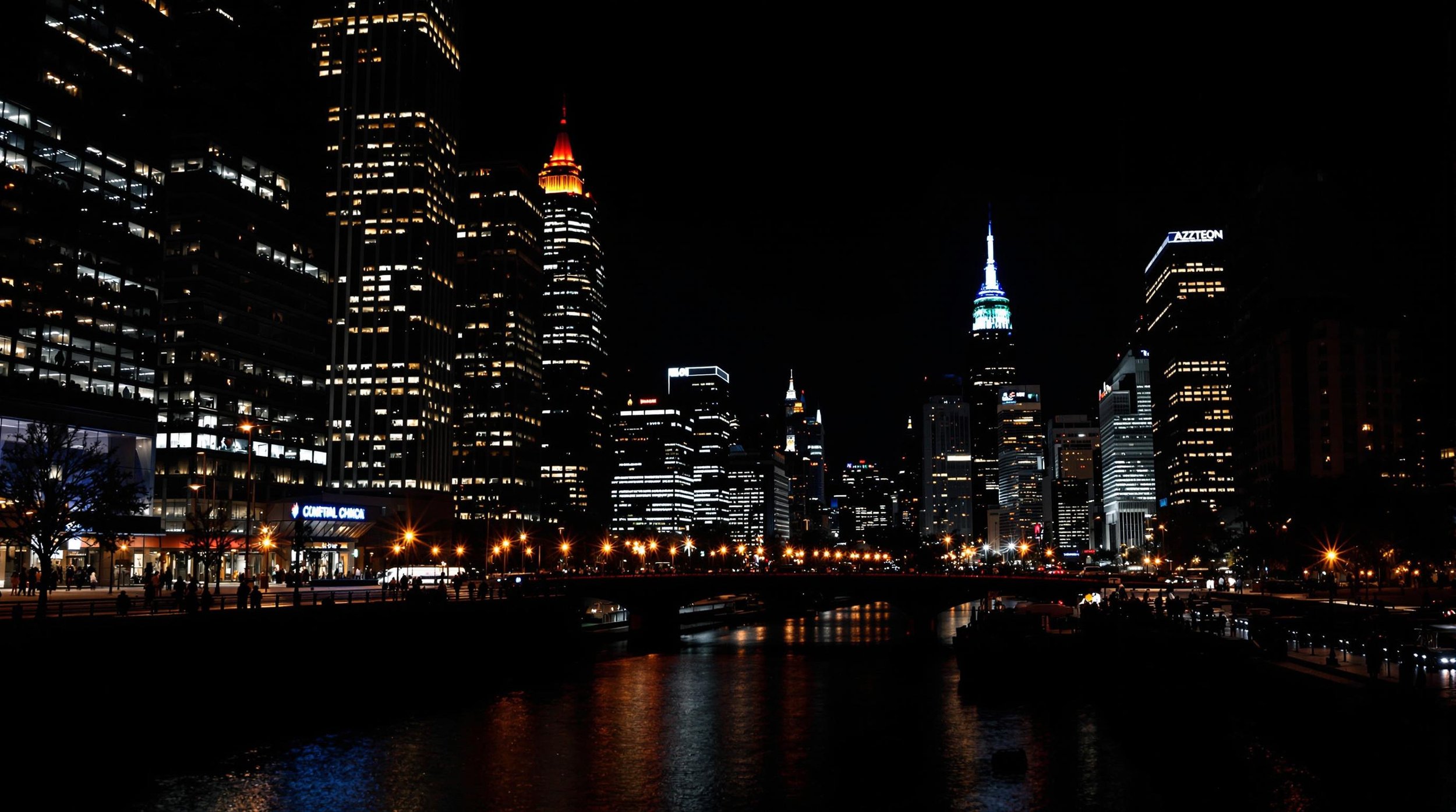
The perception of safety in any city is multifaceted, influenced by a combination of official crime statistics, personal experiences, media portrayals, and individual awareness. Chicago is no exception. While the city, like many large metropolises globally, experiences crime, the vast majority of visitors and residents enjoy its downtown areas without incident. The key lies in understanding the environment and adopting prudent measures.
Factors Influencing Nighttime Safety
Several factors contribute to the overall safety of Downtown Chicago at night.
Police Presence and Infrastructure
The city maintains a significant police presence, particularly in high-traffic tourist and entertainment districts. Marked patrols, both on foot and in vehicles, are a common sight, contributing to a visible deterrent and providing a sense of security. The city’s well-developed public transportation system, including the CTA ‘L’ trains and bus routes, operates late into the night, offering an alternative to taxis and rideshares for those who prefer not to drive or walk long distances. Stations are generally well-lit and monitored.
Economic Activity and Foot Traffic
Areas with consistent economic activity and high foot traffic tend to be safer. During evenings, districts like River North, known for its vibrant restaurant and bar scene, and the vicinity of major theaters like the Chicago Theatre and the Goodman Theatre, remain populated and active. This constant flow of people creates a natural surveillance effect, making these areas generally more secure. Conversely, less populated areas or those undergoing development might require extra vigilance.
Targeted vs. Opportunistic Crime
It’s important to distinguish between targeted crime and opportunistic crime. Crimes of opportunity, such as pickpocketing or petty theft, can occur in any crowded urban environment. However, violent crimes directly targeting tourists are statistically rare in the well-trafficked downtown areas. Understanding this distinction can help frame safety concerns realistically.
Practical Safety Tips for Exploring Downtown Chicago at Night
While Downtown Chicago is generally safe for nighttime exploration, employing common-sense precautions is always advisable.
Situational Awareness is Key

The most crucial tool for personal safety is situational awareness. This means being mindful of your surroundings, paying attention to who is around you, and trusting your instincts.
- Minimize Distractions: Avoid being engrossed in your phone or wearing headphones that block out ambient sounds. This allows you to notice potential issues before they become problems.
- Observe Your Environment: Notice exits, identify well-lit areas, and be aware of any unusual activity. If a situation feels uncomfortable, it’s okay to move to a different location.
- Trust Your Gut: If you feel uneasy about a person or a situation, disengage and move away. Your intuition is a powerful safety mechanism.
Planning Your Evening
Thoughtful planning can significantly enhance your safety and enjoyment.
- Choose Well-Lit and Populated Areas: Stick to main streets and areas known for evening activity, such as the theater district, the Mag Mile, or the restaurant hubs in River North and the West Loop.
- Know Your Route: Before leaving your hotel or dinner, have a clear idea of how you will get to your next destination. Familiarize yourself with the streets or the route for public transportation.
- Consider Transportation Options:
- Rideshares and Taxis: Reputable rideshare services and licensed taxis are readily available. Ensure the driver is legitimate and that the vehicle matches the app’s description for rideshares. Avoid accepting rides from unsolicited drivers.
- Public Transportation: The CTA ‘L’ train and bus systems are efficient. Be aware of station operating hours and consider which lines are best for your route. While generally safe, late-night train travel can sometimes involve fewer passengers, so staying aware is still important.
- Walking: If walking, stick to well-lit, main thoroughfares. Avoid shortcuts through alleys or dimly lit areas.
Protecting Your Belongings
Petty theft can be a concern in any busy city.
- Secure Your Valuables: Keep wallets, phones, and purses secure and out of sight. Consider using a crossbody bag or a bag with a secure zipper.
- Be Wary of Crowds: In crowded areas, be extra vigilant about your belongings.
- Don’t Flash Wealth: Avoid displaying expensive jewelry or large amounts of cash.
Areas to Be Mindful Of
While specific crime statistics can fluctuate and vary by neighborhood, general guidance suggests that most visitors to Downtown Chicago will find the primary tourist and entertainment zones to be quite safe. However, it is always wise to be more cautious in areas with less foot traffic or those that are less developed.
- South Loop & Near South Side: Some areas south of Congress Parkway can be less populated at night, depending on the specific block. Stick to well-lit streets and areas with active businesses.
- Industrial/Commercial Zones: Areas primarily dedicated to commercial or industrial activities may have significantly reduced foot traffic and fewer people present after business hours, warranting increased caution.
It’s essential to remember that crime statistics are aggregated and don’t reflect the experience of most individuals. By focusing on preparedness and awareness, the risks can be substantially mitigated.
Embracing the Chicago Night
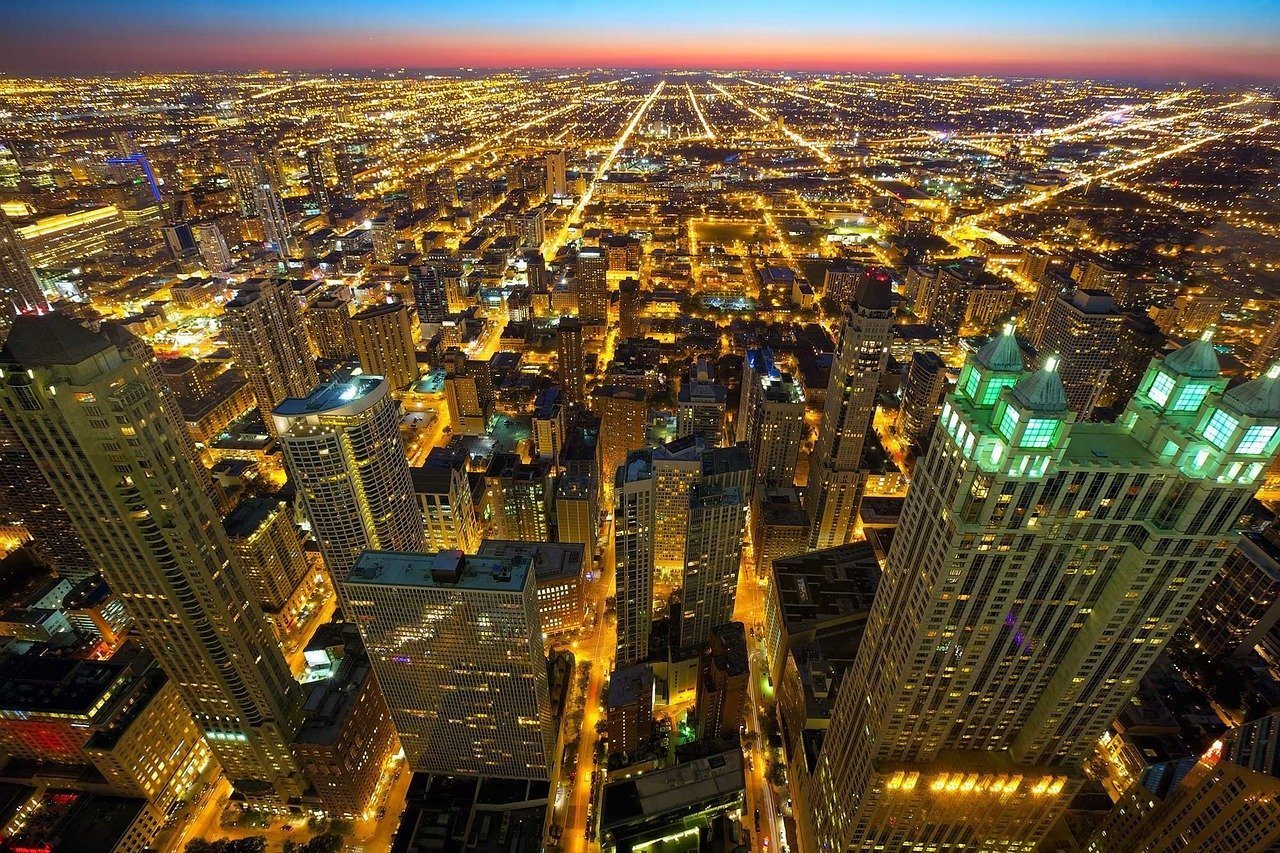
Downtown Chicago offers an unparalleled nighttime experience. From the dazzling lights of the Chicago Riverwalk to the captivating performances at venues like the Steppenwolf Theatre Company, the city truly comes alive after dark.
- Culinary Delights: Indulge in the city’s world-renowned culinary scene. Restaurants in areas like the West Loop and River North are vibrant hubs, offering diverse dining experiences that are safe and enjoyable.
- Cultural Immersion: Catch a show in the theater district, visit a jazz club, or enjoy the evening ambiance around Millennium Park. Many cultural institutions extend their hours or host evening events.
- Architectural Wonders: Take a stroll along the Magnificent Mile or the Chicago Riverwalk to admire the city’s iconic architecture illuminated against the night sky.
Conclusion: A Rewarding Experience Awaits
In conclusion, with sensible precautions and a degree of awareness, Downtown Chicago is a safe and incredibly rewarding destination to explore at night. The city’s commitment to public safety, combined with its thriving urban environment, ensures that visitors can confidently immerse themselves in its many attractions. By staying informed, planning your movements, and practicing situational awareness, you can fully embrace the vibrant spirit of Chicago after dark, creating unforgettable memories. The magic of this iconic American city is, indeed, best experienced around the clock.
LifeOutOfTheBox is a participant in the Amazon Services LLC Associates Program, an affiliate advertising program designed to provide a means for sites to earn advertising fees by advertising and linking to Amazon.com. Amazon, the Amazon logo, AmazonSupply, and the AmazonSupply logo are trademarks of Amazon.com, Inc. or its affiliates. As an Amazon Associate we earn affiliate commissions from qualifying purchases.