
Understanding the rights and limitations of landlords in Oregon is crucial for both property owners and tenants to foster a fair and transparent rental market. While landlords have the right to manage their properties, Oregon law imposes specific restrictions designed to protect tenants from unfair practices. These limitations cover a range of areas, from entering a rental unit to handling security deposits and terminating tenancies. Navigating these regulations ensures that landlord-tenant relationships remain harmonious and legally compliant.
Restrictions on Entering a Tenant’s Dwelling
One of the most significant protections afforded to tenants in Oregon is their right to privacy within their rented home. Landlords cannot arbitrarily enter a tenant’s dwelling. This right is enshrined in law to prevent unwarranted intrusions and harassment.

Notice Requirements for Entry
- Advance Written Notice: In most situations, a landlord must provide a tenant with reasonable advance written notice before entering their unit. This notice should specify the purpose of the entry and a general timeframe for when it will occur.
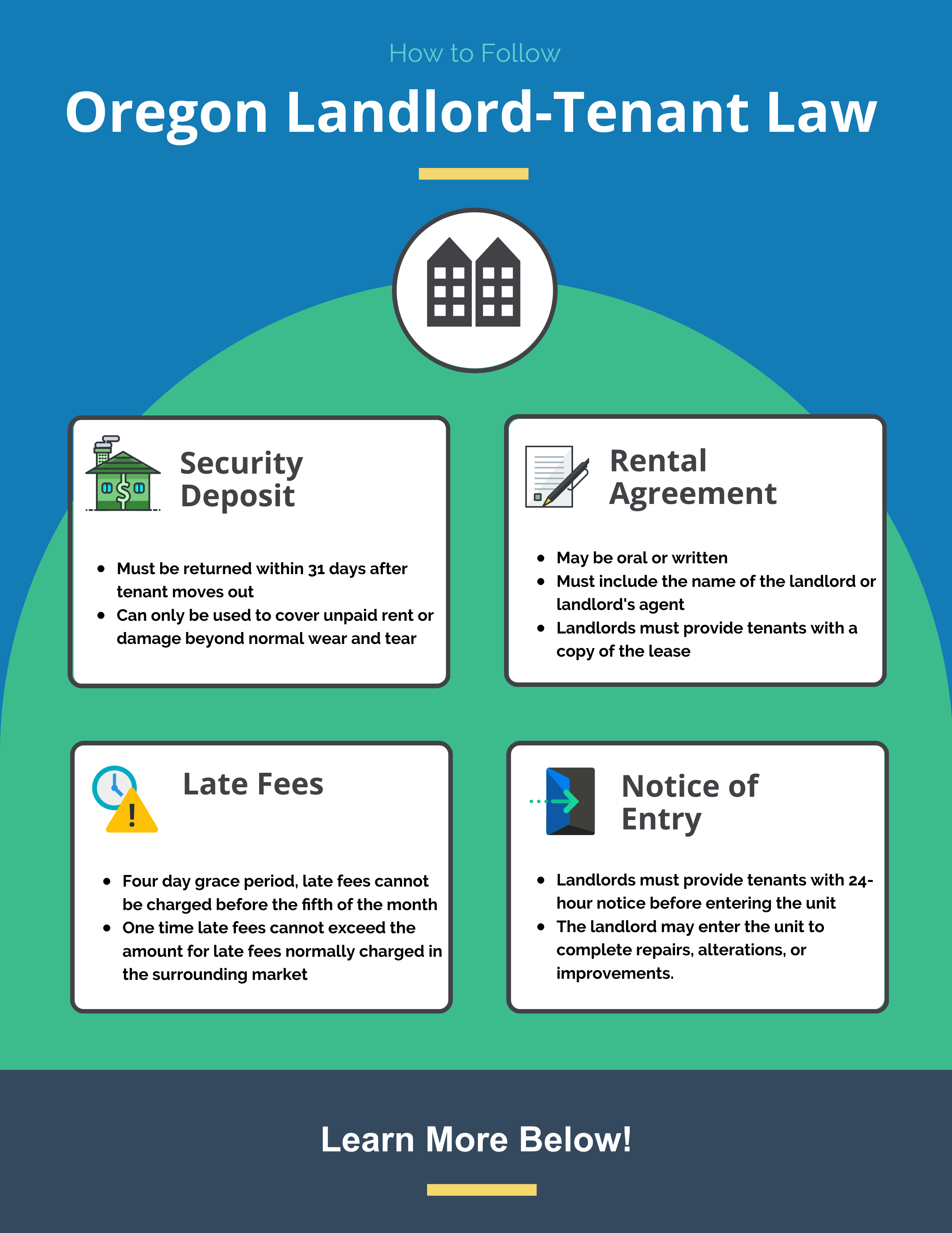
- Reasonable Notice Defined: While the exact definition of “reasonable notice” can vary, it generally means providing at least 24 hours’ written notice. This allows the tenant time to prepare for the visit, secure their belongings, and make arrangements if they wish to be present.
- Permitted Reasons for Entry: Landlords are generally permitted to enter a rental unit for specific, legitimate reasons. These include:
- Making necessary or agreed-upon repairs, alterations, or improvements.
- Supplying necessary or agreed-upon services.
- Showing the property to prospective or actual purchasers, mortgagees, tenants, workers, or contractors.
- When the tenant has abandoned or surrendered the premises.
- To exhibit the unit.
- In cases of emergency.
- Emergency Exceptions: The requirement for advance notice does not apply in cases of an emergency. An emergency is typically defined as a situation that poses an immediate threat to the health or safety of individuals or the property itself, such as a fire, flood, or severe plumbing leak. In such instances, a landlord may enter without notice to address the urgent situation.
- Tenant Consent: A landlord can also enter a rental unit without advance notice if the tenant has given their consent at the time of entry or for a specifically scheduled appointment that the tenant has agreed to. However, landlords should not pressure tenants into waiving their right to notice.
Prohibitions on Discrimination and Retaliation
Landlords are prohibited from engaging in discriminatory practices or retaliatory actions against tenants. These protections are vital for ensuring equal housing opportunities and preventing landlords from penalizing tenants for asserting their legal rights.
Fair Housing Laws
- Federal and State Protections: In Oregon, landlords must comply with both federal and state fair housing laws. These laws prohibit discrimination based on several protected classes, including race, color, national origin, religion, sex, familial status, and disability. Oregon also includes additional protections for sexual orientation, gender identity, source of income, and marital status.
- Unlawful Discriminatory Acts: Landlords cannot refuse to rent to someone, set different terms or conditions for tenancy, or advertise in a discriminatory manner based on these protected characteristics. This ensures that all prospective tenants have an equal chance to secure housing.
- Disability Accommodations: Landlords are required to make reasonable accommodations for tenants with disabilities, such as allowing a tenant to have a service animal or making modifications to the property if necessary for the tenant to have equal opportunity to use and enjoy the dwelling.
Protection Against Retaliation
- Tenant’s Rights: Tenants have the right to exercise their legal rights without fear of reprisal from their landlord. This includes reporting violations of housing codes, requesting necessary repairs, joining a tenant’s union, or pursuing legal remedies.
- Prohibited Retaliatory Actions: A landlord cannot retaliate against a tenant for exercising these rights. Prohibited retaliatory actions include:
- Increasing rent.
- Decreasing services.
- Bringing an action for possession (eviction).
- Terminating a rental agreement.
- Timing of Actions: If a landlord takes any of these actions within a certain timeframe (typically 180 days) after a tenant has engaged in a protected activity, the law often presumes that the action is retaliatory. The landlord then bears the burden of proving that the action was for a legitimate, non-retaliatory reason.

Rules Regarding Security Deposits
Security deposits are a common practice in rental agreements, but Oregon law places strict guidelines on how landlords must handle them. These rules are in place to prevent landlords from unfairly withholding tenants’ money.
Collection and Use of Security Deposits
- Limit on Amount: Landlords in Oregon can typically charge a security deposit of no more than one month’s rent for a month-to-month tenancy, or up to 1.5 months’ rent for a fixed-term tenancy. However, if the rent is less than $50 per week, the deposit cannot exceed the amount of rent for two weeks.
- Written Agreement: The terms and conditions regarding the security deposit should be clearly outlined in the written rental agreement.
- Prohibited Uses: Landlords generally cannot use a security deposit to cover ordinary wear and tear on the property. Ordinary wear and tear refers to the natural deterioration of the premises that occurs over time with normal use.
- Permitted Uses: Security deposits can be used to cover:
- Unpaid rent.
- Damage to the premises beyond ordinary wear and tear.
- Cleaning costs to restore the dwelling unit to the condition it was in at the beginning of the tenancy (excluding ordinary wear and tear).
- Costs associated with removing trash or personal property left by the tenant.
Return of Security Deposits
- Timeliness: Within 31 days after the termination of the rental agreement and the tenant vacating the premises, a landlord must return the unused portion of the security deposit to the tenant.
- Itemized Statement: If the landlord intends to withhold any portion of the security deposit, they must provide the tenant with an itemized statement listing the specific deductions. This statement must be accompanied by the remaining balance of the deposit.
- Conditions for Withholding: The itemized statement must clearly detail the reason for each deduction, supported by invoices, receipts, or other documentation where applicable.
- Tenant’s Mailing Address: The landlord must send the security deposit and itemized statement to the tenant’s last known mailing address. It is the tenant’s responsibility to provide the landlord with an updated forwarding address.
- Bad Faith Withholding: If a landlord acts in bad faith in withholding a security deposit or a portion thereof, they may be liable for twice the amount of the security deposit, plus reasonable attorney fees.
Limitations on Eviction and Termination of Tenancy
Terminating a tenancy and evicting a tenant is a legal process that landlords cannot shortcut. Oregon law provides specific procedures that landlords must follow, and there are certain actions that are explicitly prohibited.
Proper Notice and Just Cause
- Notice Periods: Landlords must provide tenants with proper written notice before terminating a tenancy. The length of the notice period depends on the type of tenancy and the reason for termination.
- For month-to-month tenancies, landlords generally must provide a 30-day written notice to terminate the tenancy. However, if rent is more than 10 days overdue, a 72-hour notice to pay rent or vacate may be issued.
- For fixed-term tenancies, the landlord generally cannot terminate the agreement before the lease term expires unless there is a breach of the lease agreement by the tenant.
- Just Cause Evictions: In Oregon, for tenancies longer than one year, landlords generally need “just cause” to terminate the tenancy, even at the end of a lease term. Just cause includes reasons such as the tenant’s substantial breach of the rental agreement, substantial damage to the property, or the landlord’s intent to occupy the unit or perform substantial renovations. For tenancies of less than one year, a landlord can terminate the tenancy without cause, but still must provide proper notice.
- Illegal Evictions: Landlords cannot engage in “self-help” evictions, which involve changing the locks, removing the tenant’s belongings, shutting off utilities, or otherwise forcing a tenant out of their home without a court order. These actions are illegal and can result in significant penalties for the landlord.
Procedures for Legal Eviction
- Filing a Lawsuit: If a tenant fails to vacate the premises after proper notice, a landlord must file a formal eviction lawsuit (an Unlawful Entry and Detainer action) with the court.
- Court Proceedings: The tenant has the opportunity to respond to the lawsuit and present their case. A judge will then determine whether the eviction is lawful.
- Writ of Possession: If the court rules in favor of the landlord, a Writ of Possession will be issued. This writ authorizes the sheriff to physically remove the tenant and their belongings from the property.
- Tenant Protections: Throughout this legal process, tenants have rights, including the right to legal representation and the ability to present defenses against the eviction.
By adhering to these restrictions, landlords in Oregon can ensure they are operating ethically and legally, fostering positive and stable rental housing situations for all parties involved.
LifeOutOfTheBox is a participant in the Amazon Services LLC Associates Program, an affiliate advertising program designed to provide a means for sites to earn advertising fees by advertising and linking to Amazon.com. Amazon, the Amazon logo, AmazonSupply, and the AmazonSupply logo are trademarks of Amazon.com, Inc. or its affiliates. As an Amazon Associate we earn affiliate commissions from qualifying purchases.