
Understanding the precise time in California is fundamental for seamless travel planning, connecting with loved ones, and conducting business across the Golden State. While it might seem a straightforward query, the nuances of time zones, daylight saving, and the sheer geographical expanse of California warrant a closer look to ensure you’re always perfectly synchronized. California, as part of the United States, operates within a standardized time system, but its specific designation and how it interacts with the rest of the country and the world are crucial pieces of information for any visitor or resident.
California’s Time Zone Designation
California predominantly observes the Pacific Time Zone (PT). This designation places it several hours behind Coordinated Universal Time (UTC), a global standard for timekeeping. Specifically, Pacific Standard Time (PST) is UTC−8, while Pacific Daylight Time (PDT) is UTC−7. The distinction between standard and daylight time is a key factor in determining the “correct” time at any given moment.
Pacific Standard Time (PST) vs. Pacific Daylight Time (PDT)
The United States, including California, adheres to the practice of Daylight Saving Time (DST). This annual observance involves adjusting clocks forward by one hour during warmer months to make better use of natural daylight. Consequently, the Pacific Time Zone switches between PST and PDT.
-
Pacific Standard Time (PST): This is the standard time observed in the Pacific Time Zone from early November to mid-March. During PST, California is eight hours behind Coordinated Universal Time (UTC−8). This period typically aligns with the cooler, shorter days of autumn and winter. For instance, when it is noon UTC, it is 4 AM PST in California.
-
Pacific Daylight Time (PDT): This is the time observed in the Pacific Time Zone from mid-March to early November. During PDT, clocks are moved forward by one hour, making California seven hours behind Coordinated Universal Time (UTC−7). This period is intended to maximize daylight in the evenings during spring and summer. For example, if it is noon UTC, it is 5 AM PDT in California.
The exact dates for the transition to and from Daylight Saving Time are set by federal law in the United States. Generally, DST begins on the second Sunday in March and ends on the first Sunday in November. These shifts can sometimes cause confusion, especially for travelers arriving from regions that do not observe DST or that have different DST schedules. Always confirm the current status of DST to ascertain the correct time.
Navigating California’s Vast Landscape
While the entire state of California officially falls within the Pacific Time Zone, its sheer size, stretching over 770 miles from north to south, means that the sun rises and sets at different absolute times across its diverse geography. However, for all practical purposes and official timekeeping, the entire state adheres to the same time zone. Whether you are in the bustling metropolis of Los Angeles or the northern reaches of Redding, your watch should read the same Pacific Time.
Key Cities and Their Time Synchronization
To illustrate, consider a few prominent locations within California:
-
San Diego: Located in Southern California, San Diego operates on Pacific Time, enjoying the beaches and attractions under PDT during the summer months and PST during the winter.
-
San Francisco: On the coast of Northern California, San Francisco also adheres to Pacific Time, whether you are exploring Alcatraz Island or enjoying the city’s vibrant culture.
-
Sacramento: As the state capital, Sacramento follows the same time zone rules, crucial for legislative and business operations.
-
Fresno: Situated in the Central Valley, Fresno experiences the agricultural bounty of the region, all managed within the Pacific Time Zone.
-
Lake Tahoe: Whether on the Nevada or California side, activities around Lake Tahoe are governed by Pacific Time.
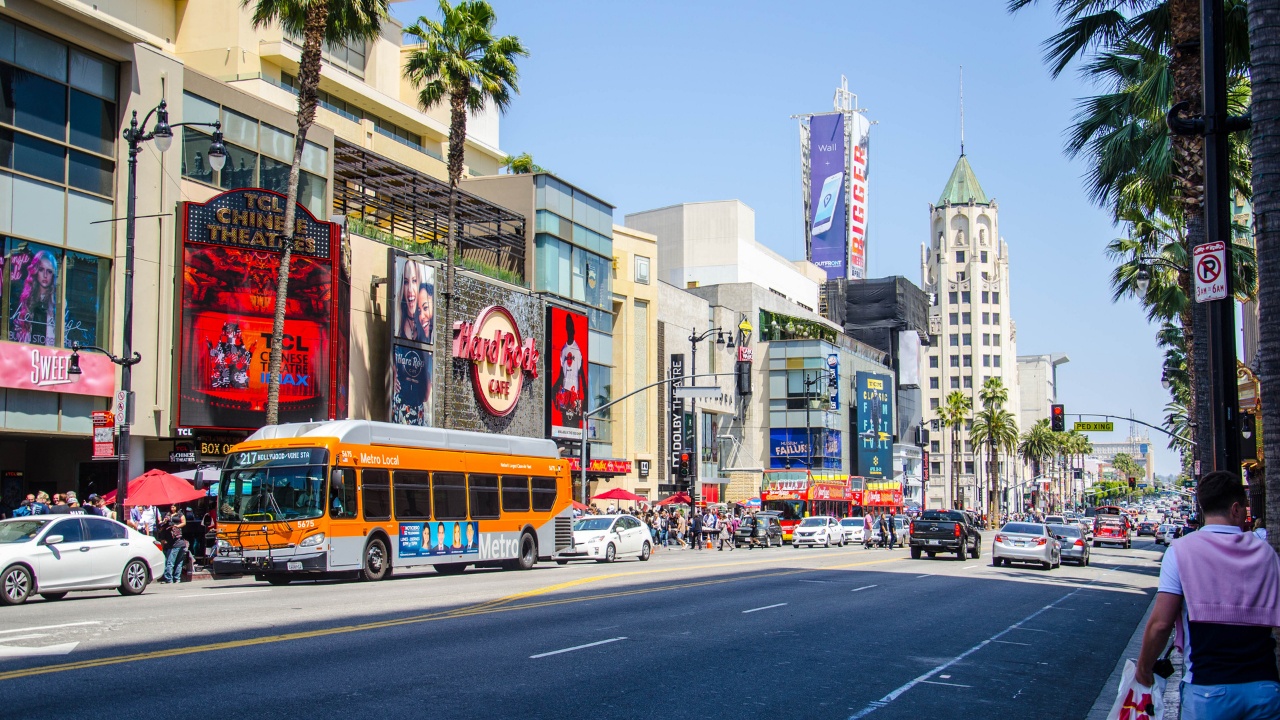
This uniformity simplifies inter-city communication and logistics within the state, ensuring that appointments, flight schedules, and event timings are consistent across the diverse landscapes, from the deserts of Palm Springs to the redwood forests of the north.
Practical Implications for Travelers and Businesses
Understanding the correct time in California is not merely an academic exercise; it has tangible impacts on travel itineraries, business meetings, and communication.
Travel Planning and Coordination
When booking flights to or from California, it is imperative to be aware of the Pacific Time Zone. Flight arrival and departure times will be listed in PT. This is especially important when connecting flights through different time zones. For example, flying from New York (Eastern Time) to Los Angeles requires accounting for the three-hour difference. If you depart New York at 9 AM EST, you will arrive in Los Angeles at 12 PM PST, effectively losing three hours of your day in transit due to the time zone difference.
-
Airport Operations: Major airports like Los Angeles International Airport (LAX), San Francisco International Airport (SFO), and San Diego International Airport (SAN) all operate on Pacific Time. All flight schedules and gate information will reflect this.
-
Accommodation: Hotels across California, from boutique inns in Napa Valley to luxury resorts in Beverly Hills, will have check-in and check-out times based on local Pacific Time.
-
Activities and Tours: Guided tours, theme park hours at places like Disneyland or Universal Studios Hollywood, and restaurant reservations will all be scheduled according to Pacific Time.
Business and Communication
For businesses operating with partners or clients in California, understanding the time difference is critical for scheduling calls, meetings, and managing deadlines.
-
International Business: Companies collaborating with California-based entities from Europe or Asia must meticulously calculate the time difference to avoid miscommunications. For instance, a business day ending at 5 PM PST in California corresponds to 1 AM GMT the next day, or 9 AM CST in Shanghai the next day.
-
Remote Work: With the rise of remote work, individuals collaborating with teams in California need to be mindful of their colleagues’ working hours to ensure productive communication and collaboration.
Keeping Accurate Time
In today’s connected world, most electronic devices, including smartphones, computers, and smartwatches, automatically synchronize their clocks with atomic time standards. This generally ensures that your device displays the correct local time, including adjustments for Daylight Saving Time. However, it is always prudent to:
-
Verify Device Settings: Ensure your device’s time zone settings are configured to “Pacific Time” or automatically detect your location.
-
Check Official Sources: For critical appointments or travel, cross-reference your device’s time with an official atomic clock website or a reliable time service. Websites like timeanddate.com or NIST’s official time servers provide highly accurate, up-to-the-minute time information.
-
Be Aware of DST Changes: Mark the dates for the start and end of Daylight Saving Time in your calendar to avoid any last-minute confusion.
By paying attention to these details, you can navigate your time in California with confidence, ensuring that your plans align perfectly with the Golden State’s rhythm, from the sun-drenched shores of Malibu to the historic streets of San Francisco.
LifeOutOfTheBox is a participant in the Amazon Services LLC Associates Program, an affiliate advertising program designed to provide a means for sites to earn advertising fees by advertising and linking to Amazon.com. Amazon, the Amazon logo, AmazonSupply, and the AmazonSupply logo are trademarks of Amazon.com, Inc. or its affiliates. As an Amazon Associate we earn affiliate commissions from qualifying purchases.