
Cedar Key, a picturesque island community nestled on the west coast of Florida, offers a serene escape from the hustle and bustle of mainland life. This charming destination, often overlooked by tourists in favor of its more prominent neighbors, boasts a unique appeal that draws visitors seeking authentic coastal experiences and tranquil natural beauty. Understanding its precise location is the first step in planning a memorable visit to this captivating Gulf Coast gem.
Geographical Positioning and Accessibility
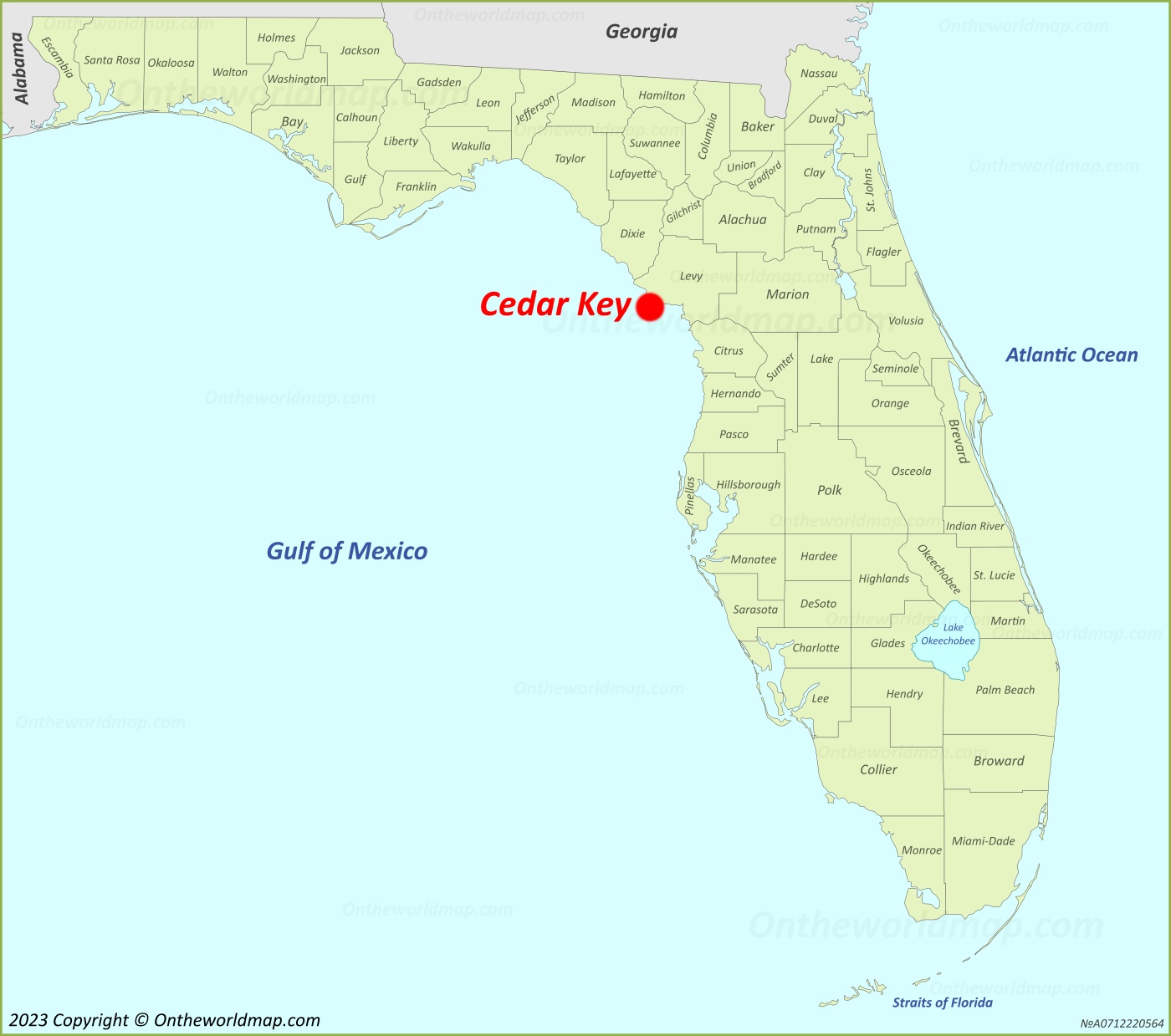
Cedar Key is situated approximately 50 miles southwest of Gainesville and about 100 miles south of Tallahassee, the state capital. It is part of Levy County, a region known for its unspoiled natural landscapes and slower pace of life. The town itself is not a single island but rather a cluster of small islands connected by bridges and causeways, forming a captivating archipelago. The main island, often referred to as “Lower” or “Main” Cedar Key, is where most of the town’s businesses, shops, and accommodations are located.

Reaching Cedar Key
The primary route to Cedar Key is via State Road 24 (SR 24), a scenic highway that winds its way from U.S. Route 19/98 to the town. This drive itself is an integral part of the Cedar Key experience, gradually transitioning from inland scenery to the unique coastal environment. As you approach, the landscape shifts, offering glimpses of tidal flats, salt marshes, and the shimmering waters of the Gulf of Mexico.
Driving Directions:
- From North Florida (e.g., Tallahassee, Gainesville): Take I-75 South to US-27 North or US-19/98 South, depending on your starting point. Follow signs for SR 24 East towards Cedar Key.
- From Central/South Florida (e.g., Tampa, Orlando): Take I-75 North. Exit at US-19/98 North and head towards Chiefland. From Chiefland, take SR 24 East directly to Cedar Key.
The journey is relatively straightforward, with ample signage directing visitors. The remoteness of Cedar Key is part of its allure, preserving its laid-back atmosphere.
Proximity to Major Airports
For those traveling from further afield, the nearest major airports are:
- Gainesville Regional Airport (GNV): Approximately a 1-hour drive. This is the most convenient option for domestic flights.
- Tampa International Airport (TPA): Approximately a 2.5 to 3-hour drive. Offers a wider range of domestic and international flight options.
- Orlando International Airport (MCO): Approximately a 3 to 3.5-hour drive. Another major hub with extensive flight connectivity.
- Jacksonville International Airport (JAX): Approximately a 3-hour drive.
Once you land at any of these airports, renting a car is the most practical way to reach Cedar Key and explore the surrounding areas. Public transportation options are limited once you arrive in Cedar Key itself.
The Cedar Key Archipelago: A Unique Island Setting
Cedar Key is not just one landmass but a collection of islands, each with its distinct character and role within the community. These islands are part of the Cedar Keys National Wildlife Refuge, a protected area that ensures the natural beauty and wildlife habitats are preserved for generations to come.
Key Islands and Their Features
- Lower/Main Cedar Key: This is the heart of the town, home to Dock Street with its vibrant seafood restaurants, art galleries, and charming shops. The historic buildings along Dock Street offer a glimpse into the town’s past as a significant port and fishing hub.
- Atsena Otie Key: Historically, this was the original settlement of Cedar Key. Today, it is an uninhabited island within the refuge, accessible by kayak or boat. Ruins of old homes and a cemetery can still be found here, offering a poignant connection to the past.
- North Key, East Key, and South Key: These islands, along with numerous smaller islets, form the larger archipelago. They are largely undeveloped and provide critical habitats for various bird species, including the endangered Wood Stork. Many are popular destinations for kayaking, birdwatching, and fishing.
- Horseshoe Beach: While not part of the core Cedar Key islands, Horseshoe Beach is located on the mainland about 20 miles south and offers additional access points to the Gulf and a different perspective of the coastal environment.
The Role of Waterways
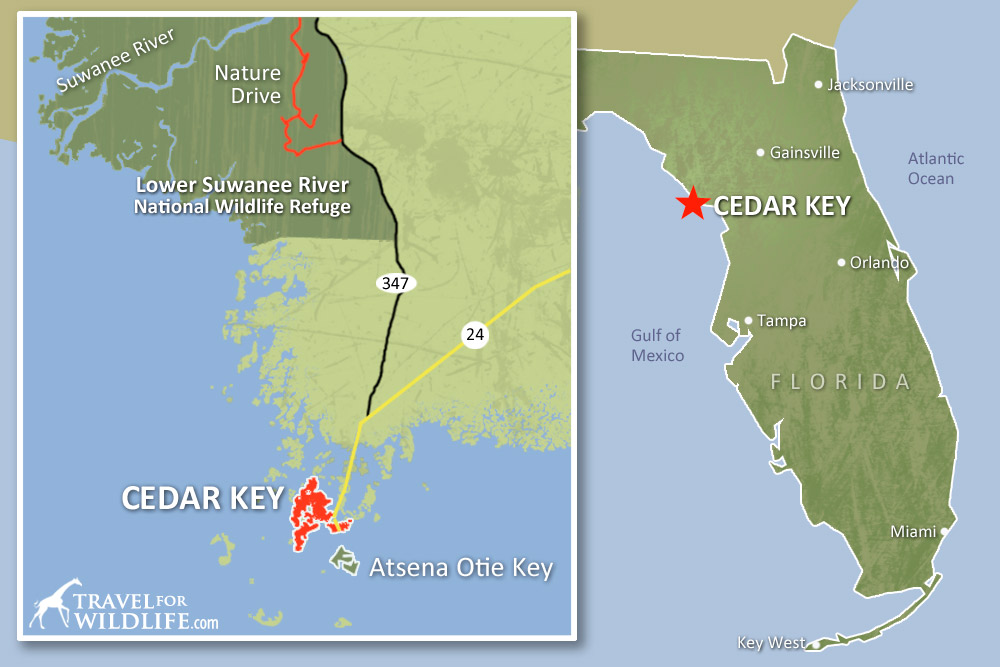
The intricate network of channels, bays, and tidal flats surrounding Cedar Key is fundamental to its identity. These waterways are vital for the local fishing industry, which remains a cornerstone of the town’s economy and culture. They also provide the primary means of access to many of the outer islands for recreation and exploration.
Understanding the Local Environment
Cedar Key’s location on the Gulf Coast dictates its unique environment, characterized by its shallow waters, diverse marine life, and susceptibility to coastal weather patterns.
Coastal Ecosystems
The area is renowned for its productive estuarine systems, supporting vast populations of fish, shellfish, and migratory birds. The shallow, nutrient-rich waters are ideal for oyster beds, and Cedar Key is a leading producer of farm-raised clams and oysters in the United States. The surrounding salt marshes and mangrove forests are crucial nurseries for marine species and provide vital protection against storm surges.
Climate and Weather
Cedar Key experiences a subtropical climate with hot, humid summers and mild winters. The Gulf waters have a moderating effect on temperatures. However, its exposed coastal location makes it vulnerable to hurricanes and tropical storms during the Atlantic hurricane season (June 1 to November 30). Visitors should always stay informed about weather forecasts when planning a trip, especially during these months.
Natural Attractions and Activities
The natural setting is the primary draw for visitors. The unspoiled beauty provides opportunities for a wide range of outdoor pursuits:
- Kayaking and Paddleboarding: Exploring the calm waters around the islands offers intimate encounters with wildlife and stunning views. Many outfitters offer rentals and guided tours.
- Birdwatching: The Cedar Keys National Wildlife Refuge is a haven for avian enthusiasts, with numerous species to spot, including wading birds, shorebirds, and raptors.
- Fishing: From shore fishing to chartering a boat for offshore excursions, Cedar Key is a popular destination for anglers. The waters teem with redfish, speckled trout, flounder, and more.
- Boating: Navigating the channels between the islands is a rewarding experience. Boat ramps are available, and many visitors enjoy anchoring in secluded coves.
- Beachcombing and Nature Walks: While not known for expansive sandy beaches, the shorelines offer opportunities for collecting shells and observing coastal flora and fauna.
The Cultural Significance of Cedar Key’s Location
Cedar Key’s remote location and distinct island setting have fostered a unique culture. It is a place where the rhythms of nature and the traditions of a fishing community deeply influence daily life.
A Haven for Artists and Nature Lovers
The tranquility and natural beauty of Cedar Key have long attracted artists, writers, and individuals seeking a slower, more contemplative lifestyle. The town has a thriving arts scene, with numerous galleries showcasing local talent inspired by the surrounding environment. This artistic community contributes to the town’s charming and eclectic character.
Preserving a Traditional Way of Life
Unlike many rapidly developing coastal towns, Cedar Key has made a conscious effort to preserve its heritage and natural environment. The reliance on fishing and aquaculture, combined with a strong sense of community, has created a destination that feels authentic and untouched. Its location, while requiring a bit more effort to reach, has been instrumental in this preservation.
Gateway to the Nature Coast
Cedar Key is often considered the heart of Florida’s “Nature Coast,” a stretch of the Gulf Coast known for its pristine beaches, abundant wildlife, and opportunities for outdoor adventure. Its position on this less-developed coastline offers a stark contrast to the bustling theme parks and crowded beaches found elsewhere in the state, providing a different, yet equally compelling, Florida experience.
In conclusion, Cedar Key’s location in Levy County on the Gulf Coast of Florida is central to its charm and appeal. It is a place where the islands meet the sea, offering a serene escape into a vibrant natural ecosystem and a preserved coastal culture. Its accessibility via State Road 24 makes it a reachable paradise for those willing to venture slightly off the beaten path to discover its unique treasures.
LifeOutOfTheBox is a participant in the Amazon Services LLC Associates Program, an affiliate advertising program designed to provide a means for sites to earn advertising fees by advertising and linking to Amazon.com. Amazon, the Amazon logo, AmazonSupply, and the AmazonSupply logo are trademarks of Amazon.com, Inc. or its affiliates. As an Amazon Associate we earn affiliate commissions from qualifying purchases.