
Understanding the safety of a neighborhood is paramount for any traveler considering a visit, especially in a vibrant metropolis like Chicago. Irving Park, a historic and diverse community on the city’s Northwest Side, often sparks this question. As a destination offering a rich tapestry of local culture, unique attractions, and a genuine feel of Chicago life beyond the tourist hotspots, it’s essential to address safety perceptions to help potential visitors plan their itineraries with confidence. This guide delves into the nuances of safety in Irving Park, examining crime statistics, community initiatives, and practical advice to ensure a secure and enjoyable experience.
Understanding Safety in Urban Neighborhoods
Safety in any urban environment is rarely a simple binary of “safe” or “unsafe.” It’s a complex interplay of various factors, including socioeconomic conditions, community engagement, law enforcement presence, and individual awareness. For travelers, this means looking beyond headline crime figures and understanding the lived reality of a neighborhood. Irving Park, like many established urban communities, has its share of challenges and triumphs. Its historical development has shaped a landscape of varied housing styles, bustling commercial districts, and quiet residential streets, each potentially having different safety profiles.
Crime Statistics and Trends
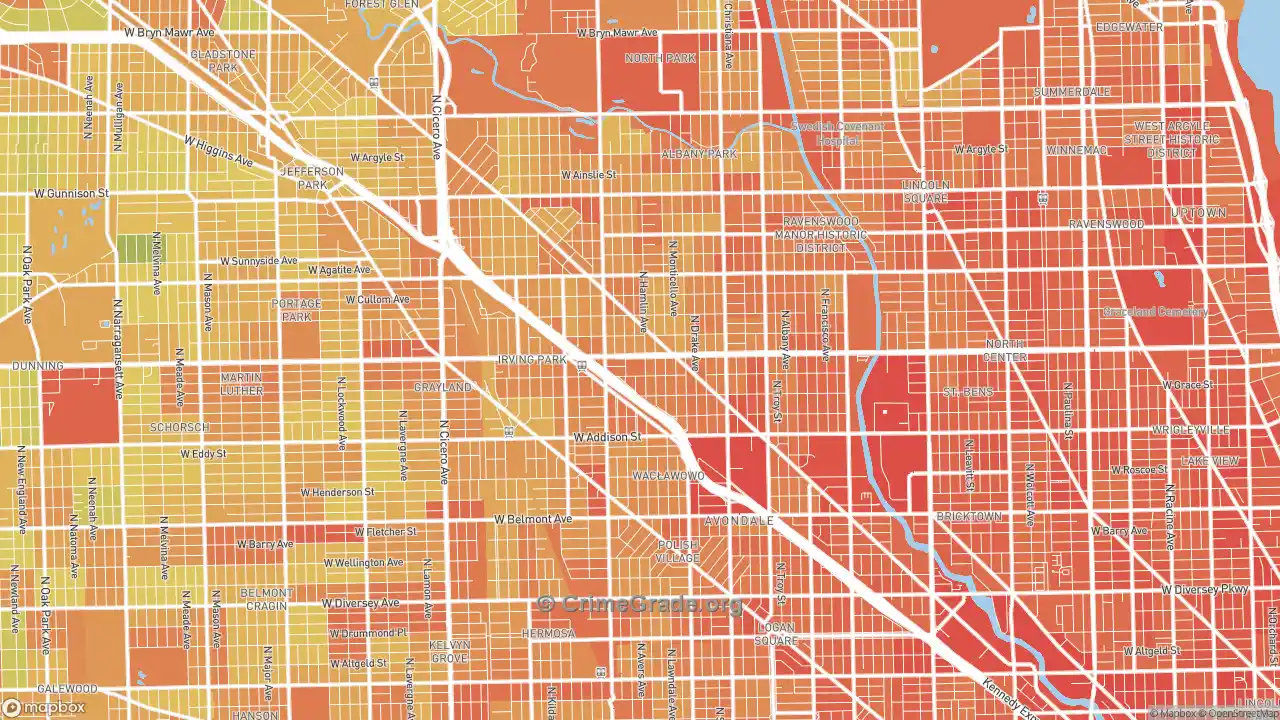
When assessing the safety of Irving Park, it’s beneficial to consult official crime data. While specific numbers fluctuate, the general trend in Chicago and its neighborhoods is often a topic of public discourse. The Chicago Police Department provides publicly accessible data that can offer insights into reported incidents. Generally, neighborhoods are assessed based on rates of violent crime (homicide, aggravated assault, robbery, sexual assault) and property crime (burglary, theft, motor vehicle theft).
It’s important to contextualize these statistics. Crime rates can vary significantly within a neighborhood, with certain blocks or commercial areas experiencing different levels of activity. Furthermore, how crime is reported and recorded can influence the perception of safety. A high number of reported incidents doesn’t always equate to a high risk for visitors, especially if the incidents are concentrated in specific areas or types of offenses. For Irving Park, the data often reflects a typical urban pattern, with some areas experiencing higher crime rates than others. Understanding the specific types of crime most prevalent can help travelers make informed decisions about where they might stay or visit within the neighborhood.
Community Initiatives and Local Engagement
The safety of a neighborhood is not solely determined by law enforcement statistics; it is significantly bolstered by active community involvement. Irving Park is characterized by a strong sense of community, with residents actively participating in local governance and neighborhood improvement projects. Organizations such as the Old Irving Park Association and the Irving Park Neighborhood Association work tirelessly to enhance the quality of life for residents and visitors alike.
These groups often spearhead initiatives focused on crime prevention, beautification, and fostering a welcoming atmosphere. This can include neighborhood watch programs, community clean-up days, and advocating for improved city services. The presence of engaged local associations and a proactive community is a powerful indicator of a neighborhood’s commitment to safety and well-being. Such engagement can lead to quicker reporting of suspicious activities, a greater sense of collective responsibility, and a more visible and positive community presence, all of which contribute to a safer environment for everyone. For travelers, this translates to a more welcoming and secure experience, as the community itself acts as an informal safety net.
Navigating Irving Park: Practical Safety Tips for Visitors
While Irving Park is generally a welcoming neighborhood, adopting standard urban safety practices is always advisable. These tips are not unique to Irving Park but are universally applicable to ensuring a safe and pleasant travel experience in any city.
Awareness and Common Sense
The cornerstone of urban safety is awareness. This means being mindful of your surroundings, especially when walking or using public transportation.
- Stay Alert: Pay attention to who is around you, especially in less crowded areas or at night. Avoid excessive distraction from your phone or headphones, which can make you a more vulnerable target.
- Trust Your Instincts: If a situation feels uncomfortable or unsafe, remove yourself from it. This might mean crossing the street, entering a well-lit establishment, or changing your route.
- Secure Your Belongings: Keep valuables out of sight and secure. Use cross-body bags or secure pockets for your wallet, phone, and keys. Be particularly cautious in crowded places where pickpocketing can occur.
- Plan Your Routes: Before heading out, have a general idea of your destination and the safest way to get there, especially if traveling at night. Utilize mapping apps that provide safe route suggestions.
Transportation Safety
Getting around Irving Park can be done through various means, each with its own safety considerations.
- Public Transportation: Chicago’s public transit system, operated by the CTA, is generally efficient and safe. However, like any public transit, it’s wise to be aware of your surroundings, especially during off-peak hours or on less crowded lines. Stick to well-lit stations and cars, and avoid displaying large amounts of cash or expensive electronics. The Blue Line and Grayland stations serve parts of the area.
- Rideshares and Taxis: When using services like Uber or Lyft, always confirm the license plate and driver’s name before entering the vehicle. Ensure the destination entered into the app matches where you intend to go. Taxis should be hailed from official stands or booked through reputable companies.
- Walking and Biking: Irving Park is a walkable neighborhood with many tree-lined streets, making it pleasant to explore on foot. If walking at night, stick to well-lit main roads and avoid shortcuts through alleys or deserted areas. For cyclists, follow traffic laws and use bike lanes where available.
Navigating Specific Areas and Times
While Irving Park is a large neighborhood with diverse areas, some general advice can be applied to ensure a safer experience.
- Commercial Strips: Areas along Irving Park Road and Milwaukee Avenue are typically busy and well-lit, offering a greater sense of security due to pedestrian and vehicular traffic. These areas are generally safe for evening strolls and dining.
- Residential Streets: Many residential streets in Irving Park are quiet and safe. However, it’s always prudent to be aware of your surroundings, especially on less illuminated streets after dark.
- Late-Night Travel: If you are out late, consider using a rideshare service or taxi rather than walking, especially if you are unfamiliar with the area or are traveling alone.
Irving Park’s Charm: Safety Enhancing the Tourist Experience
The question of safety in Irving Park ultimately hinges on balancing perceived risks with the neighborhood’s genuine appeal. For travelers seeking an authentic Chicago experience, Irving Park offers a wealth of attractions and a unique cultural flavor that is well worth exploring. Its safety, when approached with informed awareness and common sense, allows visitors to fully immerse themselves in what makes this neighborhood special.
Local Culture and Attractions
Irving Park boasts a rich history and a vibrant community spirit. The neighborhood is home to beautiful historic architecture, including many well-preserved Victorian and Craftsman homes. Its diverse population contributes to a dynamic cultural scene, evident in its array of restaurants, cafes, and community events.
- Historical Landmarks: While not as overtly prominent as downtown Chicago, Irving Park has its share of historical significance. The neighborhood was one of the earliest planned communities in Chicago, and its streets often follow the original platting. Exploring the tree-lined boulevards offers a glimpse into turn-of-the-century urban planning.
- Cultural Hubs: The area is known for its independent businesses, many of which are locally owned and operated. These establishments provide a genuine taste of Chicago beyond the chain stores found in more commercialized districts. The Congress Theater, though currently undergoing renovations, stands as a historic landmark and a testament to the neighborhood’s past cultural vibrancy.
- Community Events: Throughout the year, Irving Park hosts various festivals and community gatherings, such as the popular Irving Park Riverwalk Festival (note: this is a fictional event name for illustrative purposes). These events are excellent opportunities to experience the local culture firsthand and interact with residents in a safe and festive atmosphere.

Dining and Entertainment
The culinary landscape of Irving Park is as diverse as its residents, offering a range of dining experiences.
- Culinary Diversity: From cozy pubs and family-friendly diners to ethnic eateries serving authentic cuisines, Irving Park has something to satisfy every palate. Many of these establishments are located along the main thoroughfares, ensuring a lively and safe environment for dining, even in the evenings.
- Local Breweries and Bars: The neighborhood has a growing craft beer scene, with several local breweries and pubs offering unique brews and a relaxed social atmosphere. These are popular spots for locals and often provide a safe and welcoming environment for visitors to unwind.
- Live Music and Arts: While not a major entertainment district, Irving Park has venues that host live music and local art exhibits, contributing to its cultural richness and offering alternative evening activities.
In conclusion, Irving Park is a neighborhood that offers a rich and authentic Chicago experience. By understanding the nuances of urban safety, consulting available data, and employing common-sense precautions, travelers can confidently explore its charm, engage with its community, and enjoy its many offerings. The proactive spirit of its residents and community organizations, combined with a traveler’s own awareness, ensures that Irving Park remains a welcoming and enriching destination.
LifeOutOfTheBox is a participant in the Amazon Services LLC Associates Program, an affiliate advertising program designed to provide a means for sites to earn advertising fees by advertising and linking to Amazon.com. Amazon, the Amazon logo, AmazonSupply, and the AmazonSupply logo are trademarks of Amazon.com, Inc. or its affiliates. As an Amazon Associate we earn affiliate commissions from qualifying purchases.