
The question “Is Texas Chicago Time?” might initially conjure images of a bizarre temporal anomaly or a quirky philosophical debate. However, when viewed through the lens of tourism, particularly focusing on the unique cultural and historical tapestries of both Texas and Chicago, it opens a fascinating dialogue about the perception and reality of American cities. While geographically and culturally distinct, both states and cities offer rich experiences that can, in some ways, align or diverge in their appeal to the intrepid traveler seeking authentic local flavor, iconic landmarks, and immersive cultural encounters. This exploration delves into the nuanced similarities and striking differences, aiming to illuminate what makes each a compelling destination for different, yet sometimes overlapping, reasons.
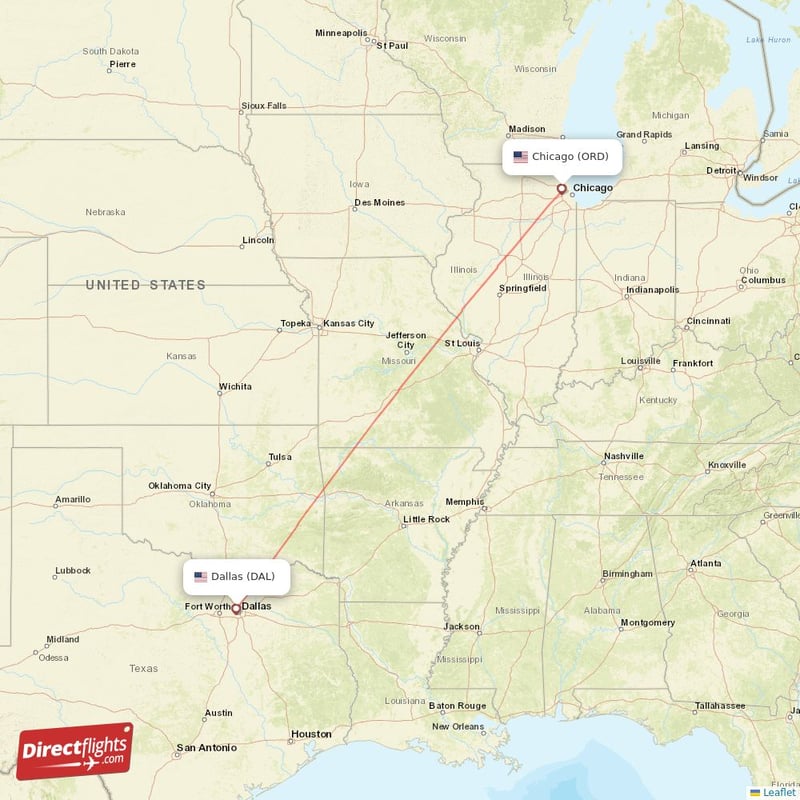
Decoding the Temporal and Cultural Analogy
The phrase “Chicago Time” itself is often used colloquially to denote a certain pace and energy – a bustling, urban dynamism associated with a major metropolitan hub. It suggests efficiency, a focus on business and innovation, and a palpable sense of forward momentum. Chicago, with its towering skyscrapers, world-class museums, and vibrant theatre scene, undeniably embodies this spirit. It’s a city that operates on a grand scale, offering a sophisticated blend of grit and glamour.
Texas, on the other hand, is a state of immense scale and diverse landscapes. While it boasts major urban centers like Houston, Dallas, and Austin, the perception of Texas often extends beyond its city limits to encompass vast ranches, historic missions, and a deeply ingrained sense of regional identity. The “Texas Time” might be perceived as slower, more deliberate, rooted in tradition and the enduring spirit of the American West. However, this generalization risks oversimplification. Austin, for instance, pulsates with a unique, energetic, and innovative “weirdness” that challenges traditional Texan stereotypes and could, in its own way, be considered “Chicago Time” in its progressive, arts-focused, and tech-driven atmosphere.
Urban Rhythms: A Tale of Two Metropolises
When comparing the urban experiences, both Chicago and the major Texan cities offer a wealth of attractions. Chicago’s skyline is an architectural marvel, a testament to its history as a hub of innovation and progress. The Magnificent Mile offers unparalleled shopping, while institutions like the Art Institute of Chicago and the Field Museum are world-renowned cultural anchors. The city’s culinary scene is legendary, from deep-dish pizza to Michelin-starred restaurants. The energy is electric, with a constant hum of activity that defines the “Chicago Time” ethos.
In Texas, Dallas presents a sophisticated urban landscape with a strong emphasis on arts, fashion, and a booming economy. The Dallas Arts District is one of the largest in the nation, and the city’s culinary offerings are diverse and upscale. Houston, a true melting pot, boasts a world-class museum district and a renowned food scene reflecting its global population. Austin, the state capital, is synonymous with live music, a burgeoning tech industry, and a fiercely independent spirit. While Austin might be the closest analogue to “Chicago Time” in its forward-thinking vibe, even it maintains a distinct Southern charm that sets it apart.
Beyond the City Limits: Landscapes of Discovery
The comparison becomes more complex when one considers the vastness of Texas beyond its urban cores. Chicago, while a significant inland port and a hub for air travel, is geographically contained. Its surrounding areas, while offering natural beauty, don’t possess the same kind of sprawling, diverse wilderness that Texas offers.
From the rolling hills of the Texas Hill Country, dotted with charming small towns and vineyards, to the rugged beauty of the Big Bend National Park in the west, Texas provides an expansive canvas for exploration that is fundamentally different from the concentrated urban experience of Chicago. The historical resonance of the Alamo in San Antonio speaks to a different kind of national narrative, one of independence and frontier spirit, which is a cornerstone of the Texan identity.
Culinary Journeys: From Deep Dish to Tex-Mex
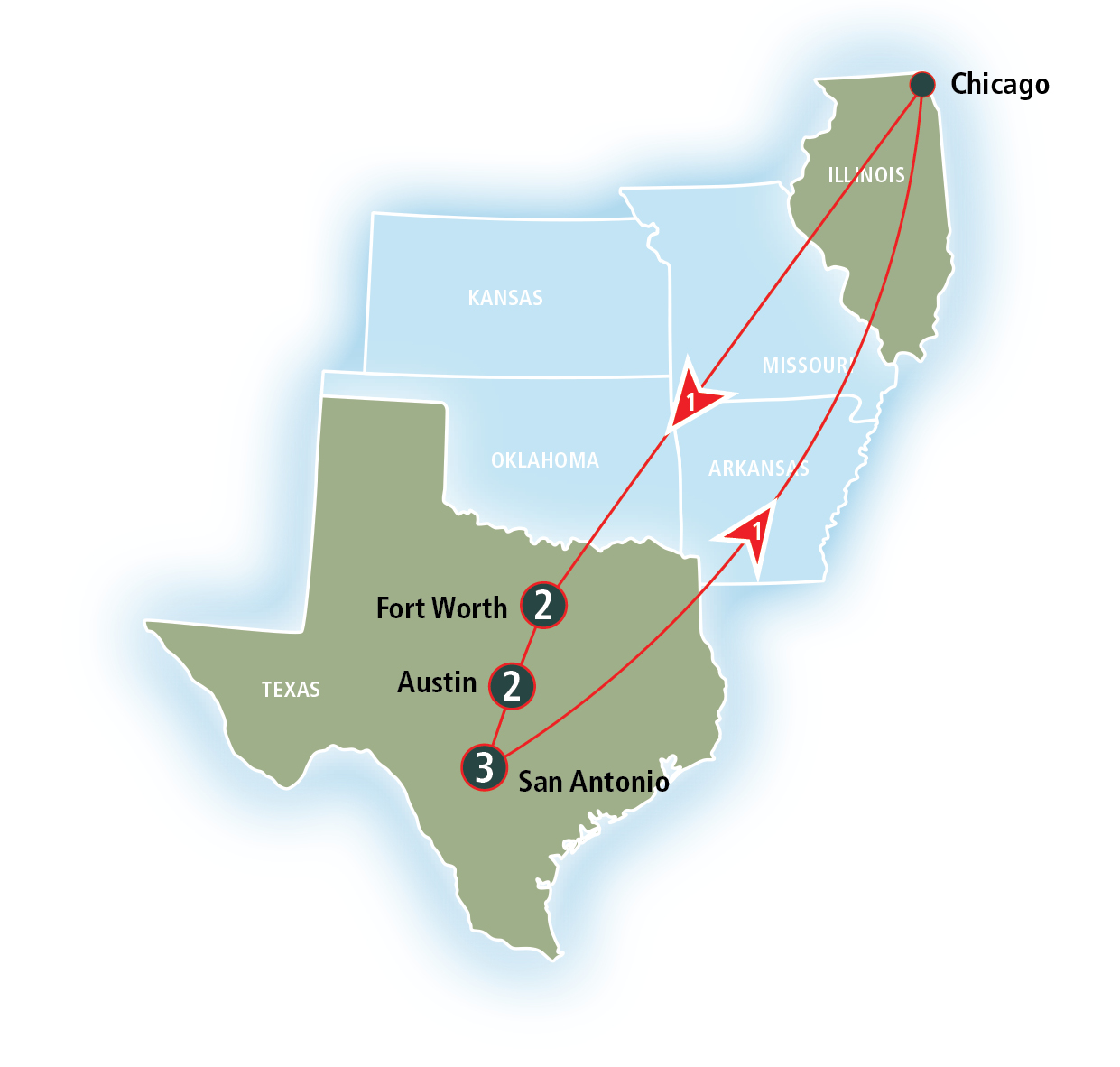
The culinary landscape is another area where the question “Is Texas Chicago Time?” invites comparison. Chicago is famously the birthplace of the deep-dish pizza, a hearty and iconic dish. Its culinary identity is also forged in its history as a meatpacking center, influencing its love for steakhouses and traditional American comfort food. Beyond these staples, Chicago has evolved into a global gastronomic destination, with an adventurous and refined food scene that caters to every palate and budget.
Texas, however, has its own indelible culinary trademarks. Tex-Mex cuisine, a fusion of Mexican and American flavors, is ubiquitous and deeply beloved, with dishes like tacos, enchiladas, and queso being national treasures. Barbecue is another sacred Texan tradition, with distinct regional styles that are fiercely defended, from the brisket of Central Texas to the ribs of East Texas. While Chicago might offer a more “urban,” sophisticated food scene, the authentic, deeply rooted flavors of Texas offer a different, yet equally compelling, gastronomic adventure.
The Art of the Sizzle: Barbecue vs. Urban Bites
The world of Texas barbecue is more than just a meal; it’s a cultural institution. The slow-smoking process, the proprietary rubs, and the unwavering dedication to quality meat have made it a pilgrimage for food lovers. This is an experience that embodies a certain slowness, a deliberate artistry that contrasts sharply with the faster-paced, trend-driven culinary scene that can define parts of a city like Chicago.
Conversely, Chicago excels in its ability to offer rapid, diverse, and innovative dining experiences. From quick-service eateries to avant-garde tasting menus, the city caters to a lifestyle that often demands efficiency and variety. This isn’t to say Texas lacks fast-paced options, and Chicago certainly has its slower, more traditional eateries. The distinction lies more in the dominant cultural narratives and the primary associations travelers might have with each destination.
Cultural Landscapes: Music, Art, and History
The cultural offerings of Texas and Chicago are as diverse as their geography. Chicago is a powerhouse of blues and jazz music, with legendary clubs that have hosted some of the greatest musicians in history. Its architectural tours are a major draw, showcasing a rich history of urban development and design. The city’s commitment to visual and performing arts is evident in its numerous theaters, galleries, and public art installations.
Texas, particularly Austin, is globally recognized as the “Live Music Capital of the World.” The sheer volume and diversity of musical talent emanating from Texas – from country and western to blues, rock, and Tejano – is staggering. Beyond music, Texas is steeped in history, from its days as an independent republic to its role in the Civil War and the oil boom. The historical sites, coupled with a strong sense of regional pride and storytelling, create a cultural experience that is profoundly distinct from that of Chicago.
Texas Twang vs. Chicago Blues
The musical heartbeats of these two regions are fundamentally different. Chicago’s blues scene is deeply influential, a raw and soulful expression of urban experience. Texas, on the other hand, is a cradle of country music, with a narrative that often speaks of wide-open spaces, independence, and the rugged life. Even in the more modern music scenes of Austin, there’s an underlying Texan identity that permeates the sound.

Historical Footprints: Republics and Reconstructions
The historical narratives also diverge significantly. Chicago’s history is largely one of industrial growth, immigration, and urban development, marked by events like the Great Chicago Fire and its subsequent rebuilding. Texas carries the weight of its unique past as a republic, its struggle for independence, and its frontier mythology. These distinct historical trajectories shape the very fabric of their respective cultures and the stories they tell to visitors.
In conclusion, the question “Is Texas Chicago Time?” is not about a literal temporal equivalence but rather a comparative exploration of pace, energy, and cultural identity. Chicago embodies a concentrated, urban dynamism, a city that is always moving forward. Texas, while home to burgeoning metropolises, also offers a vastness and a deeply ingrained sense of tradition that can feel distinct. However, in places like Austin, one can find a vibrant, forward-thinking energy that certainly resonates with the “Chicago Time” spirit. Ultimately, both destinations offer unparalleled travel experiences, each with its own unique rhythm and compelling narrative waiting to be discovered.
LifeOutOfTheBox is a participant in the Amazon Services LLC Associates Program, an affiliate advertising program designed to provide a means for sites to earn advertising fees by advertising and linking to Amazon.com. Amazon, the Amazon logo, AmazonSupply, and the AmazonSupply logo are trademarks of Amazon.com, Inc. or its affiliates. As an Amazon Associate we earn affiliate commissions from qualifying purchases.