
The promise of a new car is often accompanied by excitement, but for some, that excitement sours into frustration when a vehicle proves to be a “lemon.” In California, consumers are protected by stringent Lemon Laws designed to provide recourse when a vehicle suffers from substantial defects that cannot be repaired after a reasonable number of attempts. While many opt for legal representation, navigating the California Lemon Law process independently is feasible with careful preparation and a thorough understanding of the required steps. This guide empowers you to file your lemon law claim without the need for an attorney, focusing on the essential actions and documentation.

Understanding Your Rights and the California Lemon Law
Before embarking on the filing process, it’s crucial to grasp the fundamental tenets of the Song-Beverly Consumer Warranty Act, commonly known as the California Lemon Law. This legislation provides remedies for consumers who have purchased or leased vehicles that are found to have substantial defects impacting their use, value, or safety.
Defining a “Lemon” Vehicle
For a vehicle to qualify as a lemon under California law, specific criteria must be met:
- Substantial Defect: The vehicle must have a defect that significantly impairs its use, value, or safety. Minor issues, like a rattling sound that doesn’t affect drivability, typically do not qualify.
- Reasonable Repair Attempts: The manufacturer or its authorized dealer must have had a reasonable number of attempts to repair the defect. In California, this is generally defined as:
- The same defect has been subject to repair two or more times, and the defect still exists.
- The vehicle is out of service for repair for a cumulative total of 30 days or more within the first 18 months of ownership or 18,000 miles (whichever comes first).
- Warranty Coverage: The defects must have occurred and been reported while the vehicle was under its express warranty. This includes the manufacturer’s new vehicle warranty, powertrain warranty, or any extended warranty purchased.
Your Entitlements Under the Law
If your vehicle meets the definition of a lemon, you are typically entitled to one of two remedies:
- Replacement: The manufacturer must replace your defective vehicle with a comparable new vehicle.
- Repurchase (Buyback): The manufacturer must repurchase the vehicle from you. This typically involves the manufacturer refunding you the purchase price, including taxes, registration fees, and other charges, minus a reasonable offset for your use of the vehicle.
The choice between replacement and repurchase generally rests with the consumer.
Preparing Your Case: Documentation is Key
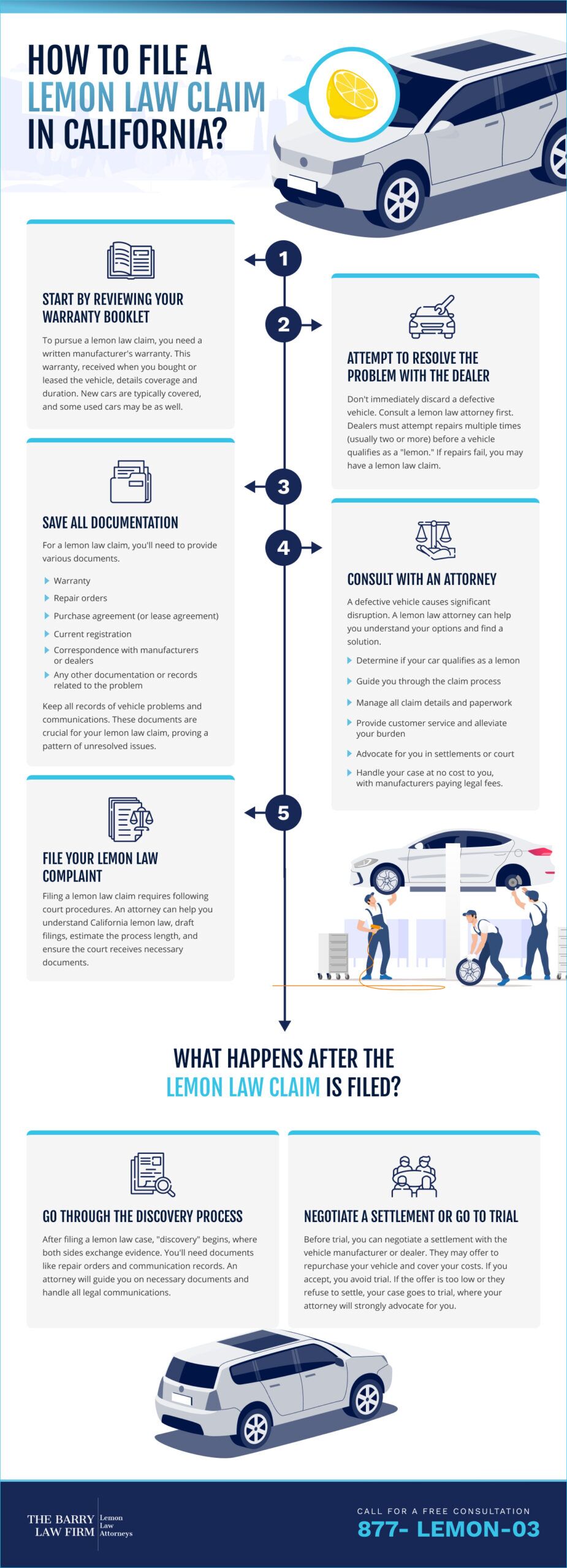
The cornerstone of any successful lemon law claim, especially when filing without an attorney, is meticulous documentation. Gathering and organizing all relevant paperwork will not only support your case but also streamline the filing process.
Essential Documents to Collect
- Purchase or Lease Agreement: This document outlines the terms of your vehicle acquisition, including the price, financing details, and warranty information.
- Repair Orders (ROs): These are critical. Every time you take your vehicle in for service or repair, ensure you receive a detailed repair order. These documents should clearly state the customer’s complaint, the problem identified, the work performed, and the parts used. They serve as evidence of the defects and the attempts to fix them.
- Invoices and Receipts: Keep all invoices for repairs, even those not covered by warranty if they relate to the defect. Receipts for towing, rental cars, or other expenses incurred due to the defect are also important.
- Warranty Documents: This includes the original manufacturer’s warranty, any extended warranties, or service contracts you may have purchased.
- Correspondence with the Dealership and Manufacturer: Save all letters, emails, and notes from phone calls with dealership service departments, customer service representatives, or the manufacturer. This includes dates, names of individuals you spoke with, and the content of your conversations.
- Vehicle Registration and Title: Proof of ownership or lease.
- Vehicle Maintenance Records: While not strictly a lemon law requirement, comprehensive maintenance records can demonstrate that you have taken good care of the vehicle.
Organizing Your Documentation
Create a dedicated folder or binder for your lemon law claim. Chronologically organize all documents. Consider making copies of everything for your personal records. A well-organized file will make it easier to present your case clearly and efficiently.
Initiating the Formal Complaint Process
Once you have gathered all your documentation, it’s time to formally notify the manufacturer of your intent to seek a remedy under the California Lemon Law.
The Notice of Non-Compliance
While not a mandatory prerequisite to filing a lawsuit, sending a formal “Notice of Non-Compliance” or a demand letter to the manufacturer is often a strategic first step. This letter should clearly:
- Identify yourself, your vehicle (including VIN), and the purchase/lease details.
- Describe the substantial defect(s) and the history of repair attempts.
- State that your vehicle qualifies as a lemon under California Lemon Law.
- Clearly state your desired remedy: either a vehicle replacement or a repurchase.
- Enclose copies of your supporting documentation (repair orders are paramount).
- Provide a reasonable deadline for the manufacturer to respond and offer a resolution.
Sending this letter via certified mail with a return receipt requested provides proof of delivery.
The Arbitration Option
Many vehicle manufacturers have internal arbitration programs or use third-party arbitration services. While participation in arbitration may be voluntary or mandatory depending on your specific warranty agreement, it can be an alternative to court.
- Pros of Arbitration:
- Can be faster and less formal than litigation.
- May be less expensive than hiring an attorney.
- An impartial arbitrator makes a binding decision.
- Cons of Arbitration:
- You may have less control over the process.
- Discovery rules are often less robust than in court.
- The arbitrator’s decision is typically final, with limited grounds for appeal.
If you choose to pursue arbitration, carefully review the program’s rules and prepare your case diligently, much like you would for a court proceeding.
Filing a Lawsuit Without Legal Counsel
If direct communication or arbitration fails to yield a satisfactory resolution, you may need to file a lawsuit in the appropriate California Superior Court. This is the stage where many consumers feel the need for legal representation, but it is possible to proceed pro se (representing yourself).
Filing Your Claim in Small Claims Court
For smaller claims, California’s Small Claims Court can be an accessible venue. The monetary limits for small claims cases are:
- $5,000 or less: Plaintiff can be an individual or a business.
- $2,500 or less: Plaintiff can be a business.
- $10,000 or less: For individual plaintiffs only, as of January 1, 2021.
Important Considerations for Small Claims Court:
- Monetary Limits: If the repurchase amount or the value of a replacement vehicle significantly exceeds the small claims limit, this venue may not be suitable.
- No Lawyers: Attorneys are generally not permitted to represent parties in small claims court. This makes it a truly “do-it-yourself” option.
- Simplicity: The procedures are designed to be straightforward. Forms are available on the California Courts website.
- Limited Discovery: The discovery process is very limited, which aligns with the “no lawyer” approach.
Filing in Superior Court
If your claim exceeds the small claims limits, you will need to file in the regular civil division of the California Superior Court. This process is more complex and involves more formal procedures.
- Obtain Forms: You will need to file a “Complaint.” The specific form may vary by county, but it will generally require you to outline your case, the parties involved, and the relief sought. You can often find forms and guidance on the website of the Superior Court in the county where you reside or where the defendant (manufacturer) has a place of business.
- Filing the Complaint: Submit the completed complaint form to the court clerk, along with the required filing fee. If you cannot afford the fee, you can apply for a fee waiver.
- Serving the Defendant: After filing, you must formally “serve” the defendant (the vehicle manufacturer) with a copy of the Summons and Complaint. This typically involves hiring a professional process server or sheriff’s department to deliver the documents. Proper service is critical; improper service can lead to your case being dismissed.
- Responding to the Manufacturer: Once served, the manufacturer will have a specific timeframe (usually 30 days) to file a response to your complaint. They will likely have legal counsel.
- Discovery: This is a crucial phase where both sides exchange information and evidence. Without a lawyer, you will need to understand how to respond to discovery requests (like interrogatories or requests for production of documents) and how to propound your own discovery requests to gather information from the manufacturer.
- Mediation/Settlement: Many courts encourage or require parties to attempt mediation to settle cases before trial.
- Trial: If no settlement is reached, your case will proceed to trial. You will need to present your evidence, examine witnesses, and argue your case before a judge or jury.
Tips for Success When Filing Pro Se
Representing yourself in a lemon law case requires dedication and a commitment to understanding the legal process.
Know Your Deadlines
The California Lemon Law has statutes of limitations. Generally, you have four years from the date you discovered the defect or reasonably should have discovered it to file a lawsuit. However, it’s best to act as soon as possible. Pay close attention to deadlines for responding to court documents and participating in discovery.
Be Professional and Polite
Maintain a professional demeanor in all communications with the court, the manufacturer, and their legal representatives. Avoid emotional outbursts or personal attacks. Stick to the facts and the law.
Understand Court Procedures
Familiarize yourself with the rules of evidence and civil procedure for the court in which you are filing. The California Courts website and local court rules can be invaluable resources. Many courts also offer self-help centers with staff who can provide procedural guidance (though they cannot give legal advice).
Focus on Your Evidence
Your documentation is your strongest asset. Be prepared to clearly and concisely present your repair orders, correspondence, and other evidence to demonstrate that your vehicle is a lemon and that the manufacturer has failed to adequately address the defects.

Consider a Consultation
Even if you intend to file pro se, it can be beneficial to consult with a lemon law attorney for an initial assessment of your case. Many offer free initial consultations. They can help you understand the strength of your claim, the likely outcomes, and any potential pitfalls you might encounter, even if you ultimately decide to represent yourself.
Filing a lemon law claim without a lawyer in California is a challenging but achievable endeavor. By thoroughly understanding your rights, meticulously organizing your documentation, and diligently following the required procedures, you can effectively advocate for yourself and achieve a fair resolution for your defective vehicle.
LifeOutOfTheBox is a participant in the Amazon Services LLC Associates Program, an affiliate advertising program designed to provide a means for sites to earn advertising fees by advertising and linking to Amazon.com. Amazon, the Amazon logo, AmazonSupply, and the AmazonSupply logo are trademarks of Amazon.com, Inc. or its affiliates. As an Amazon Associate we earn affiliate commissions from qualifying purchases.