
The Empire State, a place renowned for its iconic skylines, bustling metropolises, and vast natural beauty, also holds a special place in its identity for its official symbols. While many associate New York with its vibrant urban energy, its natural heritage is equally rich and celebrated through its designated state symbols. Among these, the state animal stands out, offering a fascinating glimpse into the wildlife that roams its diverse landscapes, from the Adirondack Mountains to the shores of Long Island. Understanding New York’s state animal not only educates us about its fauna but also connects us to the ecological significance of its protected areas and the ongoing efforts to conserve these precious species.

The Majestic Eastern Bluebird: A Symbol of Beauty and Resilience
The official state animal of New York is not a large mammal or a predator, but rather a small, brilliantly colored bird: the Eastern Bluebird (Sialia sialis). This choice highlights a different aspect of New York’s natural character, emphasizing the delicate beauty and ecological importance of its avian life.
Identification and Characteristics
The Eastern Bluebird is instantly recognizable by its striking plumage. Adult males boast a vibrant cerulean blue across their back, head, and wings, contrasted by a rusty or cinnamon-colored breast and white belly. Females are slightly more subdued, with a grayish-blue hue on their upperparts and a paler, more buffy breast. Both sexes have dark, pointed wings and a relatively short tail. Their cheerful, warbling song is often heard in open woodlands and meadows, signaling their presence even when out of sight.
These insectivorous birds are primarily ground-feeders, swooping down from perches to catch insects, spiders, and berries. Their diet makes them valuable allies to farmers and gardeners, helping to control insect populations naturally.
Habitat and Range in New York
Eastern Bluebirds are found throughout the state of New York, favoring open, park-like habitats with scattered trees. This includes meadows, grasslands, orchards, cemeteries, and suburban lawns with access to suitable nesting sites. They are particularly common in the more rural and suburban areas, away from the dense urban cores.
Their breeding range extends across the eastern United States, and New York serves as a crucial part of this territory. During migration, they can be seen in larger numbers as they travel to their wintering grounds further south.
Conservation Efforts and Challenges
Despite their designation as a state symbol, Eastern Bluebirds have faced significant challenges to their populations in recent decades. Habitat loss due to development and changes in agricultural practices have reduced the availability of open spaces and suitable nesting cavities. Competition with more aggressive, non-native species like the House Sparrow and European Starling for nesting sites has also contributed to their decline.
In response, numerous conservation initiatives have been launched across New York and the broader region. These efforts often involve:
- Nest Box Programs: Installing and maintaining specially designed bluebird nest boxes provides safe and accessible nesting opportunities, helping to offset the loss of natural cavities. These programs are often supported by local conservation groups, schools, and individual volunteers.
- Habitat Restoration: Efforts to preserve and restore meadows and open woodlands create more favorable environments for bluebirds and their insect prey. This can involve managing vegetation and preventing reforestation in key areas.
- Public Awareness and Education: Raising public awareness about the plight of the Eastern Bluebird and the importance of conservation encourages community involvement and support for protection efforts.
The success of these initiatives is crucial for ensuring that the vibrant blue of the Eastern Bluebird continues to grace the skies of New York for generations to come.
Beyond the Bluebird: Other Notable State Symbols of New York
While the Eastern Bluebird holds the distinction of being the state animal, New York has a rich tapestry of official symbols that reflect its diverse natural heritage. These symbols often represent iconic aspects of the state’s landscapes, flora, and fauna, offering further insight into its identity.
The Rose: A Floral Emblem of Beauty
The official state flower of New York is the Rose. This choice, adopted in 1955, signifies the timeless beauty, romance, and enduring appeal associated with this classic flower. Roses are cultivated throughout the state, from meticulously manicured gardens in New York City to wild roses blooming along country lanes in upstate regions. They symbolize the state’s appreciation for natural beauty in its most cultivated and wild forms.
The Sugar Maple: A Pillar of Autumnal Splendor
The state tree of New York is the Sugar Maple (Acer saccharum). This magnificent tree is deeply intertwined with the state’s identity, particularly for its spectacular autumn foliage and its role as the primary source of maple syrup. The vibrant reds, oranges, and yellows of sugar maples painting the landscape in the fall are a hallmark of the Adirondack Mountains and other forested areas, drawing countless tourists. New York is a leading producer of maple syrup, making the Sugar Maple a symbol of both natural beauty and economic significance.
The American Beaver: A Nod to Industry and Nature
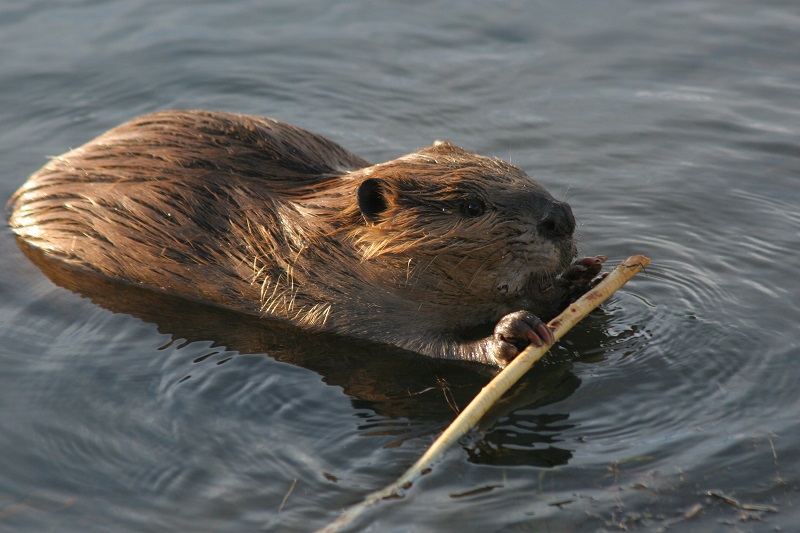
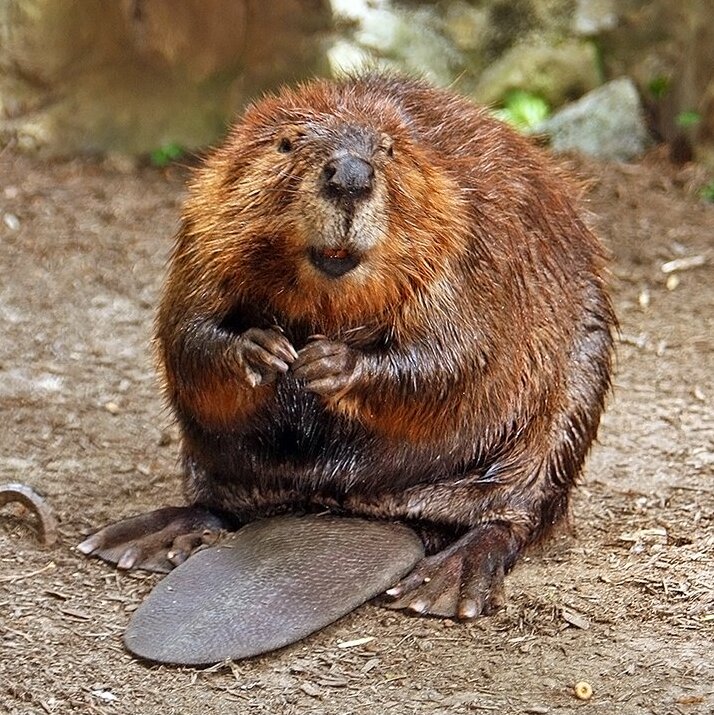
While the Eastern Bluebird is the official state animal, the American Beaver (Castor canadensis) holds a special historical and ecological significance for New York. Historically, the fur trade, heavily reliant on beaver pelts, played a pivotal role in the early economic development of the state and the nation. Beavers are master engineers of their environment, creating wetlands that support a diverse array of wildlife. Though not the official state animal, their presence in New York’s waterways and forests serves as a constant reminder of the power of nature and the historical importance of wildlife in shaping the state.
The Ladybug: An Insect Ally
The official state insect of New York is the Nine-spotted Ladybug (Coccinella novemnotata). This tiny, often red or orange beetle with black spots is beloved for its role in controlling agricultural pests, particularly aphids. Its designation highlights the state’s recognition of the importance of beneficial insects in maintaining ecological balance within its agricultural and natural landscapes. Ladybugs are common in gardens and fields across New York, a small but significant symbol of nature’s industrious workers.
Exploring New York’s Natural Heritage: Destinations Inspired by State Symbols
The state symbols of New York offer a unique lens through which to explore its diverse natural landscapes. From the avian havens where bluebirds thrive to the forests dominated by sugar maples, these symbols point to destinations rich in wildlife and scenic beauty.
Birdwatching Havens for the Eastern Bluebird
For enthusiasts eager to catch a glimpse of New York’s state animal, several locations offer excellent opportunities for birdwatching:
- Montezuma National Wildlife Refuge: Located in the Finger Lakes region, this expansive refuge provides critical habitat for a wide variety of migratory birds, including Eastern Bluebirds. Its diverse wetlands and grasslands are ideal for observation.
- Central Park (New York City): Surprisingly, even within the heart of New York City, Central Park offers pockets of habitat that attract migratory songbirds, including bluebirds during their seasonal movements. Dedicated birdwatchers often spot them in the more open, less densely wooded areas.
- Allegany State Park: This vast park in southwestern New York features rolling hills, forests, and open meadows, providing perfect breeding and foraging grounds for Eastern Bluebirds.
Autumn Spectacles in Sugar Maple Country
The vibrant fall colors of the Sugar Maple are a major draw for tourists and locals alike. The best places to witness this natural phenomenon include:
- Adirondack Mountains: Driving scenic routes like Route 73 or exploring towns such as Lake Placid and Saranac Lake offer unparalleled views of forests ablaze with autumnal color. Hiking trails in the Adirondack Park also provide immersive experiences.
- Catskill Mountains: Similar to the Adirondacks, the Catskill Mountains offer breathtaking fall foliage displays. Towns like Woodstock and Phoenicia are popular bases for exploring the vibrant landscape.
- Finger Lakes Region: The rolling hills surrounding the Finger Lakes are dotted with sugar maples, creating a picturesque backdrop for wine tasting and scenic drives.
Exploring Beaver Habitats
While finding beavers can be challenging due to their reclusive nature, signs of their presence – dams, lodges, and felled trees – are often visible in:
- State Forests and Parks: Many state-run natural areas, particularly those with rivers, streams, and ponds, are home to beaver populations. Areas like Allegany State Park or state forests in the western part of the state are good starting points.
- Wetland Areas: Marshes, swamps, and beaver ponds are crucial habitats. Educational nature centers often offer guided walks or information about local beaver activity.
By understanding and appreciating New York’s state animal and other symbols, visitors and residents alike can gain a deeper connection to the state’s rich natural heritage. These symbols are not merely abstract designations but living representations of the diverse ecosystems that define the Empire State, inviting exploration and fostering a commitment to conservation. Whether observing the flash of blue from an Eastern Bluebird or the fiery hues of a Sugar Maple, these icons offer tangible links to the wild heart of New York.
LifeOutOfTheBox is a participant in the Amazon Services LLC Associates Program, an affiliate advertising program designed to provide a means for sites to earn advertising fees by advertising and linking to Amazon.com. Amazon, the Amazon logo, AmazonSupply, and the AmazonSupply logo are trademarks of Amazon.com, Inc. or its affiliates. As an Amazon Associate we earn affiliate commissions from qualifying purchases.