
Understanding the rhythm and regulations of urban maintenance is crucial for any resident or visitor looking to fully experience a city. In Chicago, Illinois, a metropolis known for its architectural grandeur and vibrant street life, the upkeep of its thoroughfares plays a significant role in its aesthetic appeal and functionality. This exploration delves into the specifics of street cleaning operations along Lawrence Avenue, a major arterial road that slices through several diverse neighborhoods of the city, touching upon the policies, schedules, and practical implications for those navigating this busy corridor.
The Mechanics of Urban Hygiene: Chicago’s Street Cleaning Program
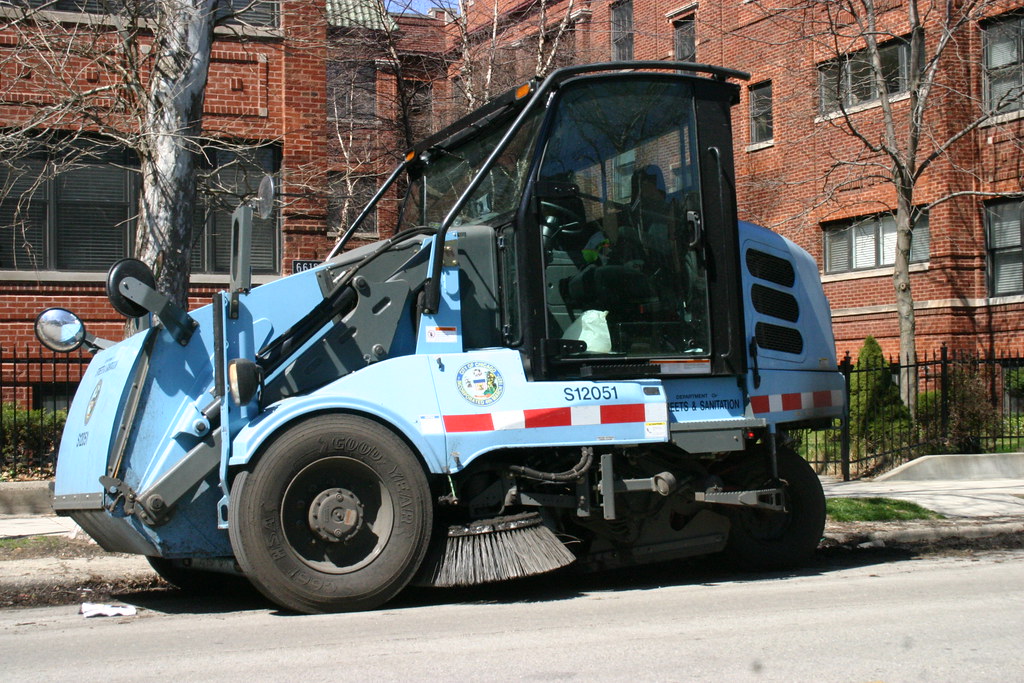
Chicago operates one of the most extensive street cleaning programs in the United States, a necessity for a city of its size and population density. The primary objective of this program is to remove debris, litter, and sediment from streets and alleys, which not only enhances the city’s visual appeal but also plays a vital role in preventing stormwater pollution by keeping debris out of drainage systems. The Department of Streets and Sanitation is the principal agency responsible for executing these cleaning operations across all wards.
The street cleaning schedule is meticulously planned and often dictated by a combination of factors: the specific needs of a neighborhood, traffic patterns, and the season. During warmer months, from spring through fall, the frequency of cleaning typically increases to address the accumulation of dirt and debris from winter and to keep pace with increased pedestrian and vehicular activity. In contrast, winter months often see a reduction in routine street sweeping due to snow and ice, with resources being redirected towards snow removal and salting operations. However, even during winter, strategic cleaning may occur to clear salt brine and sand from roadways.
The implementation of street cleaning is not uniform across the entire city. Different wards may have varying schedules and frequencies based on local conditions and the allocation of resources. Furthermore, the type of street – whether a major artery like Lawrence Avenue, a residential side street, or a commercial strip – influences the cleaning approach. Major routes often receive more frequent attention due to higher traffic volumes and their importance in the city’s transportation network.
Enforcement and Regulations
A critical aspect of Chicago’s street cleaning program is enforcement. To ensure that cleaning vehicles can operate effectively and access the entirety of the roadway, temporary parking restrictions are put in place. These restrictions are typically indicated by posted signs along the street, which specify the days and times when parking is prohibited. Failure to adhere to these regulations can result in parking tickets and, in some cases, towing of vehicles.
The city utilizes a system of automated enforcement for parking violations related to street cleaning. Cameras mounted on street cleaning vehicles or operated by parking enforcement officers capture images of vehicles parked in restricted areas during scheduled cleaning times. This technological integration helps to ensure compliance and maximize the effectiveness of the cleaning crews. The revenue generated from these tickets is often reinvested into the city’s sanitation and infrastructure maintenance efforts, creating a self-sustaining cycle of urban upkeep.
Residents and visitors are strongly advised to pay close attention to all posted signage. Understanding the posted signs is paramount to avoiding citations. These signs typically indicate the days of the week and specific hours during which parking is forbidden for street cleaning purposes. It’s also important to note that the schedule can sometimes be altered due to holidays or special city events. Therefore, a proactive approach to checking signage regularly is always recommended.
Technological Integration and Data
The Department of Streets and Sanitation leverages technology to optimize its street cleaning routes and schedules. Geographic Information Systems (GIS) are employed to map out cleaning zones, track progress, and analyze data on debris accumulation. This data-driven approach allows the city to allocate resources more efficiently, targeting areas that require more frequent attention and adjusting schedules based on real-time conditions.
Furthermore, the city has introduced online resources and mobile applications that allow residents to check street cleaning schedules for their specific addresses or blocks. These digital tools empower the public with information, enabling them to plan their parking and avoid potential violations. This transparency and accessibility are key components of modern urban management, fostering a collaborative relationship between the city and its constituents.
Street Cleaning on Lawrence Avenue: Specific Considerations
Lawrence Avenue is a significant east-west street in Chicago, stretching for miles and traversing diverse communities. Its character shifts dramatically from its western stretches through the Portage Park and Jefferson Park neighborhoods, to its more bustling commercial sections in Lincoln Square and its proximity to areas like Uptown. This diversity in urban fabric means that street cleaning operations along Lawrence Avenue must be tailored to the specific needs of each segment.

Variable Schedules Across Segments
Due to its extensive length and the varying densities and types of development it passes through, Lawrence Avenue likely experiences different street cleaning schedules along its path. For instance, the commercial strips in areas like Lincoln Square, with their higher concentration of businesses, restaurants, and pedestrian traffic, might be subject to more frequent cleaning cycles than the more residential stretches further west. This is often to maintain a welcoming environment for shoppers and diners and to manage the greater volume of litter generated in commercial zones.
Conversely, the residential segments of Lawrence Avenue might have cleaning schedules aligned with typical ward-based street sweeping patterns. These schedules are usually posted and enforced during the warmer months, often on specific days of the week. The aim here is to keep residential streets clean and navigable, especially after winter, and to manage storm drain debris.
Impact of Businesses and Residential Zones
The presence of numerous businesses, including restaurants and retail establishments, along certain stretches of Lawrence Avenue presents unique challenges and considerations for street cleaning. Restaurants, in particular, can contribute to increased debris from outdoor dining areas, food waste, and general foot traffic. This often necessitates more frequent sweeping to maintain public health and aesthetic standards. The city’s sanitation department works in conjunction with business owners to ensure that waste management practices are in place, and street cleaning complements these efforts.
Residential zones, while potentially generating less immediate debris than commercial areas, still require regular cleaning. Factors such as leaf fall in autumn, snow and ice melt in winter, and general street dust accumulate over time and need to be removed to prevent drainage system clogs and to maintain neighborhood cleanliness. The city’s system of scheduled sweeps on specific days aims to address these needs efficiently.
Navigating Parking Restrictions and Staying Informed
For anyone parking on or near Lawrence Avenue, understanding and adhering to parking regulations is paramount. The city’s street cleaning schedule is a dynamic system, and neglecting to check for restrictions can lead to unexpected fines.
Where to Find Information
The most reliable source of information regarding street cleaning schedules and parking restrictions is the official signage posted along the street itself. These signs are legally binding and clearly indicate the days and times when parking is prohibited. It is imperative to read these signs carefully and understand the hours of enforcement.
Beyond physical signage, the City of Chicago provides online resources. The Department of Streets and Sanitation website often features interactive maps or searchable databases where residents can input their address to find out their specific street cleaning schedule. This digital access is a valuable tool for staying informed, especially for those who may not frequently travel the specific blocks where they park. Mobile applications may also be available that offer real-time notifications or access to these schedules.

Best Practices for Drivers
To avoid parking tickets and ensure the smooth operation of street cleaning efforts, drivers should adopt a proactive approach.
- Regularly Check Signage: Make it a habit to check parking signs whenever you leave your vehicle on Lawrence Avenue, especially if you are parking in a new or less familiar area.
- Utilize Online Resources: Bookmark the city’s street cleaning schedule portal or download relevant apps to easily check schedules before parking.
- Understand Posted Times: Be aware that schedules can sometimes be altered due to holidays or special events. Always verify current restrictions.
- Consider Alternative Parking: If you are unsure about parking restrictions or if your usual spot is temporarily restricted, consider using nearby parking garages or less restricted side streets.
- Educate Yourself on Enforcement: Understand that violations are often enforced through automated camera systems, meaning tickets can be issued promptly.
By staying informed and diligent, both residents and visitors can effectively navigate the parking landscape on Lawrence Avenue and contribute to the city’s ongoing efforts to maintain clean and accessible streets. The question of street cleaning on Lawrence Avenue is not merely about sweeping; it’s about a comprehensive system of urban maintenance that relies on resident cooperation, technological advancement, and consistent communication from city authorities to ensure a pleasant urban experience for all.
LifeOutOfTheBox is a participant in the Amazon Services LLC Associates Program, an affiliate advertising program designed to provide a means for sites to earn advertising fees by advertising and linking to Amazon.com. Amazon, the Amazon logo, AmazonSupply, and the AmazonSupply logo are trademarks of Amazon.com, Inc. or its affiliates. As an Amazon Associate we earn affiliate commissions from qualifying purchases.